There are many reasons why you might want to soundproof your property. Whether you’re a householder with noisy neighbours, or a business owner who needs to reduce excess noise, sound reduction is an important requirement.
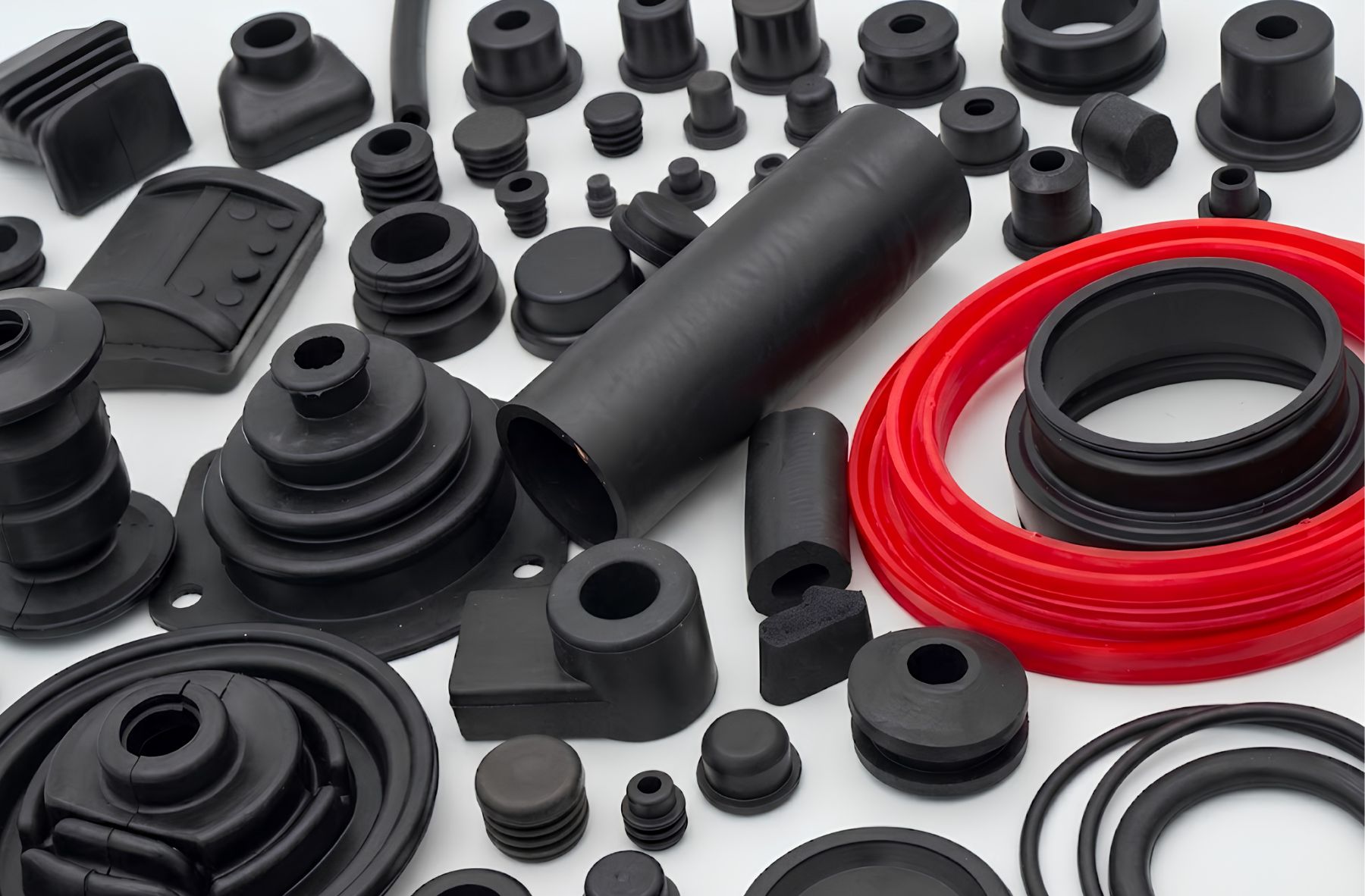
One of the most reliable ways to soundproof your property is by using rubber. Its physical properties, such as its high mass and density, can block sound waves and reduce vibration.

© Andrii Iemelianenko / Shutterstock
How serious is noise pollution in the UK?
It’s incredibly important to take steps to reduce excess noise if you’re the culprit. A noise complaint is made every 80 seconds in the UK, based on the 424,000 received by local authorities over a one-year period. Almost 24 million people said antisocial noise made by their neighbours had negatively impacted their mental wellbeing.
It’s clear that noise nuisance is a major issue in Britain, so what can you do about it if you’re concerned you might be an offender? It’s vital that you find a solution quickly, as a householder can be fined up to £1,000 for creating excess noise, while the owner of licensed premises can be hit with an unlimited fine.
What is the biggest cause of noise complaints?
Parties and loud music are responsible for 28% of all noise complaints. Barking dogs in domestic premises account for 13% of all complaints to councils. These figures have remained constant for the past three years.
An average of 333 objections are received EVERY DAY regarding loud music at a neighbouring property – the single biggest cause for complaint from domestic premises. More than 62,000 instances are reported per year about people shouting loudly, or carrying out DIY jobs, in their home.
Construction site noise accounts for 5.2% of the total complaints to local authorities. There are almost 10,000 complaints per year about noisy clubs and pubs, and 4,000 about general factory noise.
Can rubber soundproof your property?
Rubber has a high mass, making it ideal to help with soundproofing. It is effective in blocking sound by adding extra mass to surfaces. This blocks sound waves from passing through ceilings, floors and walls.
Increasing the mass of walls reduces sound vibration and while rubber can’t completely stop sounds from passing through the walls, it will reduce the noise to acceptable levels that won’t annoy the neighbours.
Adding a layer of rubber under a hardwood floor will effectively minimise impact noise. A solid floor, such as laminate, produces a loud noise when people walk on it. Placing a soft material, such as rubber, underneath will prevent the impact from producing unwanted noise – useful for flat-dwellers who may experience noise from the people living above; or commercial premises, such as dance and fitness studios.
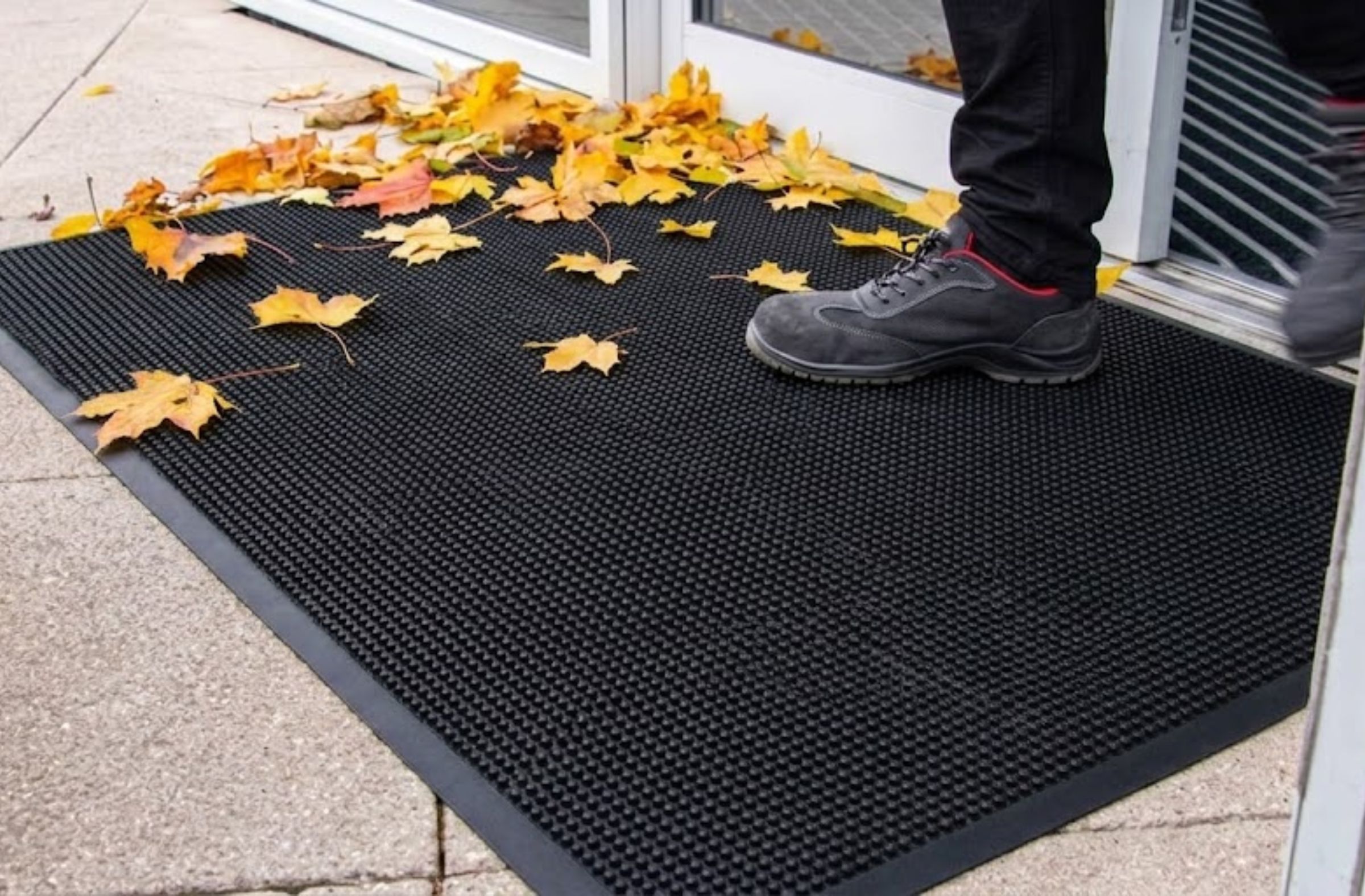
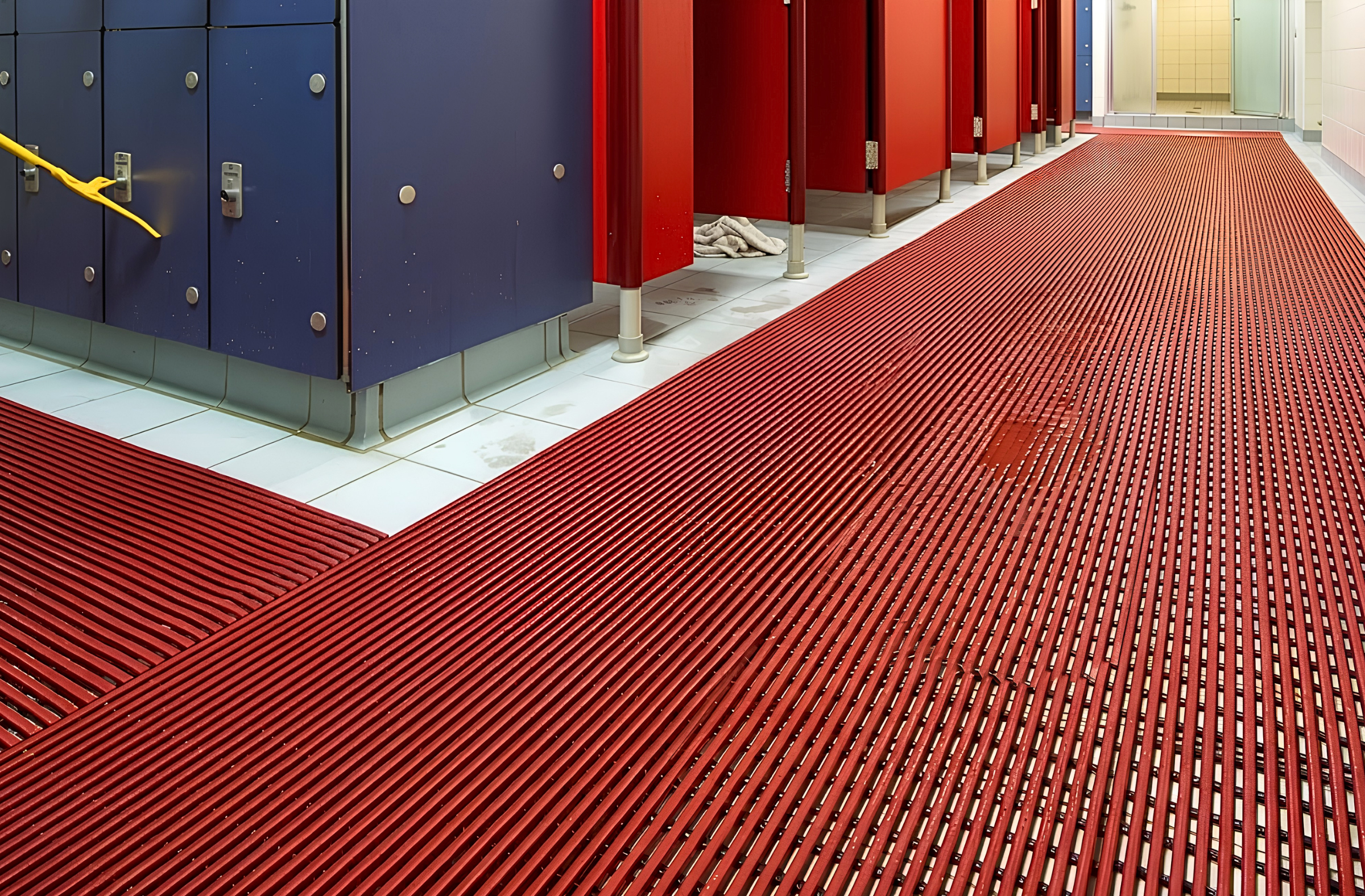
There are several places in a property where rubber can help reduce noise nuisance including strips to cover gaps between doors, floor underlays and rubber matting with sound absorption properties. Rubber mats are ideal for use in areas of high footfall.
As well as its noise reduction properties, rubber is also a good insulator, helping to keep the property warm in winter and cool in summer.