The rubber manufacturing industry is entering a new era driven by technological advances, innovation and greater environmental responsibilities. The sector is also evolving to meet a growing demand for custom solutions, especially in construction, aerospace and automotive applications.
Experts predict the future of rubber lies in the use of bio-based materials and advanced manufacturing systems. For industries that rely heavily on durable rubber components, staying informed about these trends is essential.
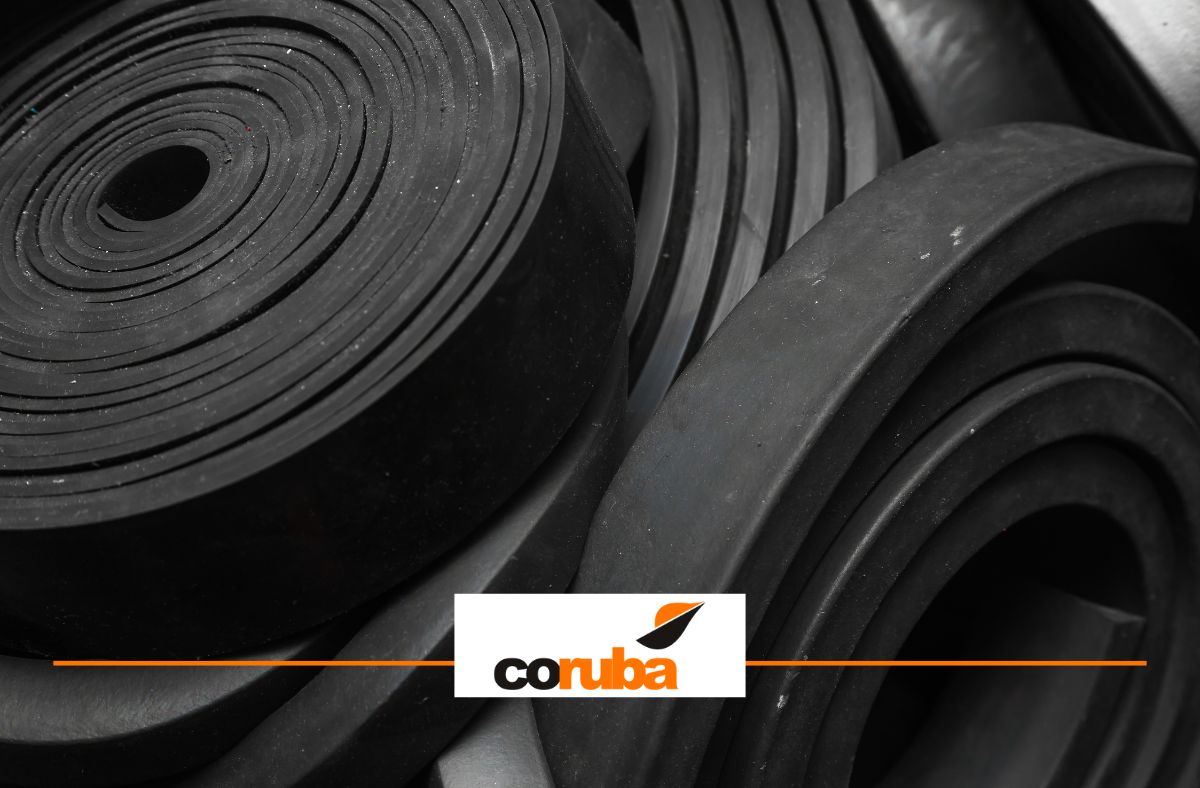
© ZHMURCHAK / Shutterstock
Forward thinking suppliers, such as Coruba, are set to play a crucial role in shaping the next chapter of the rubber industry. Environmental regulations and market pressure are driving the adoption of alternatives to petroleum based rubber, leading to an increasing use of bio-based rubber and other sustainable materials.
The rise of sustainable materials
Derived from renewable sources, including guayule and dandelion plants which contain natural latex in their roots and stems, bio-based rubber offers a similar performance to traditional types, but significantly reduces the environmental impact of extraction and production.
In 2024, the global bio-based rubber market was valued at £3.3 billion and is projected to reach £6 billion by 2033, with a compound annual growth rate of 7.2% between 2026 and 2033. This is largely attributed to an increased demand across construction, automotive and consumer goods sectors.
Recycled rubber is another pillar of sustainability in the industry. Advances in devulcanisation and material recovery techniques are making it possible to reuse high-quality rubber from end-of-life products such as tyres. Crumb rubber and rubber powders are also commonly used in construction materials, insulation and sealants, aligning with the sector’s sustainability goals.
Silica based reinforcement technologies are becoming more popular, especially in tyre and high-performance rubber applications. By replacing carbon black, which is derived from fossil fuels, silica and silane offer improved energy efficiency and reduced environmental impact.
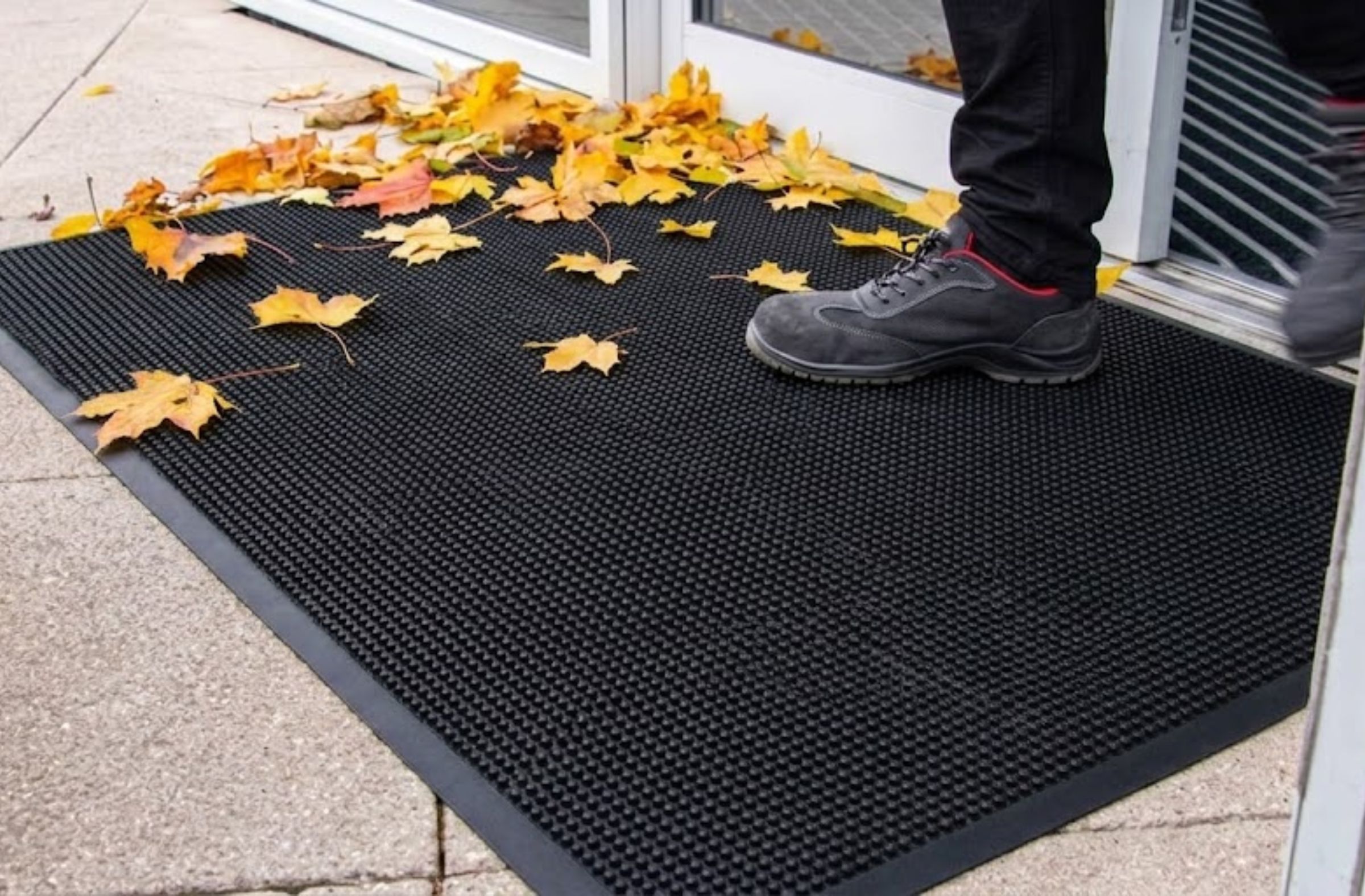
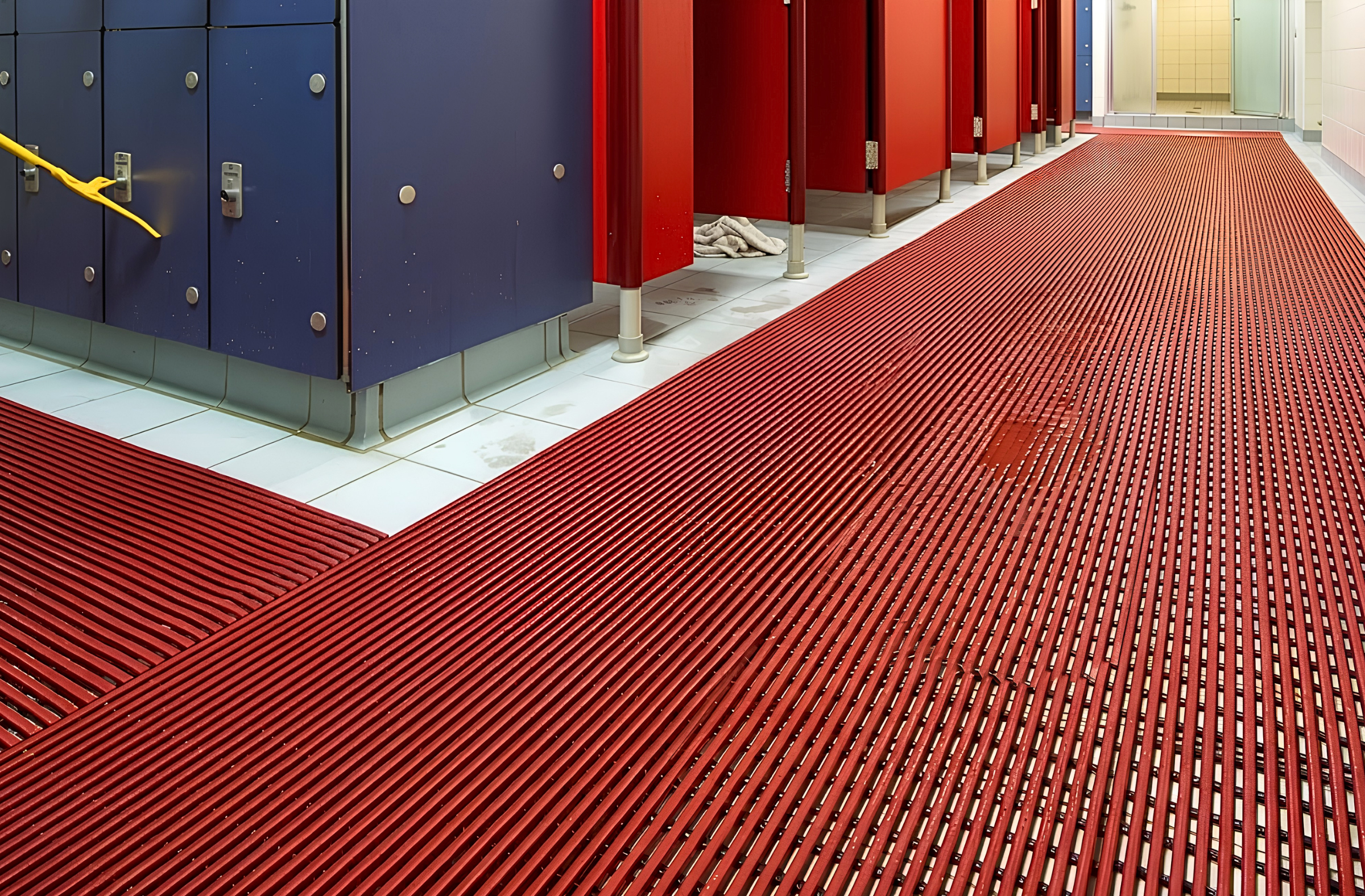
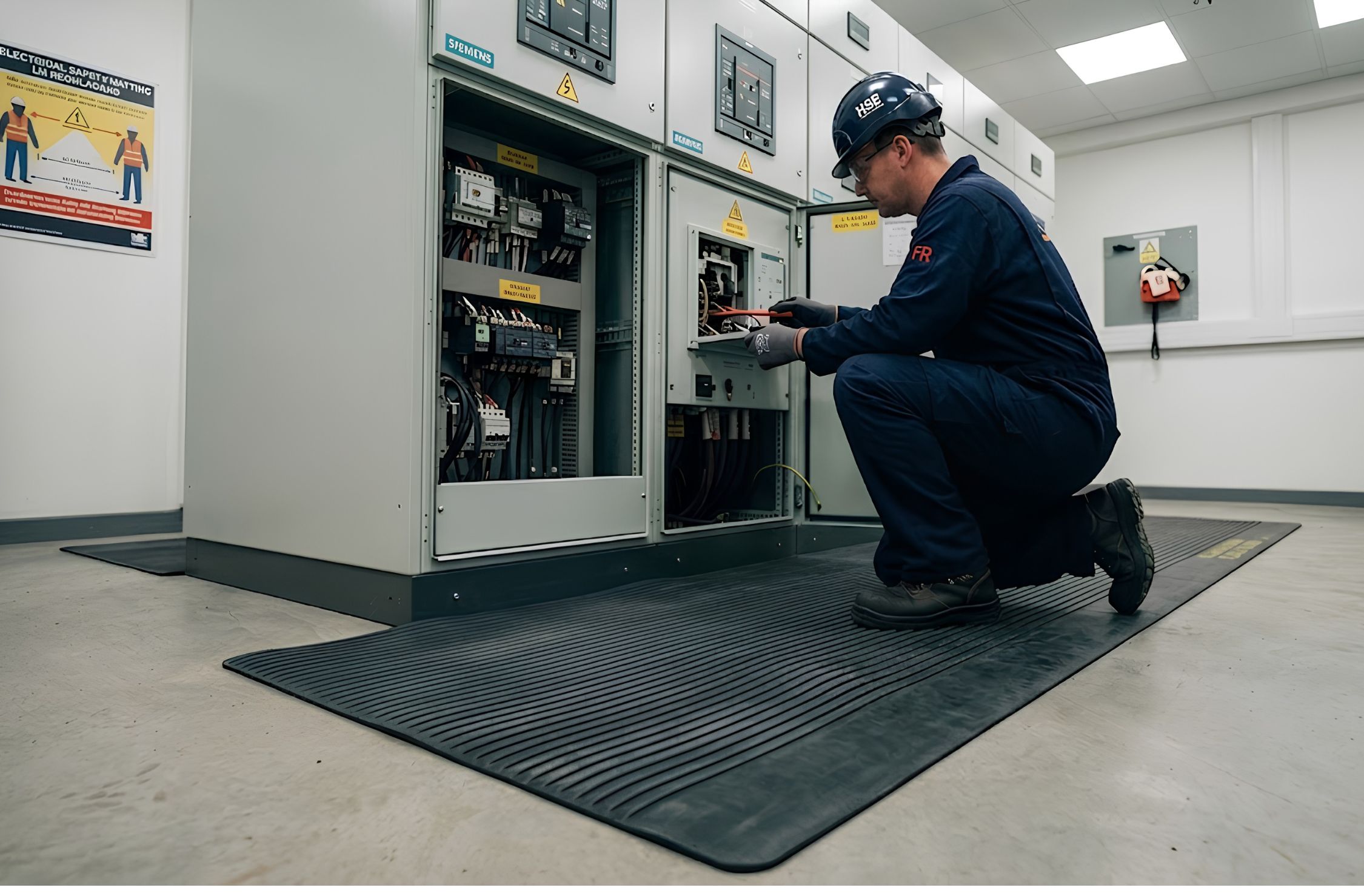
It’s imperative that the durability and reliability of rubber matting and rubber sheeting in industry remain the same, regardless of the materials used. They play a crucial role in workplace safety by providing anti-slip flooring and walkways; protective surface coverings for heavy equipment; and vibration and noise dampening underlays.
Industry 4.0 and the digital transformation
Industry 4.0 technologies encompass a range of digital and automated systems that are transforming manufacturing. Traditional extrusion and moulding processes are being enhanced through automation, data analytics and digital process control, making production faster, more precise and less wasteful.
Automation such as robotic handling and real-time quality control reduces human error and increases consistency across batches. This is particularly important for the construction and aerospace sectors, where reliability and conformity to specifications are non-negotiable. Automated extrusion lines, for example, can now adjust parameters dynamically, based on sensor feedback, ensuring consistent thickness, density and material distribution.
Modern 3D moulding and computer-aided design (CAD) technologies are enabling the development of complex designs and high-tolerance components. Digital twins and simulation software allow engineers to test designs virtually before physical production, saving time and reducing material wastage. This integration of digital and physical systems allows for greater customisation and efficiency.
As a leading UK supplier of rubber products, Coruba exemplifies this shift by investing in state-of-the-art manufacturing equipment. We’re committed to driving innovation and quality in the rubber industry by investing in cutting edge manufacturing technologies to meet the needs of customer expectations.
Customisation: meeting specific demands
As construction projects become more specialised and complex, the demand for bespoke rubber components is increasing. Off-the-shelf solutions can fall short in environments that require specific mechanical properties, resistance to extreme temperatures, chemical exposure, or unusual designs.
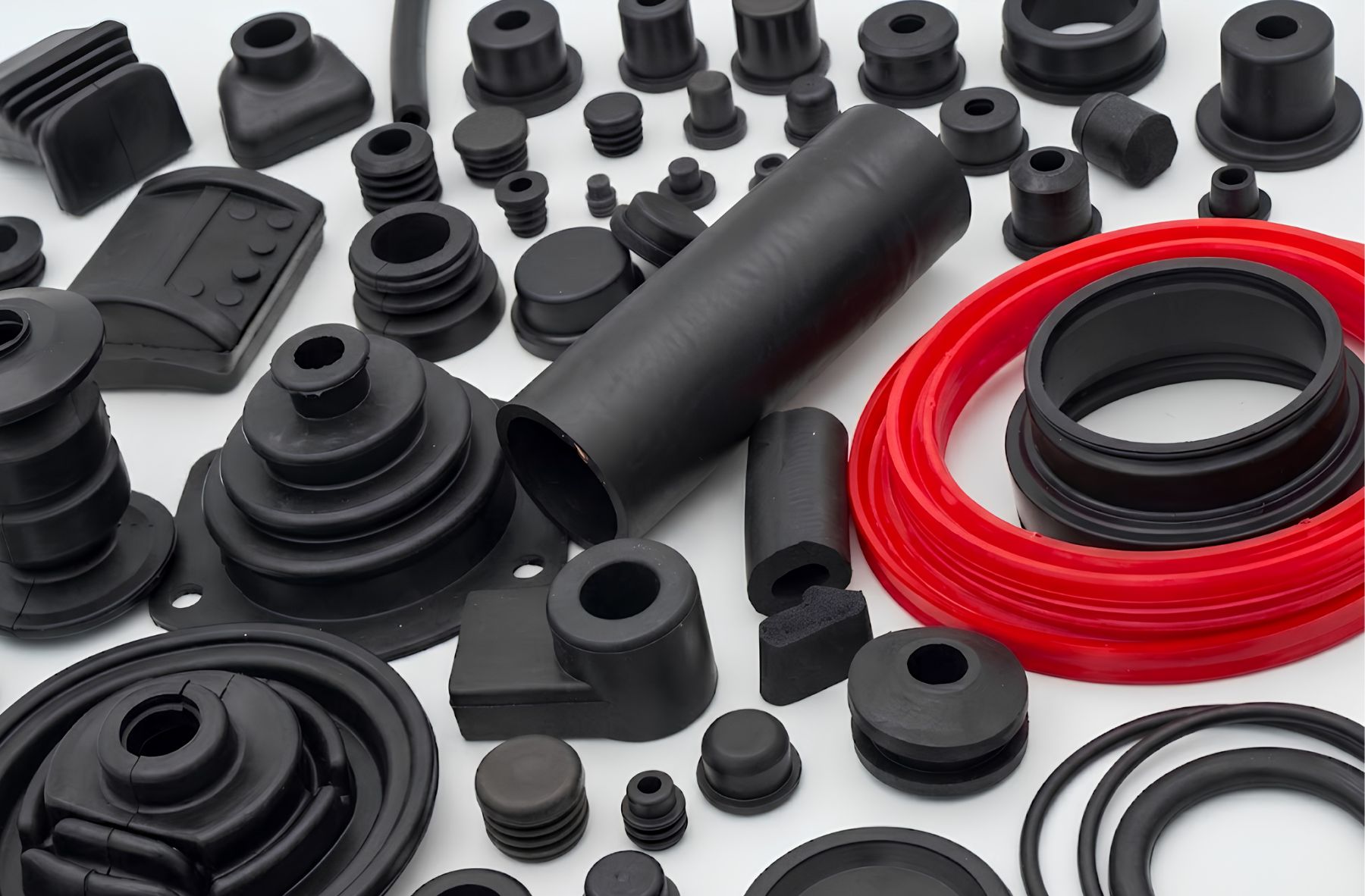
Bespoke rubber components tailored to specific demands are increasingly required to ensure the safety, durability and performance in many applications. These include the rubber gasket, vibration dampers, waterproof seals, expansion joints and anti-slip materials, all of which must meet stringent performance criteria.
The ability to offer tailored rubber components is no longer a luxury, it’s a necessity. This growing need is driving investment in flexible manufacturing systems that support rapid prototyping, low-volume production and design-to-order services. Coruba stands out in this field, working with engineers and project managers to ensure that every component meets not only the design specifications, but also the necessary environmental and operational demands of the project.
Green standards shaping the future
Global environmental regulations are exerting growing influence over rubber production. Compliance with directives such as REACH (Registration, Evaluation, Authorisation and Restriction of Chemicals) and RoHS (Restriction of Hazardous Substances) is now a core requirement for rubber manufacturers operating in regulated markets such as the UK and Europe.
These frameworks aim to limit the use of hazardous substances, encourage the development of safer alternatives, and improve the traceability of materials throughout the supply chain. Selecting rubber components from compliant suppliers is essential to meet sustainability and safety goals.
Waste management is another regulatory target area. Manufacturers are now expected to implement circular economy principles including reducing waste, reusing materials and designing products for disassembly and recycling. This green evolution is changing how rubber products are formulated, produced and disposed of, encouraging manufacturers to prioritise end-of-life strategies during the design phase.
We continuously review our production methods and material sourcing strategies to align with environmental standards, ensuring customers receive products that meet both functional and legal requirements.
Investing in innovation
The rubber industry is not about simply meeting minimum standards: companies that will thrive into the future are those who consider innovation a strategic priority. It’s crucial that industries partner with a supplier who anticipates change and delivers tailored, compliant solutions.
With the future of the rubber industry being shaped by sustainability, innovation in materials is expanding the possibilities for eco-friendly applications. Combined with Industry 4.0 revolutionising how rubber products are designed and manufactured, these developments offer significant advantages in terms of both client satisfaction and, importantly, the future of our planet.