Hazards in the workplace cost UK businesses millions of pounds per year in employee absence and lost production days. No matter the sector or industry, each workplace has its own risks.
In the plastics manufacturing industry alone, slips, trips and falls cost employers £512 million per year.

© 1st footage / Shutterstock
While employees should always be careful, the responsibility for tackling hazards falls on employers and safety managers.
-
Falls from working at height and falling objects
Falls from height are among the most common workplace accidents, causing serious injuries and 30% of all workplace fatalities.
Around 425,000 falls have occurred in UK workplaces in the past decade, mainly in the roofing and construction industries, according to the national Labour Force Survey.
Falling objects, such as tools, also present similar risks, causing devastating injuries to those below.
Make sure scaffolding, ladders and site equipment are inspected regularly and comply with legal safety standards. This means carrying out risk assessments continually.
The company must adhere to an up-to-date policy for working at heights, with employees receiving training to ensure they are competent and know how to use the equipment.
They are also required to wear the appropriate PPE, such as hard hats, while safety equipment such as fall arrest systems and work restraint systems should be used for people working at height.
-
Machinery malfunction
Machinery malfunctions and the improper use of workplace equipment can cause life-threatening injuries. When safety protocols aren’t put in place, there’s a higher risk of more serious consequences.
Workers should report any signs of equipment malfunctions – machinery reported as faulty should then be turned off immediately and repaired or replaced.
Regular maintenance and safety checks are mandatory by law to prevent malfunctions and accidents.
-
Electrical
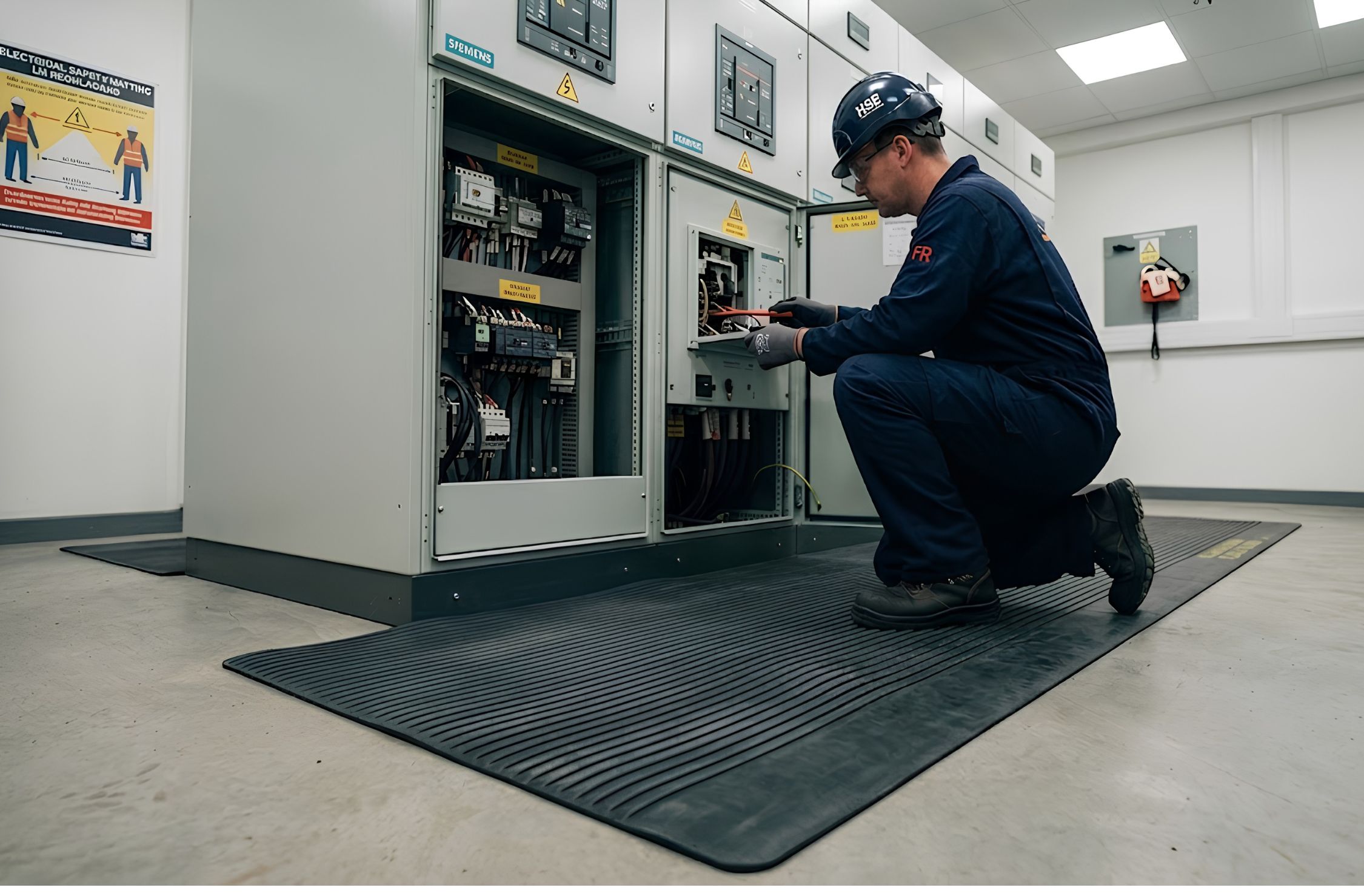
Electric shocks from faulty equipment and live wires can cause fatalities and serious injuries. Around 1,000 workplace accidents involving electric shocks or burns happen every year, according to the Health and Safety Executive.
Faulty electrical equipment in the workplace must be switched off and repaired by a qualified electrician.
Commercial kitchens and industrial sites should have electrical equipment tested every six months, while other items, such as IT equipment, must be inspected annually.
-
Fire
Workplace fires are a major cause of injuries and fatalities, as well as destroying business premises. They are often caused by poorly maintained electrical equipment.
In 2022/23, firefighters attended more than 10,000 fires in UK workplaces, with the majority being industrial sites.
Unfortunately, there were 284 fire-related deaths at work in the year ending June 2023 – an increase from 271 the previous year.
To minimise the risks, well-maintained fire extinguishers should be easily accessible at various locations. Staff working in high-risk environments should wear fire-retardant PPE and flammable materials must be handled in compliance with the law.
All electrical equipment must be properly maintained to further reduce the risks.
-
Confined spaces
Confined spaces can create hot and uncomfortable conditions for employees.
Unless relevant safety precautions are taken, this can lead to reduced oxygen levels, loss of consciousness and asphyxiation if noxious fumes, grain, dust or contaminants are present.
Employers should restrict working in confined spaces as much as possible, employing stringent safety measures if it is unavoidable.
Only those properly trained to work in a confined space should be permitted to enter. If working procedures can be altered to avoid having to do so, businesses are advised to make the necessary changes.
-
Physical
Physical injuries such as cuts, sprains or breaks and manual handling injuries often occur in cluttered work environments and on uneven surfaces. Although these tend to be the least dangerous in terms of the severity of injuries, disabled or older employees are at a greater risk.
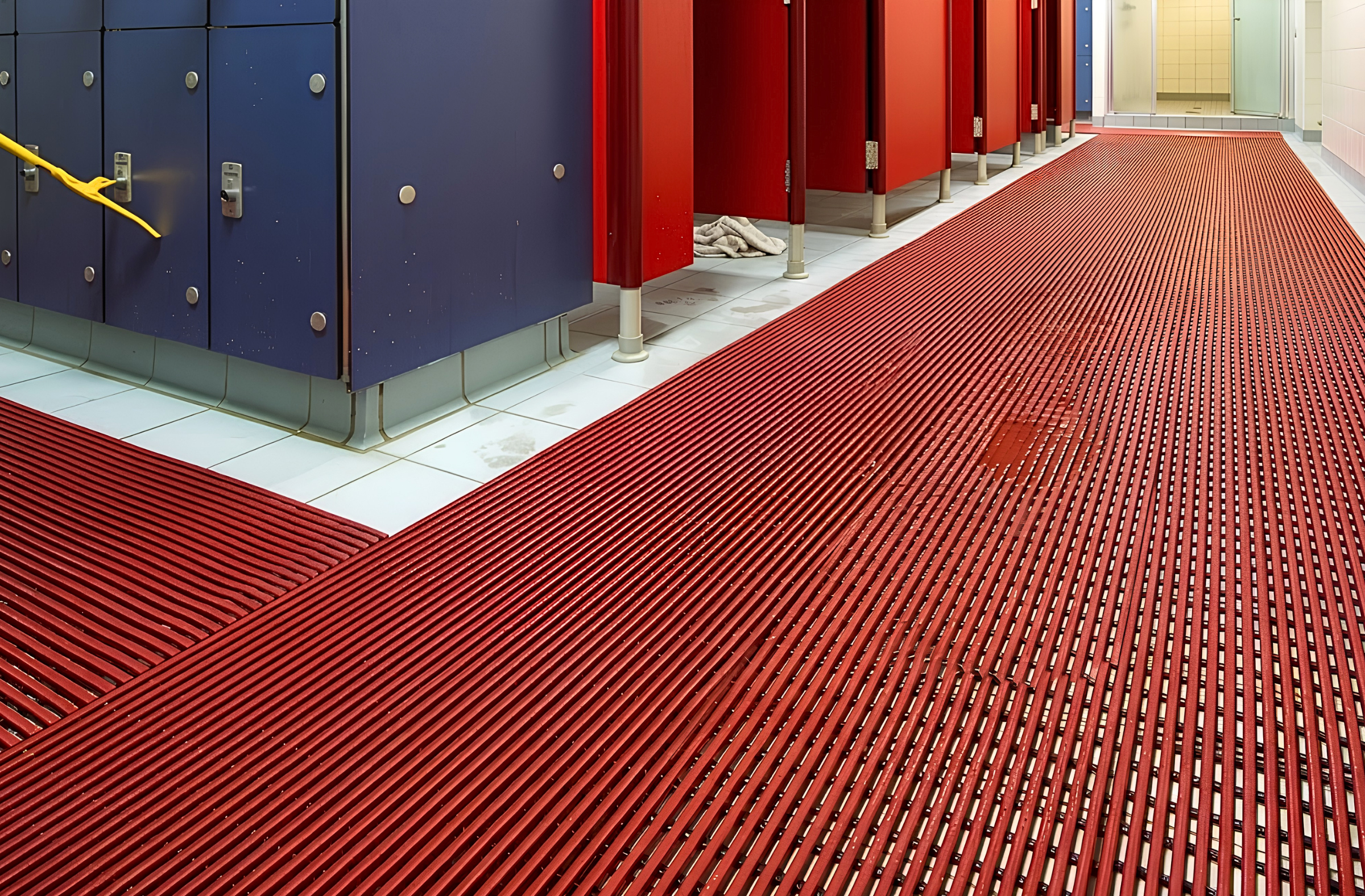
Employers must encourage staff to be well-organised, removing clutter from their workspace. Spills should be cleaned up promptly, lighting must be adequate and loose cables shouldn’t be left snaking across the floor.
-
Ergonomic
General body fatigue, sprains and wear and tear can increase over time if repetitive tasks require employees to sit or stand with awkward posture. The result can be chronically painful conditions requiring treatments such as physiotherapy. As well as impacting physical health, these health issues can adversely impact morale, as workers will associate their job with pain and discomfort.
Employers can help by establishing ergonomic principles as the company ethos, including training employees on the correct posture to alleviate pain and strains.
Providing ergonomic tools, including adjustable chairs and rubber matting for staff standing up for long periods, can help. Anti-fatigue mats can alleviate health issues such as swollen legs, sore feet, muscular fatigue, varicose veins and lower back pain.
-
Chemical
Chemical injuries can include burns, irritated skin and potentially serious eye problems.
Accounting for 4% of all workplace burns, chemical burns are caused by badly managed industrial products, such as solvents and cleaning fluids. Exposure to petrol can cause irritated, dry and cracked skin, burns, eczema and dermatitis.
Employers must permit only trained and authorised employees to work with hazardous chemicals while wearing the appropriate PPE.
Chemicals should be stored only in designated areas accessible by authorised personnel and disposed of properly. Equipment that emits chemical fumes must be stringently maintained.
-
Biological
Biological injuries can be caused by environments where personnel are subjected to bacteria, viruses, bodily fluids and insect bites. Since the Covid-19 pandemic of 2020, employers have become more aware of the risks.
Businesses should make sure workers are up to date with the relevant immunisations. The workplace should be cleaned and disinfected properly, with all biological waste and biohazards disposed of safely and legally.
-
Noise
Hearing impairment can happen when employees are continually exposed to loud noise in the workplace over prolonged periods.
Research published by the British Safety Council suggests 25% of UK construction workers suffer a hearing impairment due to excess noise exposure.
Employers should provide protection to minimise the risks in any hazardous environment including building sites, factories, airports and amusement parks.
Understanding how to prevent hazards in the workplace will not only protect employee wellbeing, but it will also ensure your business adheres to strict healthy and safety legislation.