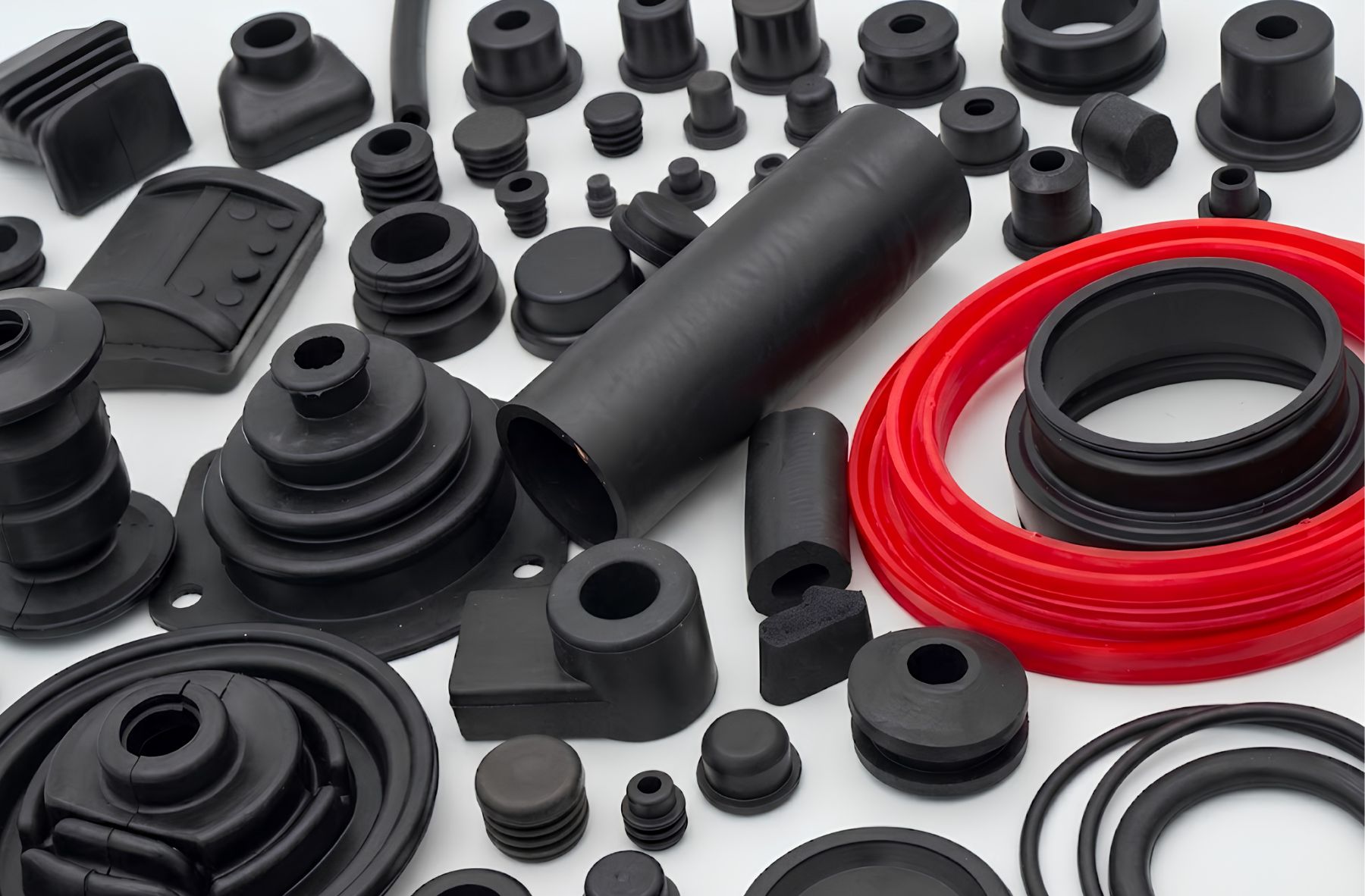
While it is now fairly well recognised that businesses of all shapes and sizes should be taking better responsibility for their sustainability, recycling remains a tricky task across several industries due to the variances in materials and the availability of facilities to manage them. One such material is rubber, but there remain many ‘pros’ to the proper management of its recycling.

© Sorin Vidis / Shutterstock
How is rubber recycled?
There are around 25 different types of commonly used rubber, and while most are fairly easily recycled, the process may vary, so it’s imperative that this is checked with your recycling facility before any action is taken. Typically, rubber is cleaned and treated chemically before being made into a smaller, more manageable size. This is achieved through the use of a granulator which transforms the rubber into a crumb to be re-used elsewhere.
What can recycled rubber be used for?
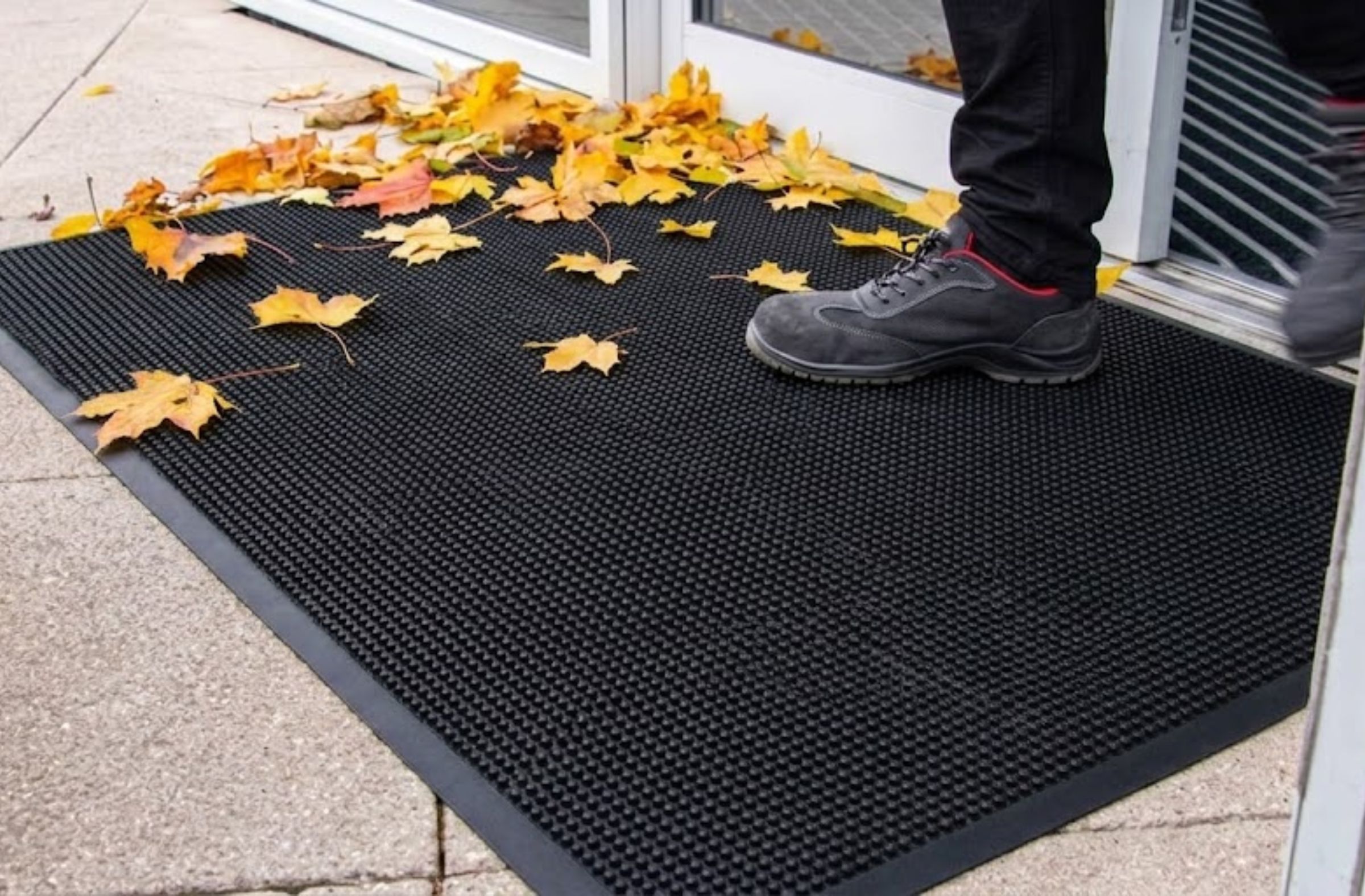
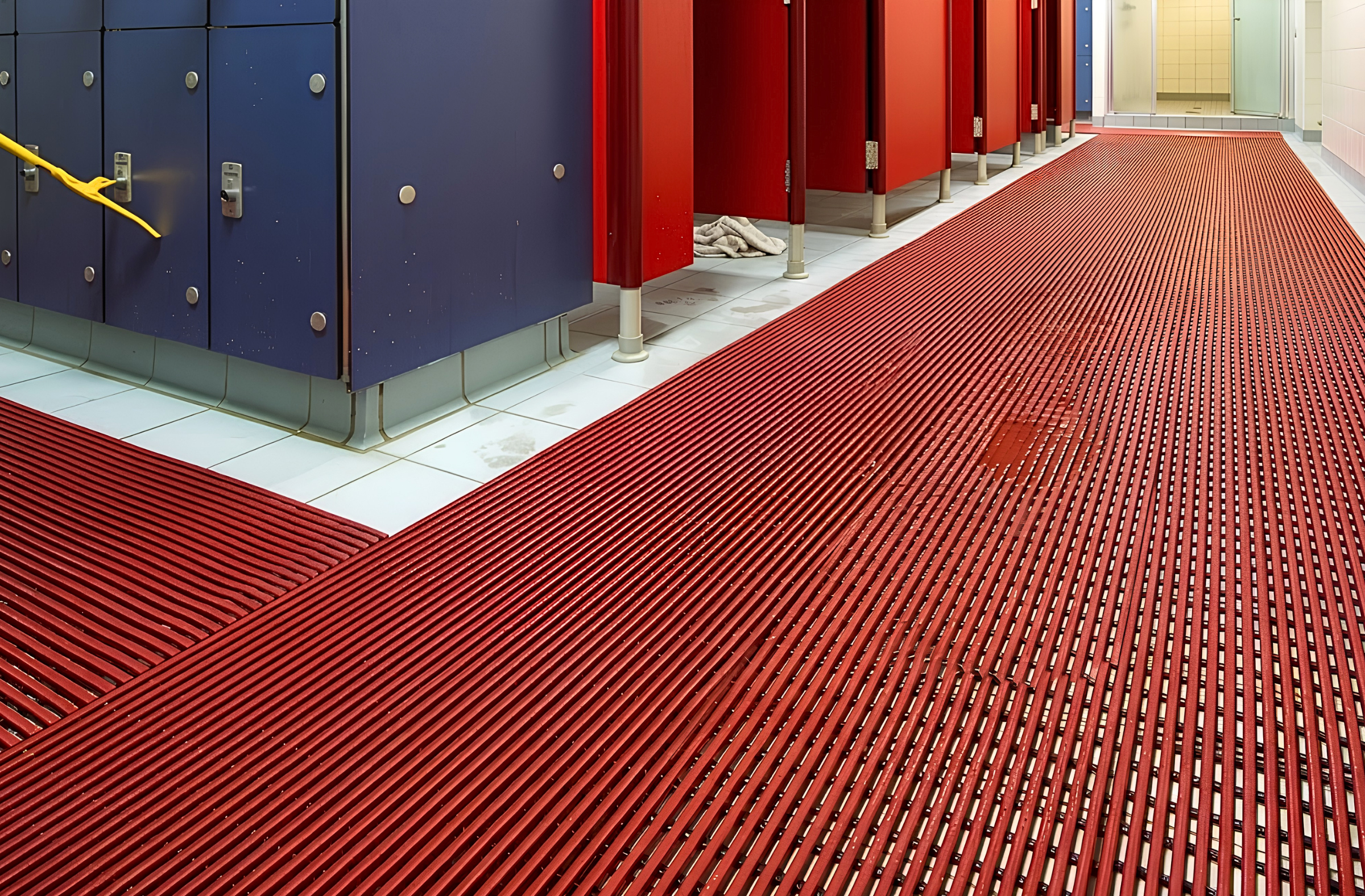
The recycled ‘crumbed’ rubber can be used for many things including astroturf, playground surfacing, non-slip matting, the interior decoration of vehicles and hospital flooring. Textured rubber crumb is easily recognised in children’s play areas and agricultural facilities but it can also be processed to become smoother.
What are the pros and cons?
Indeed, there are many benefits to the recycling of rubber: not least that its alternative uses are easy to manufacture and prevalent in many industries.
Recycling rather than disposal of rubber encourages reduced levels of waste and illegal material dumping, while managing the demand for overconsumption of the natural resources used to create new rubber. What’s more, recycling facilities are a good source of environmentally focused and friendly jobs.
However, it must be considered that recycling rubber is not always quite as easy as popping it in a recycling bin and letting others take care of the process. It is critical that businesses choose to work with only efficient and eco-focused facilities; otherwise, they risk processing their recycling through a site that can emit more harmful substances than it reduces – negating the benefits.
While generally presenting fantastic value for money, it’s worth noting that the quality (and in particular durability) of recycled rubber products can vary hugely: largely because of the recycling processes still being fairly early on in terms of development in many areas. As demand generally remains low for recycled rubber products worldwide, there is a lack of investment and ‘push’ for advancements to be made in these processes, so only focused dedicated specialist providers are making decent progress in the field.
Why choose quality?
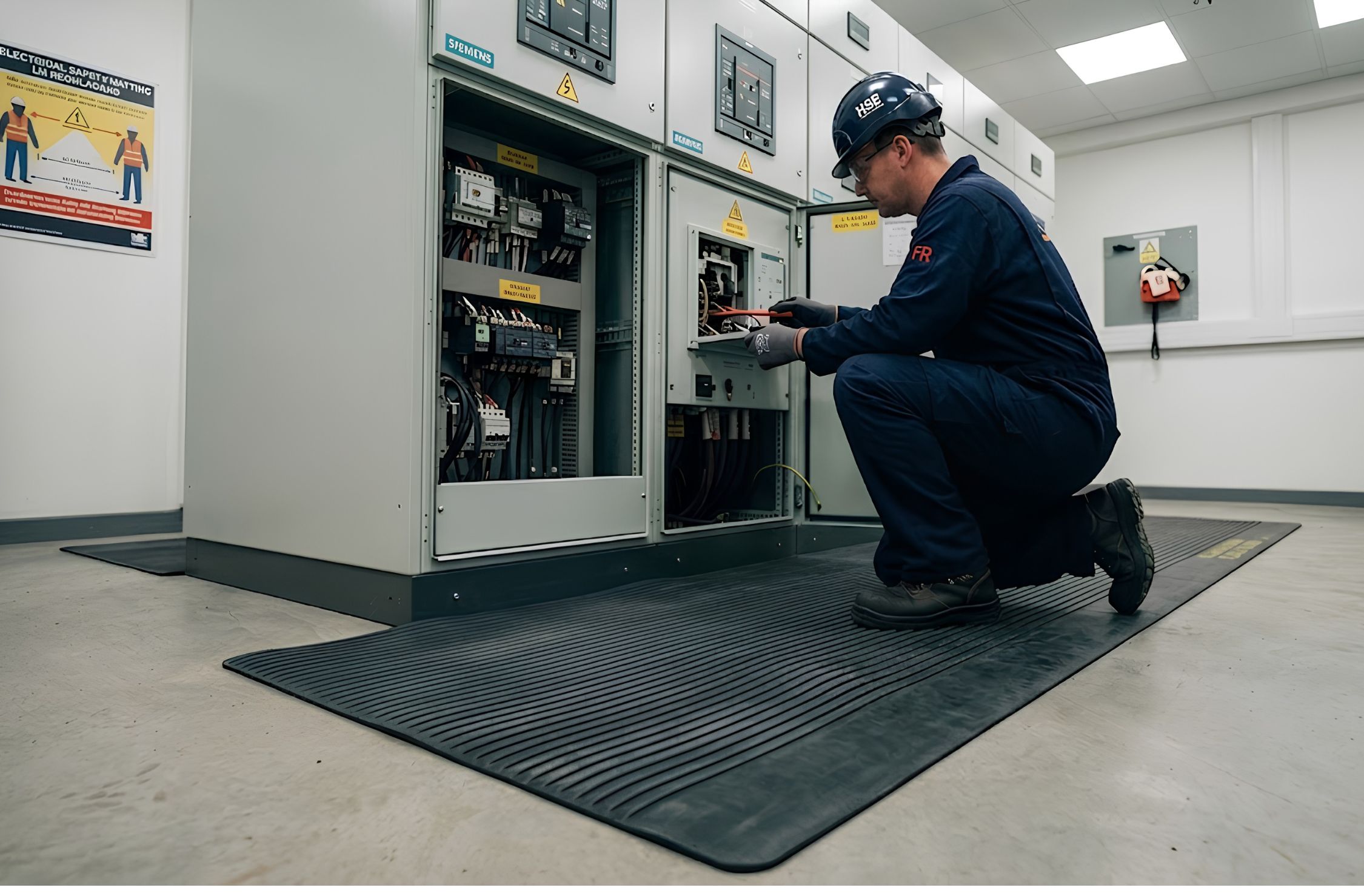
There are high quality recycled rubber products out there if businesses are able to identify a specialist stockist. Coruba has built up a reputation as of the UK’s most trusted suppliers of electrical safety, equine, anti-fatigue and other anti-slip safety mattings – we know a thing or two about great quality, ethically sourced products and recycling excellence! No matter your specialism, get in touch and speak to our team to see how we can meet your needs.