Known to be a high-risk sector due to the number of potentially dangerous situations workers face while simply doing their job, the manufacturing industry can be both physically and mentally draining for employees, who carry out potentially hazardous tasks daily.

© BritCats Studio / Shutterstock
According to the Health and Safety Executive, around 92,000 manufacturing workers suffer from ill health related to their jobs, with 40% being musculoskeletal problems.
Workplace wellness isn’t just about physical health issues, as 40% of employees in the sector also suffer from stress, anxiety and depression.
Main workplace hazards
One of the main causes of injuries and fatalities is slips, trips and falls, which can be due to many factors such as trailing cables, poor lighting, overreaching, lack of training, wet floors, uneven surfaces, loading docks, elevated platforms and falling debris.
Using heavy equipment with moving parts such as pulleys, belts and rollers causes sparks, dust and flying particles that can cause eye injuries. Workers also suffer burns, crushed limbs and fatal accidents when using machinery.
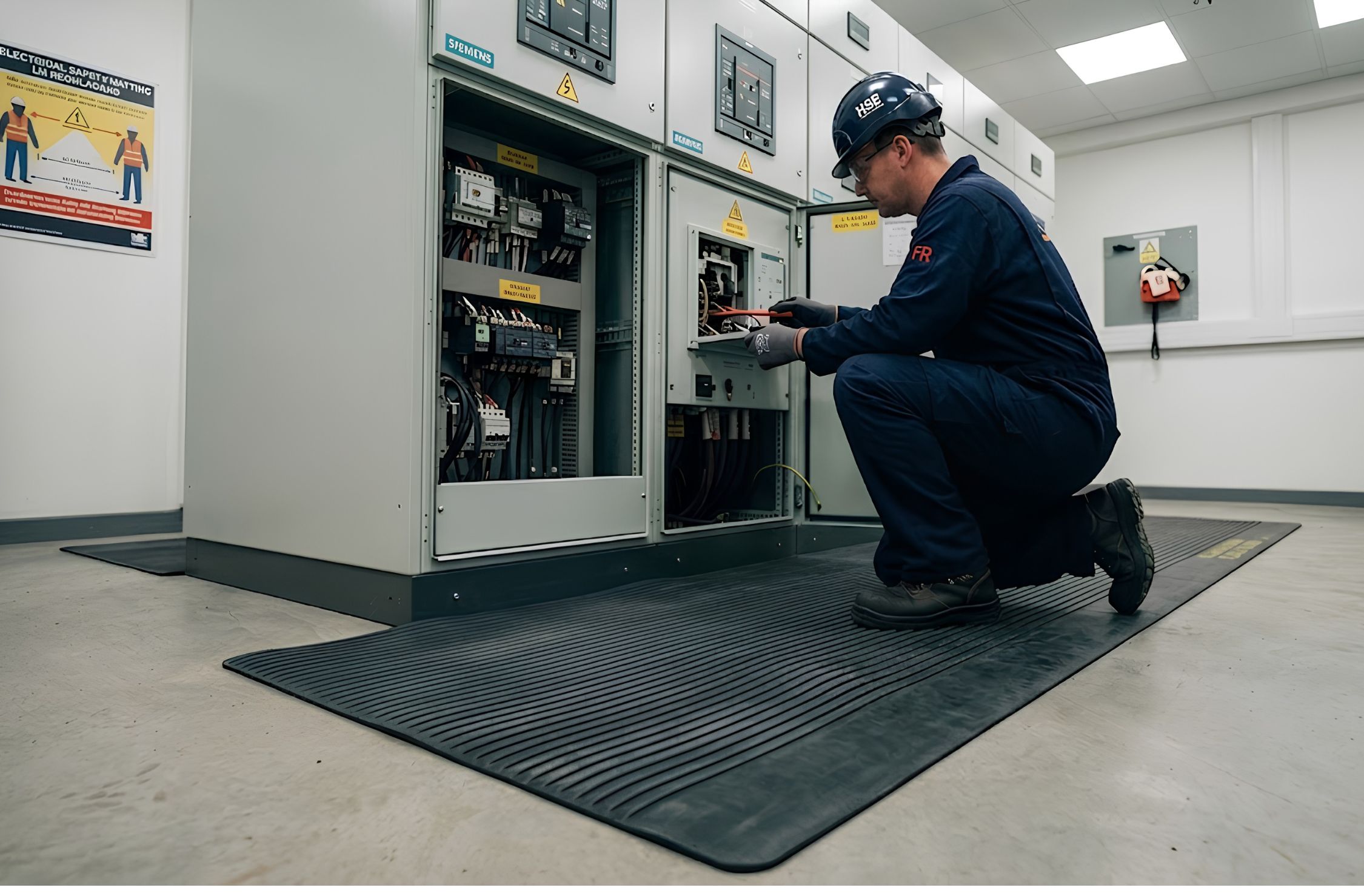
Damaged or exposed electrical wiring, poorly installed power sources, overheating due to overloaded sockets and incorrect PAT safety testing can cause electric shocks, burns, falls and fatal electrocution.
The manufacturing industry also has its fair share of fire hazards, often due to using flammable gases and materials, or sparks from welding.
Data from the HSE reveals that employees of small manufacturing companies are more than twice as likely to suffer a fatal accident in the workplace as their counterparts in big businesses.
Loud machinery can cause hearing loss, and some equipment can create vibrations that cause a debilitating medical condition known as hand and arm vibration syndrome.
Sawing, drilling, blasting and banging while using machinery are all hazardous parts of manufacturing processes.
Standing for prolonged periods on a production line or at a workstation brings its own problems like fatigue, swollen and painful legs and long-term back pain.
The common types of general health issues caused by workplace practices can include sleep disturbance, headaches, fatigue, stress, high blood pressure, tinnitus and more.
Workplace accidents
Manufacturing is the third most hazardous industry in the UK, according to recent data, behind only construction and agriculture. There were 15 fatalities in the manufacturing sector in the past year, according to data published by Statista on 5th December 2023.
In addition, around 54,000 workers suffered injuries, with more than 25% of these resulting in being absent from work for more than seven days.
Manufacturing employs 2.5 million workers in Britain and has an output of more than £180 billion. According to the HSE, falls from height is the main cause of fatal workplace accidents across all sectors.
In the UK, the HSE is aiming to influence company behaviour to reduce risks of accidents, including targeting those with the worst health and safety records, with its Protecting People and Places strategy, which was launched last year.
How to stay healthy at work
The health and safety hazards of manufacturing are well documented, but employers can play a large role in minimising the risks.
Identifying the potential hazards is the first thing an employer should do by carrying out risk assessments to improve overall safety standards and prevent accidents from occurring. Looking after employee health, safety and wellbeing, both physical and mental, is vital. It not only protects people’s lives and keeps employers on the right side of the law, but it also helps employees to stay healthy and happy at work.
No business can continue to operate efficiently if employees are taking sick leave due to issues in the working environment. Wellness can increase productivity levels, as a happy workforce performs better in general.
The onus is on employers to follow all safety procedures laid down by law to keep employees safe and minimise the risk of accidents. They must also ensure workers have the correct safety equipment, such as PPE and earplugs, to help prevent industrial accidents and diseases.
Rubber matting
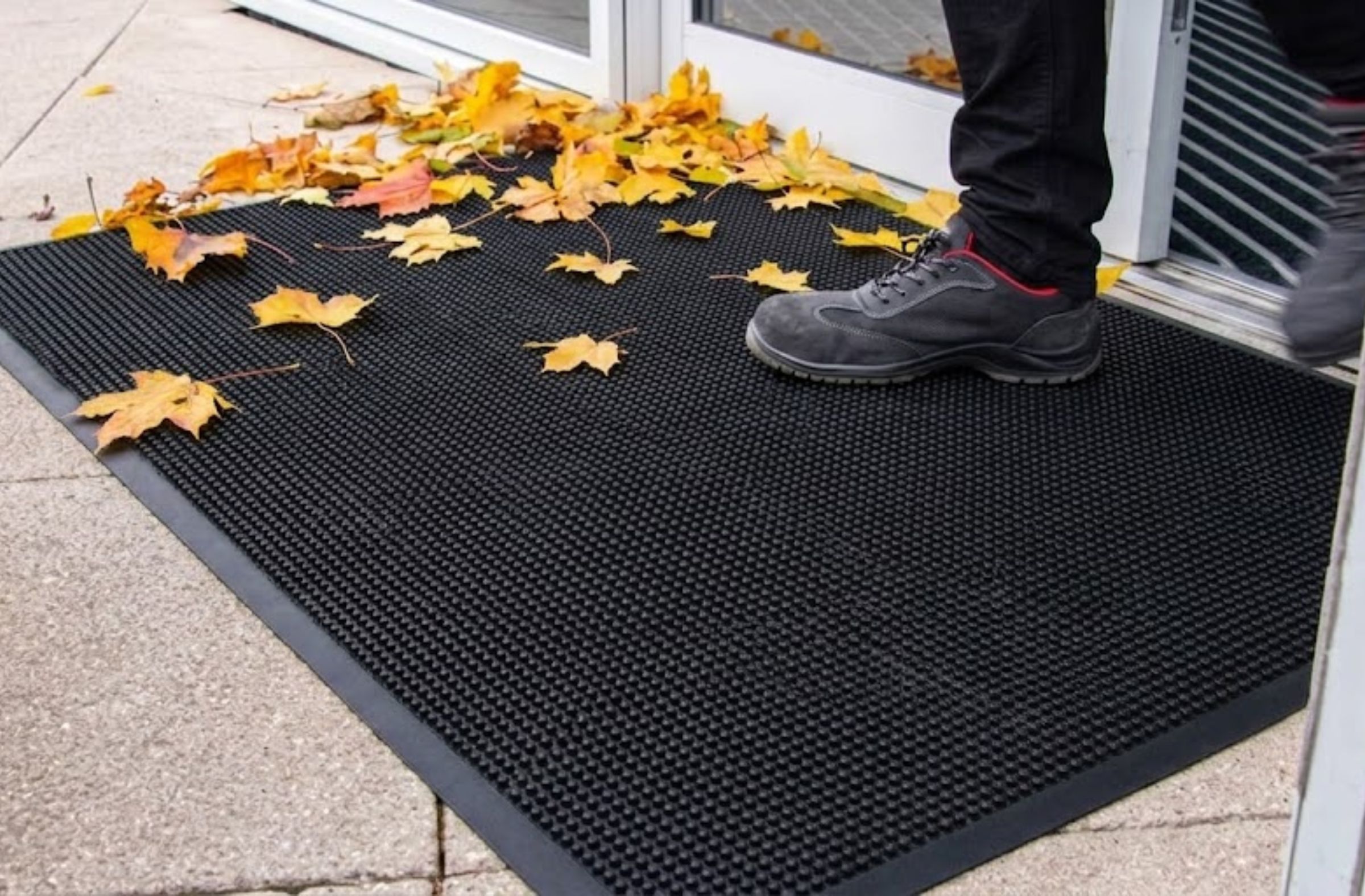
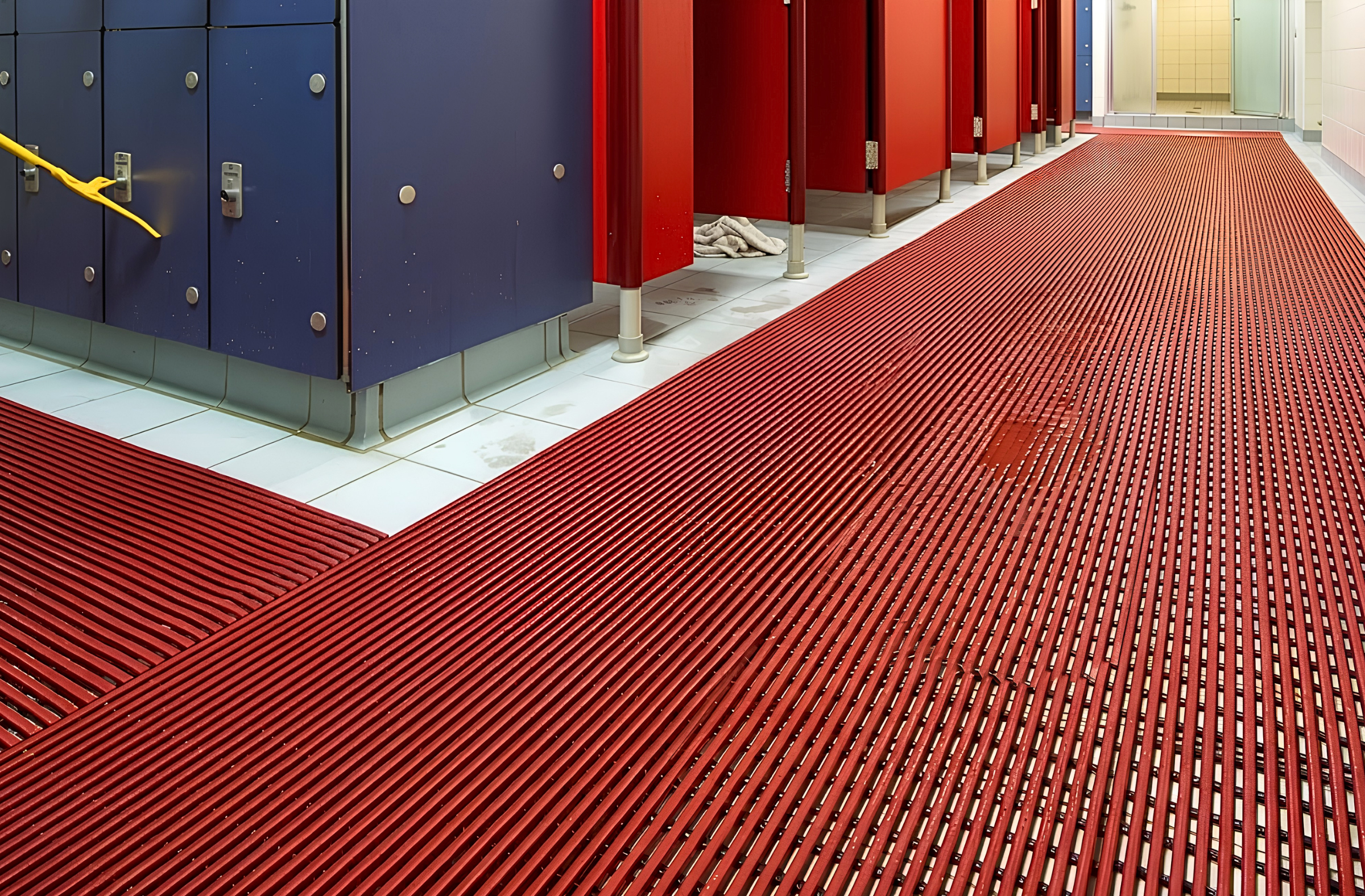
Workers will feel more satisfied with their job if the employer has taken all the necessary precautions to protect their safety. For example, in wet areas, where tripping or slipping is a hazard, or if the floor surface is uneven, rubber matting can help prevent accidents.
It’s important to avoid burnout at work, particularly for those employees in tough jobs that involve standing most of the day. The health problems caused at a manufacturing plant can impact their wellbeing into the future and not just while at work. Swelling of the legs, varicose veins, sore feet, general muscular fatigue, stiff shoulders and neck and permanent damage to the body tissues can all result from prolonged standing.
Research suggests that by providing anti-fatigue matting for workers who are on their feet all day, you can improve their wellbeing. With remarkable ergonomic and cushioning properties that can reduce pressure on the feet and minimise pains in the feet, knees, back and neck, they help to alleviate aches and pains, promote better blood circulation and reduce the risks of slips, trips and falls.