Nitrile is widely used in various industries, particularly in the aerospace and automotive sectors. This is because it has many advantages over other materials, including being abrasion, tear, water and oil resistant.
Nitrile rubber applications are many and varied, because it is highly versatile. Also known as NBR or Buna-N, it is the industrial seals sector’s most economical and commonly used elastomer.

© mineral-vision / Shutterstock
What is Nitrile rubber?
A synthetic rubber copolymer, made of butadiene and acrylonitrile, Nitrile was first developed in the 1930s. During World War II, it was widely used as a substitute for natural rubber, as supplies were limited.
In the post-war years, it has become a popular choice for many different applications, due to its unique properties. It has high tensile strength, good abrasion resistance and excellent oil and chemical resistance.
The wide Nitrile temperature range is also a huge advantage, as it remains effective at temperatures of between -40°C and 108°C. The chemical composition and physical properties of Nitrile make it an ideal choice for multiple applications across various industries.
What is Nitrile rubber used for?
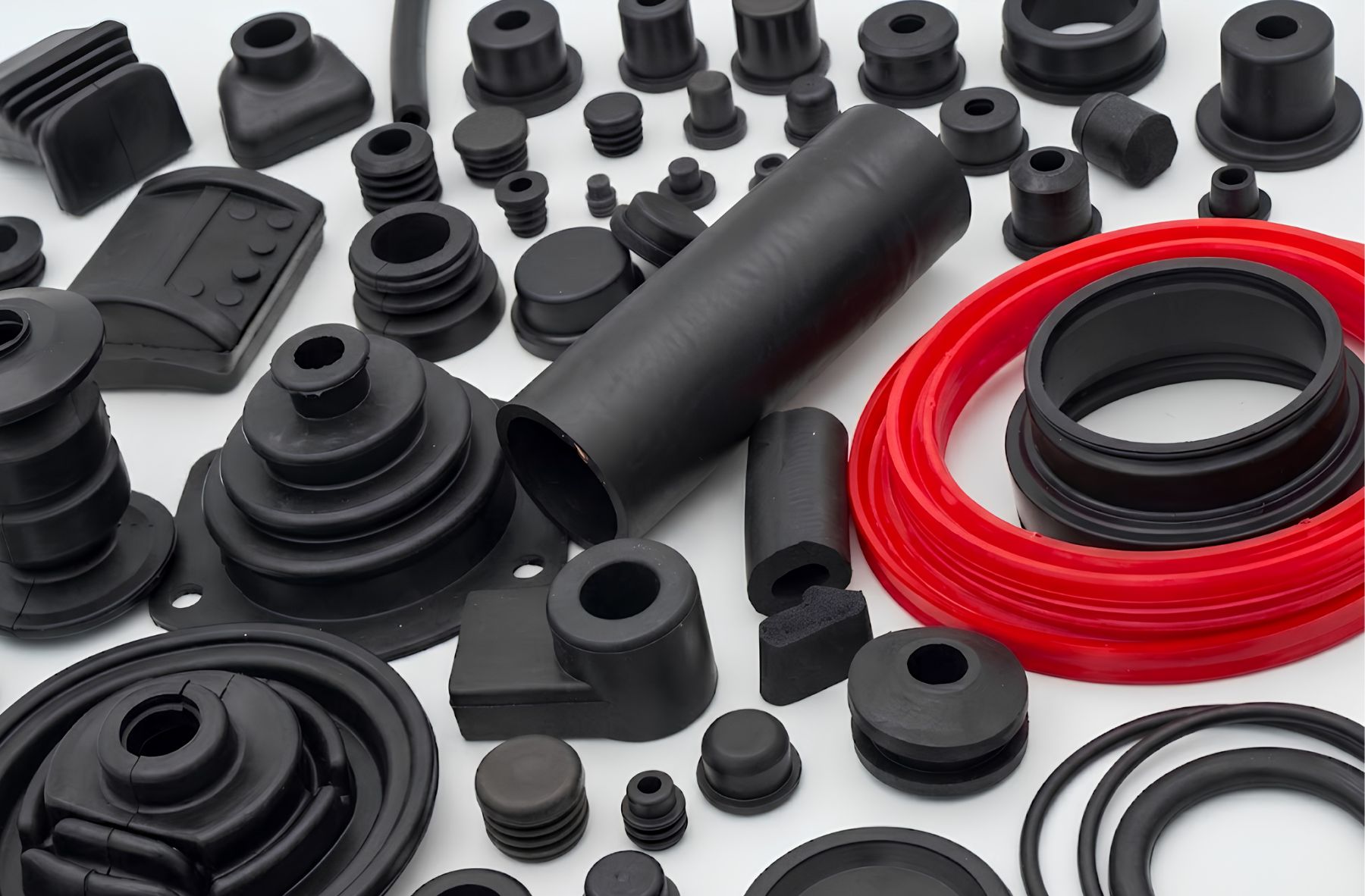
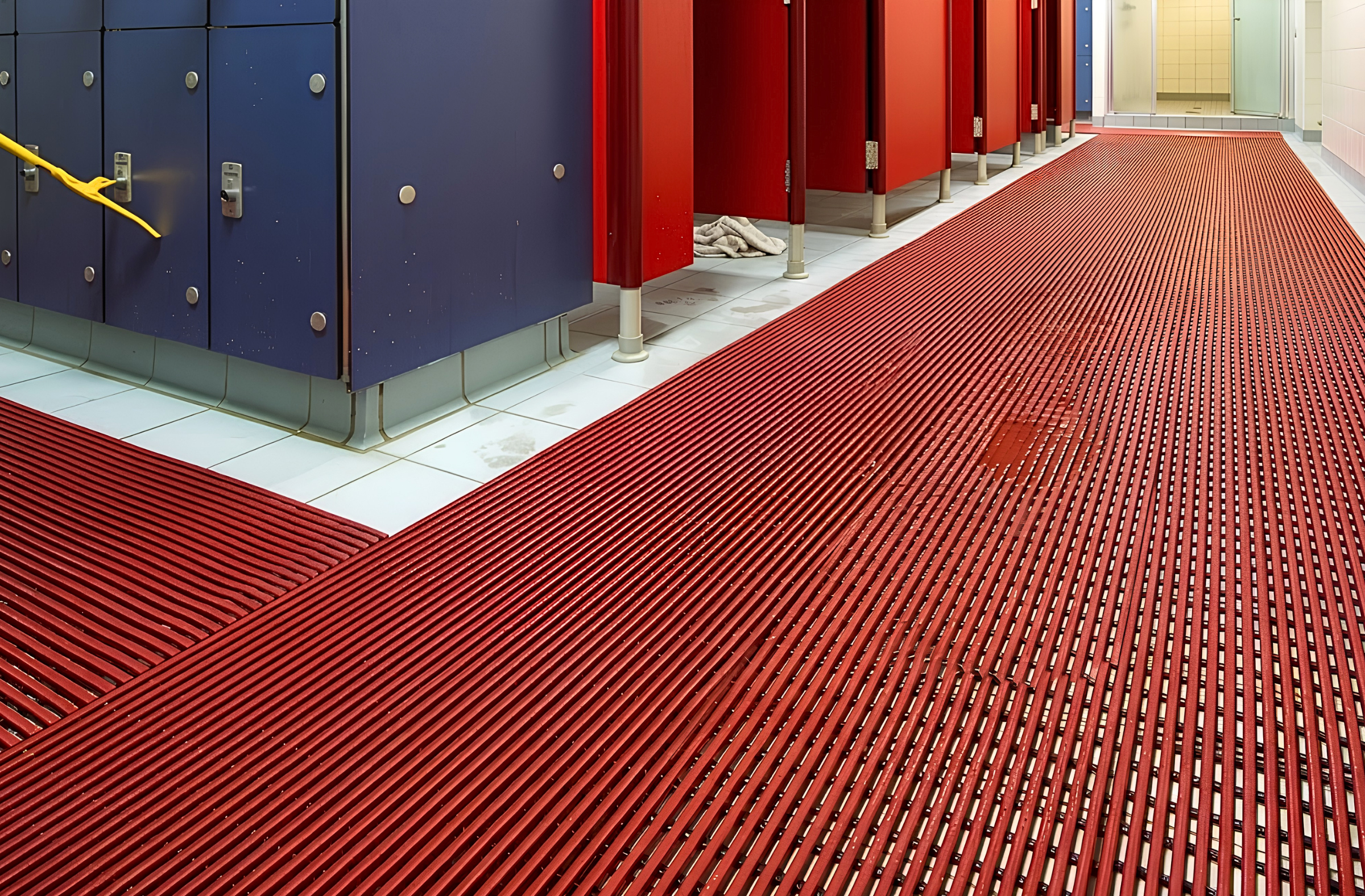
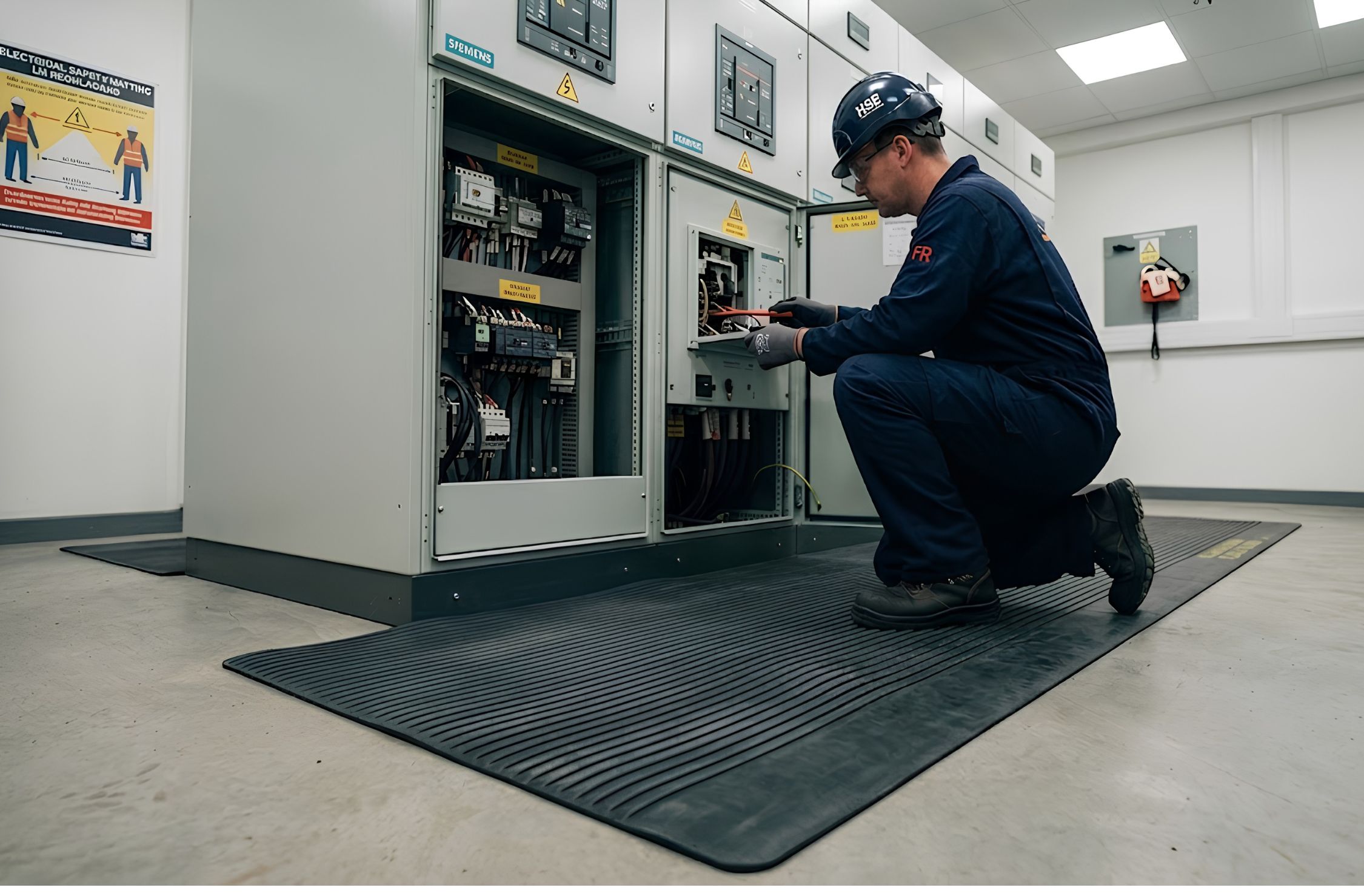
As well as automotive and aerospace industry use, Nitrile also produces various moulded goods, rubber gaskets, floor mats, rubber sheeting, footwear, expanded foams, sealants, adhesives and sponges.
It can be used to make automotive transmission belts, disposable non-latex gloves, hoses, oil seals, O-rings, gaskets, static and dynamic hydraulic seals, V belts, synthetic leather, cable jacketing and printer’s form rollers.
It is suitable for general purpose applications, including environments where resistance is required to petroleum oils, aliphatic hydrocarbons, water and hydraulic fluids.
Nitrile rubber properties and chemical composition
The Nitrile structure dictates what the rubber can be used for. The percentage of acrylonitrile can vary from 18% to 50%, with the remaining material being butadiene. The greater the percentage of acrylonitrile in the chemical composition, the better the rubber’s oil resistance.
Nitrile rubber containing 50% acrylonitrile is commonly used for applications that require the highest levels of oil resistance.
It also provides excellent tensile strength, temperature resistance and elasticity. Nitrile’s tensile strength ranges from 3.5 MPa to 21 MPa. Also highly elastic, it has an elongation at break of up to 700%.
The high percentage of acrylonitrile in its chemical composition provides excellent oil resistant properties. Its abrasion resistance makes it ideal for use in industries where the rubber is subject to harsh environments and general wear and tear, including conveyor belts and industrial hoses.
Its shock reduction and anti-vibration properties enable it to absorb shock and vibration to reduce the stress placed on other components.
Nitrile rubber also has a low compression set. This means it maintains its shape following prolonged compression. This is why it’s a common choice for gasket and sealing applications.
Is Nitrile latex free?
Nitrile is widely used in the healthcare and other sectors for people who are concerned about the risks of latex allergies. Natural rubber latex is a type of latex produced by dispersing and suspending small particles of natural rubber in water.
The material’s counterpart, made with Nitrile, does not contain natural rubber latex. It is produced by dispersing and suspending particles of Nitrile butadiene rubber in water. This makes it an ideal choice for people with latex allergies.
Because Nitrile rubber is resistant to abrasion, it offers excellent durability and can be manufactured with a thinner profile than natural rubber latex products. This makes it suitable for Nitrile rubber gloves to provide protection, even with a very thin profile.
Nitrile vs Latex
In general terms, Nitrile is a stronger, more durable rubber compared with latex, but latex is often a cheaper option for applications that don’t require strong resistance to chemicals, abrasions and water.
Choosing Nitrile or latex largely depends on what task or job you’re planning. In addition, people who are at risk of latex allergies prefer Nitrile rubber, thanks to its synthetic polymer composition, which does not contain plant-based proteins.
What are the different types of Nitrile rubber?
There are various types of Nitrile rubber for different specific applications. Commercial grade Nitrile is a general-purpose rubber that provides resistance to fuels, oils and chemicals.
It offers good elongation, tensile strength and abrasion resistance. It is also resistant to most hydraulic fluids and water, making it suitable for automotive uses, such as gaskets.
Nitrile rubber that complies with British Standard BS2751 is a higher-quality material. It meets the specifications for oil-resistance for rubber sheeting. Widely used in the gas and oil industry, as well as in food manufacturing and processing, it provides excellent tensile strength and resistance to tearing and abrasions.
Fuel Grade Nitrile rubber, a specialist material, is used specifically in the oil and fuel industries. With excellent resistance to oils, fuels and other chemicals in fuel systems, it also has good elongation properties and tensile strength. It is commonly used in seals and fuel hoses.
Nitrile Nylon Insertion Diaphragm Rubber is suitable for industries where LPG, CNG, water, mineral oils and compressed air are present. It is commonly used for seals, diaphragms and gaskets in the oil, gas, chemical and food processing sectors.
Finally, PVC/Nitrile closed-cell sponge rubber offers a unique set of properties, making it ideal for use in thermal, sealing and noise applications.
Nitrile rubber in general is a cost-effective material, providing numerous benefits and efficient solutions for many industrial applications. Its durability and versatility make it a popular choice for manufacturers seeking high quality solutions at a price that won’t break the bank.