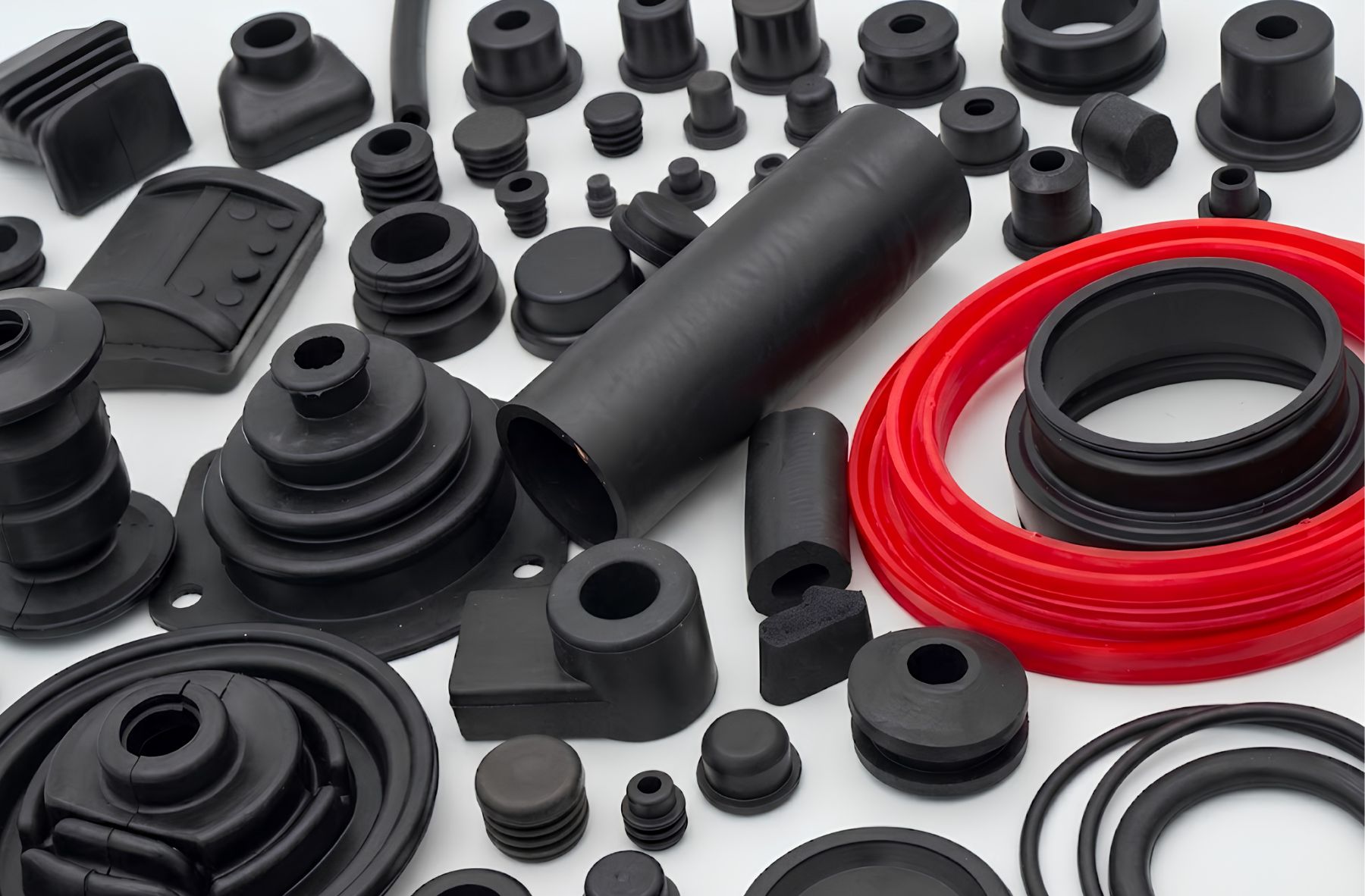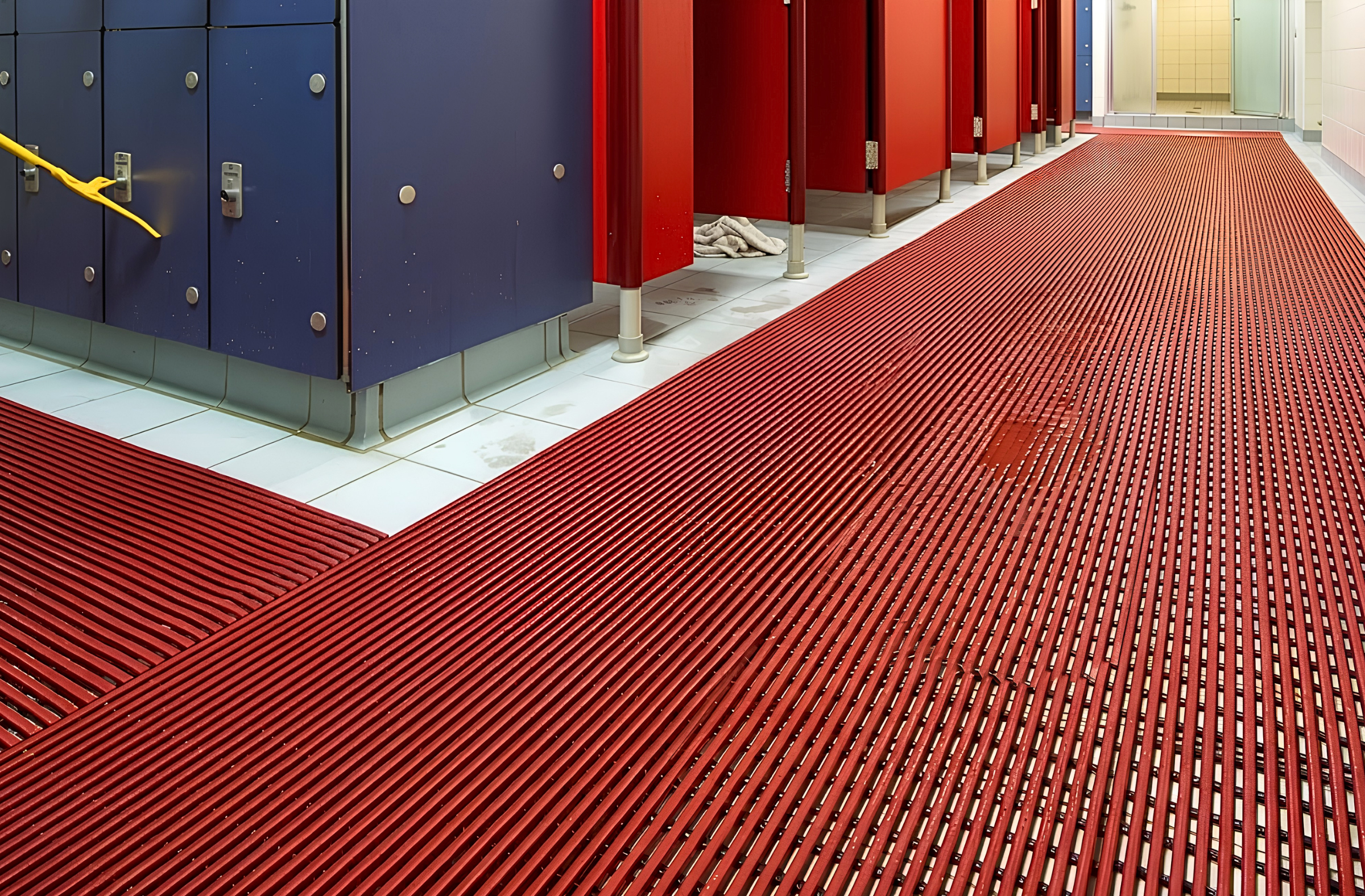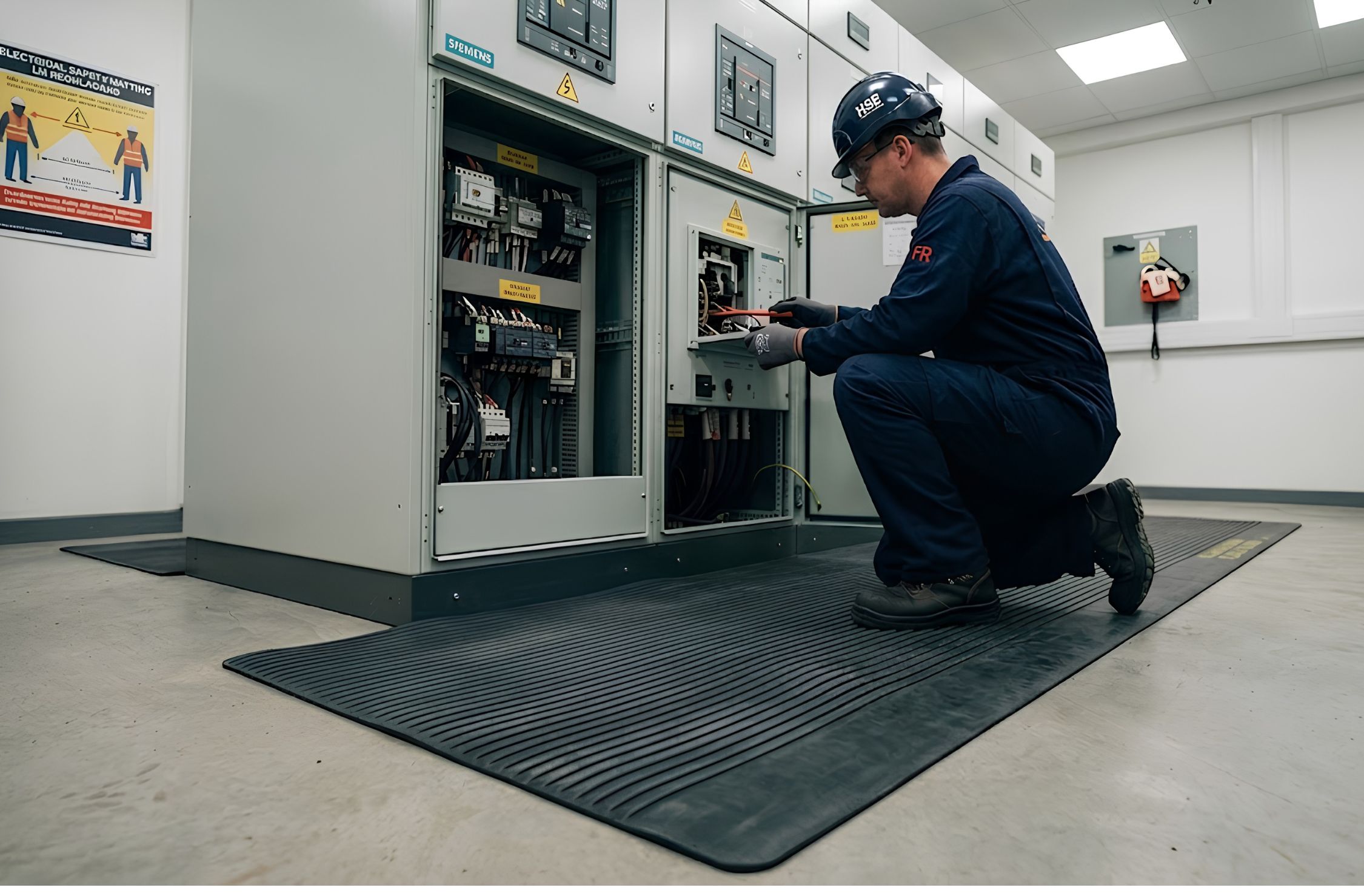
Rubber gasket tolerances refer to the allowable dimensional variations in a part, accounting for factors such as inherent differences in materials and manufacturing processes. Understanding the tolerances is important to ensure proper sealing, interchangeability of components and overall product reliability.
© Maksakov Sergey / Shutterstock
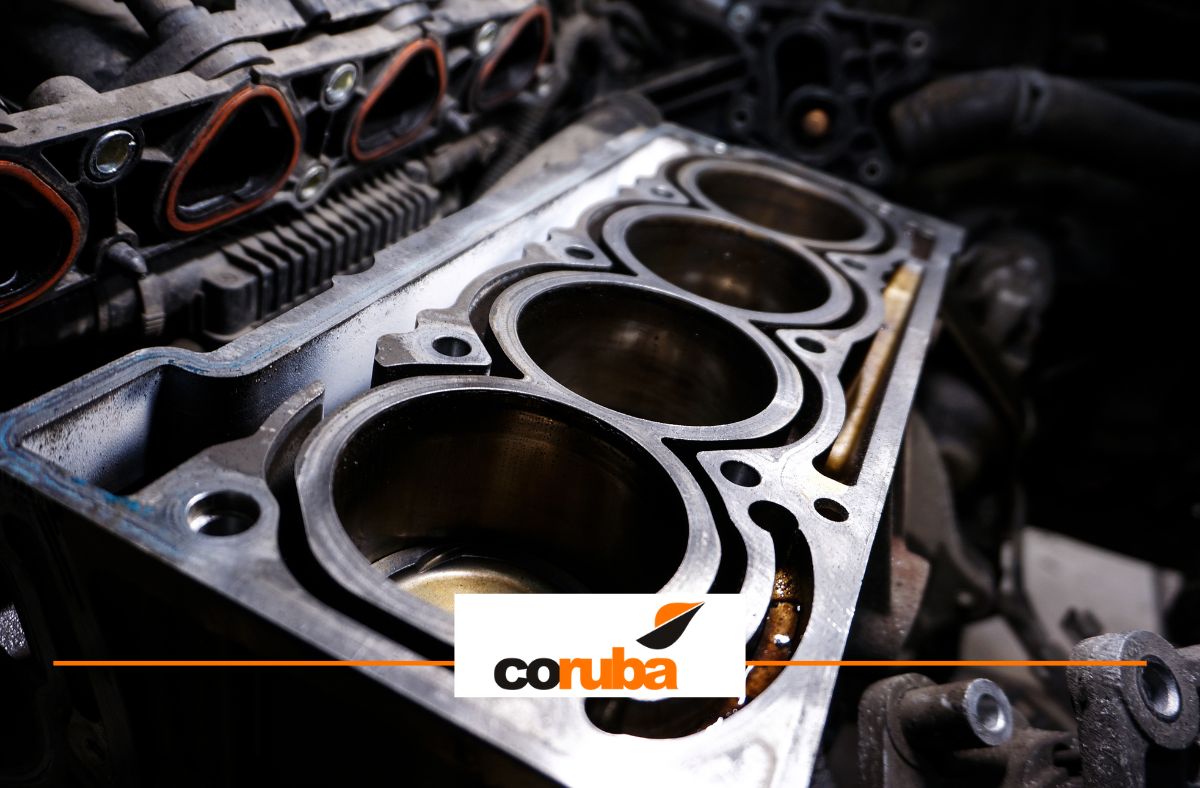
In the automotive industry, this is crucial in the design stage, where engineers and designers must ensure consistency in production to prevent head gasket failures in a vehicle engine.
Working with flexible, soft and elastic materials has its own challenges, with the seal itself being a weak point. The tolerances of rubber gaskets are wider than materials such as glass, metals and composites, as rubber has many properties that other materials simply can’t match. It can displace and distort into every space you need to seal, while retaining its density and volume at the same time.
Why does understanding tolerances matter?
Specifying accurate automotive gasket tolerances within manufacturing and assembly will guarantee the gasket will fit and function as intended. Rubber gaskets and seals are standardised and managed so automotive engineers know they’re working within the acceptable limits of variation in the dimensions, ensuring safety and longevity. This might include thickness, width, compression, and fit dimensions.
As rubber is a compressible and often non-rigid material, it isn’t practical to achieve the same rigid tolerances seen in plastic or metal components in most applications. Automotive gaskets are required to fit their components without excessive compression or looseness; maintain sealing integrity under heat, pressure and movement; and meet the performance and safety requirements of the system.
If they are too loose, the gasket may not seal properly, leading to leaks or system failures. If they’re too tight or inconsistently produced, the parts might increase costs and delays during assembly. The most common causes of tolerance variation in rubber gasket manufacturing include material shrinkage, temperature fluctuations, mould wear, and curing inconsistencies. This is why it’s crucial to get it right to ensure the project’s success moving forward.
How are rubber gasket tolerances typically measured?
Rubber gasket tolerances are typically measured by determining the acceptable variation in dimensions like width, height, thickness and bolt hole placement. The tolerances are commonly expressed as a range of values, using “+” and “minus” notations to indicate the permissible deviation. Generally, gaskets are expected to have a tolerance of +0.5mm, which can seem to be a large margin of error.
In order to work, the gasket must be softer than the flanges and must be elastic and resilient, allowing the rubber to be displaced, rather than compressed, between the surfaces. It’s vital to get this right, as related issues impact the vehicle assembly process, with gaskets that are out of spec causing delays, reworking, or even part rejection.
Where are rubber gaskets most pivotal?
Rubber gaskets are critical engine components for heat and fluid sealing; for door seals for NVH and weatherproofing; and underbody for debris protection. NVH automotive testing means checking for Noise, Vibration and Harshness, which is aimed at reducing unwanted noise and vibrations in vehicles. This is a critical aspect of design and engineering, directly impacting the driving experience and overall comfort.
When drivers and passengers in a vehicle perceive NVH issues, it can ruin their whole experience. It is a complex issue, involving various sources of noise and vibrations, including those from the engine and tyres and those caused by the wind. Reducing NVH is a key factor in vehicle production and relies on using rubber gaskets with the correct tolerances. Using the appropriate types of high-quality rubber is critical to ensure motor vehicle engines will last for as long as possible.
Why choose Coruba for rubber gaskets?
We offer a large range of automotive rubber products made from the highest quality compounds. Our rubber gaskets and seals are second to none, as we have more than four decades’ experience in the sector. Established in 1981, we are one of the UK’s leading producers of bespoke rubber gaskets.
We’re able to utilise a variety of production methods at our purpose built 11,000 square ft manufacturing facility to ensure clients’ rubber gaskets are produced to the highest quality. Offering an extensive range of materials, we can work with you to ensure the correct type of rubber is selected for your intended use.
Information is available on our rubber compounds list and chemical compatibility/resistance chart, or you can contact us to discuss your requirements and we will talk you through the most appropriate options. You can complete the bespoke gasket form on the individual material’s page, and attach technical drawings if required, or email/call us to chat about your project.
We use silicone rubber for automotive sealing and protection, as rubber seals for cars need the combined properties of strength, resistance and durability. The components must also be able to withstand heat, making silicone the ideal solution.
Our rubber sheeting is suitable for use in cars and other motor vehicles, caravans and marine vehicles. It can be cut into bespoke gaskets, designed to your individual specifications.
We also provide rubber sheeting and extrusions made from high-quality EPDM, including car boot profiles and door seals, that are resistant to temperature changes and the weather.
Coruba’s capabilities in supplying both standard profiles and custom gaskets ensure they will consistently meet the demanding specifications of the automotive sector.