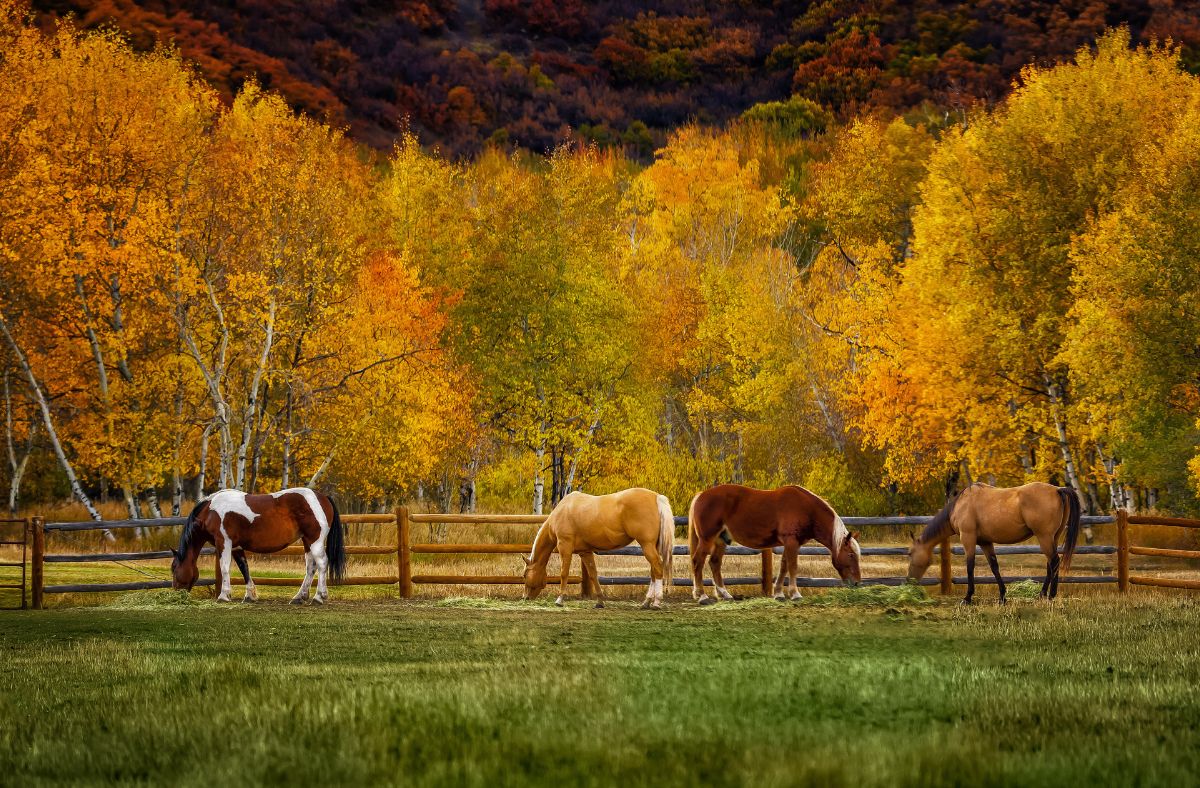
As the leaves begin to fade into autumnal colours and a chill creeps into the early morning air, we naturally prepare ourselves for the season ahead. However, for horses, the changing of seasons (and particularly the transition into autumn) can be a time of physiological and emotional upheaval. Shorter daylight hours, cooler nights, changes in forage quality and shifting routines can all combine to create restlessness, boredom and stress.
© jdross75 / Shutterstock
From recognising subtle behavioural cues that indicate anxiety to supplying stable matting for horses to ensure they’re comfortable and warm, there are many ways to support our equine companions at this time of year.
Why horses become restless in autumn
Unlike humans, horses are incredibly sensitive to environmental changes. As creatures of habit, even slight shifts in their routine can throw them off balance. Autumn brings a dramatic reduction in daylight, which impacts not only visibility and training schedules, but also their internal clock – commonly referred to as the circadian rhythm.
The inconsistency of weather during autumn doesn’t help, as warm, sunny days can quickly turn to cold, damp nights. This fluctuation can lead to behavioural changes, especially when paired with changes in management practices like reduced turnout or less exercise. Competition season often winds down, meaning high-performance horses are ridden less frequently. Add to that the reduction in grazing hours due to shorter days, and you have a horse that may feel confined, under stimulated and confused.
Recognising stress and anxiety in horses
Just like people, horses express their discomfort in many ways. You might notice pacing along the fence line, pawing at the stable floor, increased cribbing, or general irritability. These are all classic signs of anxiety in horses. Some become spooked easily, or more reactive than usual, which owners often attribute to “autumn energy” or even the sight of falling leaves. It can also be a sign that your horse is struggling with internal changes.
One major contributor is hormonal fluctuation. During autumn, ACTH (adrenocorticotropic hormone) naturally increases. This surge can be more pronounced in older horses, or those predisposed to Cushing’s disease. Elevated ACTH can trigger insulin spikes, making autumn a particularly risky time for laminitis prone horses.
It’s worth noting that digestive upsets are also common during this period. The autumn flush of grass, while seemingly benign, can cause sudden sugar spikes, again increasing laminitis risks. Changes in hay type as new season hay is introduced can also upset the delicate balance of gut flora, which in turn can affect mood, comfort and behaviour.
Managing diet and digestive changes
The equine digestive system is notoriously sensitive, and autumn is one of the key times when vigilance is crucial. Try to make all dietary changes slowly, whether it’s introducing new hay or reducing grass exposure. Horses with metabolic conditions or a tendency to gain weight should have their pasture time monitored closely. Even healthy horses can be affected by sugar-rich grass, so staying informed is vital.
The stress of adjusting to colder temperatures, reduced grazing and thicker coats places additional demands on the horse’s liver and kidneys. These organs may benefit from gentle support, such as the inclusion of milk thistle or other liver friendly herbs in their diet, although you should always consult your vet or equine nutritionist before introducing supplements.
Keeping your horse comfortable with stable matting
As horses spend more time in their stables during autumn, the physical environment becomes even more important. A cold, hard floor can exacerbate stiffness, particularly in older horses or those recovering from injury or laminitis.
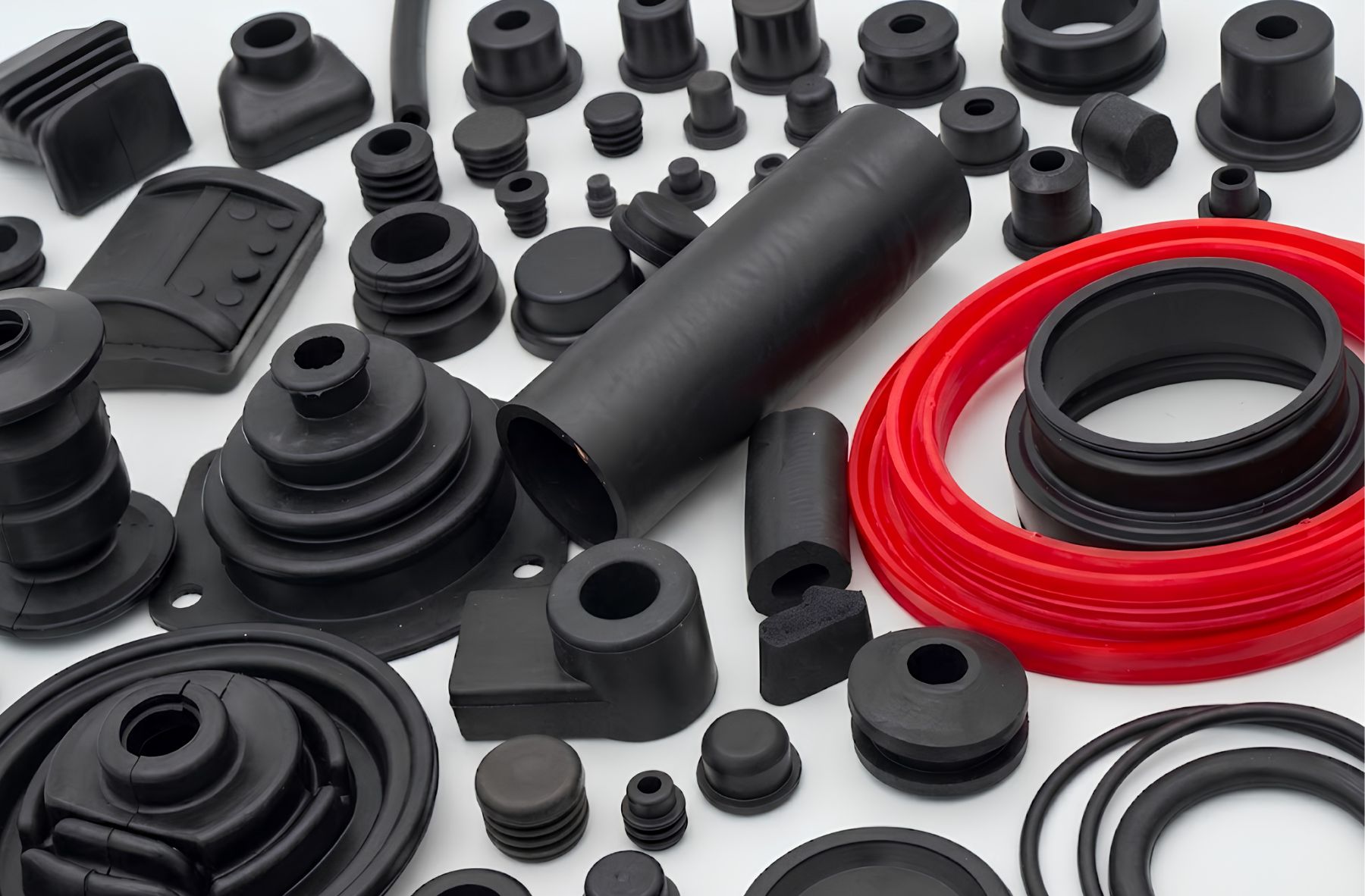
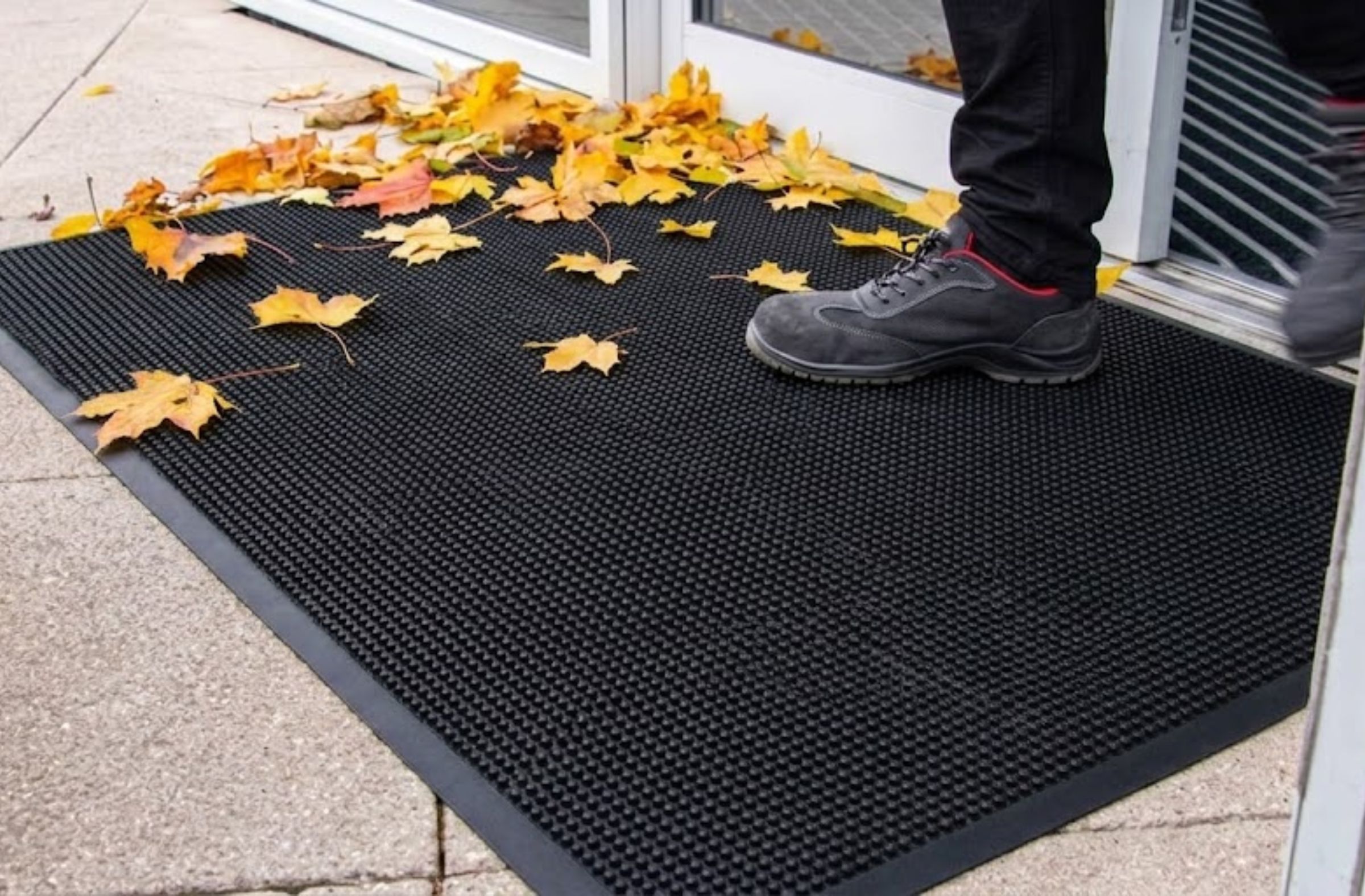
High-quality stable matting plays a crucial role in horse care providing insulation, cushioning and comfort, helping to protect joints and hooves from the hardness of concrete floors, especially as the temperature drops. Our range of EVA and heavy-duty rubber stable mats suit various needs. Lightweight, linkable mats, available in 24mm or 34mm thicknesses, are perfect for creating a soft, insulated base, which keeps your horse warm and reduces the need for traditional bedding by as much as 80%. Over time, this can save on bedding costs, while improving stable hygiene and drainage.
If you’re after durability and ease of maintenance, Coruba’s amoebic bark-moulded mats and reversible hammered rubber mats are both excellent choices. Providing non-slip surfaces, excellent insulation and resistance to movement, they ensure your horse remains stable and secure, even during energetic moments or when lying down.
Mental wellbeing matters
As exercise time may decrease during autumn, keeping your horse mentally stimulated is as important as physical comfort. Horses are highly intelligent animals that thrive on routine, but they also require activities to prevent boredom. Just as we might feel cooped up when the weather turns, so too can your horse.
Stable enrichment can include anything from hanging treat balls and toys to hiding small amounts of feed around the stable for natural foraging behaviour. If riding is limited due to poor weather or early darkness, consider short groundwork sessions or even in-hand walks to provide both physical movement and mental stimulation.
A consistent routine in terms of feeding times, turnout schedules and grooming can help in reducing stress. Horses feel safer when their world is predictable. However, this doesn’t mean you shouldn’t adapt to seasonal needs. The goal is to strike a balance between routine consistency and necessary seasonal adaptation. For instance, adjusting turnout timing while keeping feeding times the same can help ease transitions without disorienting your horse.
Massage: an overlooked tool in autumn horse care
Massage can be a game changer if you’re looking into how to reduce stress in horses. It can help you manage weather-related stiffness and behavioural changes. Not only does it improve circulation and reduce muscle tension, but it also supports detoxification. This is especially helpful in aiding the liver and kidneys to process new forage and environmental toxins.
Massage stimulates the release of serotonin and dopamine, which are natural feel good chemicals that help horses relax during times of high internal or external stress. Horses recovering from laminitis, or those who are standing indoors for longer periods, may develop tightness in their thoracic-lumbar region or hindquarters. A well timed massage can ease this discomfort and help restore range of motion. However, always remember, if a horse is showing signs of pain, consult your vet before beginning any massage therapy. In some cases, medical clearance could be necessary.
Every horse is different, and what works for one may not suit another. However, by being observant and proactive, you can support your horse through the seasonal shift into autumn with minimal stress and maximum comfort.