The mornings are colder, the evenings grow dark earlier and winter has taken a firm hold of the UK, bringing a new wave of challenges for factory environments: looking after your business and workforce during the chilly months ahead is crucial. The season introduces hazards that can affect both interiors and exteriors of industrial sites, so managing manufacturing health and safety is top priority.
From dealing with slippery walkways to combating cold stress, preparation is the best method of prevention. When you’re responsible for keeping the workplace ticking over efficiently, consider the top five winter safety risks and take steps to mitigate potential issues.

© SORN340 Studio Images / Shutterstock
-
Slips, trips and falls
Slips, trips, and falls are significantly more common during winter due to rain, ice, condensation and freeze-thaw cycles. Around 190,000 non-fatal workplace injuries in the UK were caused by slips and trips in 2024, with some 10,000 resulting in more than seven days off work. There’s a notable increase in winter, with approximately 3,000 people being admitted to hospital from slips and falls in wet or icy conditions.
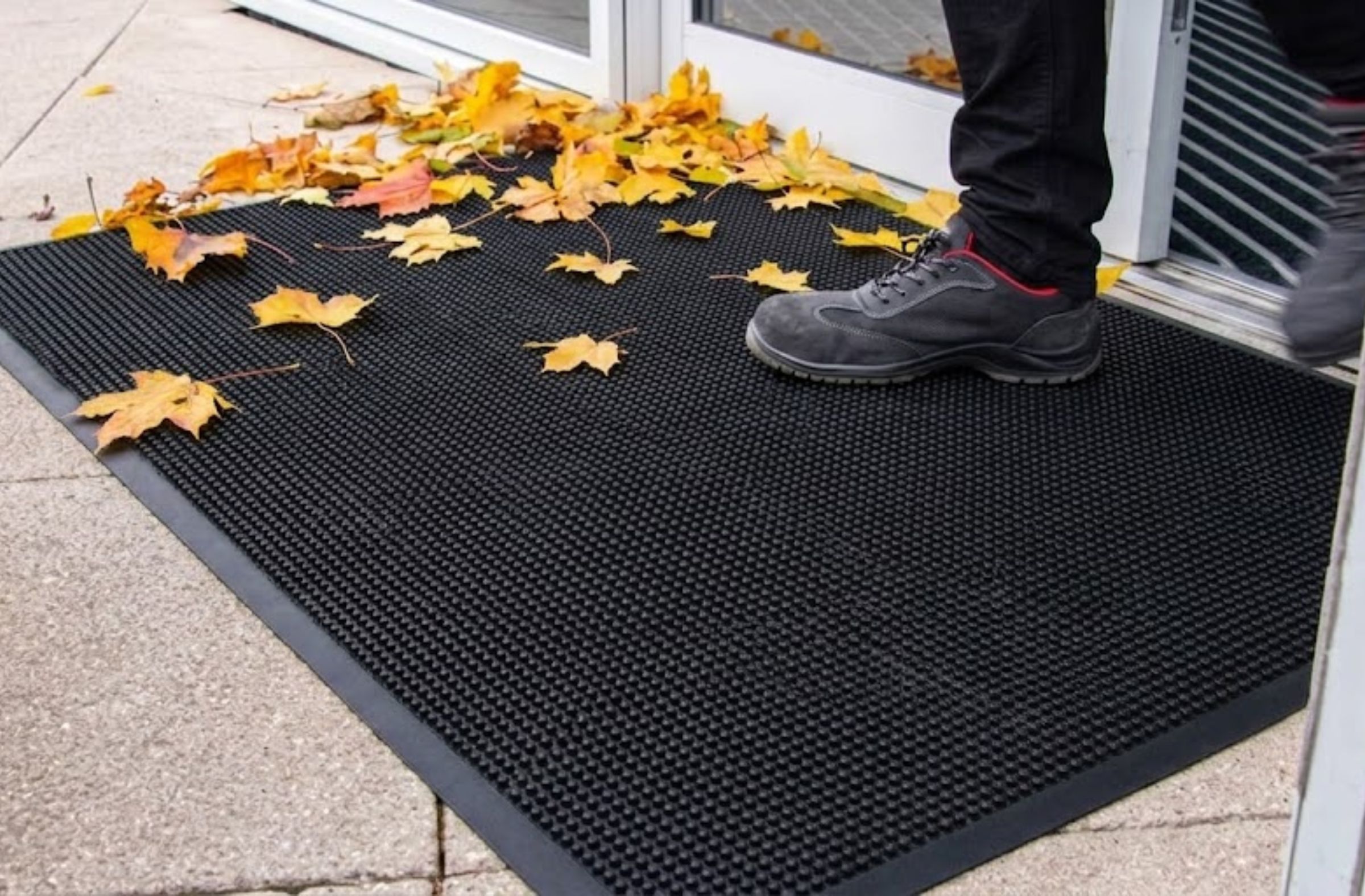
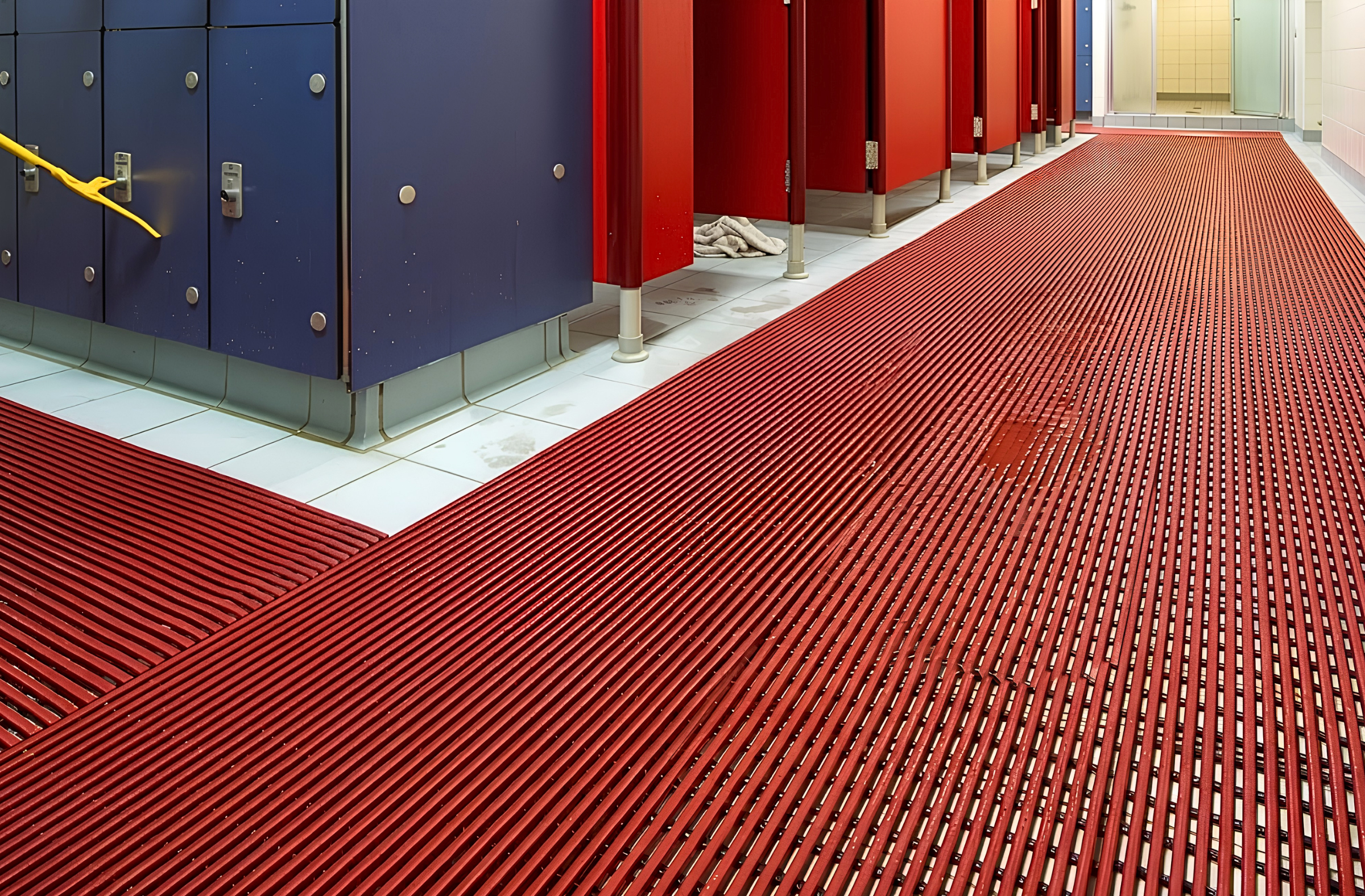
Maintaining walkways is a core part of winter planning. This includes clearing snow, applying de-icing solutions and ensuring drainage is working properly. Protective flooring often has the greatest impact, especially in high-traffic areas – rubber matting is an excellent solution for safe flooring during the winter months. As one of the most cost-effective ways of improving workplace safety, anti-slip matting is designed to help prevent accidents by providing a textured, rough surface to enhance traction.
-
Cold stress in outdoor work areas
The broad term includes conditions such as hypothermia, frostbite and trench foot, which are all serious issues that can result from prolonged exposure to low temperatures, high winds and damp conditions. Outdoor spaces such as loading bays, shipping docks, container areas and storage yards all become high-risk locations in winter. The important question, “What is the minimum temperature you can work in?” is a complex one, as it depends on environmental factors and the nature of the work.
The Health and Safety Executive recommends assessing “thermal comfort”, rather than relying on a specific temperature. Employers should adapt schedules, implement regular breaks and provide access to heated rest areas to reduce exposure. While there’s no legal minimum working temperature in the UK, the HSE’s recommended minimum is 16°C for normal work and 13°C for physically strenuous tasks.
Workers should wear insulated waterproof garments, gloves, hats and thermal layers. Footwear with insulating properties helps maintain warmth and prevent moisture-related health issues. Training staff to recognise the early signs of cold stress enables them to act quickly, preventing conditions from worsening.
Many workplaces also use Safety Management Control Systems to monitor weather conditions and worker exposure. Environmental controls, such as temporary heaters or warm air blowers, can make a major difference. Combining education, monitoring the situation and providing the appropriate gear helps workers remain safe, even in harsh winter environments.
-
Electrical hazards
Electrical hazards increase in winter due to moisture, higher energy demands and equipment strain. Rain, snow and ice can infiltrate outdoor electrical components, while indoor systems may be pushed to their limits by heaters, lighting and seasonal equipment. Cold temperatures can cause cables to become brittle, compromise insulation and increase the likelihood of faults.
Common risks include overloaded circuits, moisture affecting equipment, poor visibility hiding damaged cables and misuse of high-wattage appliances. Workers may also resort to makeshift solutions, such as running heaters on extension leads, which increases the risk of overheating, fires, or electrical shock.
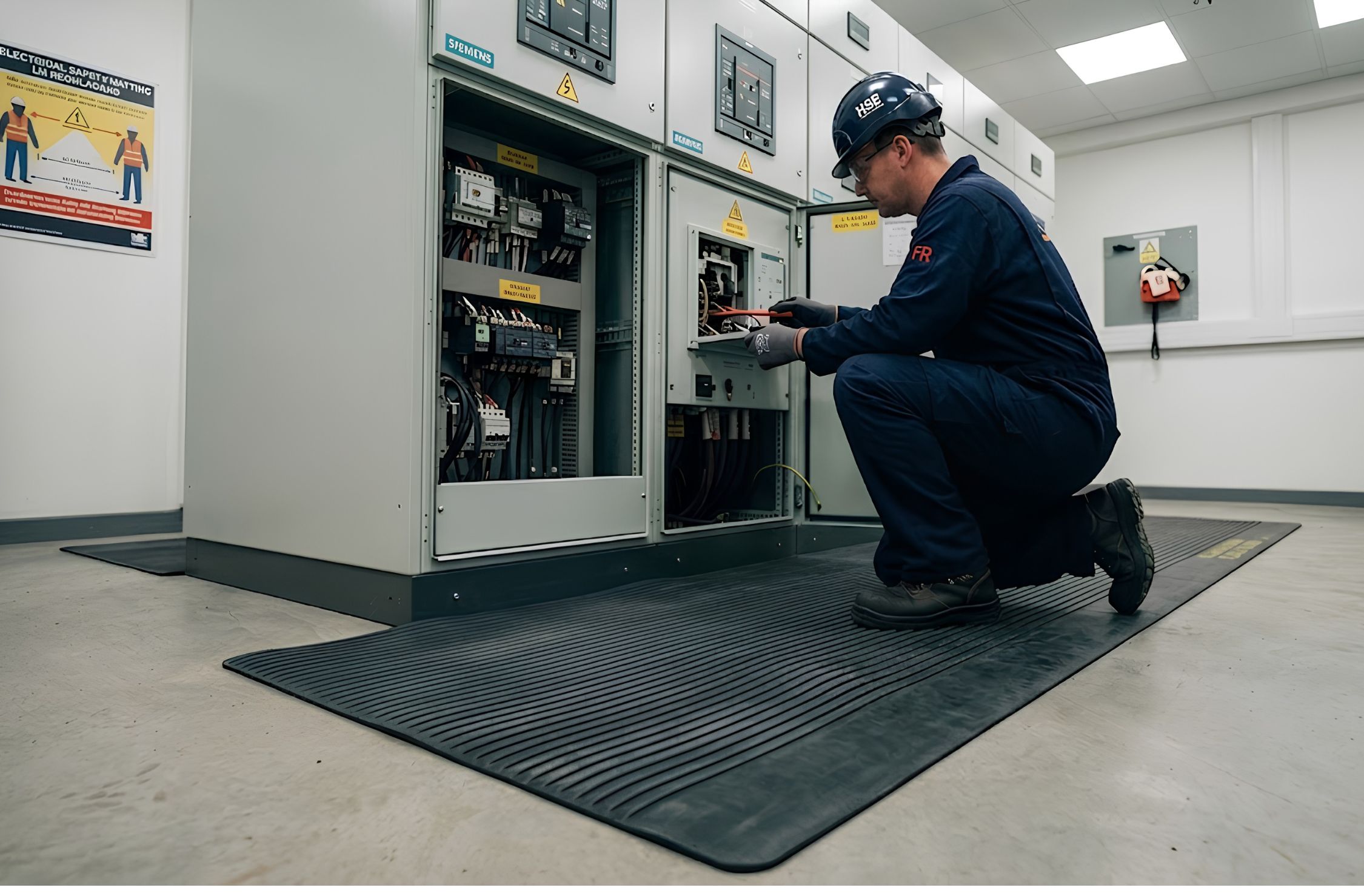
Implementing proper safety protocols is essential. Regular equipment inspections, PAT testing and ensuring moisture-prone areas remain dry can help reduce electrical dangers. One of the most effective ways to protect employees working in the vicinity of live electrical equipment is to install electrical rubber matting.
Rubber’s natural ability to stop or reduce electrical currents makes electrical matting a dependable choice for plant rooms, control rooms, switchboards and any environment where employees handle live equipment. Widely used across high-voltage environments, it prevents shock-related injuries.
-
Vehicle and forklift accidents
Vehicle and forklift operations become more dangerous during winter. Icy surfaces reduce traction, increase stopping distances and make skidding more likely. Outdoor ramps, gradients and loading docks can quickly become hazards when ice forms. Meanwhile, visibility declines due to shorter daylight hours, fog, misting windows and snowfall.
Operators also struggle physically, as lower temperatures cause slow reaction times, and cold hands reduce precision when controlling machinery. Equipment is affected too; batteries lose efficiency, hydraulic fluids thicken and diesel fuel may gel in severe cold. Forklifts can become unpredictable and sluggish, increasing accident risks.
Mitigation starts with preparation. Vehicles should undergo winter maintenance including checks on tyres, braking systems, wipers and lights. Ensuring windscreens and mirrors remain clear helps operators maintain good visibility. Routes should be regularly gritted and walkways cleared of ice.
Training plays a crucial role too. Drivers should be briefed on winter-specific hazards and taught how to anticipate changes in traction or visibility. Slower speed limits, designated pedestrian zones and increased lighting help create a safer operating environment.
-
Poor ventilation and indoor air quality issues
As temperatures drop, many workplaces seal off windows to keep the interior warm. While this helps maintain comfort, it often leads to poor ventilation and a decline in indoor air quality. Factories that run processes emitting fumes, dust, or vapours face even greater risks during winter.
Poor air circulation can cause respiratory issues, headaches, fatigue and long-term health problems. Carbon monoxide poisoning becomes particularly concerning when fuel-burning equipment such as generators, heaters, or vehicles are used indoors, posing life-threatening dangers.
Ventilation systems should be inspected regularly and exhaust systems must function effectively in areas containing fuel-burning equipment. Installing CO detectors is crucial to alert staff to dangerous buildups before symptoms appear.
Employees should be trained to recognise signs of CO poisoning and respond immediately by evacuating the area and seeking medical help. Including indoor air quality checks in routine safety audits helps ensure hidden risks are addressed early.
Getting your business winter-ready
Preparing for the cold months ahead goes beyond managing individual hazards. A comprehensive approach starts with a thorough risk assessment to identify potential issues, both inside and outside the premises. Factory managers should assess the likelihood of accidents and take preventative action where necessary.
Developing a winter weather response plan is also essential in the event of severe conditions disrupting normal operations. Addressing the five key workplace hazards, combined with strategic planning, signals a strong commitment to winter workplace safety, enabling businesses to navigate the colder months with confidence.