Rubber is an incredible product that is very important in our day-to-day life. We use both natural and synthetic rubber in many products – the most common being vehicle tyres.
There are an estimated 2.3 billion car tyres in the world today, according to the Global Tyre Market Report, with billions more on bicycles, prams, go-karts and the three-wheeled rickshaws widely used across Asia. Imagine what an uncomfortable ride it would be without the flexibility and durability of rubber!
© ZHMURCHAK / Shutterstock
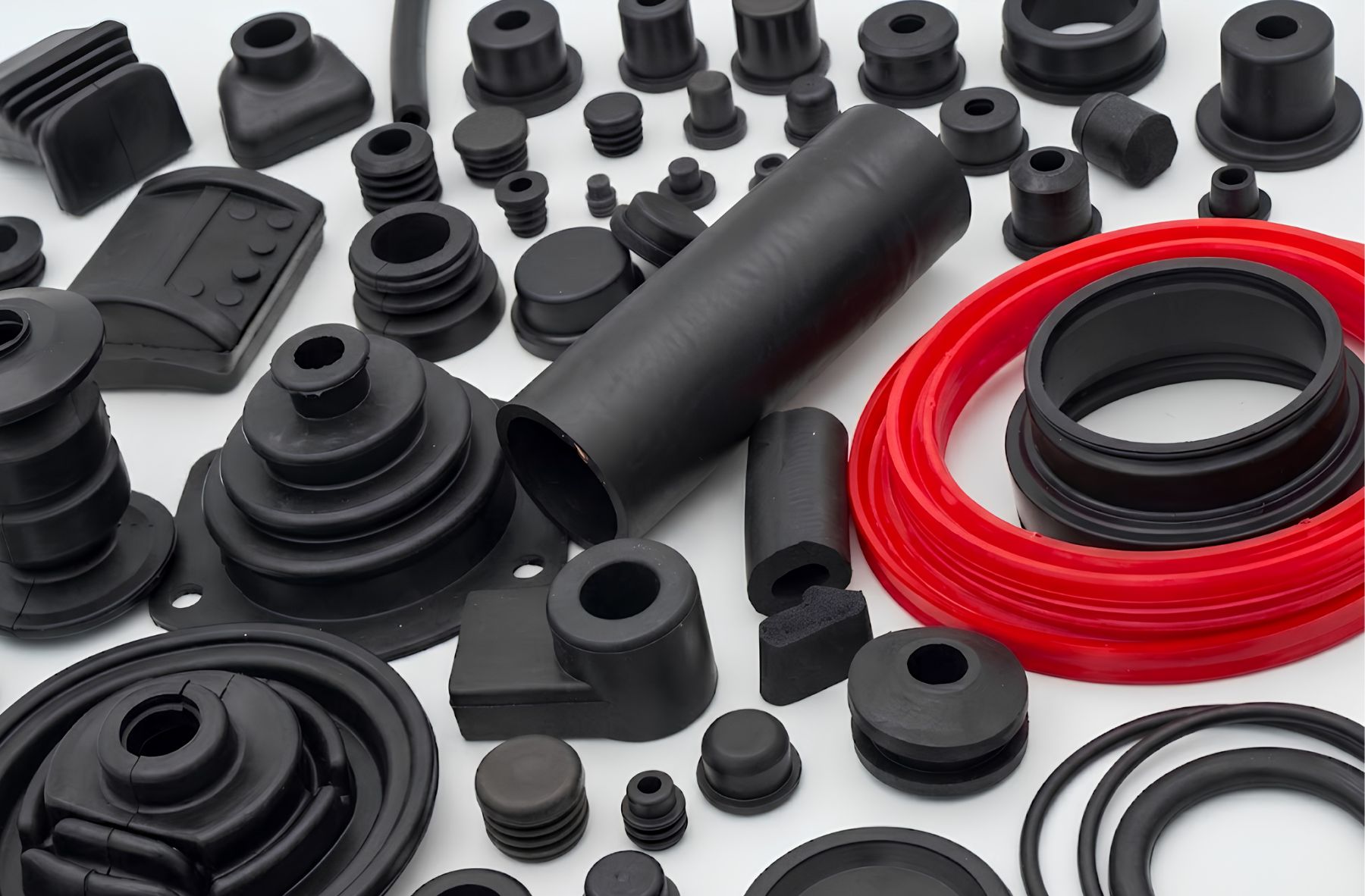
As well as tyres, rubber is used for everything from erasers, shoes and gloves to car parts, floor coverings, weatherproofing, shock proofing and more.
Have you ever wondered about the science of rubber? After all, it’s been used by civilisations for thousands of years. The people of Mesoamerica (a historic region of Mexico and Central America) are believed to have used rubber as far back as 1500 BC to make rubber balls to play games.
In those days, the substance was called “caoutchouc” – it didn’t become rubber until English chemist Joseph Priestley came up with the name in 1770.
What is rubber made of?
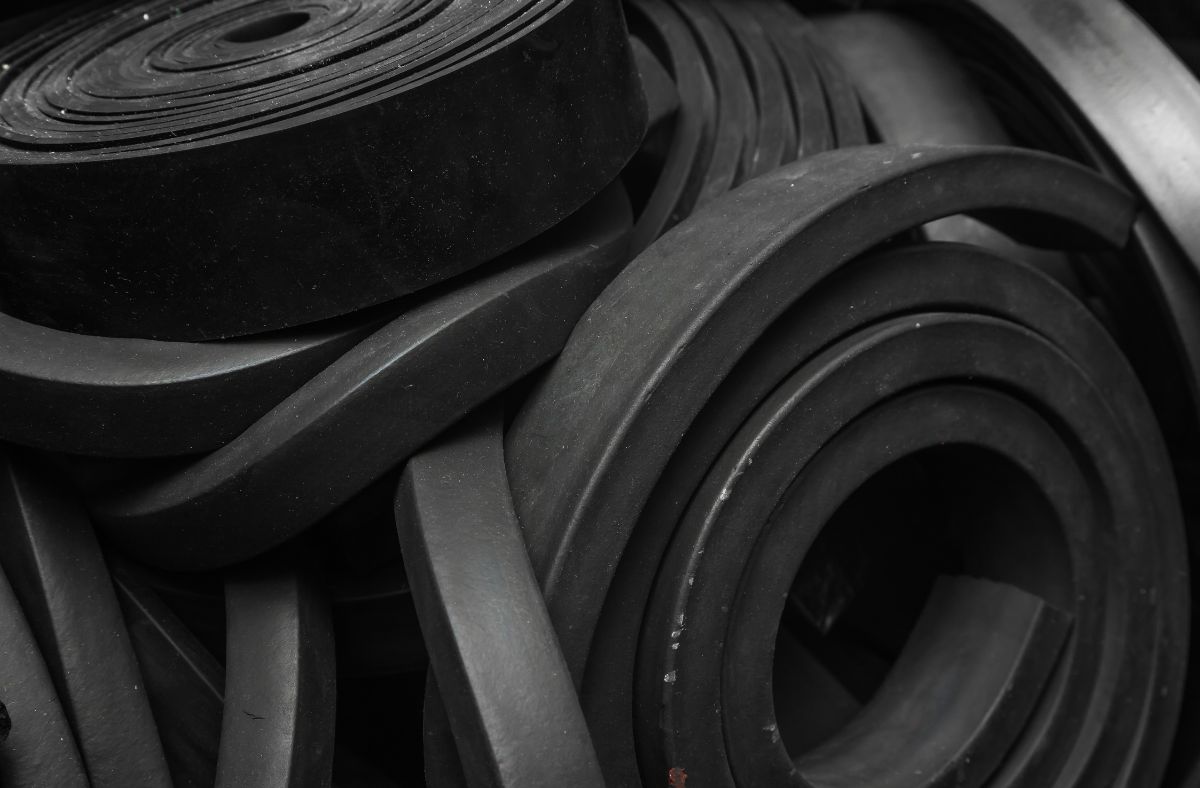
Rubber is made of long hydrocarbon polymer chains. Polymers consist of many identical smaller units, known as monomers. One single polymer molecule can be made up of thousands of atoms.
A process called polymerisation forms the polymers by joining the monomers together. This occurs either by condensation polymerisation, or addition polymerisation.
Condensation polymerisation occurs when monomers contain a hydroxyl group – oxygen and hydrogen atoms together. It is a chemical reaction that produces a by-product, water.
Most rubber is formed by addition polymerisation, a process that involves adding single monomers to each other without producing by-products. Addition polymers form when double bonds in the monomers are broken and consequently open up.
The open bond permits one monomer to combine with another. The process can continue indefinitely, until an infinitely long chain forms.
The number of monomer units is known as the degree of polymerisation. The density of the material increases as the amount of polymerisation grows.
How does rubber elasticity work?
One of the key rubber properties is its elasticity. This is because the long polymer bonds have carbon backbones that have natural angles, rather than being flat.
This means the bond angles can distort safely when the rubber is stretched, straightening out the molecules. Then, when the force stretching them is removed, all the molecules return to their original shape without causing any damage.
The way the bonds connect within the polymer chains means rubber behaves differently from other materials used in engineering, such as plastics. This gives rubber its unique elasticity.
Known as elastomers, the polymers cannot be broken or deformed with normal use, giving rubber its incredible tensile strength. Instead, the polymer chains slide over each other without being damaged.
The elasticity of rubber means it can be used to effectively manufacture seals and gaskets, as other materials are not durable or flexible enough to be moulded to fit any shape.
Many rubbers are also oil resistant and can be used for products such as petrol hoses and oil seals, thanks to the unique qualities of this highly versatile product.
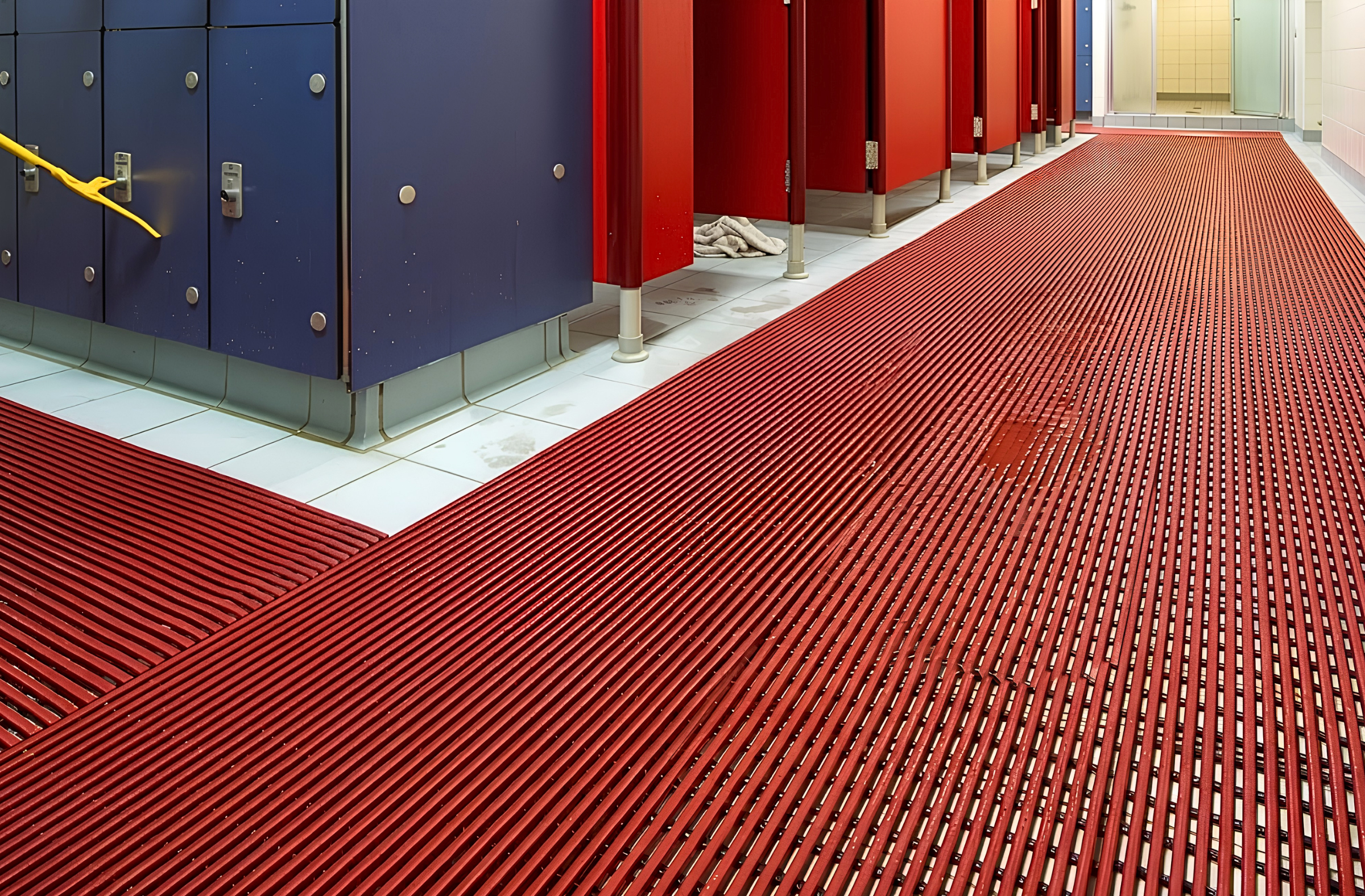
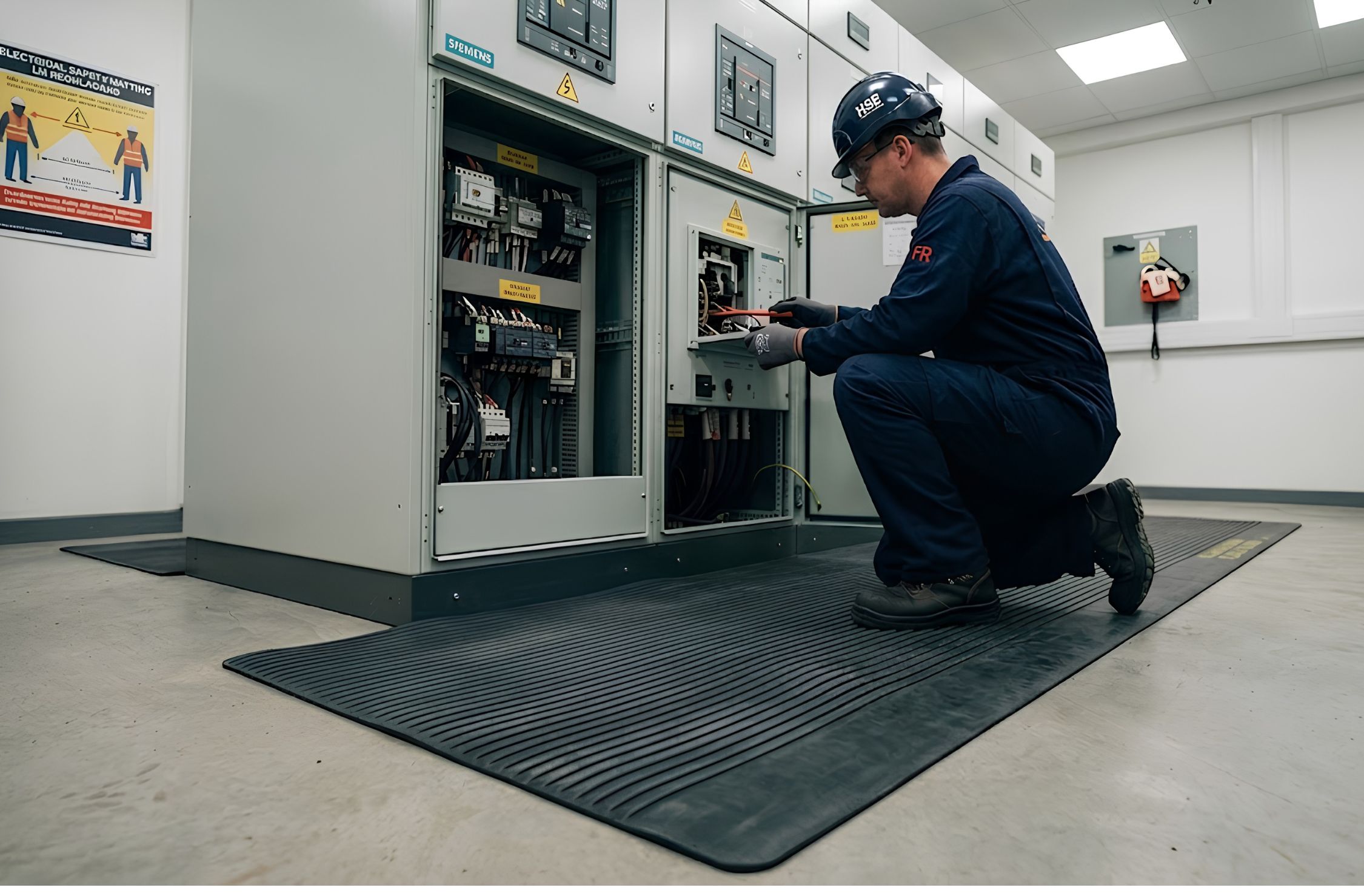
Versatile and reliable; different rubber compounds can be used to insulate electricity, isolate vibration, insulate from the cold, seal from water and gasses, and prevent slips and trips.