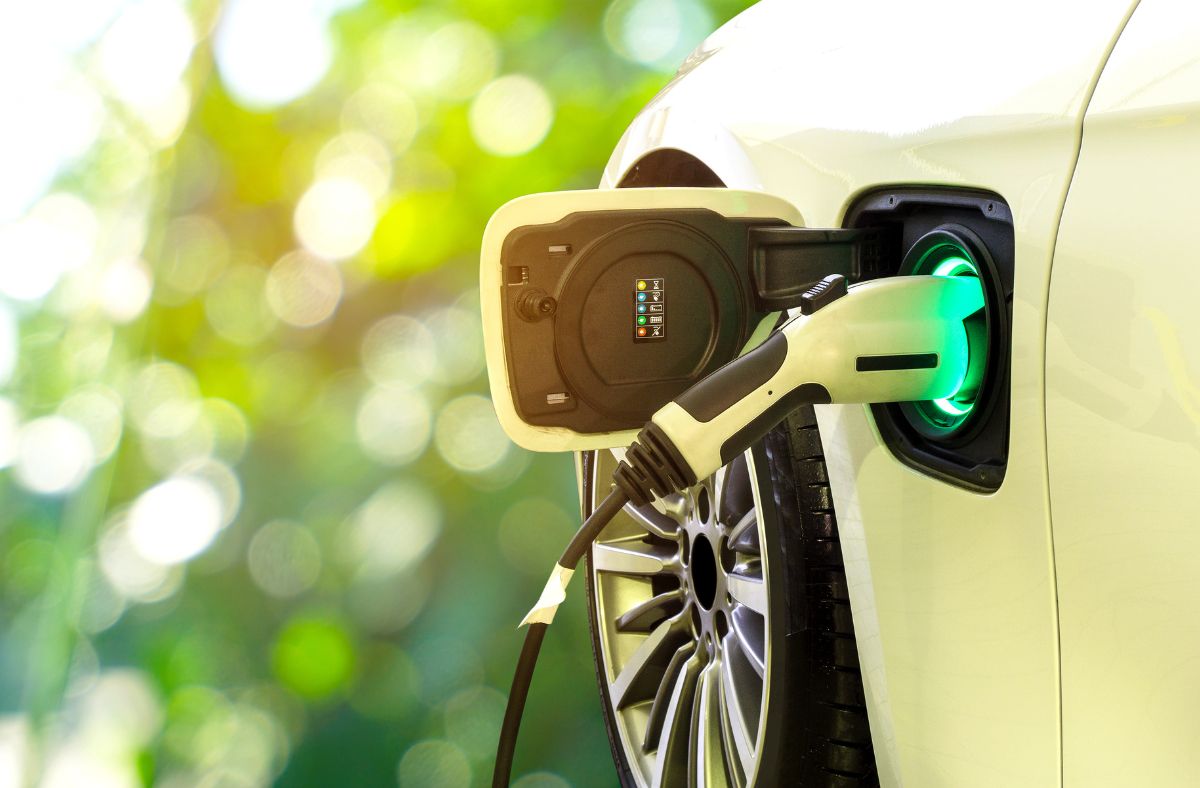
The use of electric vehicles in the UK is growing rapidly, with an estimated one million EVs on our roads at the end of February 2024, compared with 420,000 two years ago.
Since 2019, electric vehicle sales in Britain have increased by a massive 66%, leading to changes for mechanics in garages carrying out repairs and maintenance. They are having to adapt quickly and learn new skills to deal with the rise in EVs as a result of the global shift towards sustainable transport.
© Smile Fight / Shutterstock
Electric vehicles are emerging as a key part of the automotive industry, but regardless of the power type, the importance of mechanics will always remain the same: keeping Britain’s army of motorists safe on the road is a priority.
End of an era
The UK is driving towards the goal of electrification by 2035, when the sale of new petrol and diesel vehicles is set to be outlawed. It will be the end of an era when the British government’s pathway to cars with zero emissions comes to fruition in 11 years’ time.
The plan is that 70% of all new vans and 80% of new cars sold across the UK will have zero emissions by 2030. This will increase to 100% in 2035. Diesel and petrol cars will still be available on the second-hand market at this time.
The journey to eco-friendly vehicles has been a bumpy ride so far, with motoring organisations complaining there aren’t enough EV charging points nationwide to meet the demand. A report published on the This is Money financial website in January 2024 claimed the whole EV revolution was being “undermined” due to a shortage of charging points.
It claimed less than half of the required public chargers had been provided by the Department of Transport in 2023, with only 16,178 being installed – equating to 44 installations per day, rather than the 110 needed to hit the target of 300,000 by the end of the 2020s.
A separate survey by the RAC revealed the DoT had also failed to install its remit of rapid and ultra-rapid chargers at all of England’s motorway service stations by the end of December 2023. Only 49 of the 119 had the minimum number of six fast chargers. Four service stations had no public EV chargers at all.
How do electric cars work?
With campaign groups already highlighting their fears about the shortage of chargers, motorists are now turning their attention to how garages will cope with the new demands of servicing and repairing EVs. Are they ready to take on all the electric vehicles being sold?
According to initial studies, most major and franchised dealerships have already set the ball rolling. They are investing in staff training and specialist tools to meet the anticipated maintenance, service and repair needs of EVs.
According to the RAC, EVs made up a 16.5% share of the total vehicles on UK roads in January 2024. While large garages are already becoming skilled in repairing this new breed of car, servicing an electric vehicle is totally different from their diesel and petrol counterparts.
A report by Protyre Autocare suggests smaller and independent garages may not be as well-versed in looking after their needs. EVs have many specialist parts and due to the potential hazards of working with high voltages, not every garage is qualified or willing to service and repair them. A mechanic carrying out the vehicle’s annual service must be qualified to check the electric car’s key components, with the battery being one of the major areas of importance.
Manufacturers recommend EV batteries are checked regularly, because although they have improved since the early years, they can still suffer faults that may cost thousands of pounds to repair.
The mechanic won’t strip down the battery to its individual components. In fact, the service is carried out largely by remote means, as the garage will plug their specialist computer into the battery to carry out diagnostic checks. It is relatively simple and can save motorists money in the long term by spotting potential faults before they become a major issue.
The garage will then check the other high voltage components by visually inspecting the electric cables and motor. Cables should have a full protective outer layer and if this is worn through general use, it will need repairing or replacing.
Electric engines can still become overheated, so although they don’t need petrol or oil, they do require coolant, which the mechanic will check during the service.
Electric car brakes are rather more complex. There are rarely any great demands on the brake pads due to the regenerative braking system, so they’re unlikely to wear as much as traditional cars’ brakes. However, the garage must check the braking system for any wear and tear.
Usual checks, such as the tyre treads’ depth, the windscreen wipers’ functionality, screen wash, lights, steering alignment and other mechanical parts will also be examined, in the same way as for a conventional car.
Challenges faced by garages
There will always be a place for mechanics and garages, even when the UK has gone 100% electric. However, the challenge will be whether smaller and independent local garages can keep pace with the changes in terms of training staff and investing in new equipment.
Motorists will have to search for a dedicated electric vehicle service garage or check beforehand whether a regular garage has an electric car specialist on hand. While mechanics’ roles will undoubtedly change, they will never disappear altogether.
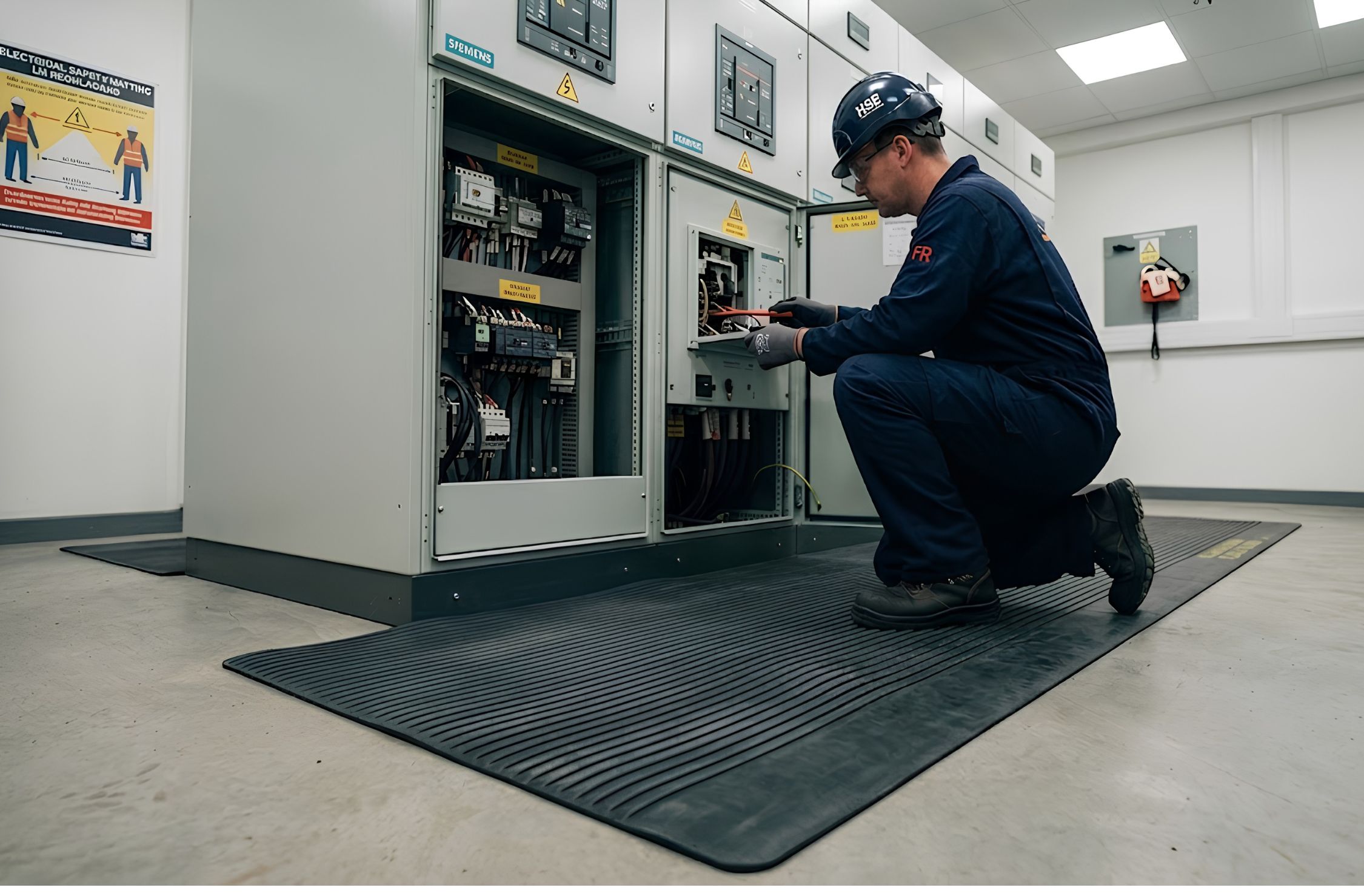
Adapting a garage to work with EVs also means investing in anti-static matting – a crucial component of a modern-day garage for safety and overall efficiency. Electric vehicles include electric components such as batteries, control systems and charging systems that could potentially be affected by static electricity discharge.
Installing specialist rubber matting that’s compliant with British Standards BS490 and ISO340 means it will absorb static electricity in the workplace environment. It will also improve safety and hygiene by providing non-slip flooring with good resistance to fuel, oil and grease.