The global aerospace sector is worth an estimated £247 billion and is expected to grow a further 7.7% by 2025 to £356 billion. This is largely due to an increasing demand for commercial flights, together with a boom in the use of drone technology for businesses.
© Juice Flair / Shutterstock
Around 87.7 million people are employed in the aviation industry, which accounts for £2.9 trillion in global Gross Domestic Product.
As with every industry, new trends are emerging such as artificial intelligence, robotics, unmanned aircraft systems and plans for electric and hybrid aircraft. Research is also ongoing into alternative fuels to protect the environment.
Despite the new innovations under development and others that are in the pipeline, one material that has remained crucial to aviation for decades is rubber, and that is something that is unlikely to change any time soon.
How important is aerospace rubber?
An effective sealing solution, providing flexibility, strength and durability in extreme temperatures; rubber plays an essential role in the aerospace sector due to its many advantages over other materials.
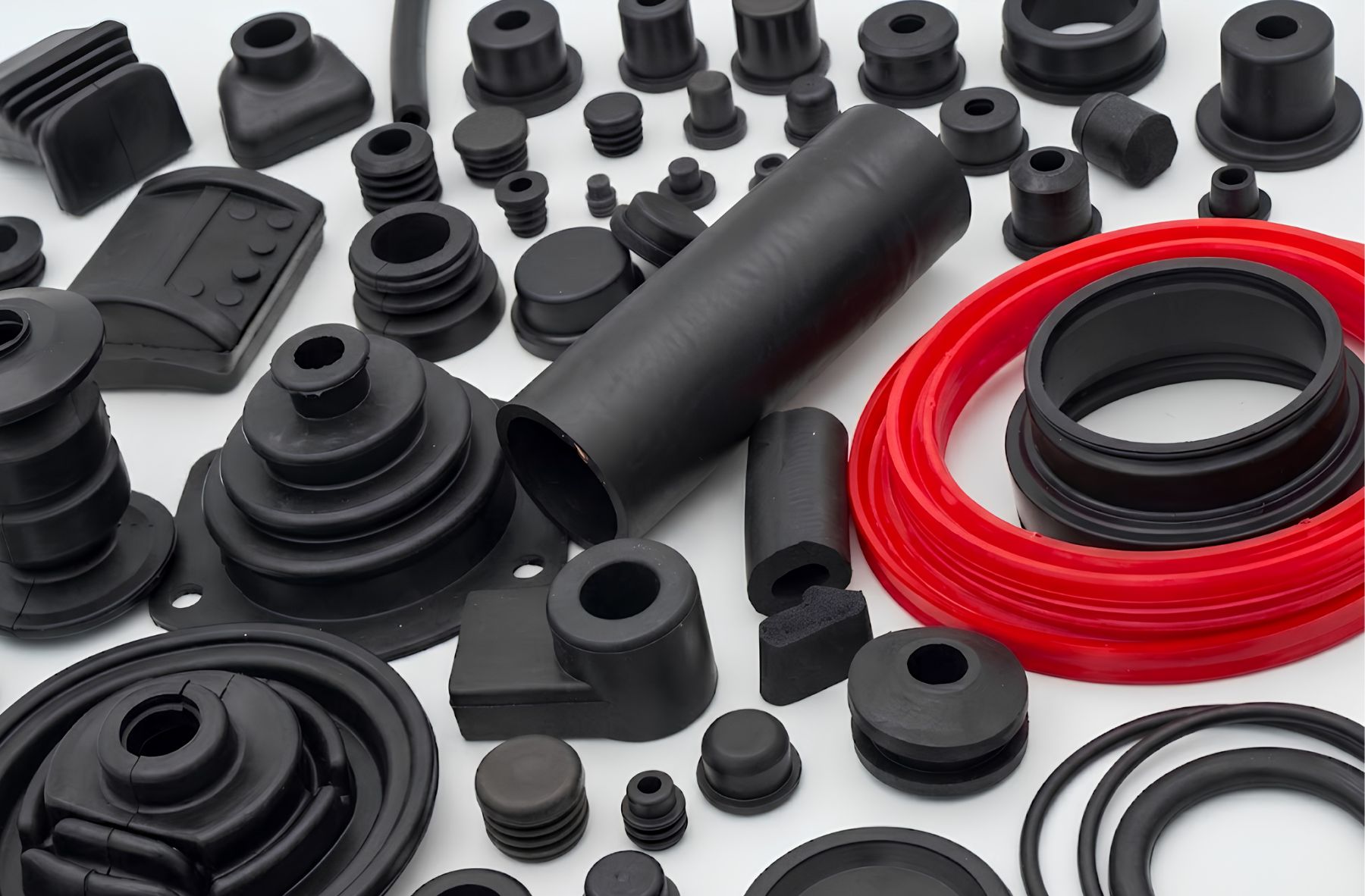
Aerospace rubber products must be reliable, as safety is paramount. Typical applications include rubber gasket seals, aircraft hatch seals, cockpit protection, aircraft bumpers, rubber bellows and vibration dampening pads and mounts.
The rubber bellows help aircraft engines to remain safe, even when under extreme pressure during flights, which can make them vulnerable to dust, or cause vibrations. Expanding and contracting during the flight, rubber bellows will maintain the optimum seal at all times, even on long flights in tough weather conditions.
Providing hatch seals and covers, instrument panel seals, vent ducts, HVAC seals and gaskets, firewall seals, hydraulic actuators, LED lighting gaskets, air valves and fittings, thermal insulation and door and window seals; rubber is also used for extruded seals to prevent gases, fluids and other substances from leaking between different aircraft components.
The rubber seals used in gaskets, HVAC seals and vent ducts throughout the aircraft are vital to provide ventilation. An important safety feature to keep oxygen levels and cabin pressure stable during flights, they are used in both military and commercial aviation to prevent the interior air from escaping through gaps in the door and window surrounds.
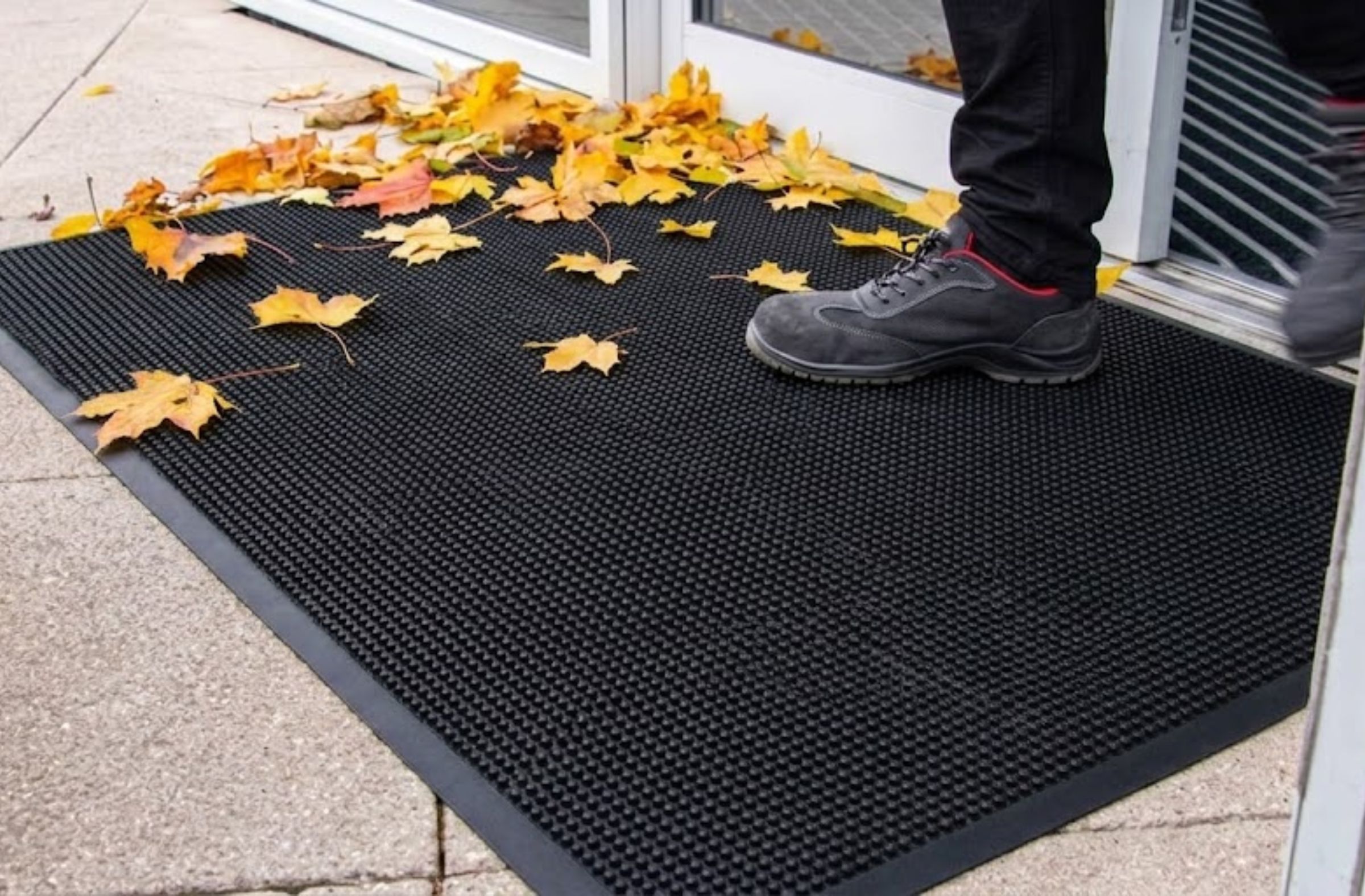
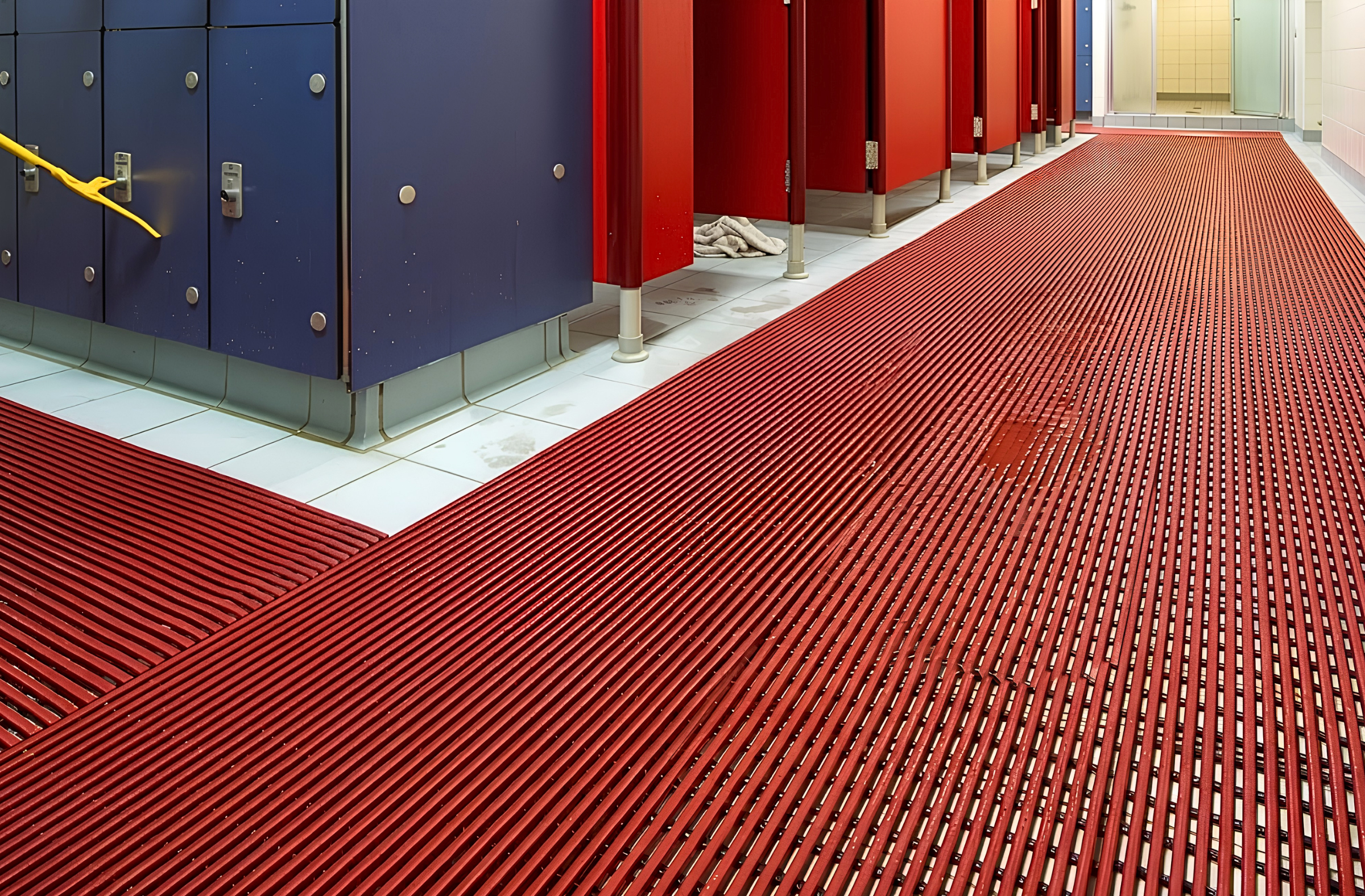
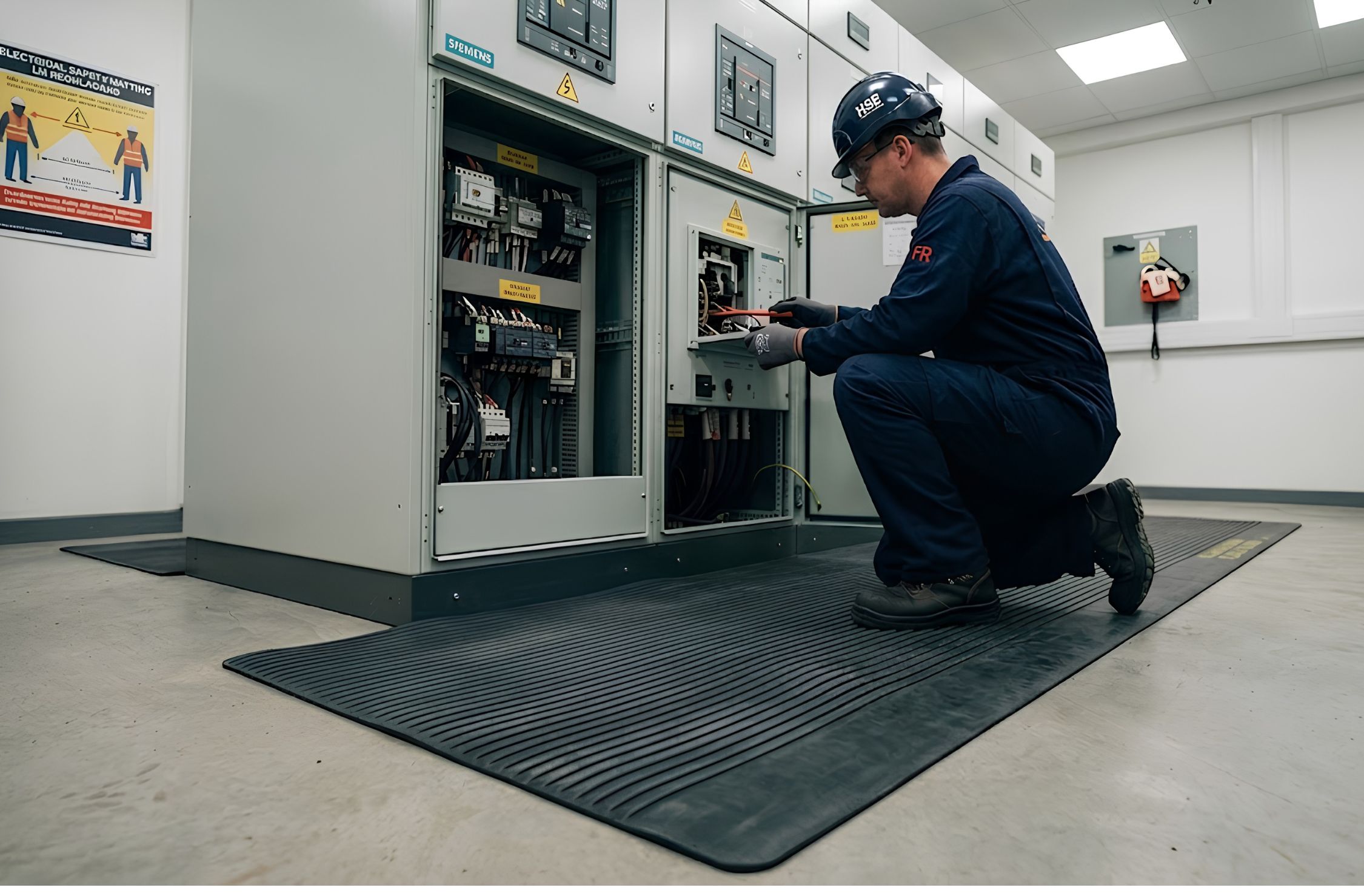
At ground level, applications include rubber matting and conveyor belting at baggage retrieval areas and matting at air traffic control locations.
Why is rubber the best material?
The main characteristics required for materials in the aviation sector include high endurance to extreme temperatures and stress, longevity with minimal maintenance and shock and sound absorption properties. Rubber offers all these qualities and more besides.
Different types of synthetic rubber are used because they can function safely while withstanding continual exposure to various chemicals. These include aerospace fluids, rocket propellants, engine lubrication oils and more.
What types of rubber are used in aerospace?
The types of rubber commonly used in the aviation and aerospace industry include neoprene, which is a general purpose elastomer offering good resilience when exposed to ozone, oil and water. However, neoprene isn’t suitable for aerospace sector applications where it will come have contact with ketones, phosphate esters and brake fluids.
Another rubber used for aerospace applications, EPDM (Ethylene Propylene Diene Monomer) has excellent weather-resistant properties and low gas permeability, providing resistance to diester lubricants and petroleum oils.
The rubber with the widest temperature range of all the elastomers is silicone, making it an ideal choice for some aviation applications, but with lower tensile strength than some of its counterparts, it tears more easily, so it is unsuitable for certain aerospace applications.
EPDM D section high specification rubber extrusions are commonly used to protect equipment such as aircraft steps at contact points. Excellent resistance to sunlight, oil and ozone makes it an ideal choice for almost every high-performance situation in the aviation sector.
Chocks away!
Rubber is responsible for one small but vital component of every aircraft: the chocks.
Just about everyone will be familiar with the phrase, “Chocks away!” when an aircraft takes off, which was first used during World War II when British RAF pilots were taking off on dangerous missions.
The wheel chocks are solid wedges that are placed under the wheels to prevent the aircraft from moving when stationary on the runway. The rubber non-slip base ensures the chocks grip the ground properly.
Keeping critical equipment safe
The ideal choice for all general equipment that is critical to the safe functioning of aircraft; fire-retardant capabilities of rubber seals make them crucial to protect electronic components. Keeping environmental contamination out, they’re used to seal vital navigation and communication systems.
In the cockpit, rubber seals keep instrument panels and electronic systems safe and protect the aircraft’s printed circuit boards, ensuring they are fully functional even when flying at high altitudes.
Rubber plays a vital and often understated role in the aerospace sector and must conform to the highest international and British standards, such as BS, REACH, RoHS and CE.
Concorde’s “bulletproof” lining
The retired supersonic jet Concorde had a specific use for rubber when it came to innovative safety features. Developed jointly by Britain and France, the super plane took its first flight in March 1969 and became a commercial aircraft in January 1976, before being retired from service in October 2003.
With a top speed of 2,179 km per hour; in total, 20 Concorde aircraft were manufactured and used in commercial flights all over the world.
Tragedy struck on 25th July 2000, when Air France Flight 4590 set off from Charles de Gaulle Airport in Paris on its 5,830 km flight to John F Kennedy Airport in New York. Sadly, Concorde crashed in Gonesse, France, killing all 100 passengers, nine members of the crew and four people on the ground.
It was the supersonic aircraft’s only fatal accident and caused Air France and British Airways to temporarily ground their fleets until the cause was determined and the appropriate modifications could be made.
Investigators concluded the accident occurred after a metallic strip fell from another aircraft that had taken off shortly before Concorde. The sharp metal object punctured Concorde’s tyre, which exploded, sending it hurtling into the fuel tank. The subsequent leak in the fuel tank caused a major fire.
In January 2001, it was reported that British Airways had begun lining Concorde’s fuel tank with a high-grade and durable type of rubber to strengthen its walls and prevent a recurrence of the fatal accident.
The rubber used on the aircraft was the same used to make bulletproof vests, adding an extra layer of safety to the fuel tank. The modification was needed before the aircraft could go back into passenger service in spring.
Safety experts said the addition of the bulletproof rubber would ensure a massive fire caused by a fuel leak could never happen again, once more proving the unique value of rubber in the aerospace industry.