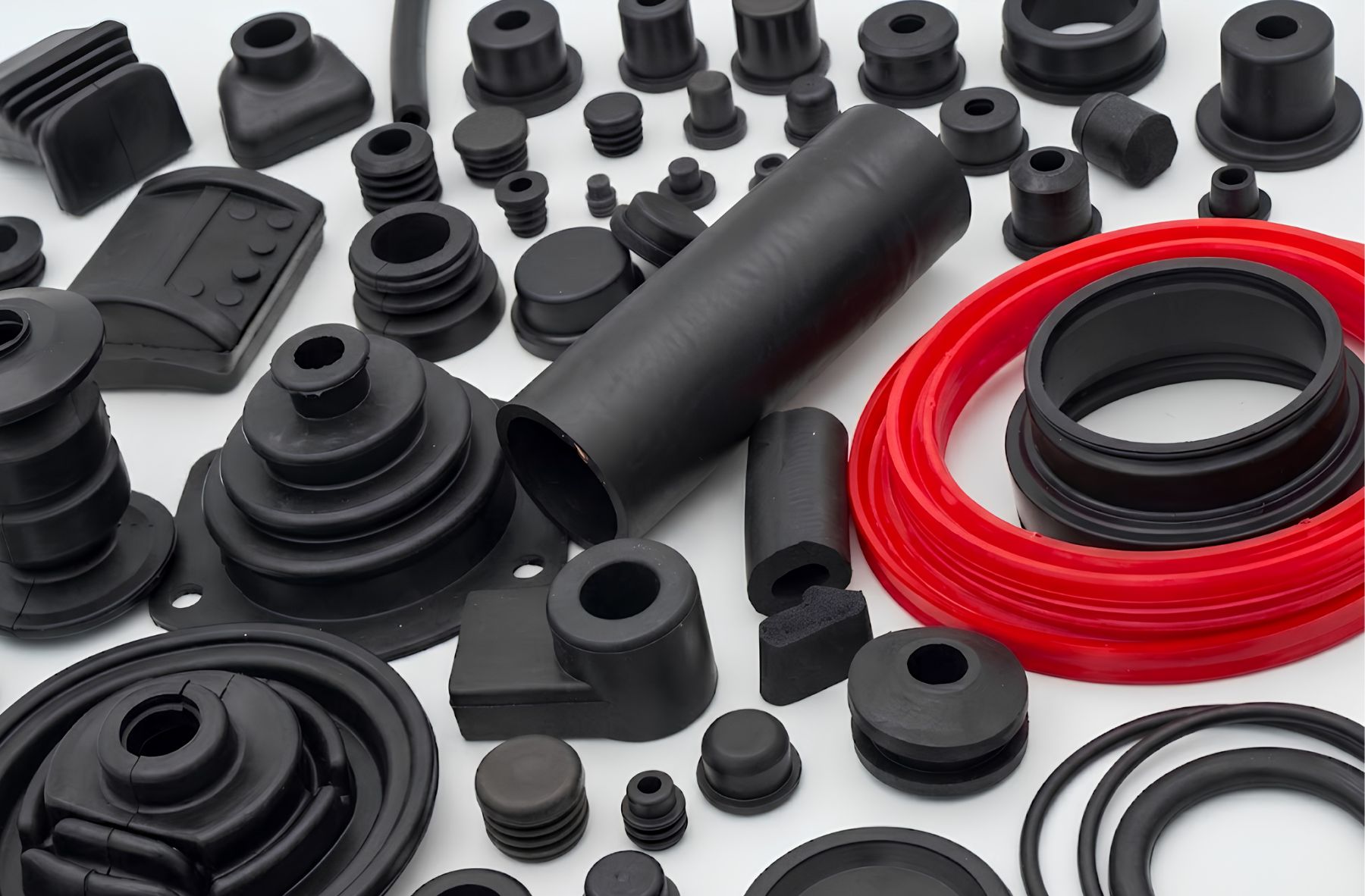
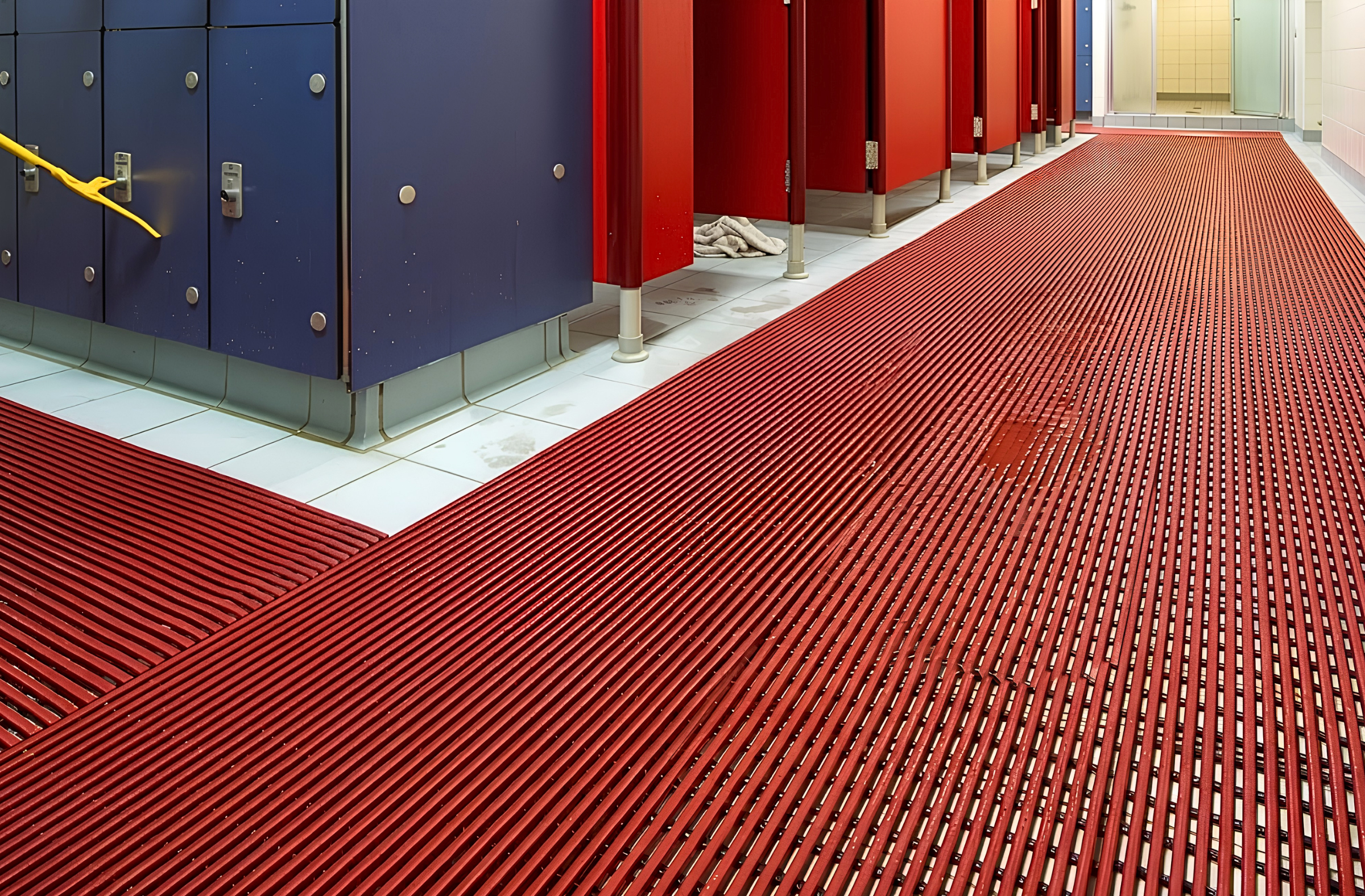
Rubber
|
PVC
|
- Rubber matting can be made of natural or synthetic rubber. Natural rubber comes from the naturally occurring sap of certain plants called latex, while synthetic rubbers are man-made.
- 70% of today’s rubber is synthetic.
- Rubber matting is a versatile flooring option that is suitable for a variety of applications.
|
- Polyvinyl chloride or PVC is a thermoplastic material that comes in two basic forms – rigid and flexible.
- PVC ranks third as the most widely produced plastic polymer, subsequent to polyethylene and polypropylene.
- It is a good alternative in environments where rubber matting is not suitable.
|
Pros
|
Pros
|
- Durable, it can last longer than PVC with proper care.
- It is low maintenance and easy to install.
- Slip-resistant, it is relatively safer in wet and dry conditions.
- It absorbs impact.
- Rubber can reduce noise depending on its thickness.
- It has excellent insulating properties that retain both hot and cold temperatures.
|
- Durable and lightweight, it has good weather resistance making it suitable for outdoor use.
- Fire resistant, it has self-extinguishing properties due to its high chlorine content.
- It is an economical option.
- It is available in a multitude of colours, designs and textures.
|
Cons
|
Cons
|
- It is more expensive than PVC. Price will depend on the thickness, quality and style of your choice.
- It is prone to discolouration. Harsh chemicals such as detergents and some cleaning agents can stain rubber matting. Additionally, grease can leave unsightly spots if not removed immediately.
- Newly-bought rubber matting has a distinctive smell that will fade overtime. However, it might be off-putting to some users.
|
- It can be difficult to replace and costly to recycle.
- There has been much debate about the components of PVC being harmful to human health, although manufacturers have been developing the material to be more eco and health-friendly in recent years.
|