Summer is a time when people like to go swimming, with an estimated 4.7 million Brits taking the plunge at least twice a month, according to the nationwide Active Lives Adult Survey carried out by Sport England.
During the past 12 months, 14 million people in the UK have been swimming at some point for fun and fitness. Almost 27% of children aged seven to 16 years go swimming once a week, equating to 1.88 million youngsters.
© Panumas Yanuthai / Shutterstock
The most popular time of year for swimming is summer, especially for families with younger children, as 28% of parents with under-sevens don’t take them to public baths unless the weather is hot. Even the 10% of parents with young children who go swimming all year round admit they tend to avoid the pool on cold winter days, according to the Splash About survey.
People who swim outdoors do so more often in summer, with 50% of those surveyed saying they enjoy taking a dip outside in warm weather. They believe it is good for their mental and physical health.
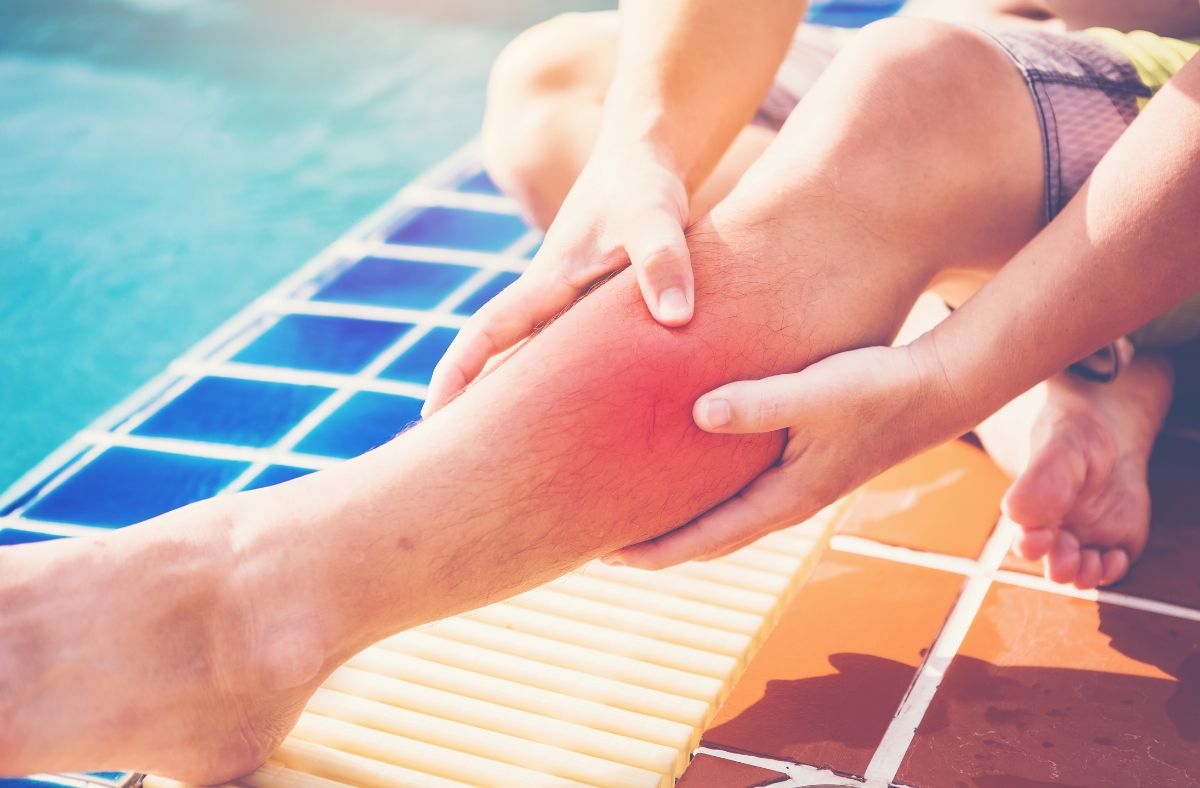
Although it’s important to be careful all year round, statistics show there’s a greater risk of accidents when the pool is crowded with swimmers and spectators. When more people are walking around at the poolside, jumping or diving in and generally having fun, they may not realise how slippery the floor is, even if cautionary signs warning of wet floors are clearly visible.
According to statistics from the Health and Safety Executive, 90% of slips occur on wet floors. More than 1,600 members of the public on average sustain injuries as a result of a slip at a UK leisure centre in one year.
Sadly, there are an average of 15 deaths from drowning in the warmer months. Studies show around 200 young people aged under 20 go to hospital annually due to an accident at a swimming pool. Around 50% of those involved in an accident at public baths didn’t even intend getting wet. They had an unexpected slip or fall from the walkway into the swimming pool after being caught out by the wet floor.
This figure doesn’t include accidents at private pools, such as those in people’s gardens, so the number may be higher.
Swimming pool safety
While safety experts say swimming pools in the UK are “safe” in general considering how many people visit them, even one accident or fatality is too many.
It’s a misconception that people slipping on a wet floor “just happens” and can’t be avoided due to the environment. On the contrary, slip prevention measures, such as swimming pool floor mats, can reduce injuries by more than 50%.
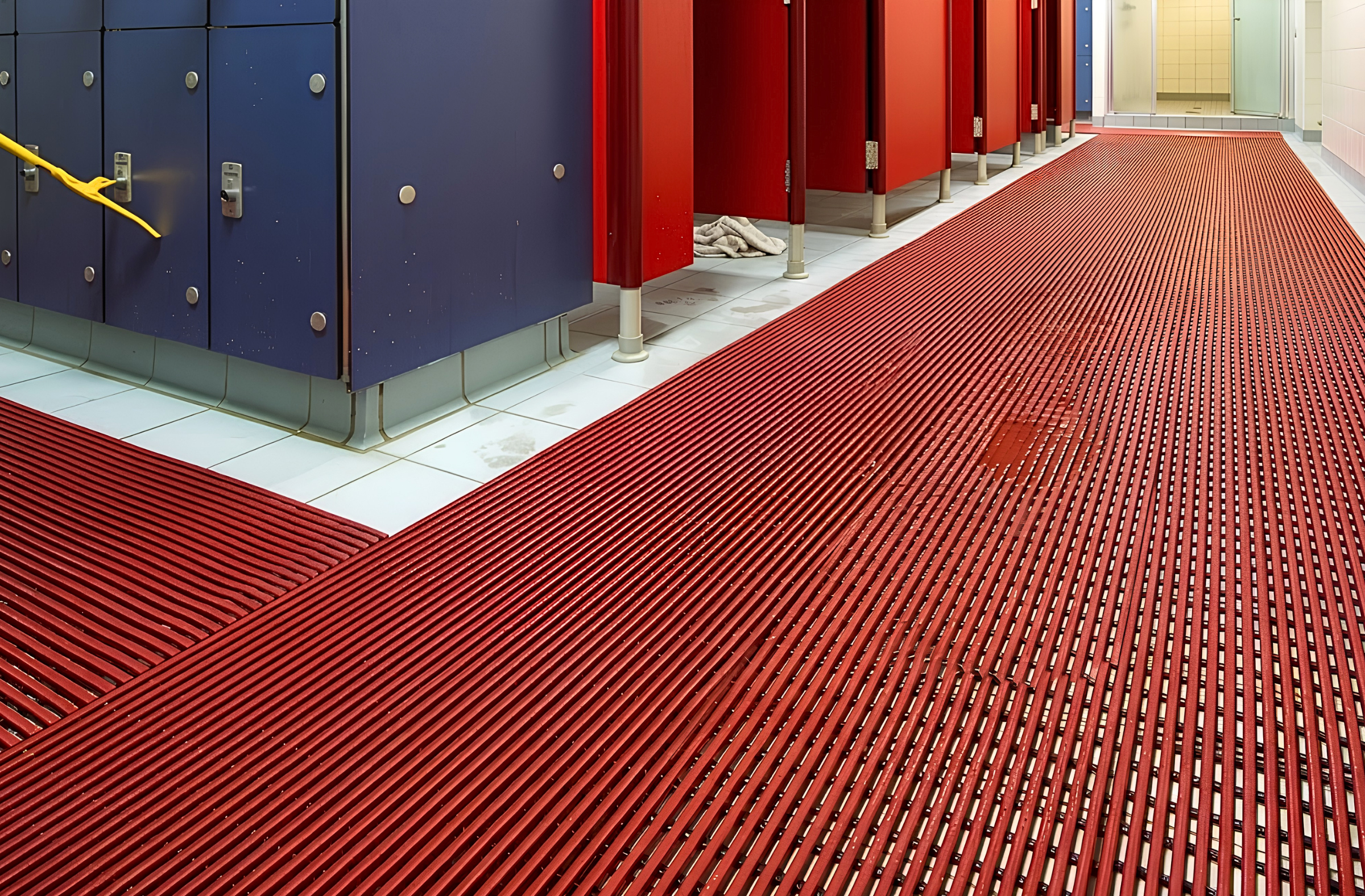
Installing wet area matting at the poolside and in changing rooms at public baths and leisure centres is crucial to protect employees and members of the public. As well as enhancing safety, pool matting is also more comfortable underfoot than a hard tiled floor. It provides a durable floor covering with drainage properties that repel surface water, making it more hygienic. High-quality rubber mats for swimming pool walkways are also more aesthetically pleasing than a wet floor, as well as easier to clean.
Failing to take adequate precautions against slipping accidents can lead to hefty financial penalties for swimming pool and leisure centre owners. In May 2015, a youth who slipped at a swimming pool in Cork as he stepped from stairs across a passage towards a water slide was awarded compensation of 3,500 euros, equating to around £3,000, after sustaining a shoulder injury. The court heard the hand bar was almost one metre away and the floor surface was “smooth, slippery and therefore dangerous” when the accident occurred.
A swimming pool mat can significantly reduce the risk of slipping and potentially save lives. Providing rubber floor mats for wet areas can protect members of the public and employees from injury, while reducing the risk of compensation claims in the event of an accident.