Thanks to its versatility, resilience, water resistance, high tensile strength, heat resistance and longevity; rubber is an invaluable material across many industries. Some of the major sectors reliant on rubber include medical, automotive, construction and manufacturing.
The rubber industry in the UK is currently worth £1.5 billion per year to the economy, according to data from Statista. This figure is expected to increase to £1.69 billion by 2025.
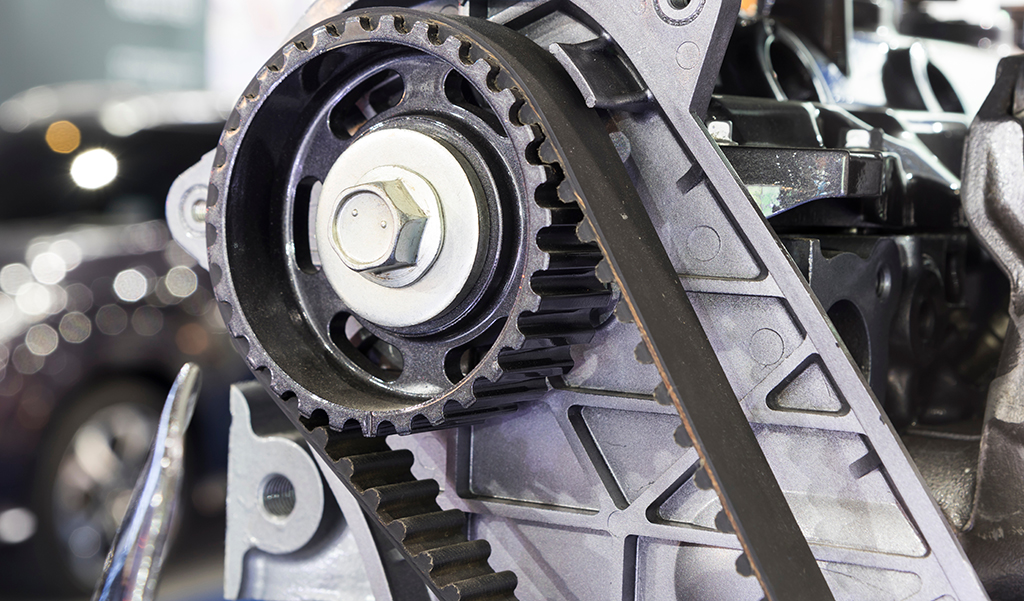
© Mr.1 / Shutterstock.com
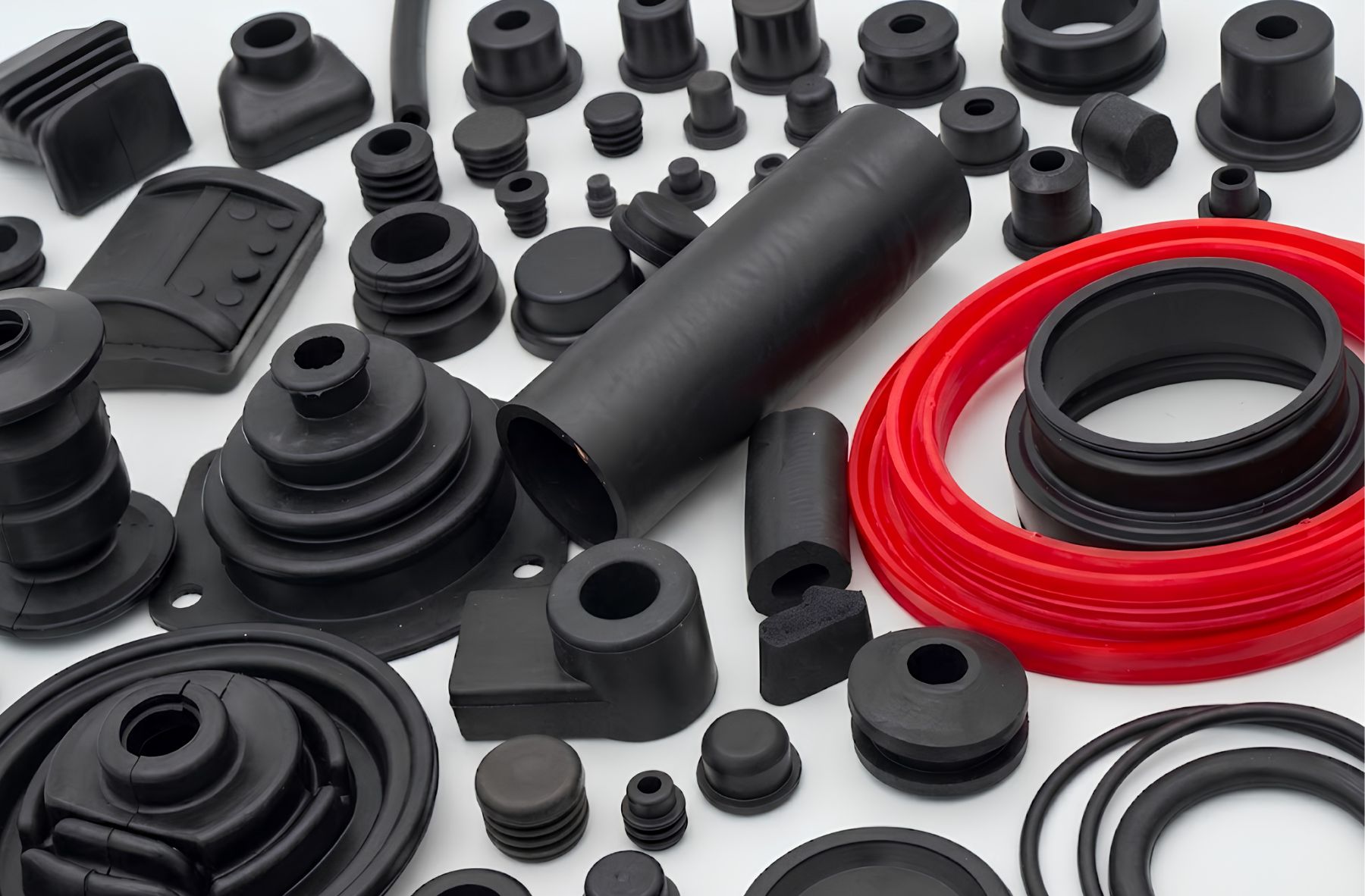
The main rubber products used in industry include gaskets, seals, conveyor belts, roofing, hoses and footwear soles. Particularly versatile, rubber is sold in various formats including sheets, strips or smaller pieces to form gaskets and other components.
Benefits of using rubber products
Industrial rubber is used in many outdoor applications, as it can withstand extreme weather conditions – heavy rain, sub-zero temperatures, tropical climates, wind, ozone and UV rays don’t affect performance.
Different rubber grades can resist temperatures ranging from -55°C to 250°C. The final product serves its purpose and stays safe, no matter what the climatic conditions.
Silicone rubber products used in the automotive and other industries are compliant with quality standards, such as EN45545 and BS6853.
With the ability to resist damage, even when in contact with fire; rubber is a reliable insulator, preventing the flames from spreading.
Versatile in design
A versatile material when it comes to product design; manufacturers can shape rubber products to exact requirements. Supplied in rolls and sheets, it can be cut to make all kinds of items for industry, including the most complicated shapes.
Water repellent and flexible, rubber acts as suitable sealant. As an abrasion-resistant and durable material, it can protect products from damage – this is important in the tyre manufacturing industry, as the tyres are stronger and last longer.
Highly durable
Highly durable, even in manufacturing processes and general applications where a lot of force is applied, rubber products are malleable.
Resistant to oils, this non-permeable material is suitable to use in places where there’s exposure to grease, oil and other similar substances.
Rubber products can be lubricated safely for use in machinery and equipment, especially in the automotive and medical industries, without damaging the quality.
Noise reduction properties
Whether from heavy equipment used in the manufacturing industry, or similar disruption on the shop floor; rubber can help reduce noise that is produced by machinery.
Excellent electrical properties
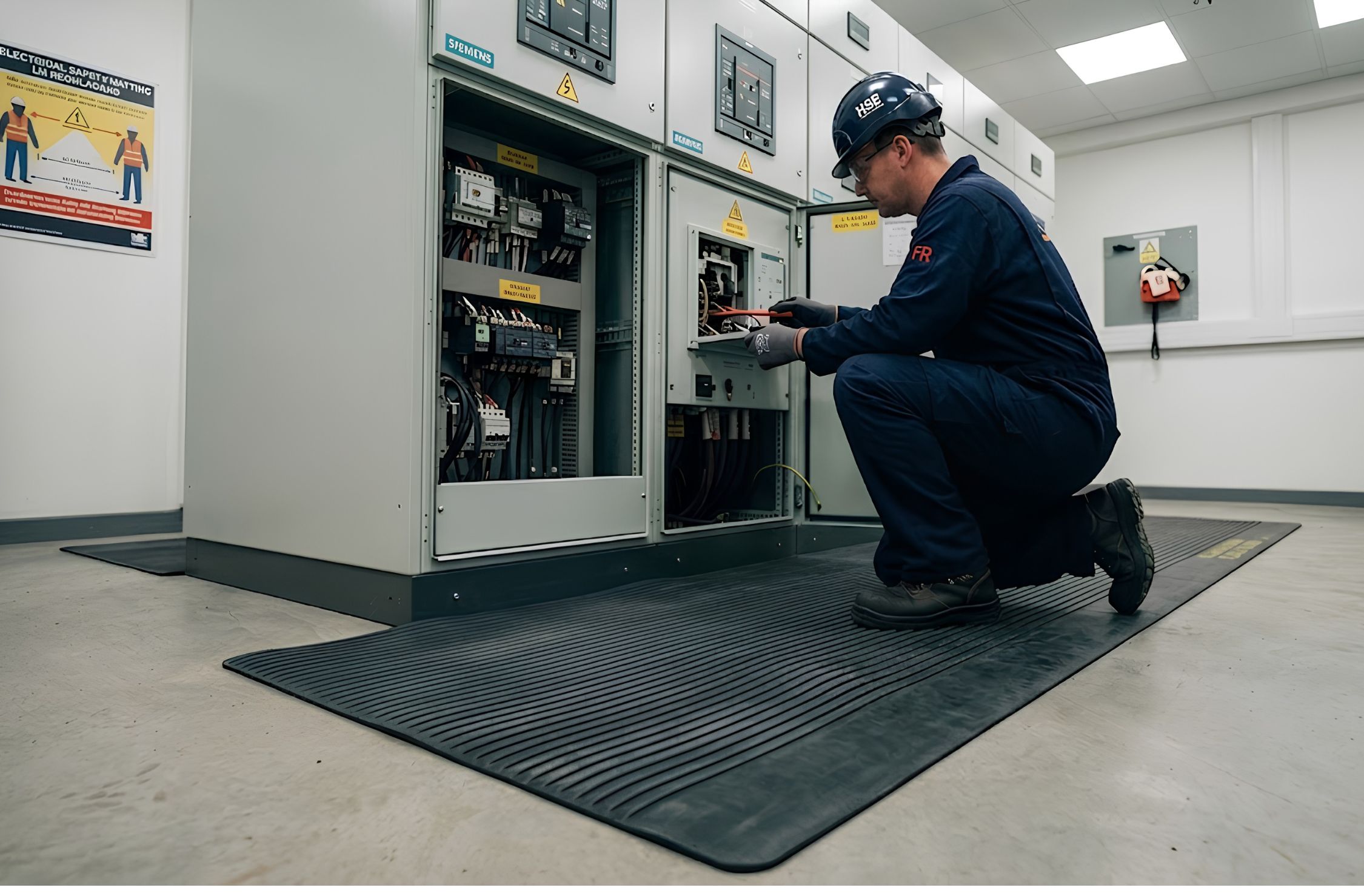
Rubber acts as an electrical insulator, thanks to its natural insulating properties. It’s used to create high quality electrical matting, as it has the ability to reduce or stop an electric current.
In control rooms, any high voltage environment, plant rooms, or where live equipment is handled; electrical matting is available in a number of safety standards to suit all electrical requirements, including ASTM D178, IEC61111-2009 and BAS921.
Industrial rubber is also a relatively low cost product, including standard and customised products. When the rubber is the end product, or if it’s used as part of the equipment to manufacture another product, it can help keep costs down.
Transport industry
Industrial rubber such as Nitrile, Neoprene, Silicone, EPDM and Viton is widely used in the transport industry, including the rail sector – thanks to its versatility, rubber can be used to fill gaps, to house LCDs and lighting enclosures, as a floor surface and for various other purposes.
Pharmaceutical industry
Compatible with sterilisation procedures, rubber products are ideal for use in the medical industry. The best practice employed in pharmaceuticals and health services is to sterilise everything to remove and bacteria and contaminants.
In addition, many medical devices are reliant on rubber components. They should be able to withstand pressure, heat and fire. In applications that involve medicines, food and drink, it is imperative that they are non-toxic.
Easy to clean and disinfect, rubber is suitable for use in baby care devices.
Utilities sector
Commonly used in the power generation industry, both to comply with health and safety regulations and to minimise the environmental impact of such operations; rubber is used to produce electrical safety matting, rubber gaskets and anti-vibration matting.
The water industry relies on high-quality rubber products to help stop contamination. WRAS and KTW approved, rubber sheeting can be used with potable water up to 23°C.
Marine sector
Slips are responsible for the majority of injuries in marine environments. According to government statistics, around 33% of accidents onboard yachts, ships, boats and other water-based vessels are caused by slipping, stumbling and falling.
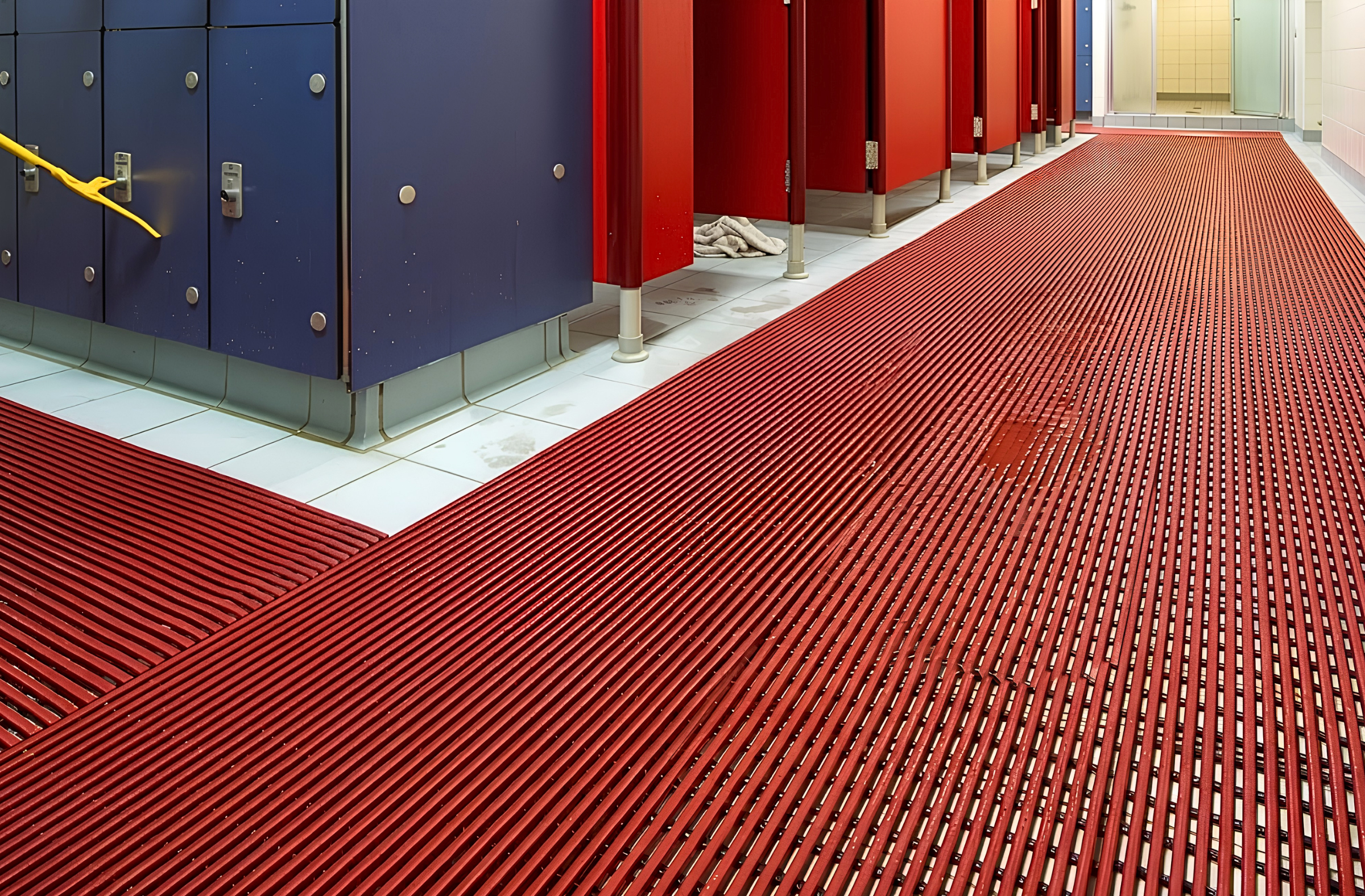
Slip-resistant matting can be used on steep inclined areas, boat decks, walkways and quaysides.
The rubber product experts
Coruba stocks a wide range of high-quality rubber products that are suitable for various industrial applications. Contact us today to discuss your requirements.