Rubber products play a crucial role in the transport sector, maintaining fleet vehicles at a particularly challenging time in winter due to harsh weather conditions.
The UK has just experienced its coldest weather in 15 years, with residents in parts of Scotland suffering a temperature drop to -18.9°C on 8th January 2025.

© Halfpoint / Shutterstock
Freezing temperatures and icy roads can pose significant risks for drivers, so ensuring the safety of your fleet, while maintaining an efficient service, is the most important consideration during winter months.
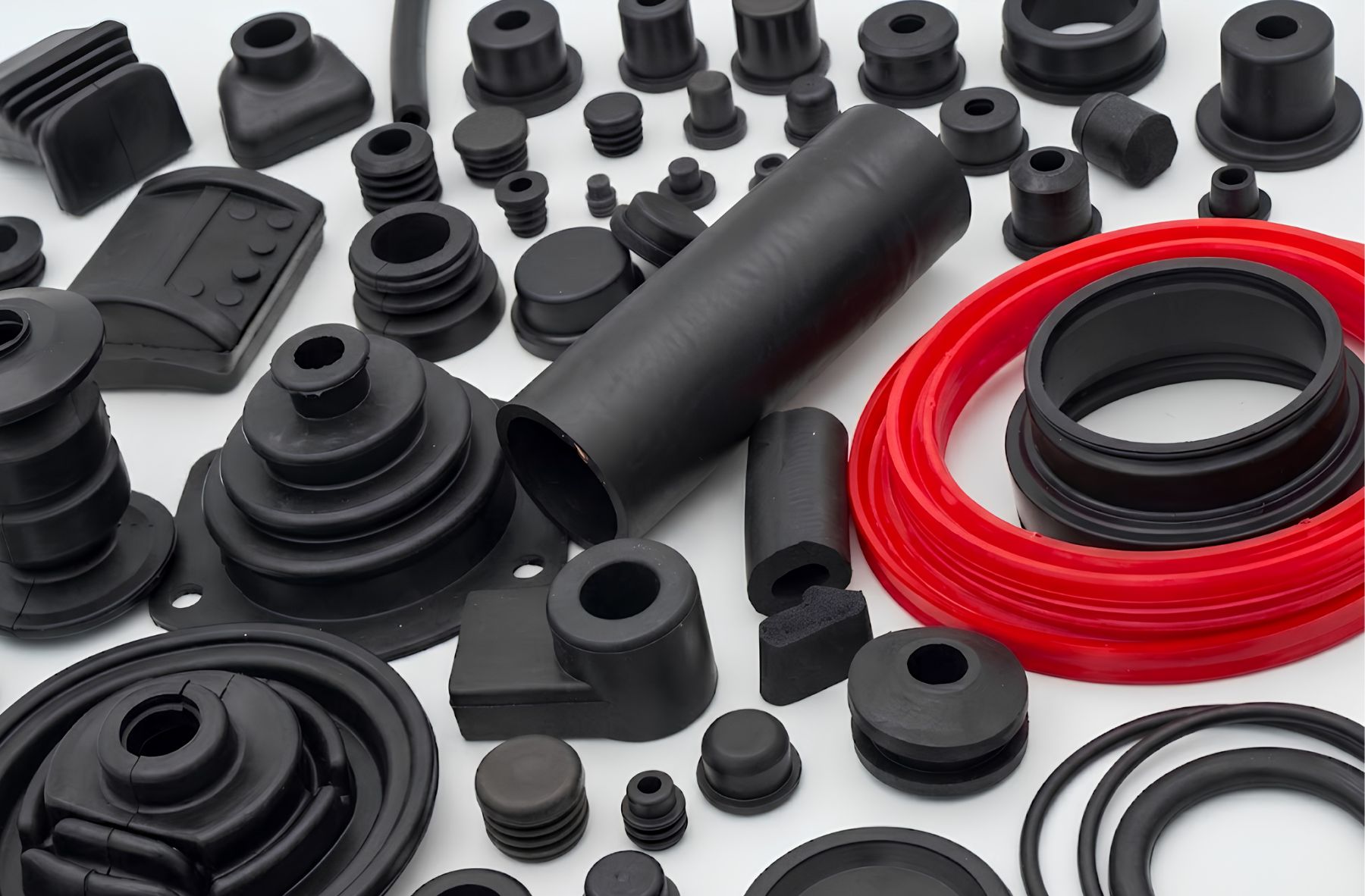
Common rubber auto products including floor mats, seals, hoses, belts and tyres must all be kept in pristine condition as temperatures plummet to counter the increased risks of driving in adverse weather conditions.
Hazards of driving on icy roads
Data shows icy roads are the most hazardous weather related driving condition, carrying a greater risk of causing severe accidents. In winter, an average 1,200 serious accidents are caused in the UK by freezing weather conditions, with others going unreported when there are no injuries.
Figures released by the Department of Transport show that January is the worst month of the year in terms of the number of casualties due to ice on the road. The risks are heightened when fog, snow and sleet make visibility poor for road users.
Driving in bad weather can be dangerous for any size of vehicle, but particularly for trucks. In icy, snowy and wet weather, stopping distances can be doubled, meaning HGV drivers must drive more slowly in general, leading to delayed delivery times.
In addition, UK lorry drivers are limited to driving for a maximum of nine hours a day to comply with safety laws. It applies to the total driving time between rest periods. While a ten-hour driving time is permitted twice a week, lorry drivers must take a minimum of 11 hours’ rest daily.
Bad weather can push daily driving times over the nine-hour limit if truckers hit ice or snow, so route planning and keeping a watchful eye on weather reports are of paramount importance.
At this disruptive time of year, it’s essential to take proactive steps in terms of fleet maintenance, not only to protect drivers and their vehicles, but also to ensure the reliability of your services.
Rubber floor mats
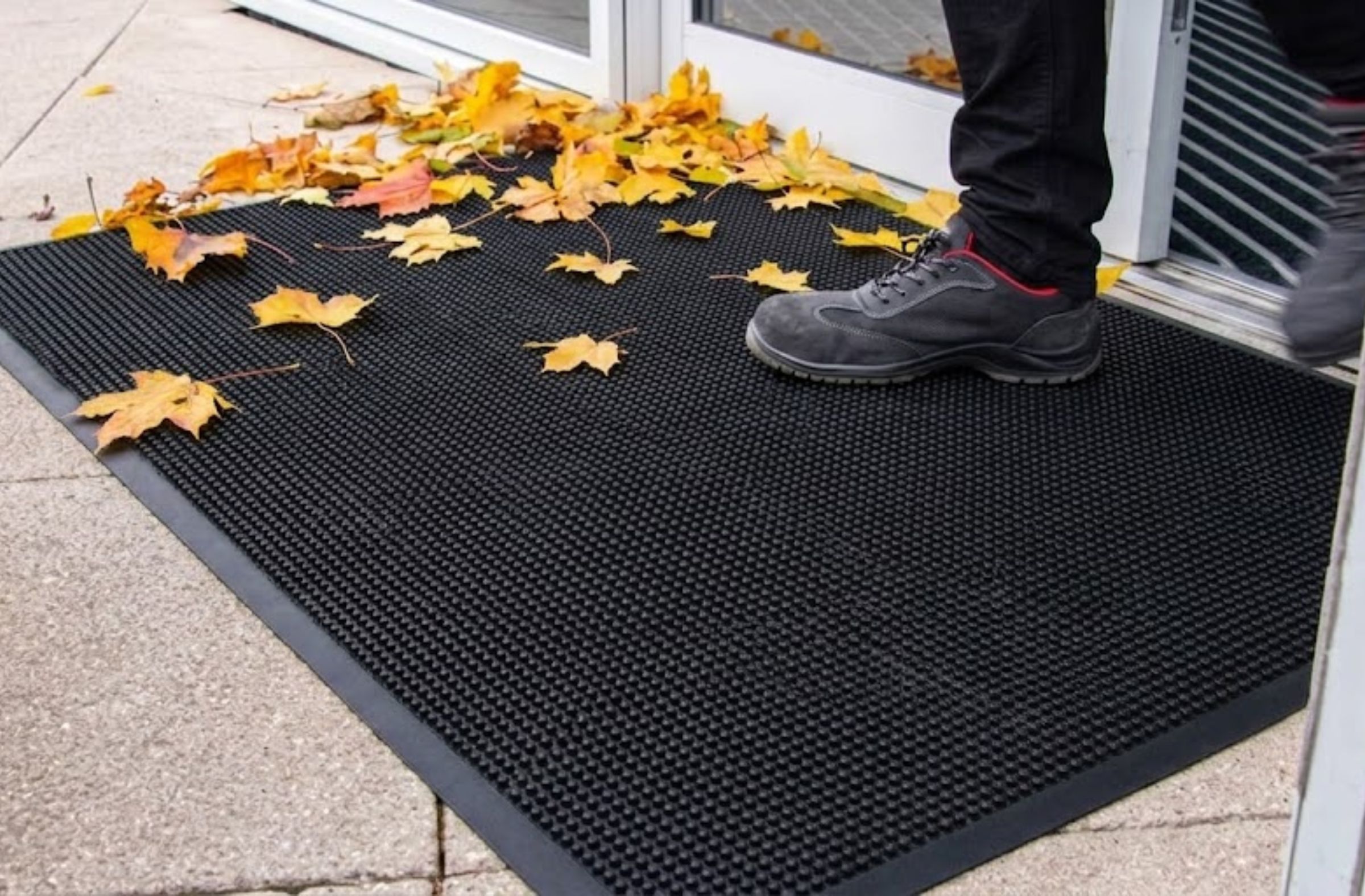
You may not think of fitted truck mats as being an important part of your winter fleet maintenance, but they do far more than provide an easy-clean floor covering. Installing rubber car, van and truck matting adds an extra layer of protection against the harsh elements.
Well fitted mats will trap moisture, dirt and salt, preventing interior damage to your vehicle from the winter weather. Their non-slip properties reduce the risk of slipping accidents as the driver enters and exits the vehicle, with the textured surface ensuring a secure grip.
Acting as a barrier against the mud and debris associated with wet weather, the rubber mats’ raised edges contain spills and prevent grime and liquids from seeping into the vehicle’s carpeting. They are also easy to clean, with a durable nature that will enable repeated use and longevity. This in turn minimises wear and tear on the carpets, keeping the interior clean, which can help preserve the vehicle’s resale value.
Using rubber mats for your fleet goes far beyond aesthetic benefits, as they provide a cost-effective and practical means of contributing to the vehicles’ maintenance and safety.
Rubber seals
An integral part of your fleet’s longevity, rubber seals prevent water, snow and cold air from entering the vehicle. They are especially important in preventing rust and moisture buildup, which are more likely in winter conditions.
These small yet vital components can be found throughout the vehicle, sealing various areas to prevent water and other contaminants, such as dust, from entering. One of their primary roles is to keep the truck’s interior dry by creating a tight seal around windows, doors, sunroofs and the boot, preventing snow, rain and carwash water from leaking inside. This is particularly important in winter to keep electrical components within the vehicle safe from water ingress and to provide a comfortable driving experience.
Rubber seals also help to reduce noise in the cabin by providing an airtight barrier between various parts of the vehicle, eliminating rattling sounds caused by road conditions or the wind. They also prevent draughts, creating a warmer driving experience.
The seals reinforce critical areas of your vehicle, such as the windscreen and wing mirrors, helping them to remain secure even during motorway driving at higher speeds, or in the event of a sudden impact.
Regular maintenance and inspection will help to identify any damaged or worn seals that need replacing. Taking care of these small components means you will receive optimum performance.
Rubber hoses and belts
Your fleet of vehicles is dependent on the continued reliability of their rubber hoses and belts, which transport vital fluids and air around the engine, fuel tank, radiator and other parts of each truck. Freezing temperatures in winter can devastate hose and belt life, making them more susceptible to breaking and potentially creating an emergency situation.
Belts and hoses under the bonnet should be checked on a regular basis, especially during cold weather. This should include examining both sides of belts to look for any signs of ageing, such as uneven wear or cracked edges. Hoses should be checked for cracks caused by weathering, bulges and sponginess.
Be proactive with safety checks
High-quality rubber products reduce wear and tear, prevent damage and extend the life of key vehicle components, leading to fewer repairs. However, their performance can be compromised in extreme cold.
Neglecting maintenance during winter months can lead to vehicle breakdowns, leaks, reduced safety and costly repairs, so it’s far better to carry out routine tasks now to ensure they are in good condition. Devise a preventative maintenance schedule, and be proactive rather than reactive, including specific winter related checks.
Once your fleet of vehicles is in optimum condition and ready for the challenges winter presents, don’t overlook the wellbeing of your drivers. Ensure the cabin heating is functioning properly and provide items such as warm blankets, extra clothing, food items and emergency contact details in the event of problems at any time of the day or night.