Rubber makes an excellent thermal insulator for everything from footwear to electrical appliances.
An insulator is a material that limits the transfer of electricity or heat, so rubber fits the bill perfectly! Due to its unique properties, it offers high resistance to the flow of electrons and has low thermal conductivity. In scientific terms, this is because the electrons in rubber molecules are bound tightly together, so a lot of energy is required to break them apart.
The other main benefits of rubber include its elasticity and resistance to water, making it suitable for a wide range of applications.

© Aleksandar Malivuk / Shutterstock
History of rubber insulation
Both natural and synthetic rubber have been used for insulation since the 1870s. A natural latex rubber, or vulcanised rubber, has been used in many applications: US inventor Charles Goodyear developed black rubber containing carbon and came up with the process to vulcanise it in the mid-19th century.
One of the first examples of rubber-insulated electrical wiring was the POSJ 32 flat cord. It was covered with a rubber-insulated cotton braid from 1881 onwards, when the first public electricity generator in the UK was built in Godalming.
Insulation for the type-R rubber-covered house wires comprised copper with a tin solder to prevent the rubber insulation from sticking to the copper. It also had an asphaltum outer coating for protection.
The type-C lamp cord, used from the 1880s to the 1970s, was covered in a cotton weave with a rubber insulator. India rubber in red, black and white has been commonly used as an insulating material. Natural rubber compounds were widely used in wire insulation until the early 1950s and even later.
Gutta-percha rubber, extracted from the tree of the genus Palaquium, was a popular choice in the early 20th century. A rigid, resilient, electrically non-conductive latex, it provides thicker insulation than some rubber compounds. Neoprene rubber was also commonly used as a thermal insulator, gaining flexibility from plasticisers.
Some of the earliest rubber insulators declined in use in the 1950s, when chemists developed plastics that would withstand greater heat and corrosion.
How does rubber insulation benefit the workplace?
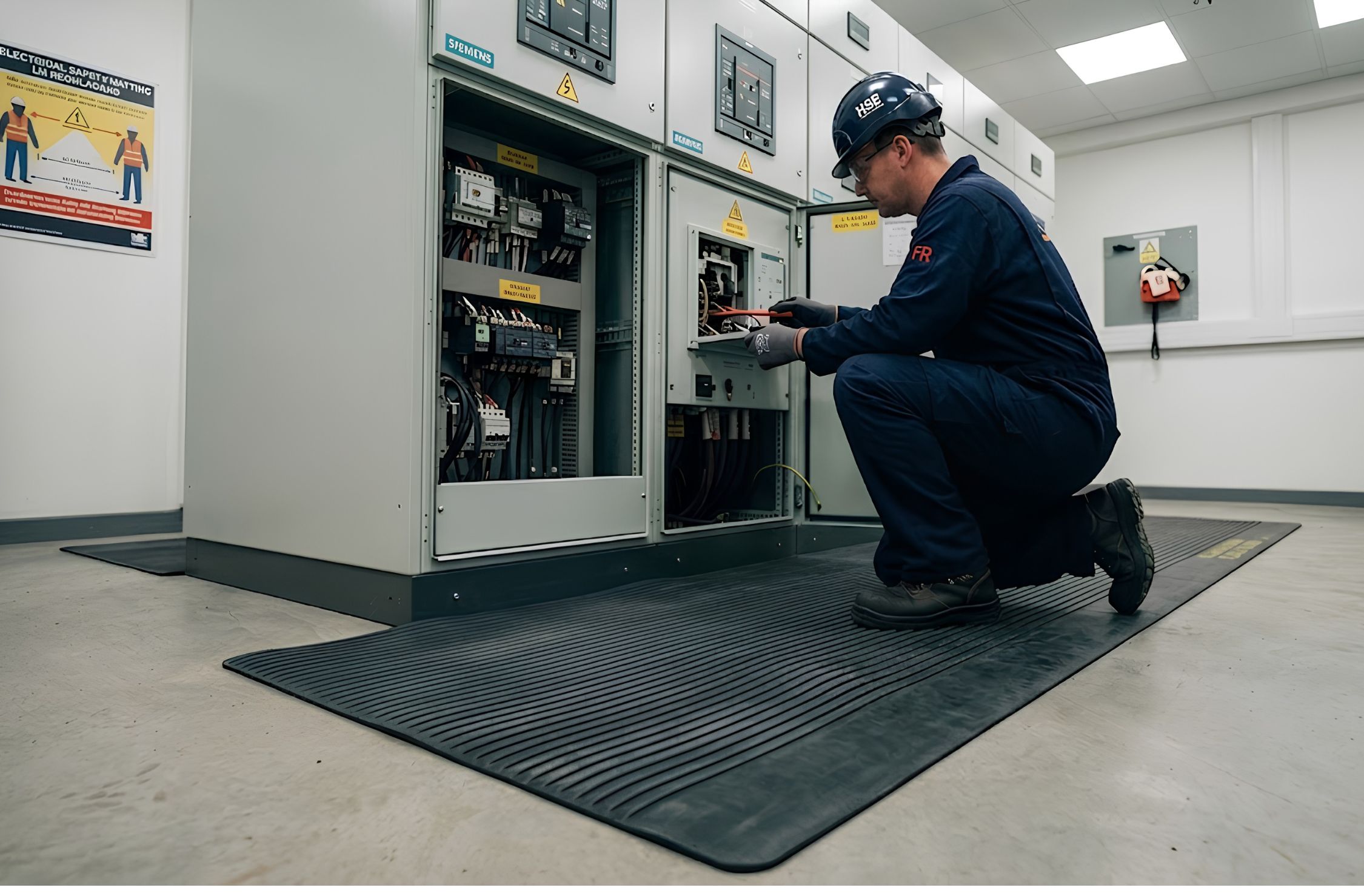
Every workplace must be suitably equipped with the relevant materials to create a safe and comfortable working environment. For example, workers at risk of electrocution when carrying out their day-to-day duties must be protected by the use of electrical mats.
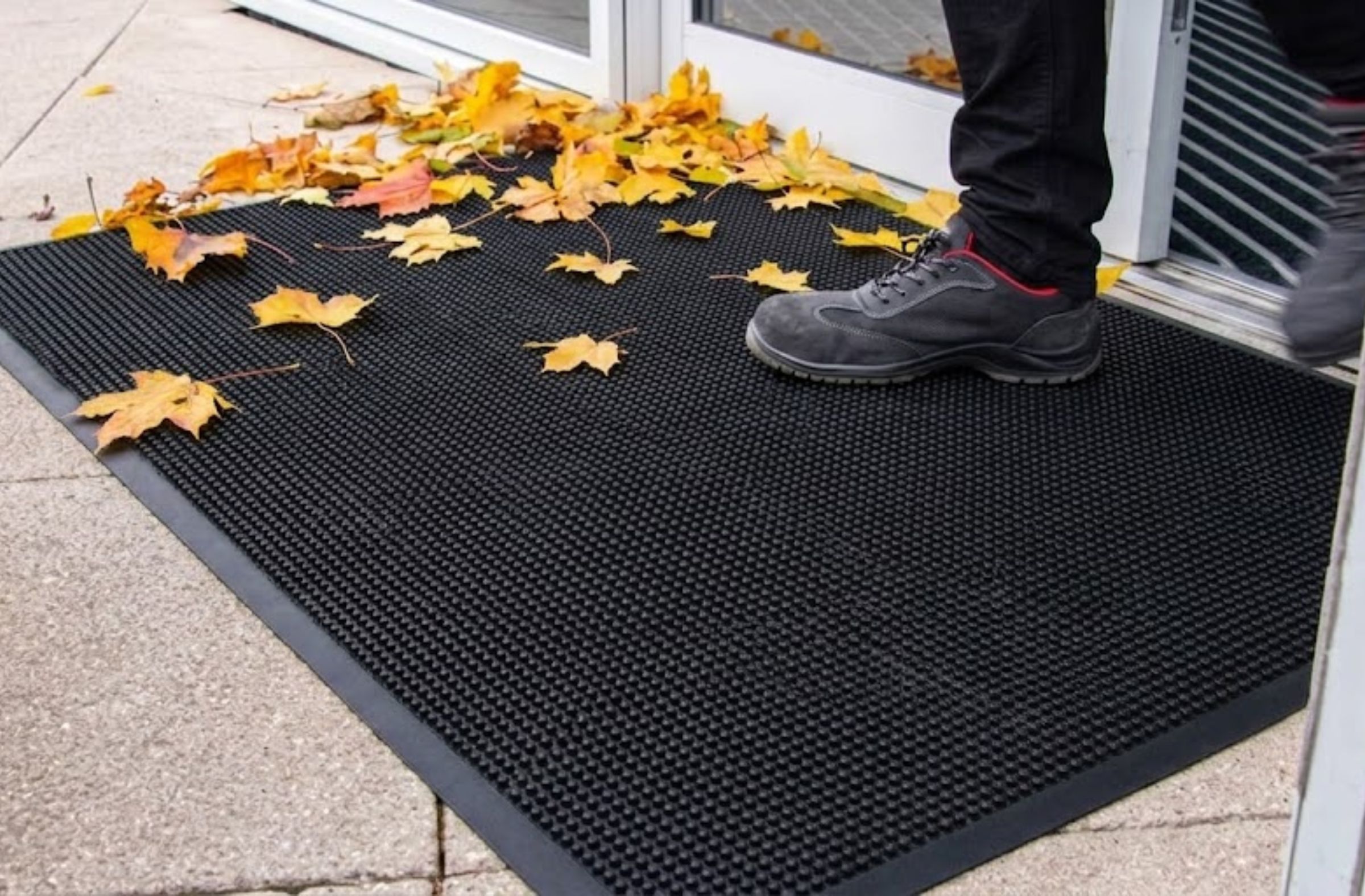
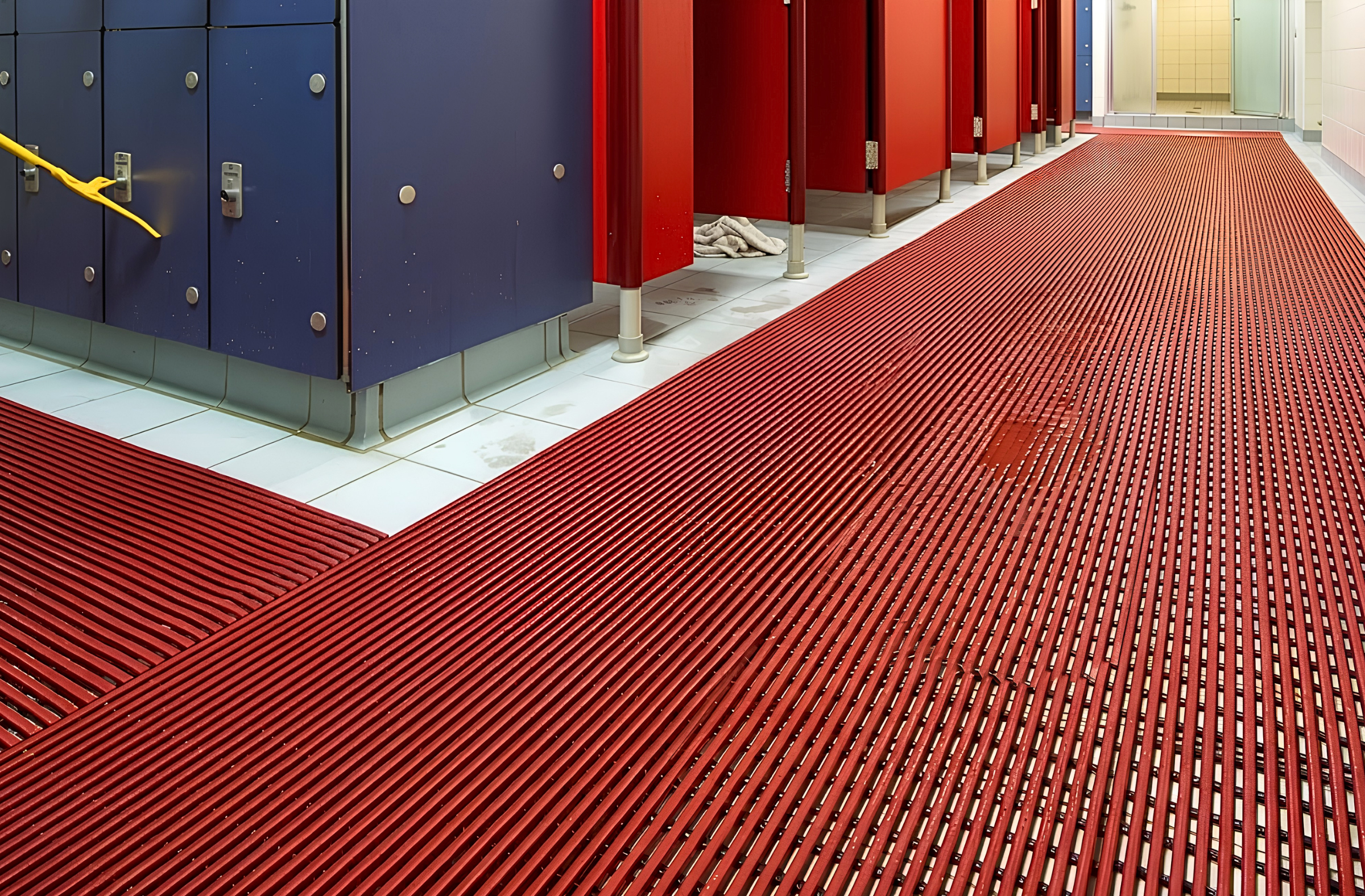
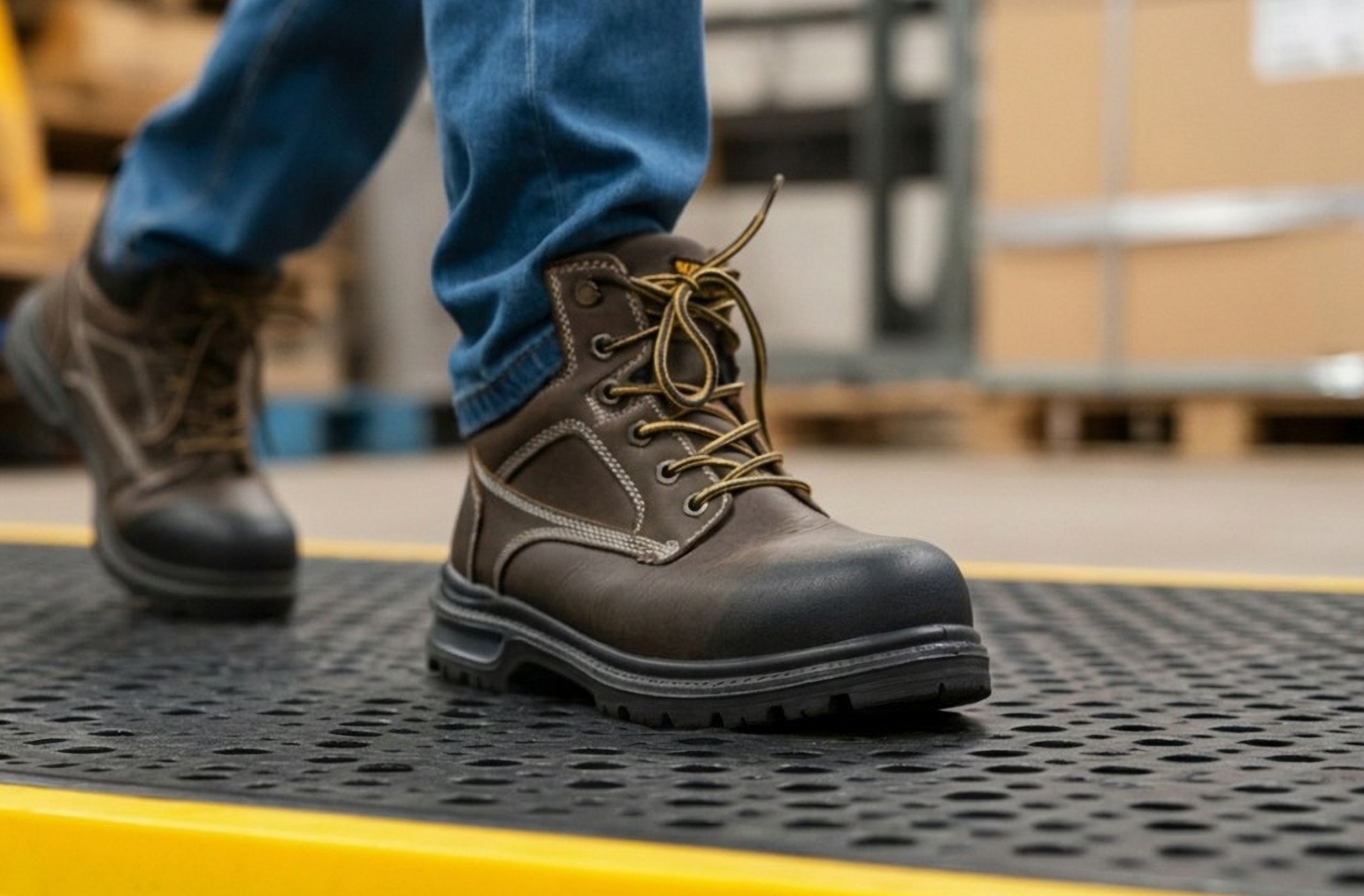
A commonly-used synthetic compound for rubber flooring, EPDM rubber is popular for use in environments such as workshops, gym floors and commercial interiors, thanks to its strong abrasion, impact, tear and slip-resistant properties.
Rubber flooring performs well at both low and high temperatures. Compatible with underfloor heating systems and HVAC systems, it maintains an ambient temperature and maximises energy efficiency.
Uses for rubber insulation today
Rubber is still used to insulate electrical cables today, because they are more flexible and can be used in a wide range of temperatures when covered in the appropriate compound.
Power tools, electrical appliances, pumps and electric generators extensively use rubber cables due to their high abrasion resistance and weather resistance. Chemicals such as oils are combined with the rubber to produce compounds with superior resistance to damage, temperature and wear-and-tear.
Vulcanised rubber can be used as a shock absorber for many appliances, as it will absorb vibration. Organic latex is commonly used to make rubber sheets, with the ability to resist damage in a high voltage situation, and elasticity that prevents it from breaking easily.
Rubber insulating sheets are frequently used in industrial premises and power stations, where the floors are often rubber-insulated to fulfil health and safety requirements. Rubber is also widely used in the mining and transportation industries.
In terms of smaller, everyday items, insulated rubber boots with a neoprene lining will keep you warm, even in very cold outdoor temperatures. In commercial and domestic kitchens, the handles of saucepans often contain rubber grips, as it protects heat flow from the metal pan from burning your hands.
An effective thermal insulator, with many different uses; rubber is a mainstay of industry today.