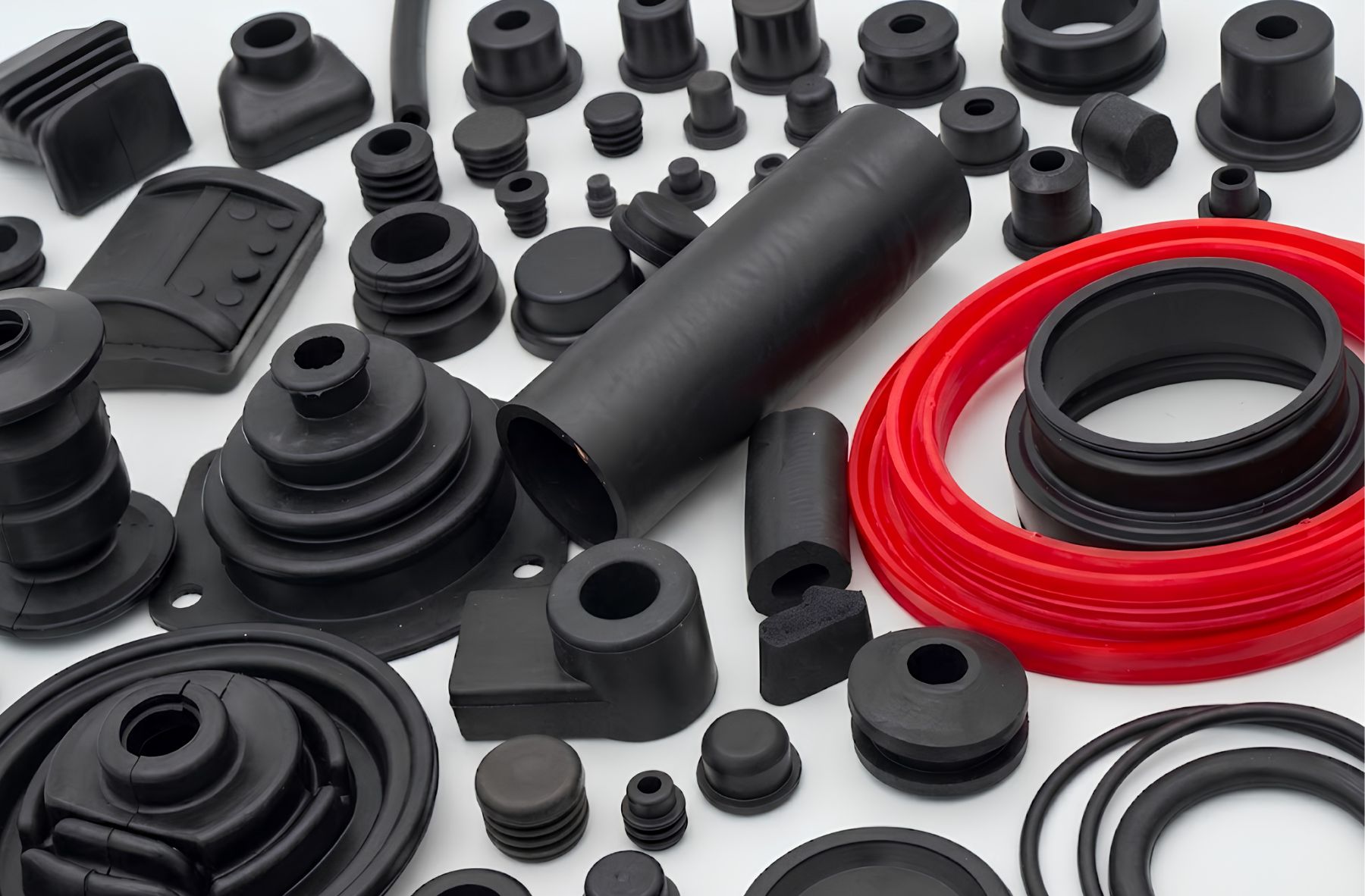
Once linked with traditional products such as tyres and rubber bands, rubber technology has made some groundbreaking advances in recent years.
Developments in sustainability, manufacturing and advanced materials has led to many rubber innovations that are changing the face of the industry.

© Oleksandr Nagaiets / Shutterstock
Eco-friendly practices
Perhaps one of the most topical innovations is the trend for eco-friendly products. The rubber industry has embraced sustainability practices as part of the increasing global movement towards saving the planet. Developments include more recycling of rubber waste and new eco-friendly rubber compounds.
Reducing carbon emissions and using bio-based materials are among the sustainable rubber production methods, aligning the industry with global environmental targets.
New advanced materials
The development of new materials by scientists and engineers involves the continuous exploration of new rubber formulation ideas, with the aim of enhancing durability, performance and versatility.
New materials are created to meet specific industry needs such as improved elasticity, a greater resistance to high temperatures and greater tolerance to chemicals. The resulting bespoke rubber products are transforming the industry.
Nanotechnology
Nanotechnology has significantly impacted developments in rubber technologies.
Engineers have achieved significant improvements in rubber materials such as wear resistance, strength and thermal stability by incorporating nanoparticles into rubber compounds.
This has specific benefits for applications such as automotive tyres, medical devices and industrial conveyor belts, where reliability, durability and precision are vital.
Smart rubber technology
Integrating smart technology and sensors into various rubber innovations has led to new avenues of design.
Smart rubber can report and monitor data in real-time, such as pressure points in medical applications, or tyre pressure in the automobile sector.
Innovations such as these improve efficiency and safety, while also reducing the costs of maintenance.
Rubber manufacturing advances
Advances in the processes used to manufacture rubber have included everything from the automated production line to computer-managed vulcanisation.
The innovations in manufacturing have reduced waste and improved efficiency. The lean manufacturing processes have contributed to environmental sustainability and cost savings.
3D printing
Advances in 3D printing and customisation have revolutionised the manufacturing of rubber components. It has enabled bespoke, intricate rubber parts that meet unique specifications to be made.
Many industries, such as healthcare and aerospace, have welcomed 3D-printed rubber components for their efficiency and precision.
In the healthcare sector, rubber technology plays a vital role in providing everything from catheters and gloves to rehabilitation aids and prosthetics.
The new manufacturing techniques are enhancing patients’ lives and improving diagnostic outcomes.
Rubber industry future
Innovation and technology in rubber are propelling every aspect of the industry into a golden future.
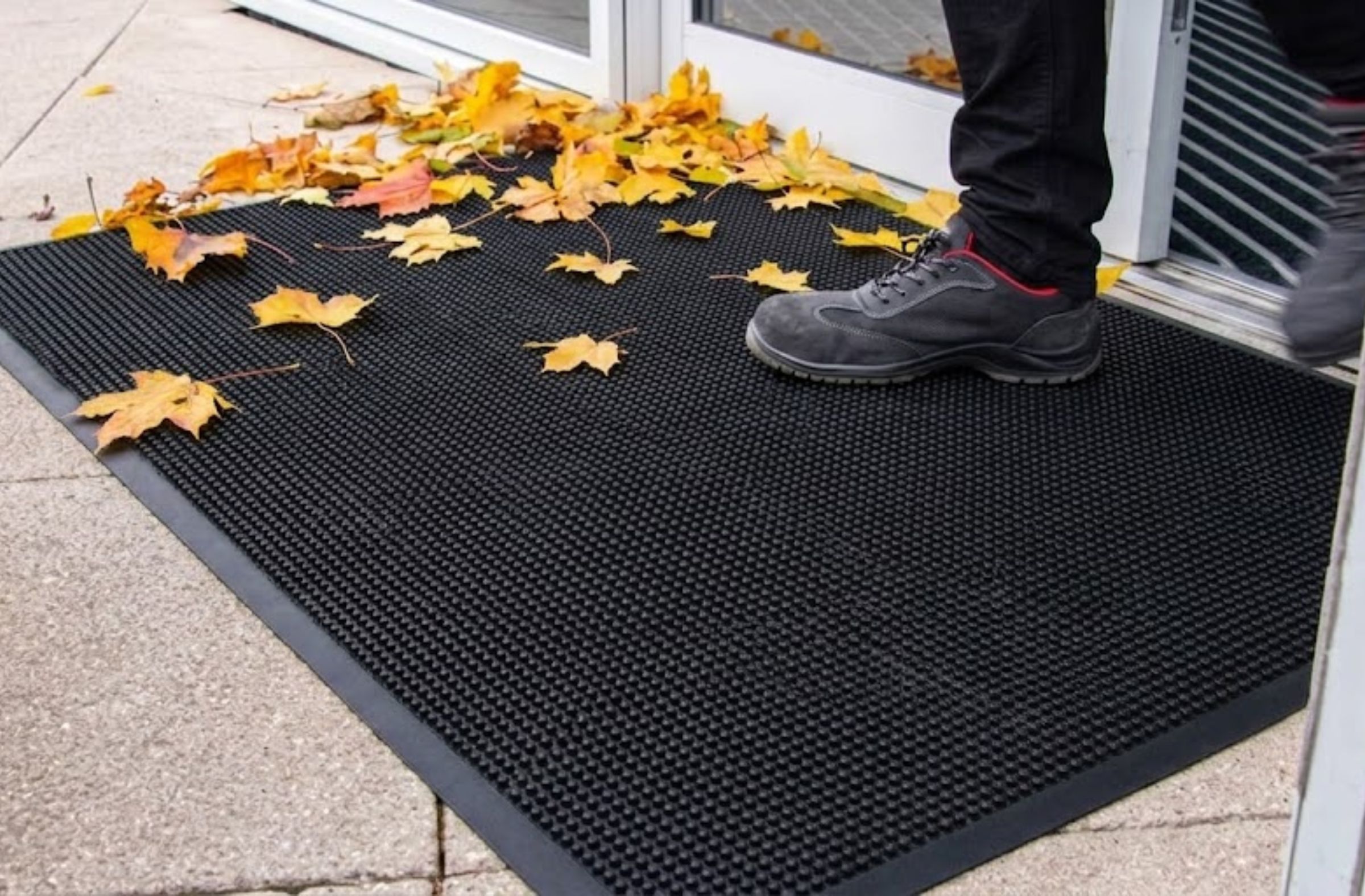
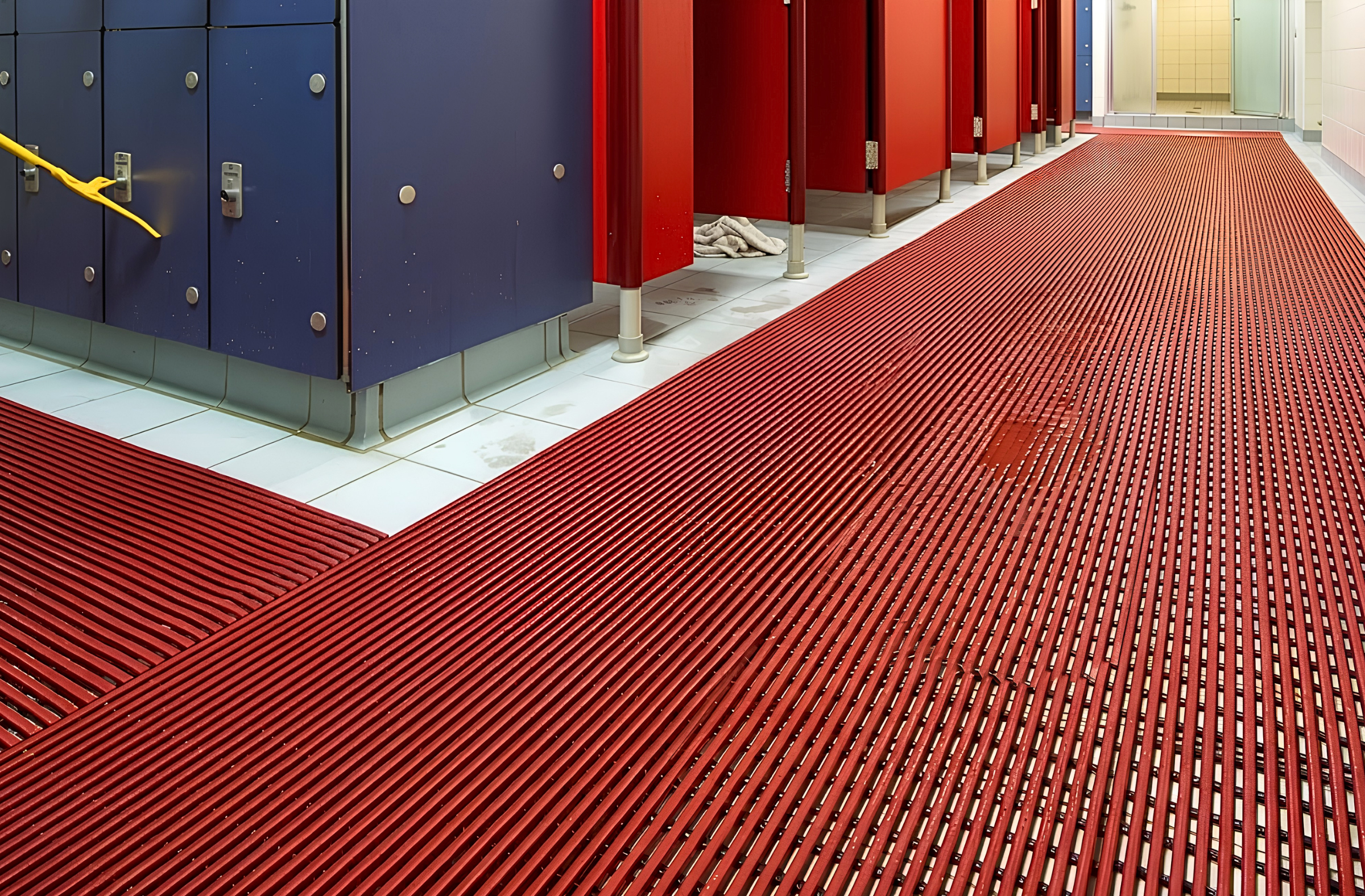
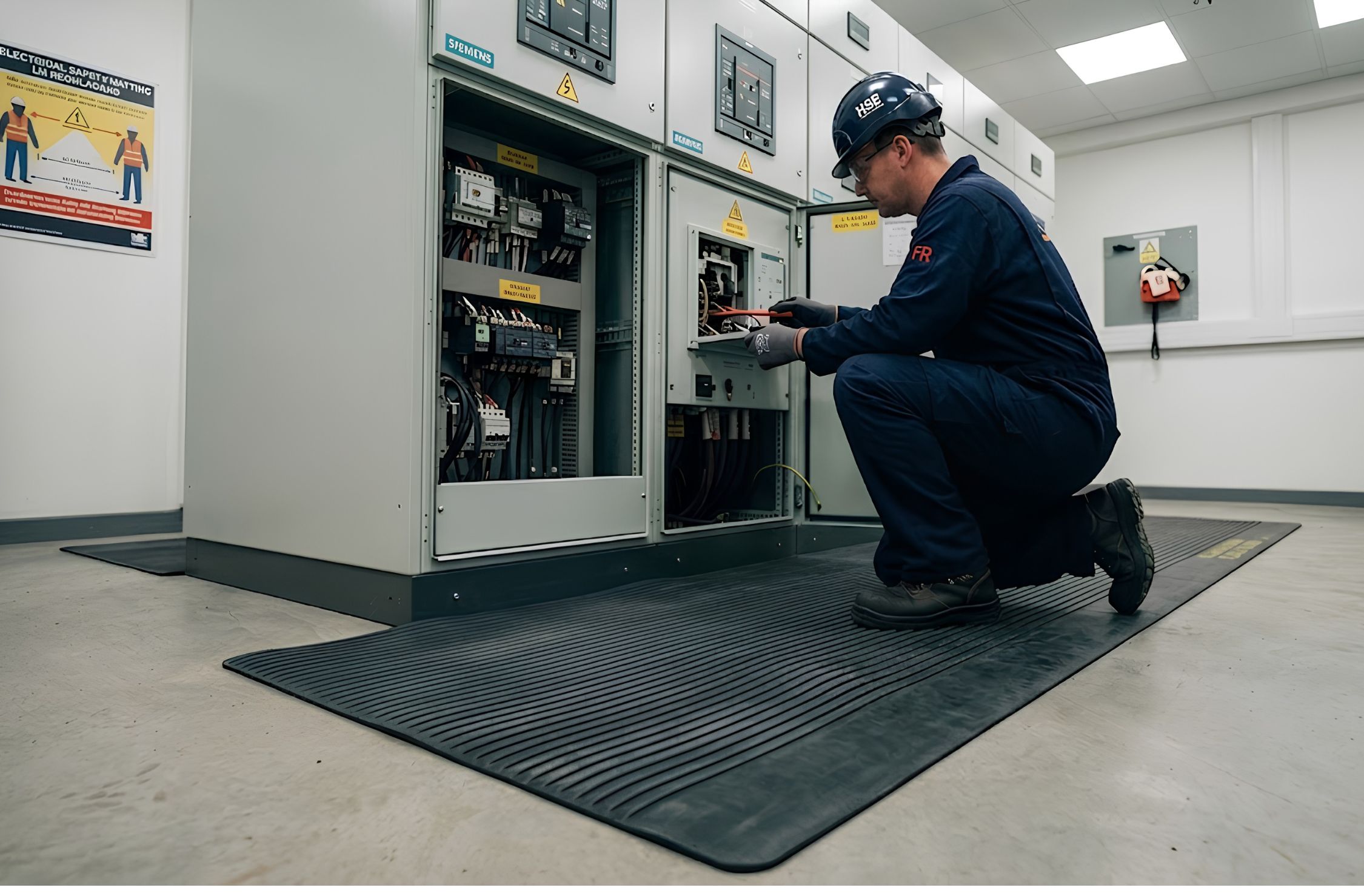
Whether people are looking for high quality rubber matting and sheeting, or more bespoke products using 3D printing, the world of rubber is going through a significant transformation.
The future possibilities are limitless!
Future developments in the pipeline include the manufacture of a self-heating rubber material and the innovation of more sustainable tyre recycling processes.
Scientists are also exploring the potential of rubber in emerging sectors, such as wearable technology and robotics.
Watch this space!