Efficiency, safety and durability are essential considerations for factory and plant managers in the demanding world of modern industry.
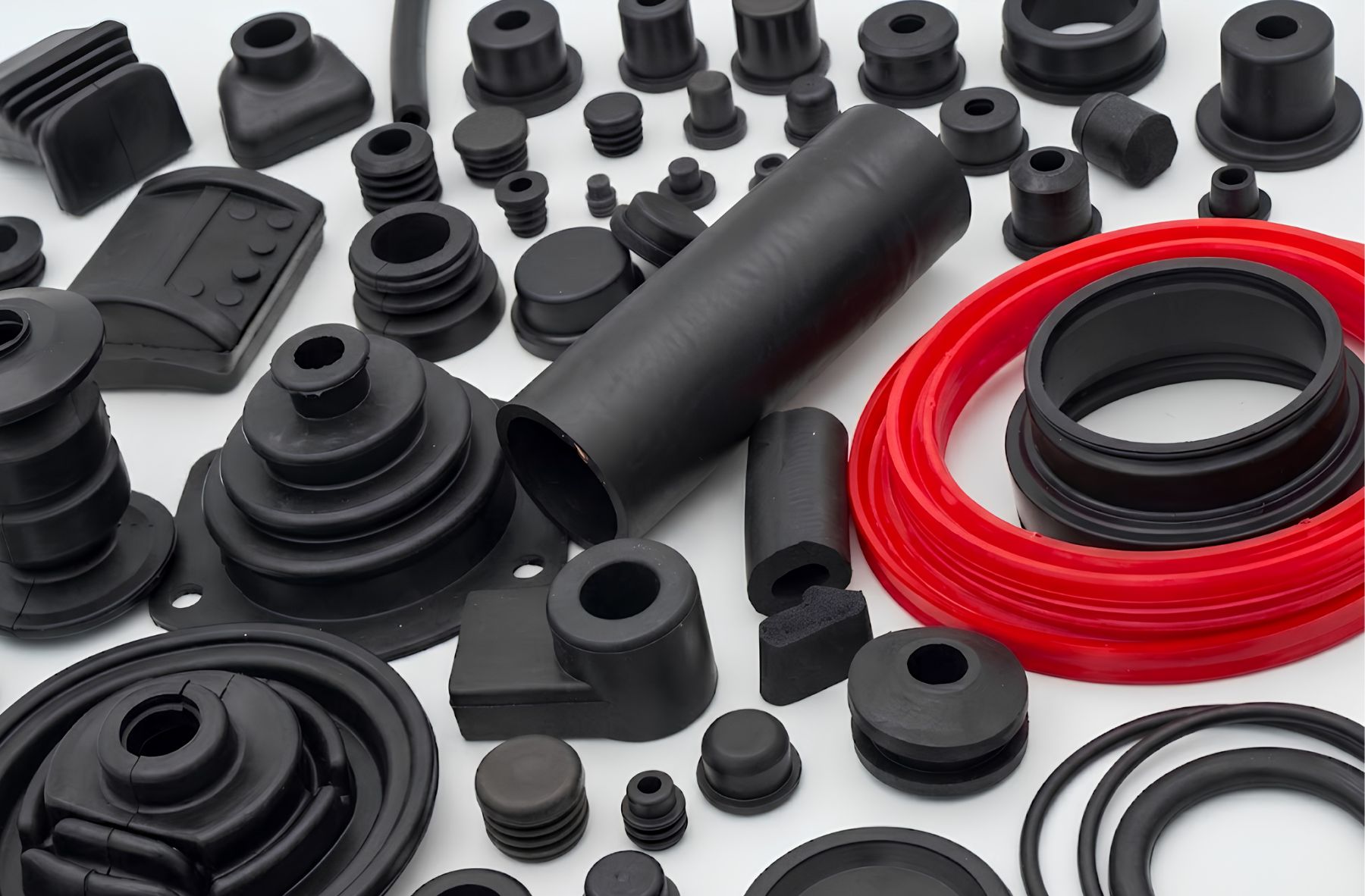
Success often hinges on important small details behind the scenes, such as using the correct rubber sheeting during operations. While it may not always be visible, its impact is undeniable, protecting machinery, enhancing safety and strengthening the environment’s overall resilience. From sealing machinery components to reducing noise pollution and guarding against hazardous leaks, rubber is foundational to a well-run facility.

© Virrage Images / Shutterstock
In particular, heavy-duty rubber sheets and speciality compounds such as EPDM rubber sheeting help industry to run smoothly. Determining the right material for your application, using best maintenance practices and knowing where to find quality products that meet today’s rigorous standards are also a big part of the equation.
Versatility of rubber in industry
Rubber is used across an expansive range of industrial applications, from oil and gas to manufacturing and construction. Its key value lies in its versatility: thanks to the many rubber compounds available, there’s almost always a formulation suitable for your unique operational needs.
Whether it’s protecting floors from chemical spills, insulating machinery, or creating gaskets and seals that prevent contamination and fluid loss, rubber sheeting does the hard work behind the scenes. Its ability to absorb impact, resist chemicals and withstand extreme temperatures makes it indispensable for ensuring efficient industrial operations.
As a trusted name in the UK rubber market, Coruba offers more than 50 grades of high-quality sheeting available in materials like Viton, Hypalon, Silicone and Butyl. Each suited for specific industrial challenges; we have products that are REACH, RoSH and PAH compliant, as well as CE marked.
Common types of rubber sheeting and their benefits
EPDM rubber sheeting is one of the most widely used options in outdoor and weather sensitive applications. With excellent resistance to UV rays, ozone and ageing, it’s a durable choice for seals, gaskets and vibration pads in harsh environments.
Commonly used in marine, automotive and HVAC applications, Neoprene is another industry staple favoured for its balance of oil resistance and flexibility. Nitrile rubber, or NBR, is prized for its high resistance to oils, fuels and chemicals, making it an ideal choice in petroleum based industries. Natural rubber offers superb elasticity and tensile strength, perfect for shock absorbing mats and anti-vibration mounts, although it doesn’t handle oil or weathering as well as synthetics. Silicone and Viton are high-performance materials used in more extreme environments where resistance to temperature, chemicals, or fire is necessary. Silicone, for instance, is WRAS and FDA approved, making it suitable for water systems and food processing plants.
Each of these rubber types is available in multiple grades and specifications. For high-impact applications, heavy-duty rubber sheets with higher durometer ratings and abrasion resistance ensure greater longevity.
Boosting machinery efficiency and lifespan
Without proper vibration isolation, machinery experiences accelerated wear and tear, leading to costly maintenance and unplanned downtime. Rubber sheets placed beneath equipment or between moving parts act as buffers, absorbing mechanical energy and preventing metal-on-metal contact. This prolongs the life of machinery and components, minimises maintenance frequency and enhances overall operational reliability.
In addition to mechanical protection, rubber plays a crucial role in noise control. In manufacturing environments where decibel levels can be dangerously high, it acts as a sound barrier, helping you to comply with legal occupational noise levels and creating a more comfortable working environment.
Rubber sheets also provide excellent sealing properties, ensuring fluids, gases, or particulates stay contained to protect both the equipment and the integrity of the process. Less vibration, less noise and fewer leaks are essential to industrial machinery maintenance.
Enhancing safety standards
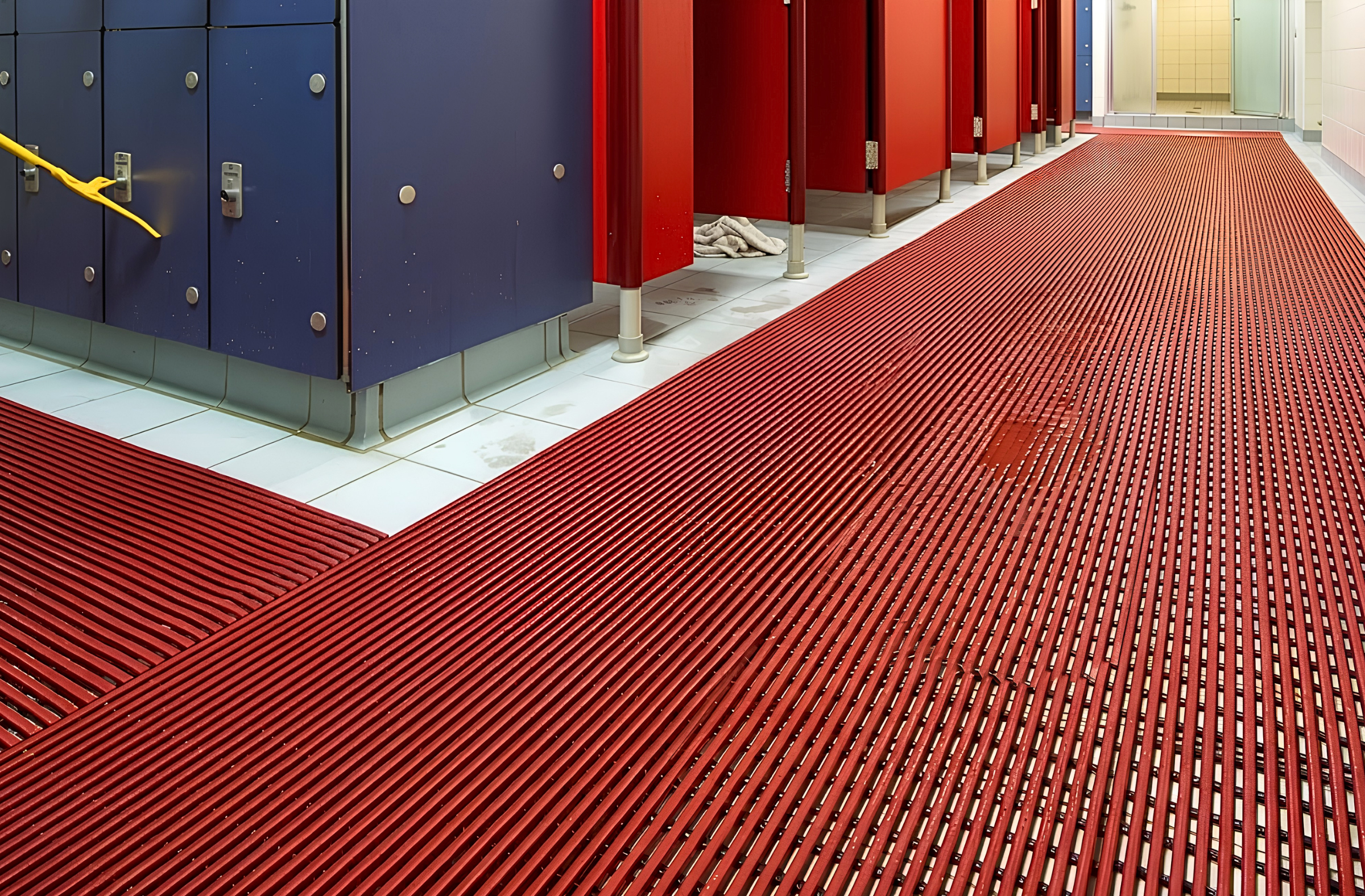
Safety is paramount in any workplace setting: slipping and falling are among the most common industrial accidents. Rubber flooring, especially when textured, offers high traction and reduces slip hazards in wet or oily environments.
Rubber sheeting also helps to contain hazardous materials in chemical plants or labs, preventing spills from seeping into the floor or reaching critical equipment. In areas where fire risk is a concern, flame-retardant rubber sheets provide a layer of protection.
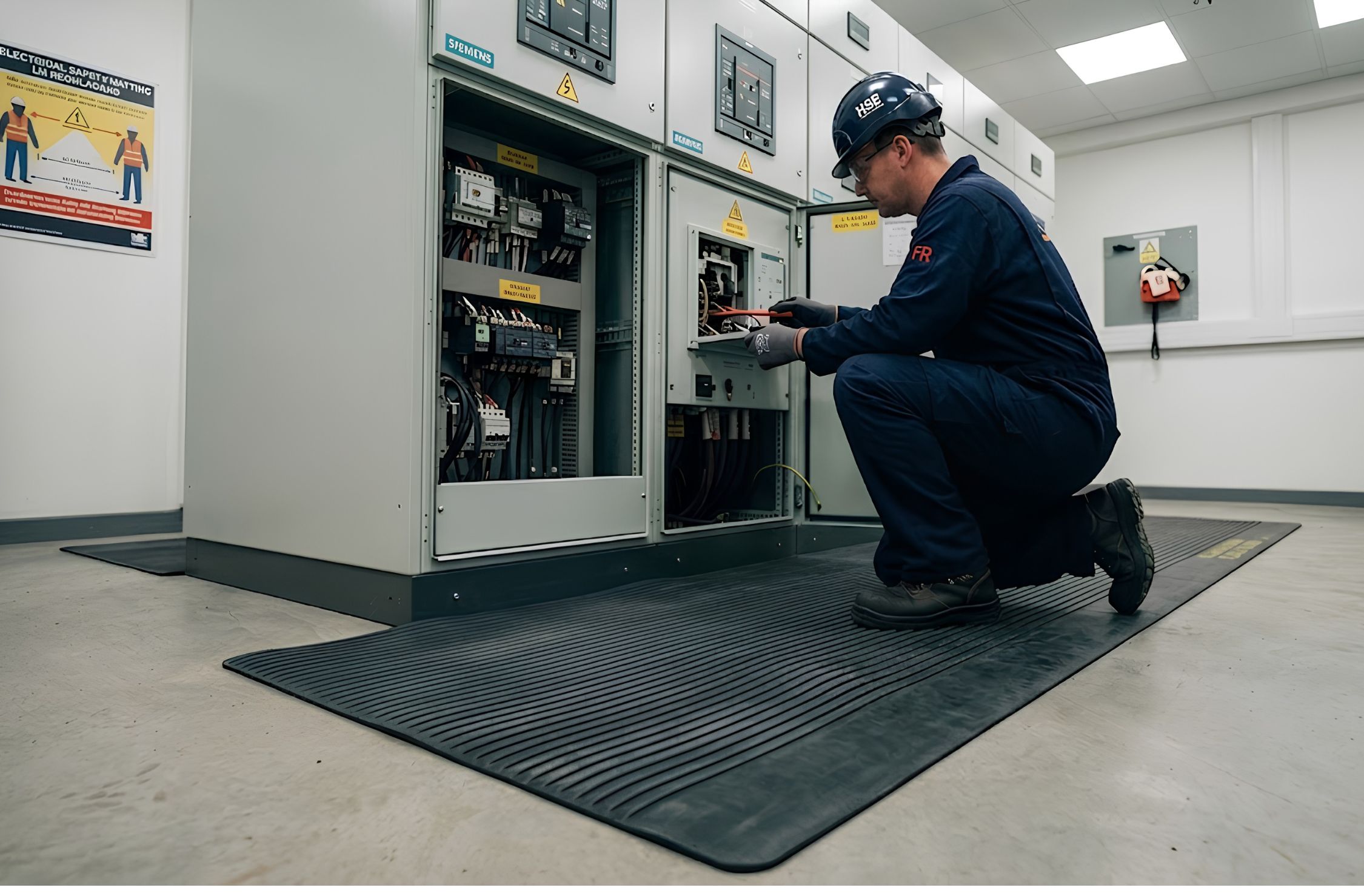
Another safety advantage is electrical insulation. Rubber’s natural resistance to electricity makes it ideal for mats in high-voltage areas, protecting workers from potentially suffering a shock.
Coruba offers rubber solutions that meet demanding safety standards including flame-retardant, oil-resistant, high-abrasion and WRAS-approved materials. Our products can be tailored to the exact dimensions required, whether you’re lining a tank, or fitting out an assembly line.
Choosing the right material for your operations
With so many different types of sheeting available, choosing the right one can be challenging. Is it for indoor or outdoor use? Will it be exposed to oil, chemicals, or extreme temperatures? Will it need to support heavy machinery, or is it being used as a flexible seal? Each case calls for a specific material and durometer rating.
Coruba manufactures rubber to recognised British Standards like BS2751 for nitrile and BS2752 for neoprene, ensuring quality and consistency across applications.
Best maintenance practices
Regular maintenance is essential to maximise the performance and lifespan of rubber products. Start with routine inspections, looking for signs of cracking, hardening, or chemical corrosion. Early detection of wear and tear can prevent catastrophic failures and costly downtime. Clean rubber surfaces regularly to remove grime, grease, or corrosive materials that may compromise its integrity over time.
For rubber used in seals or gaskets, ensure it’s not compressed beyond its limits, as this can lead to permanent deformation and ineffective sealing. For flooring or mats, periodic cleaning with mild detergents helps to preserve texture and grip. Storing rubber sheets correctly also extends their life. Keep them away from direct sunlight, ozone-generating equipment, or sources of extreme heat.
Trust the experts
Always invest in industrial rubber products that won’t let you down!
Rubber sheeting is a long-term investment in your business’s efficiency, safety and reliability, so it’s essential to choose a supplier who understands industrial demands. If it’s quality products you require, Coruba is a company you can count on.