Sustainability has become a central priority within the automotive industry, where manufacturers are under increasing pressure from regulators and consumers to design vehicles with a lower environmental footprint across their lifecycle.
While powertrains and lightweight materials often dominate the conversation, smaller components also play a significant role in achieving meaningful results. Used extensively throughout vehicles, rubber is one such material where smarter design and manufacturing choices can deliver tangible environmental benefits.
© ungvar / Shutterstock
Understanding bespoke rubber components
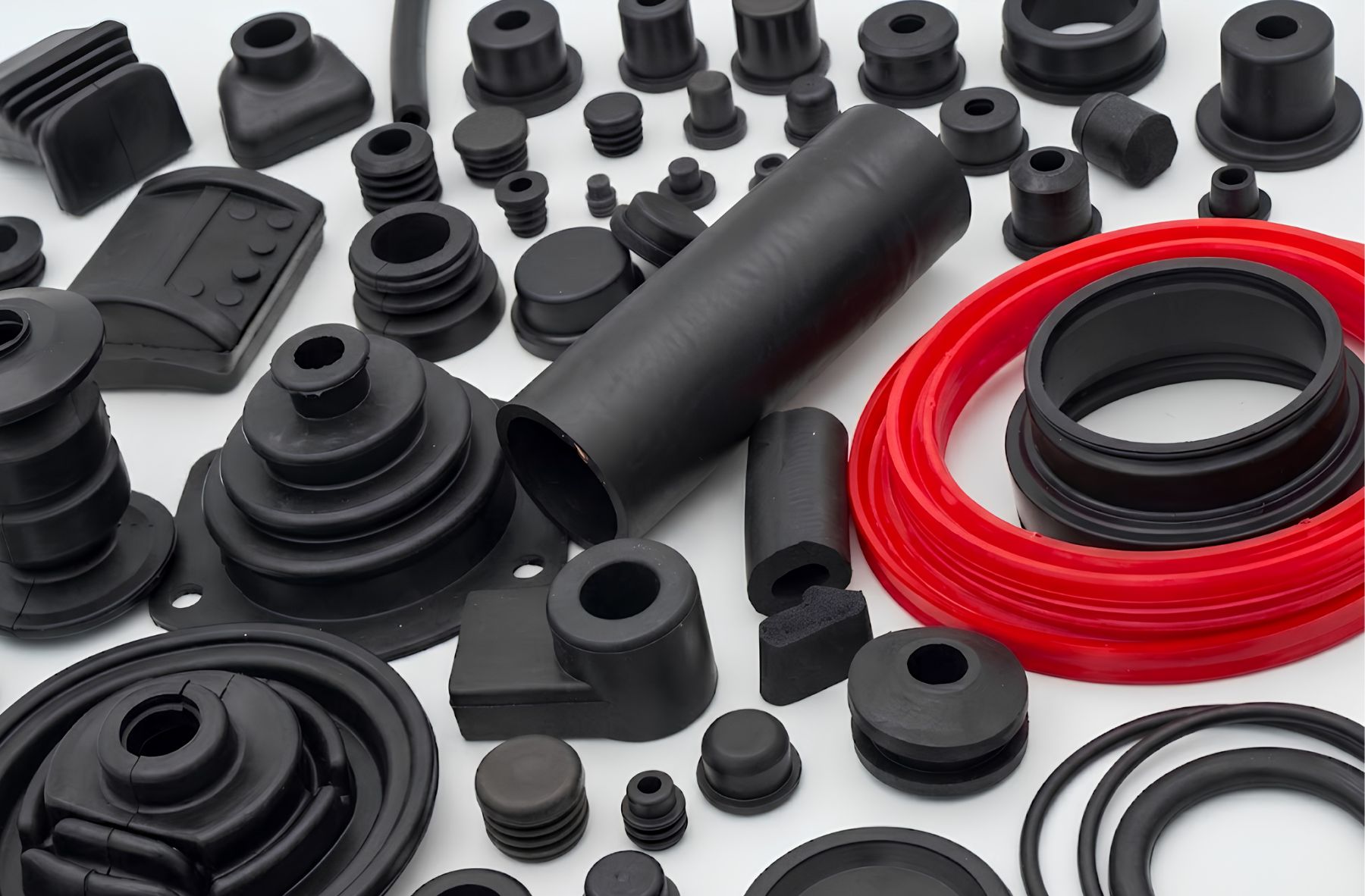
Custom rubber parts differ from off-the-shelf alternatives in that they’re engineered for a precise application, reducing compromise and inefficiency. They can include seals, gaskets, anti-vibration mounts, hoses and protective components, all tailored to exact dimensions, tolerances and performance criteria. Within automotive design, this approach allows rubber moulding processes to be optimised for performance, longevity and sustainability from the outset.
Is rubber eco-friendly?
Automotive sustainability isn’t only about reducing tailpipe emissions; it also encompasses materials selection, manufacturing efficiency and end-of-life considerations. The environmental impact of rubber in vehicles includes energy intensive manufacturing, waste from trimming and rejected parts, and challenges around recycling. By rethinking how rubber components are designed and produced, manufacturers can significantly reduce these impacts.
Reducing waste through precision manufacturing
One of the strongest arguments for bespoke rubber components is their ability to reduce material waste. Traditional mass production often results in excess trimming, unused stock and components that are modified post-production to fit specific applications. Bespoke rubber manufacturing, by contrast, focuses on precision.
Components are designed to the required specification from the beginning, which means less excess material and fewer rejected parts. Studies by the European Commission suggest that up to 30% of industrial material waste can be attributed to inefficient design and overproduction, highlighting the importance of precision-led approaches in manufacturing.
Durability in automotive environments
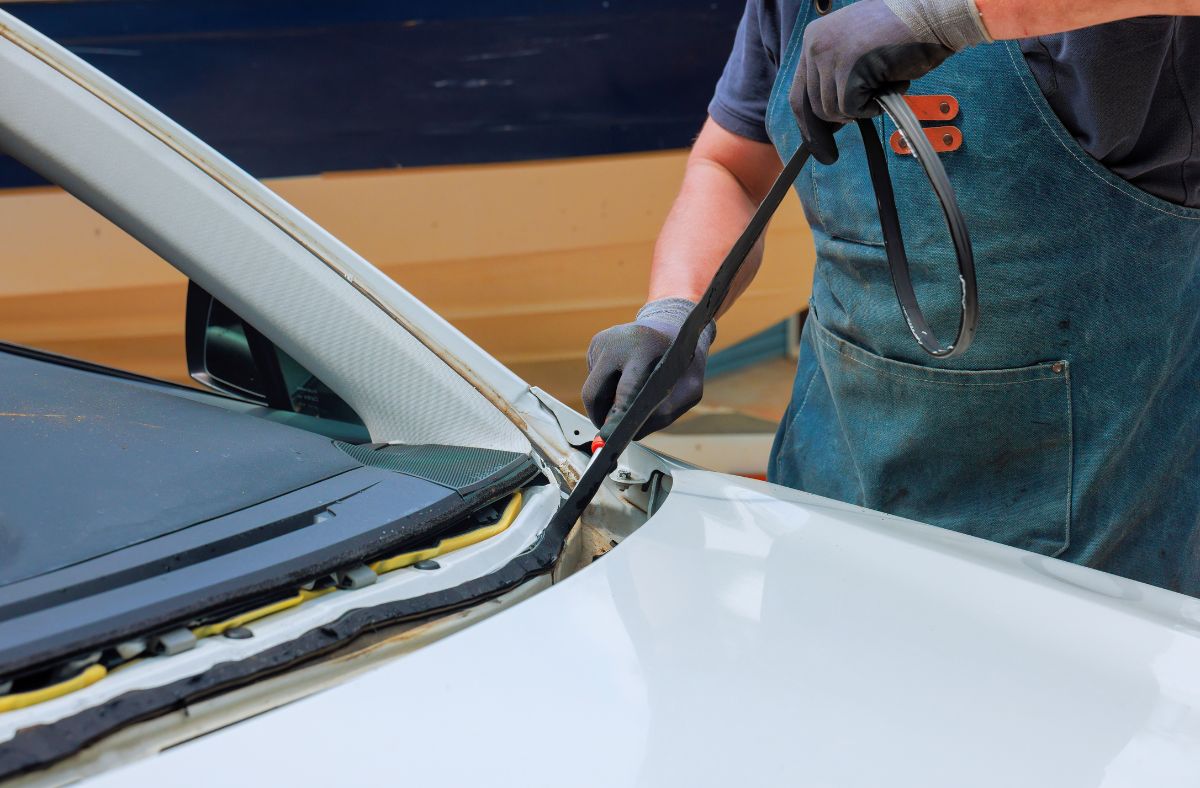
Automotive components are exposed to extreme temperatures, oils, fuels, vibration and weathering. Bespoke rubber products can be engineered using specific compounds and geometries to withstand these harsh conditions more effectively than generic alternatives. Enhanced durability means components last longer, reducing the need for replacements and lowering the overall consumption of materials.
From a sustainability perspective, longevity is a key metric. Fewer replacements translate directly into reduced resource extraction, lower manufacturing emissions and less waste entering the supply chain.
Supporting the circular economy
The concept of the circular economy is gaining traction across the automotive sector. It focuses on keeping materials in use for as long as possible, extracting maximum value and recovering materials at the end of their life. Bespoke rubber components align well with these principles.
Custom design enables engineers to consider end-of-life outcomes early in the development process, including how parts can be removed, separated, and recycled. Circular design strategies can reduce material related emissions by up to 40% in some industries, reinforcing their relevance to automotive manufacturing.
Designing for disassembly and recycling
An often overlooked aspect of sustainability is how easily components can be disassembled at the end of a vehicle’s life. Bespoke rubber solutions allow designers to specify bonding methods, shapes and material combinations that simplify separation from metal or plastic parts. This makes recycling more viable and reduces contamination in recycling streams.
Considering that end-of-life vehicles in the UK must meet strict recycling and recovery targets under EU-derived regulations, designing rubber components with disassembly in mind is becoming not only good practice, but also a commercial necessity.
When assessing the environmental impact of rubber, it’s important to look beyond the material itself and consider system level efficiency. Bespoke rubber components can contribute to improved sealing, reduced noise and vibration, and better thermal management, all of which can enhance vehicle efficiency and comfort. Gains in these areas support broader sustainability goals, particularly when multiplied across large production volumes. Custom solutions also allow for the use of alternative or optimised compounds where appropriate, balancing performance with environmental considerations.
Coruba’s approach to bespoke rubber products
Utilising our purpose-built 11,000 sq. ft in-house manufacturing facility in Cambridgeshire, Coruba works closely with customers to fabricate high-quality bespoke rubber components to exact specifications. With extensive knowledge and experience within the rubber industry, the team provides guidance throughout the entire process, from selecting the most suitable rubber compound to final manufacture and delivery.
Custom-cut processes include slitting, lamination, die cutting, kiss cutting, pressing, punching, linishing, and data-driven quality control, all delivered with an emphasis on efficiency and reduced waste.
From a commercial perspective, bespoke rubber components also make strong economic sense. While initial tooling and development costs may be higher than off-the-shelf parts, the long-term benefits often outweigh these investments. Over time, these factors contribute to a lower total cost of ownership, supporting both sustainability objectives and profitability.
Flexibility for evolving automotive requirements
The automotive industry is evolving rapidly, with new platforms, electrification and changing regulatory requirements. Custom rubber components offer the flexibility needed to adapt to these changes. Whether adjusting hardness levels, chemical resistance, or geometries, bespoke parts can be refined as requirements evolve. This adaptability reduces the risk of obsolescence and supports continuous improvement – a cornerstone of sustainable manufacturing practices.
As the automotive industry continues its shift towards more sustainable practices, thoughtful material and component choices will play an increasingly important role in shaping a more resilient and responsible future.