Owning a fishing vessel comes with responsibilities, such as carrying out routine maintenance. The more frequently you use your boat, the more likely it is to sustain wear and tear or accidental damage. If your vessel has been under-cover during the winter, perform some basic safety checks and maintenance before going out to sea again.
For commercial fishing boat owners, your vessel is an investment and your income depends on it. Keeping it in the best condition is protecting your investment. If your boat isn’t deemed seaworthy, it may invalidate your insurance should you need to make a claim.

© FOTMA / Shutterstock.com
The owners of small commercial vessels are governed by a code of conduct drawn up by the Maritime and Coastguard Agency, in liaison with the Small Vessel Codes Working Group. The aim is to set safety standards for everyone on board, from crew members and trainees to passengers.
To ensure safety standards are maintained; the code relates especially to the vessel’s construction, machinery, equipment, stability and operation. It is the boat owner’s responsibility to properly maintain the vessel in accordance with the code.
Is slipping in the boat a common hazard?
Trips, slips and falls are among the most common causes of injury on boats, so you must be vigilant. In the past decade, research by insurers cites trips, slips and falls as being responsible for 20% of all injuries on board vessels of all sizes.
Injuries can range from less severe sprains to a more serious fracture or back injury. The code of safe working practices suggests everyone onboard must wear suitable safety footwear. Spillages should be cleaned up as soon as they occur and any obstructions must be removed.
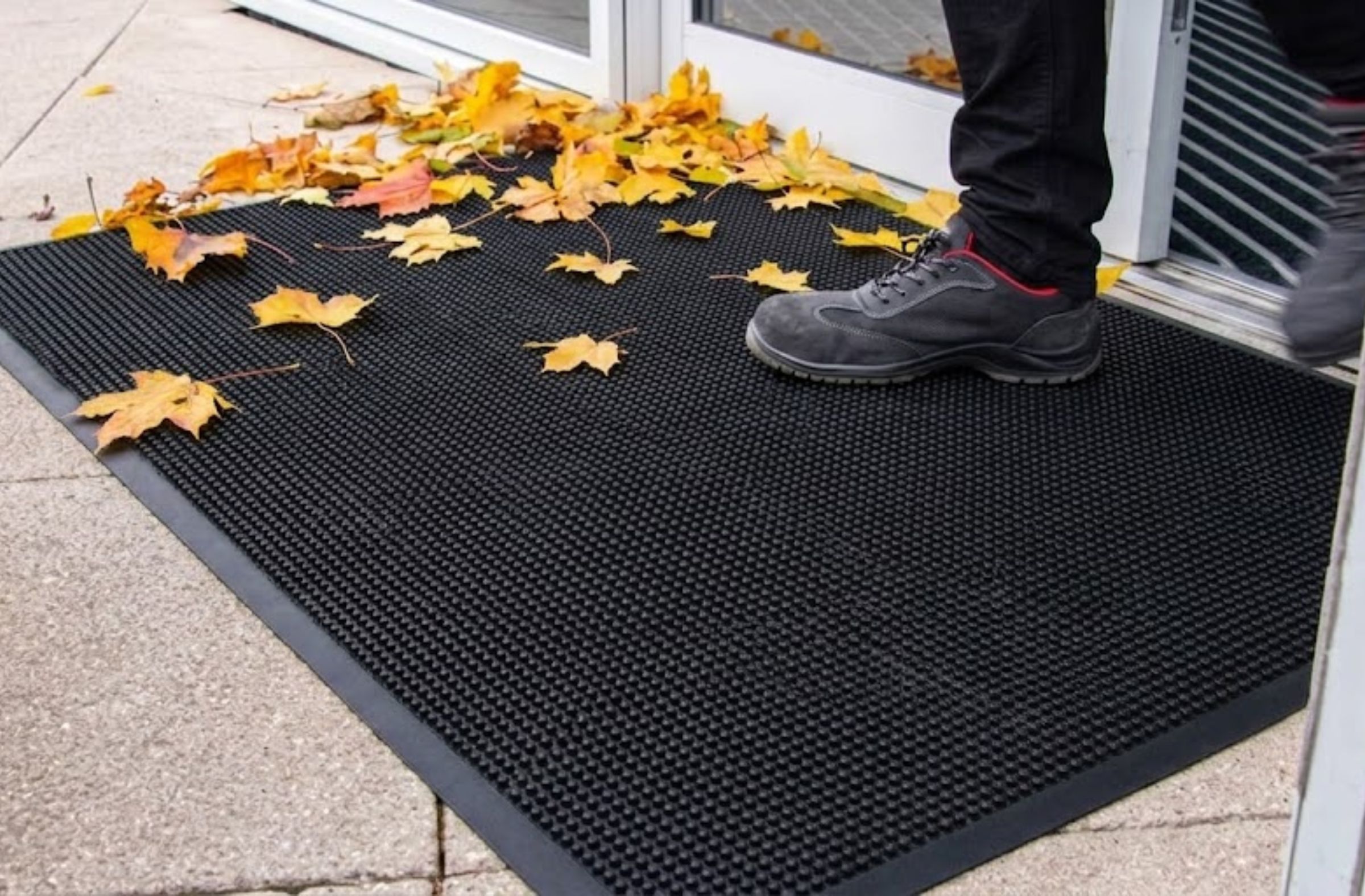
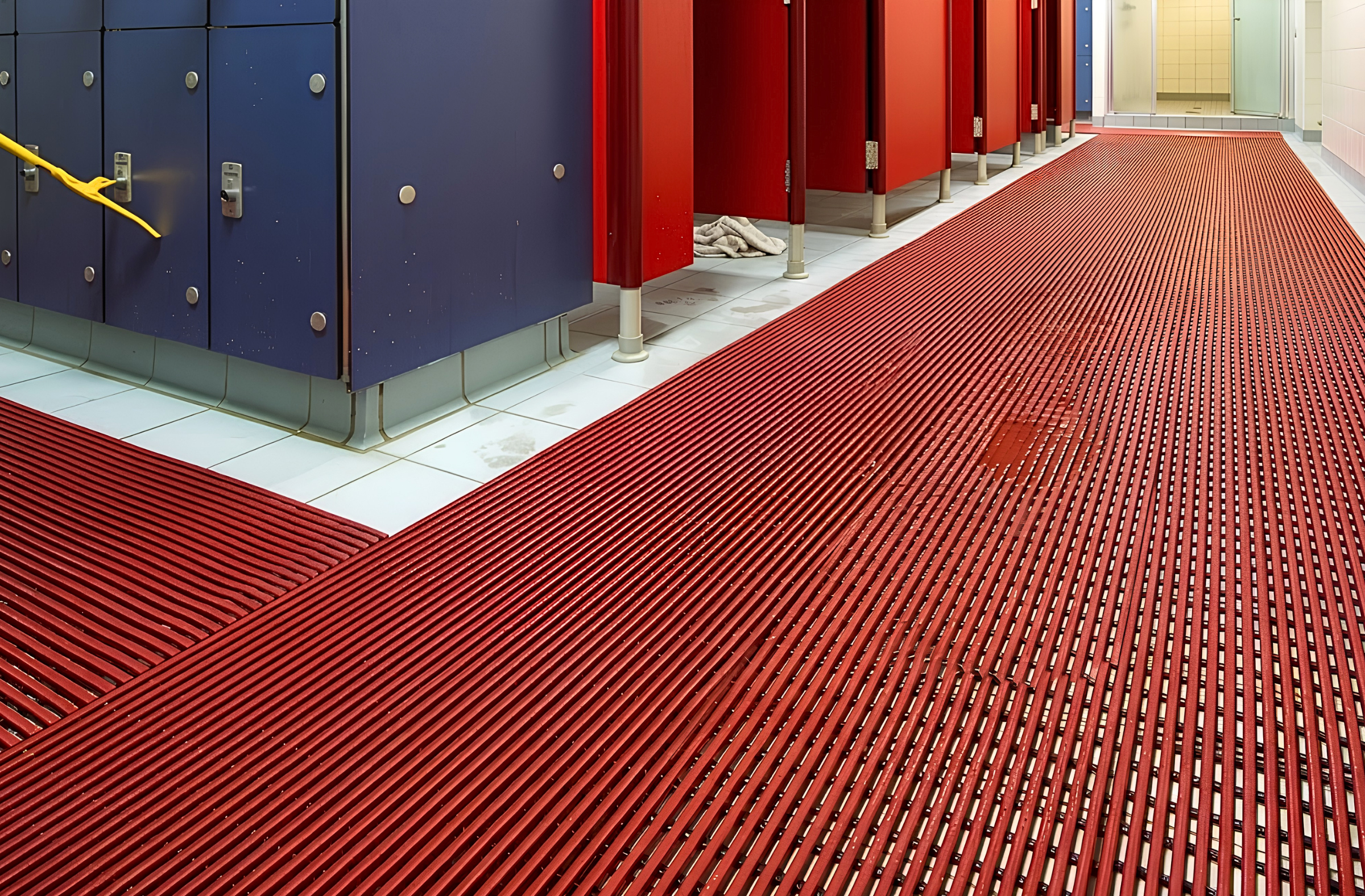
Always hold a handrail when possible and perhaps most importantly, install anti-slip surfaces such as marine rubber matting to minimise the risk of slipping.
Engine, fuel system and exhaust
When carrying out regular fishing vessel maintenance, inspect the engine, fuel system and exhaust for obvious damage or leaks. Pay attention to the fuel hoses’ connections and the fuel tank’s surfaces. If the fuel hose is showing signs of cracking, it may be getting brittle with age and will need replacing.
Ensure damaged components are replaced before putting out to sea again. When parts have been replaced, double-check the fittings and clamps are tightly secured afterwards. Check for any signs of rust on the tank and make sure it is secure.
Look for any bulges, kinks or corrosion on the exhaust and ventilation system. Repair or replace any components where necessary. The main places where leaks occur are the engine manifold and exhaust’s elbow joints.
Finally, make sure you remove any debris or flammable materials, such as oil rags, from the area surrounding the outboard following safety checks.
Oil and filters
Change your oil, lubricants and filters regularly, just as you would in a car engine. The rule of thumb is that it should be done once annually or for every 100 hours’ operation, depending on which comes first.
You’ll need an oil extractor pump to extract the oil through the dipstick tube. Some vessels have their own draining mechanism. Either way, replacing the oil is relatively simple and something you should be able to do yourself.
Check with the maintenance manual for your particular boat, or enlist the services of a professional if you’re unsure. Also make sure your drive lubricants and oil filters are changed at the same time.
Belts, hoses and cables
Check all the belts, hoses and cables for signs of wear and tear. Any that have deteriorated and become brittle must be replaced. The belts should fit snugly round pulleys, as loose fitting belts can lead to slipping. Look out for signs of deterioration, such as black residue round the pulley.
Check the steering control cables and throttle jacket for swelling and cracking, as this may indicate internal corrosion – this can be very dangerous if not resolved promptly.
Electrical system
The nerve centre of your boat, the electrical system, must be inspected and tested regularly by a qualified marine electrician. You can perform their own visual checks on the various parts, but make sure you disconnect the battery first.
Check all connections for corrosion and make sure they are clean and tight. Lightly corroded terminals or cable connections should be cleaned with a wire brush but replaced if they are in really bad shape.
Check your battery is charged on a regular basis. If it’s showing signs of not holding the charge, replace it.
Fluid levels and propellers
Check all fluid levels on a regular basis including power steering, coolant, engine oil and power trim reservoirs. Also look for cracks, pitting, dings or any type of distortion on the boat’s propellers. This could damage the drive train.
Also make sure the propeller is fixed securely and replace the bearings. Even the smallest dent on a propeller can make your vessel less efficient, which will add to fuel costs.
Hull
The boat’s hull must be inspected regularly, but this is difficult when it’s in the water. Wait until you’re in dry dock and then look for signs of distortion or damage including cracks, blistering or swelling. Clean the hull when it’s out of the water, using a marine-friendly, non-toxic cleaning product.
Also clean the deck and topsides while in dock. Make sure you have the required number of anchors onboard, checking the length of the chain. Also ensure the tackle is properly secured.
Regularly check the condition of safety equipment, such as life jackets. There must be enough for everyone on board. Test your carbon monoxide detector regularly in any enclosed areas of the boat. Always have fire extinguishers on board and store them safely and securely, using the correct signage.
Remember that preventive fishing vessel maintenance is cheaper and safer than having an accident or breakdown at sea that could risk people’s lives.