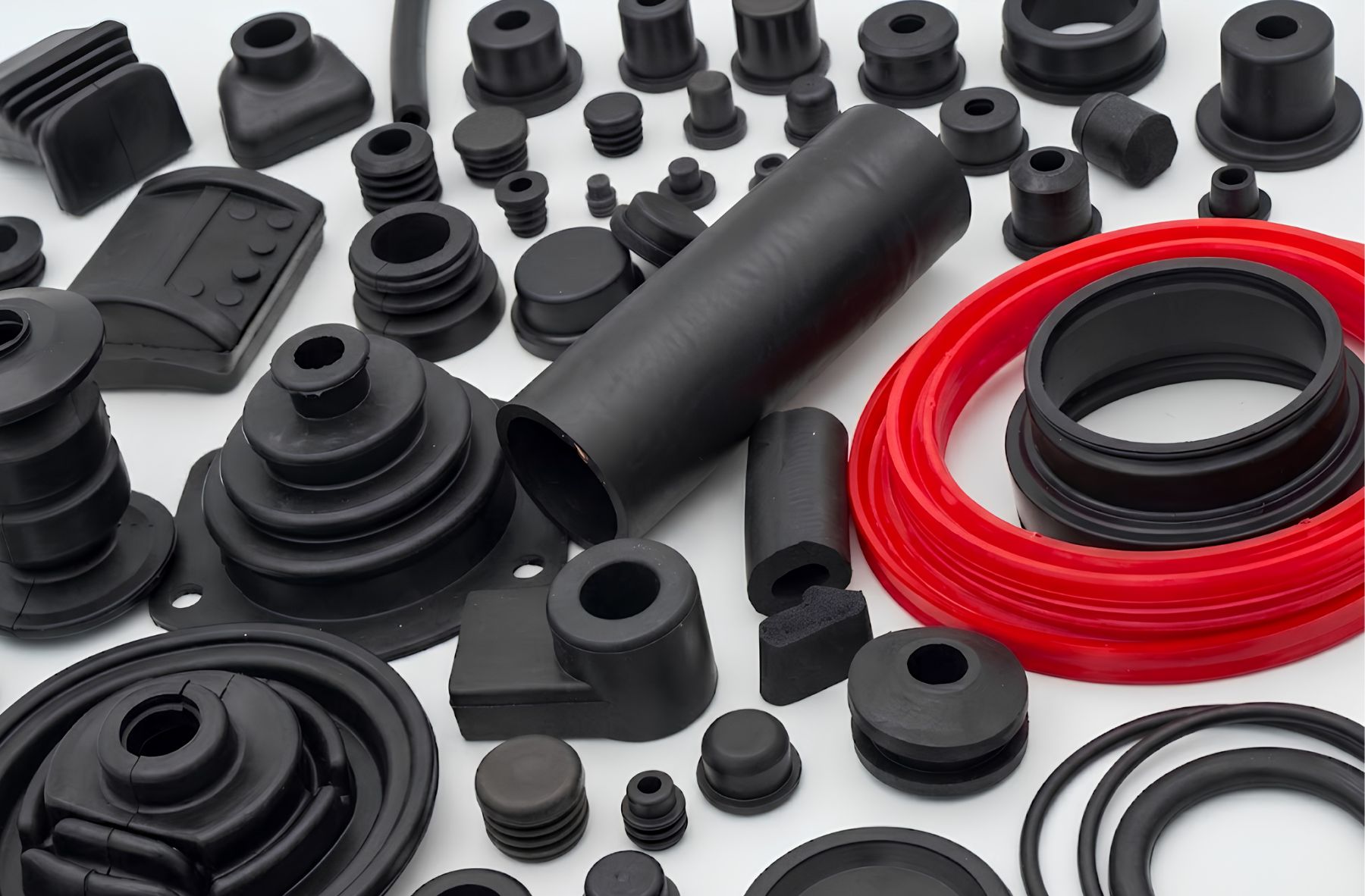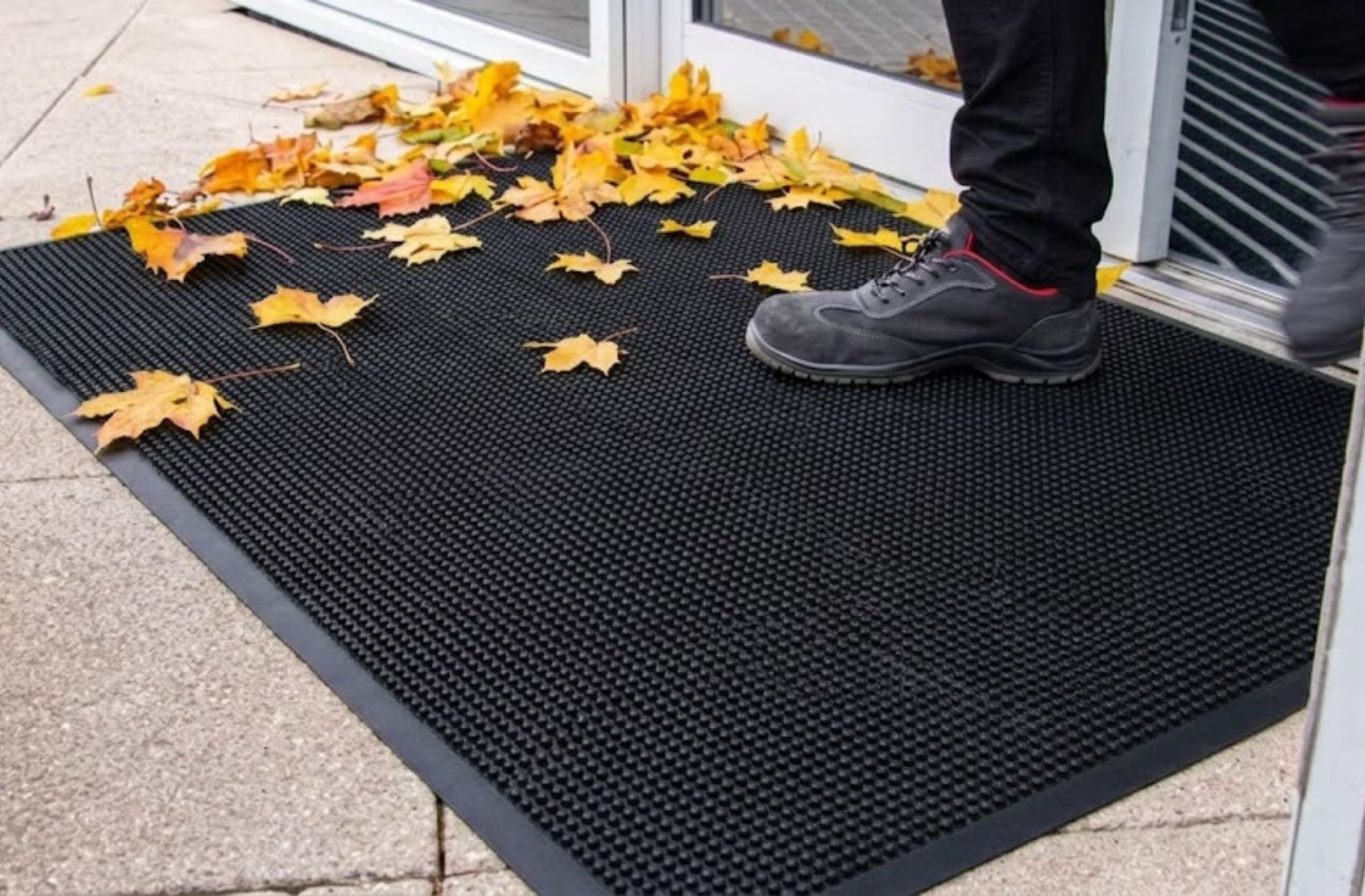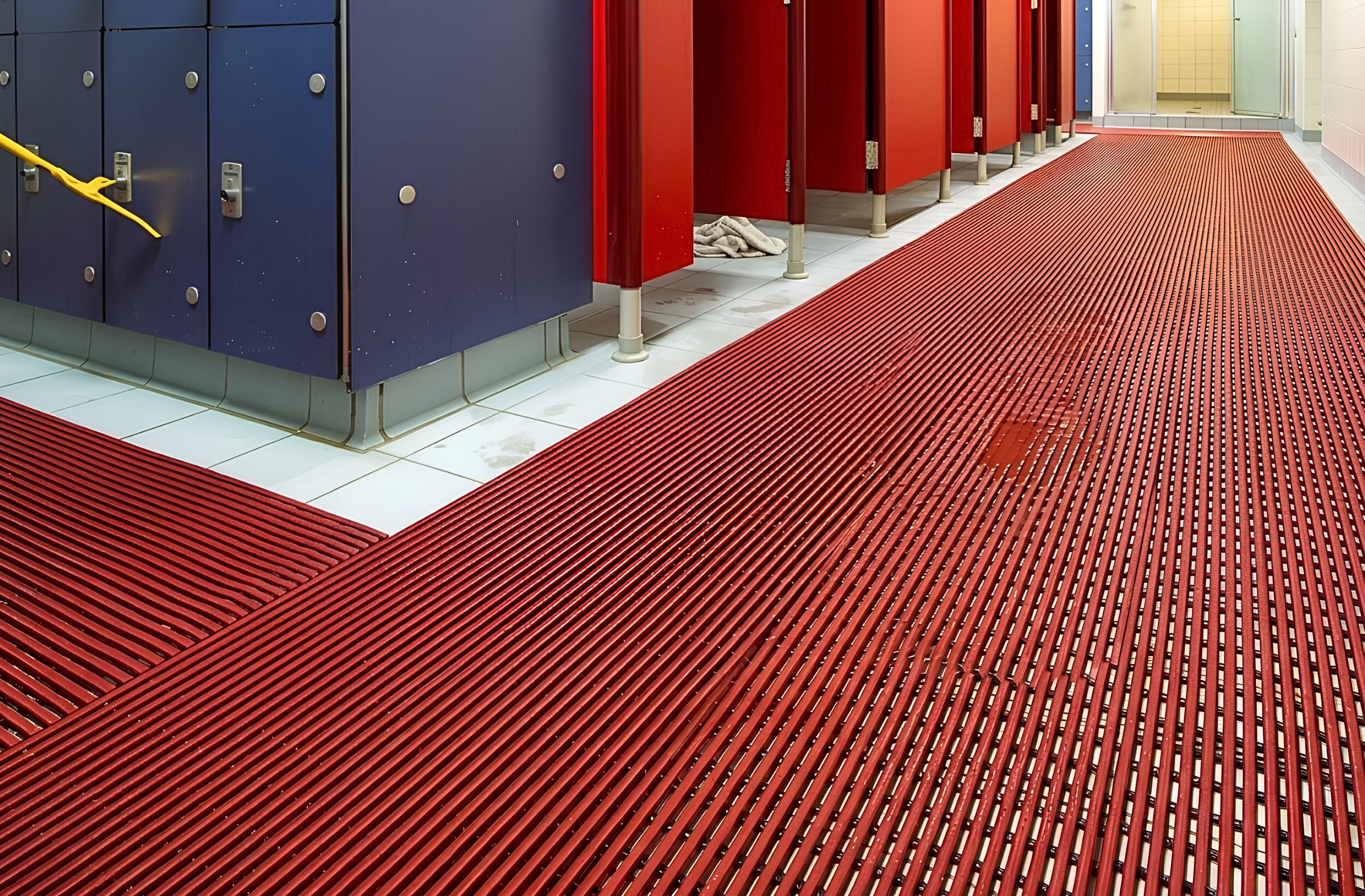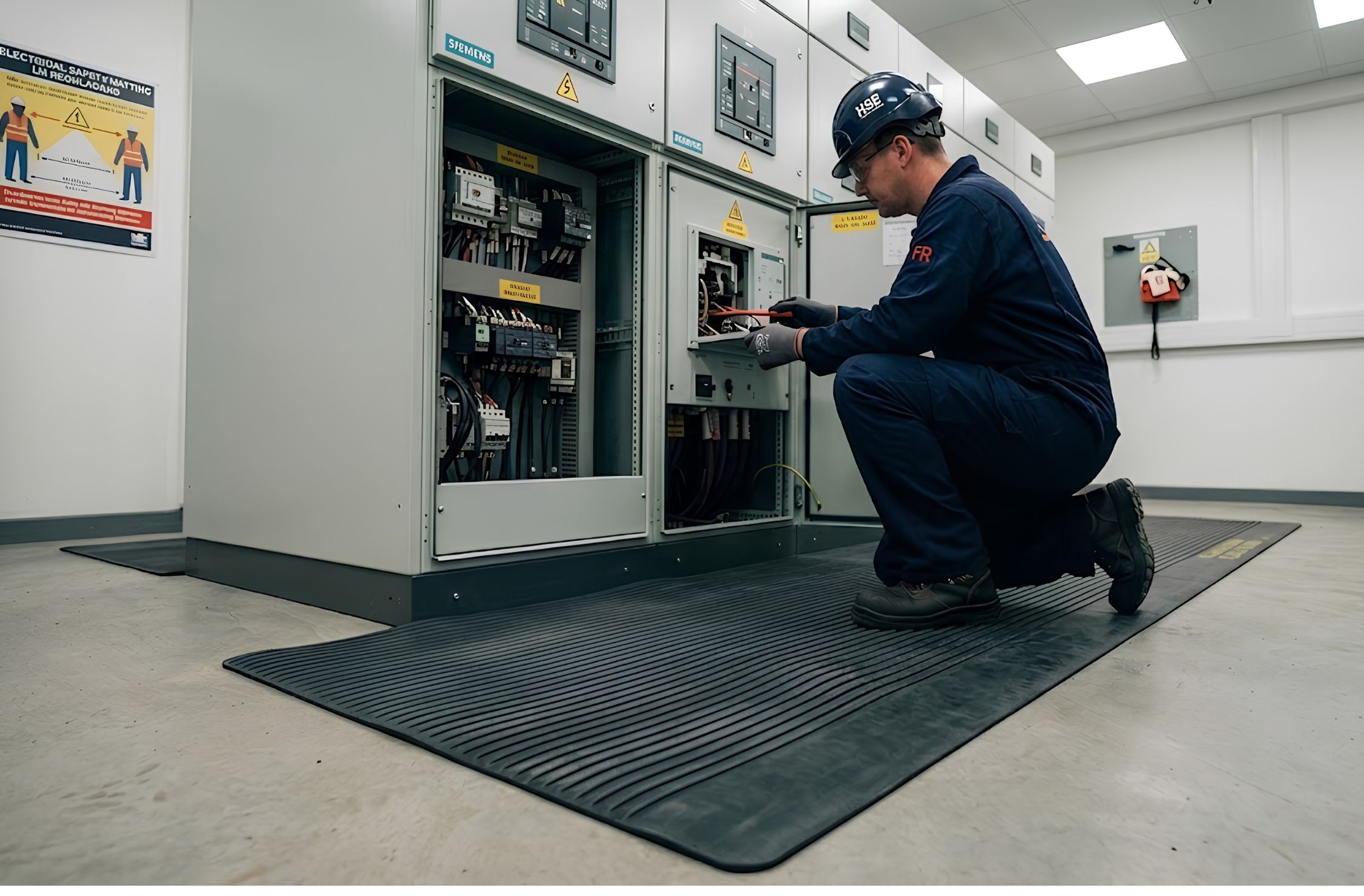
Rubber flooring is widely used in environments where ordinary floor coverings can struggle with repeated traffic, impact, moisture or demanding working conditions. While a familiar sight in gyms and fitness facilities, the combination of resilience, wear resistance and underfoot comfort makes it suitable for a much wider range of commercial, industrial, educational and leisure applications.
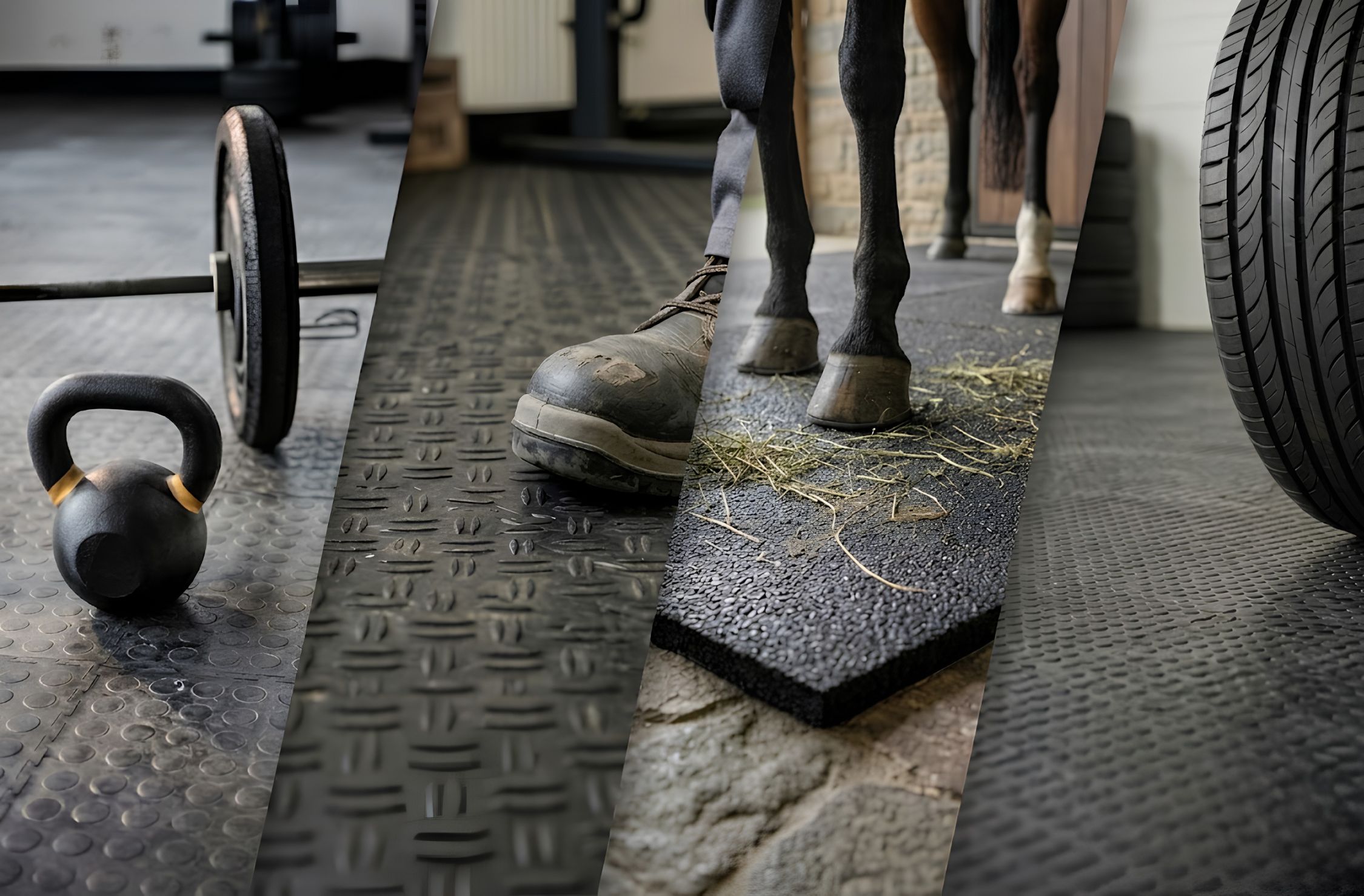
© AI / Coruba
The key is selecting a specification that matches the intended application. Thickness, density, surface finish, material composition and format all influence which rubber flooring solutions are genuinely suited to client demands.
What is rubber flooring?
Manufactured from natural or synthetic rubber compounds, often combined with fillers and other materials to achieve specific performance characteristics; rubber products are available as mats, rolls, tiles and sheets. Specifications range from relatively lightweight surfaces through to heavy-duty flooring designed for demanding industrial applications.
Recycled rubber, commonly sourced from end-of-life tyres, is used in some products, while others are manufactured from virgin synthetic or natural rubber. Composition can influence properties such as resilience, hardness, resistance to wear and chemical compatibility.
Choosing flooring by performance
The most suitable rubber flooring specification depends on the type of load, frequency of use and conditions the floor will face. However, performance must be considered in context. A highly resilient floor can be advantageous where impact absorption is important, but a harder, denser rubber may be preferable where resistance to indentation and wear is the priority. A thicker product can provide greater cushioning and impact absorption, but a harder rubber surface may resist indentation and abrasion more effectively. A softer construction can provide greater comfort underfoot.
Material composition also affects chemical and environmental resistance. In workshops, garages and industrial environments, the flooring may meet oils, fuels, cleaning chemicals or other substances. The manufacturer’s chemical-resistance data should be checked before use.
Some rubber compounds are better suited to temperature fluctuations or cold environments than others, making product-specific technical information important where flooring will be exposed to challenging conditions.
Rubber flooring mats, rolls, tiles and sheets
Rubber mats are useful when protection is required in defined areas, rather than across an entire floor such as around machinery, workbenches, entrances or exercise equipment.
Rubber rolls provide more continuous coverage and can reduce the number of joints across a large area. This can benefit commercial or industrial spaces where consistent coverage is required and there’s significant pedestrian or equipment traffic.
Tiles provide a modular approach. Individual sections can potentially be replaced if localised damage occurs, making them practical where the floor is exposed to predictable areas of wear. Interlocking systems can sometimes be easier to install.
Rubber sheets can be useful where hygiene, cleaning and water management are important considerations. In applications where cleanliness is critical, the complete flooring system, including seams, adhesives and subfloor, needs to be considered rather than simply selecting a sheet product.
Durability and resistance to wear
A busy commercial entrance may experience thousands of pedestrian movements, while a workshop floor may face abrasion from equipment, wheeled loads and dropped components. These different demands influence how quickly a surface deteriorates.
A product designed for heavy pedestrian use may not perform as well under concentrated rolling loads. Individual wheels or castors can create greater localised pressure than foot traffic, so imposed loads should be considered when selecting a suitable specification.
Slip resistance in demanding environments
Slip resistance becomes particularly important where moisture, contamination or cleaning processes are involved. Rubber provides a degree of natural traction, while surface profiles and textures can further improve grip.
The surface profile should suit both the type of traffic and the cleaning regime. Where slip resistance is a significant safety consideration, look for test data relating to the specific flooring product and intended conditions, rather than relying on general descriptions such as “non-slip”.
Impact absorption, noise and comfort
Rubber flooring can help absorb impact from dropped objects and moving equipment, although the degree of absorption depends on the product specification. The same properties can reduce noise associated with footsteps, moving equipment and minor impacts in educational and leisure environments.
Workstations, service areas and production environments can place considerable demands on employees who remain on their feet for much of the working day. A rubber floor can provide greater comfort than concrete or other hard surfaces.
Rubber can also be appropriate for certain healthcare, transport, agricultural and specialist industrial applications. In these settings, hygiene, chemical resistance, cleaning compatibility and slip performance may take priority over impact absorption.
Moisture and cleaning requirements
Areas exposed to water, frequent cleaning or wet footwear require a flooring system that can cope with those conditions. Joints, seams, adhesives, subfloor preparation and drainage can all affect the performance of the finished floor.
Dirt and debris can become trapped in some profiles, while smooth surfaces may be easier to clean. Where hygiene is particularly important, such as in certain healthcare or food-related environments, the manufacturer’s cleaning guidance should be checked before specifying the flooring.
Selecting flooring for long-term performance
The value of rubber flooring extends beyond its initial cost. Expected service life, ongoing upkeep and the potential need for localised repairs all contribute to its long-term cost-effectiveness.