Aching feet, sore knees, tight calves and a stiff lower back are common complaints in workplaces where standing is a big part of the job. These symptoms are often accepted as inevitable for employees in warehouses, factories, laboratories and many other environments, but they aren’t something employers should ignore.
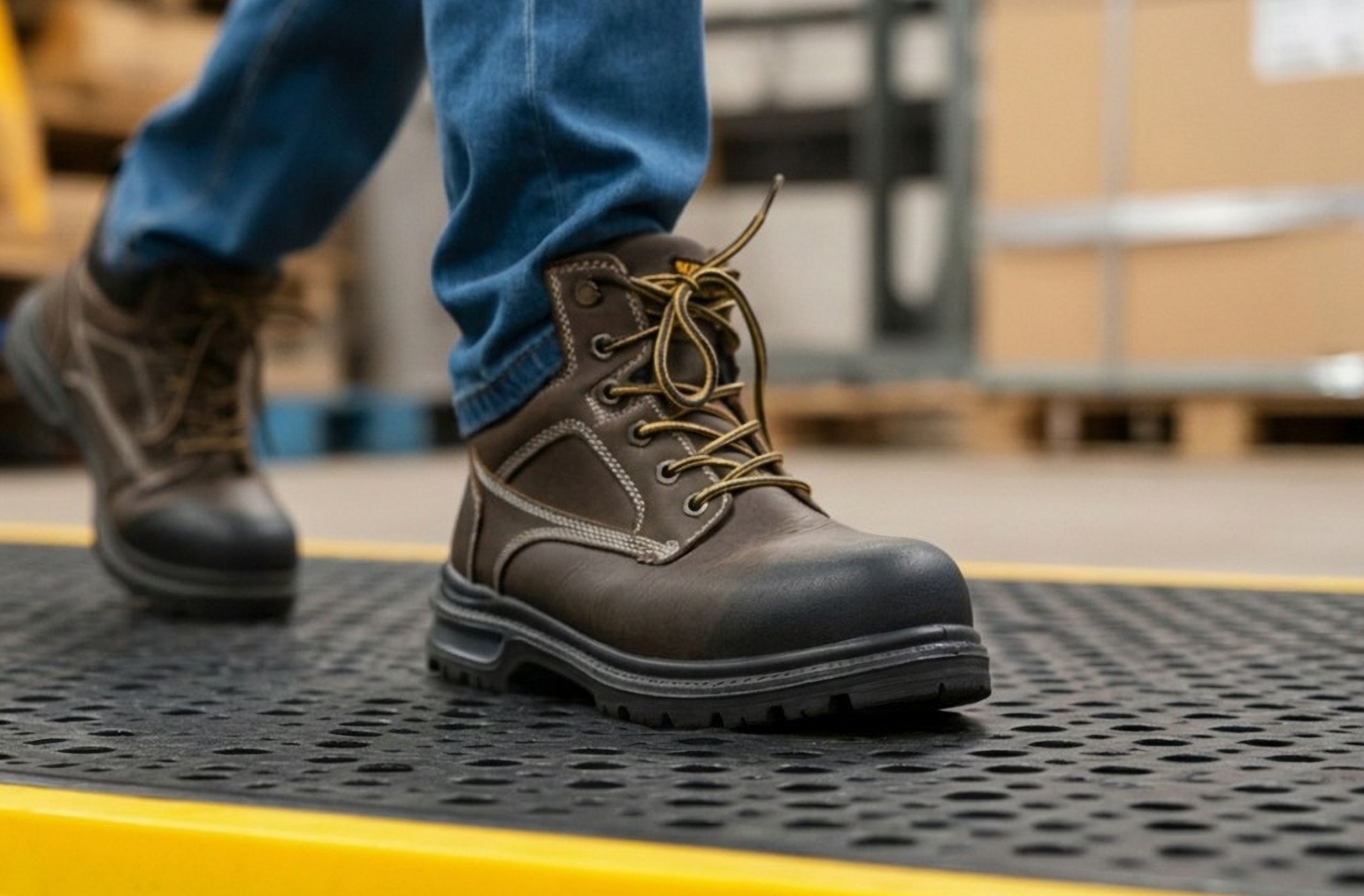
© AI / Shutterstock
What are anti-fatigue mats?
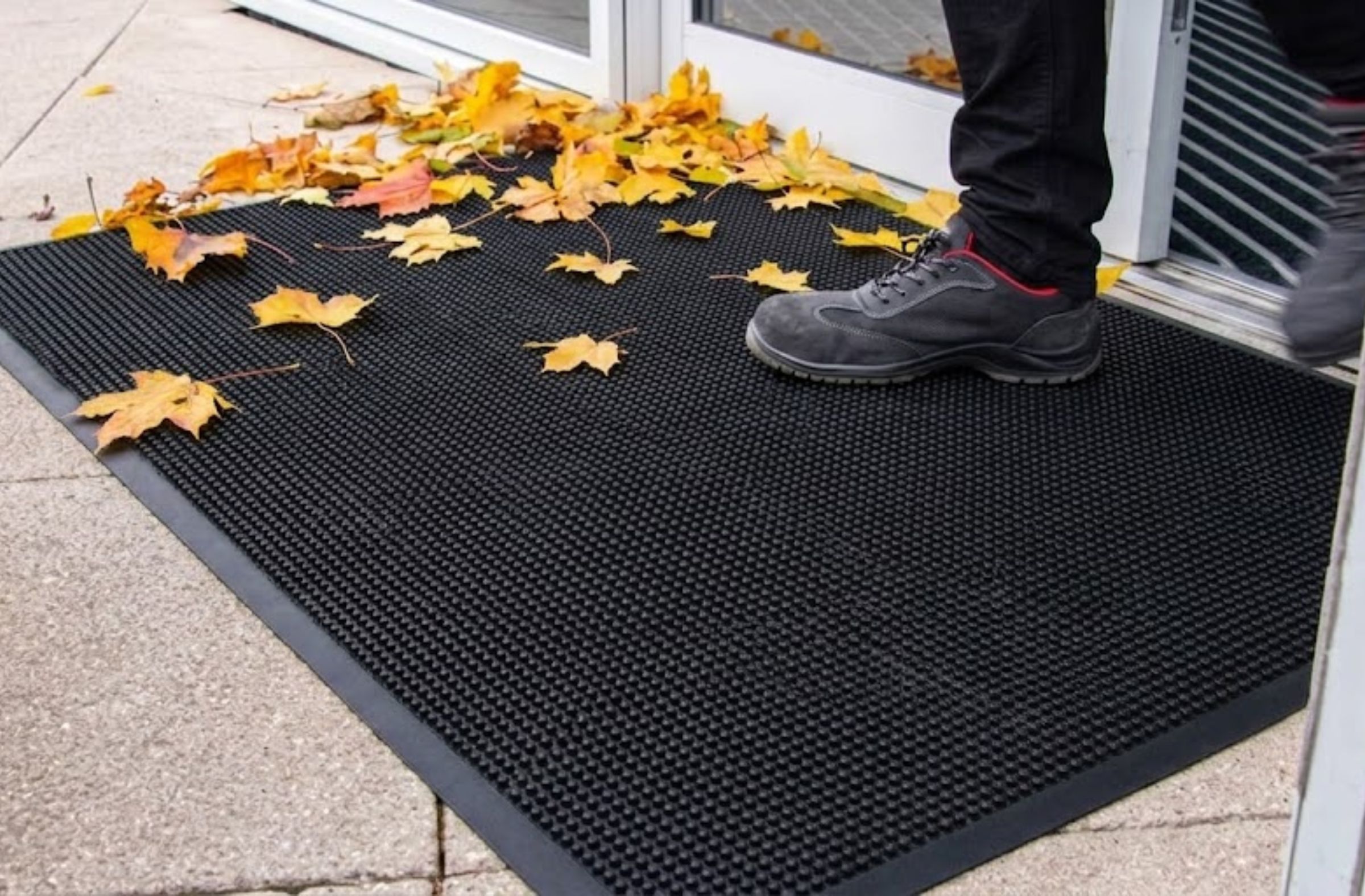
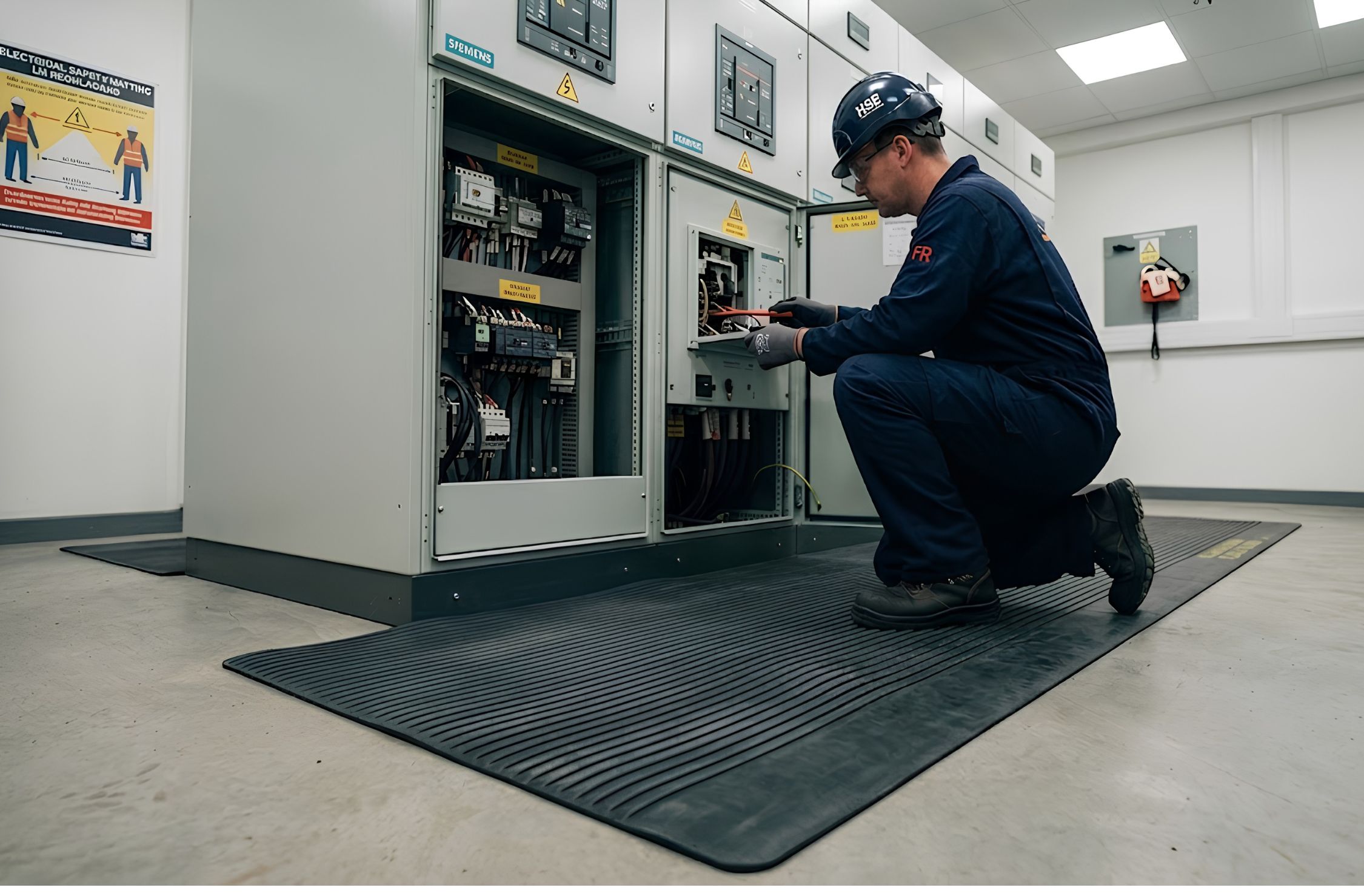
Specially designed floor coverings that provide a cushioned and supportive surface underfoot, anti-fatigue mats are manufactured from specific rubber materials, including nitrile, PVC or specialised foam compounds, to provide comfort and support in demanding workplace environments.
They can be used in a wide range of environments, with the most suitable type depending on the conditions and demands of the area. One common question is, “How do anti-fatigue mats work?” Their purpose isn’t simply to make the floor feel softer; they are designed to reduce fatigue by encouraging natural movement, reducing fatigue by encouraging the body to move naturally while standing in one position.
Why does standing on hard floors cause fatigue?
When a person stands still for long periods, their muscles remain engaged to keep the body upright. On a hard concrete or tiled floor, there is very little shock absorption or support, meaning the body has to work continuously to maintain a stable position.
Over time, this static posture can contribute to physical strain and discomfort, particularly during long shifts. Without a more responsive surface beneath the feet, the body has fewer opportunities to naturally adjust its position and redistribute pressure. This can leave workers feeling tired and uncomfortable after several hours on their feet.
How does an anti-fatigue mat work?
The answer lies in a combination of cushioning, weight distribution and continuous micro-movements. The matting provides a resilient surface that compresses slightly under body weight. This small amount of compression creates a gentle instability that encourages the body to make subtle, almost imperceptible adjustments in posture and balance.
Rather than remaining completely static, the body naturally shifts its weight and adjusts muscle tension. These small movements help maintain circulation and prevent the body from remaining in one fixed position for extended periods.
The cushioning effect also spreads pressure more evenly across the surface, rather than concentrating it in particular areas. By distributing weight more effectively, the mat can help reduce the physical strain associated with standing on hard floors.
The science behind anti-fatigue mats
Research into workplace ergonomics has shown that standing on hard surfaces can have a significant effect on physical fatigue.
One of the best-known studies, conducted at the University of Michigan’s Centre for Ergonomics, found that workers using anti-fatigue matting experienced substantially lower levels of discomfort and fatigue than those standing directly on hard floors.
Benefits of anti-fatigue mats
The most immediate benefit is improved comfort. By providing a more supportive surface underfoot, anti-fatigue mats can make long periods of standing more manageable. This can help employees remain focused and productive during lengthy periods at a workstation.
A more comfortable standing position can also make it easier for employees to carry out tasks consistently throughout a shift. In addition, anti-fatigue mats can contribute to workplace safety by providing slip-resistant surfaces in many working environments.
Where are anti-fatigue mats commonly used?
Suitable for a wide range of industries and work areas; manufacturing facilities often use them at assembly stations, machine operation points and production lines where workers remain standing for much of their shift.
Warehouses and distribution centres commonly install anti-fatigue matting at packing stations, inspection benches and despatch areas. Workshops use them around workbenches and machinery, while commercial kitchens rely on anti-fatigue mats to improve comfort during food preparation and cooking.
Laboratories, retail counters and reception areas can also benefit from anti-fatigue matting where prolonged standing is part of daily operations.
Choosing the right mat
Not all anti-fatigue mats are the same! Selecting the correct mat depends on the conditions in which it will be used.
For dry industrial areas, a standard rubber or foam anti-fatigue mat may provide sufficient cushioning and durability. In manufacturing environments where lubricants are present, oil-resistant rubber mats are generally the better choice because they are designed to withstand exposure to oils and lubricants.
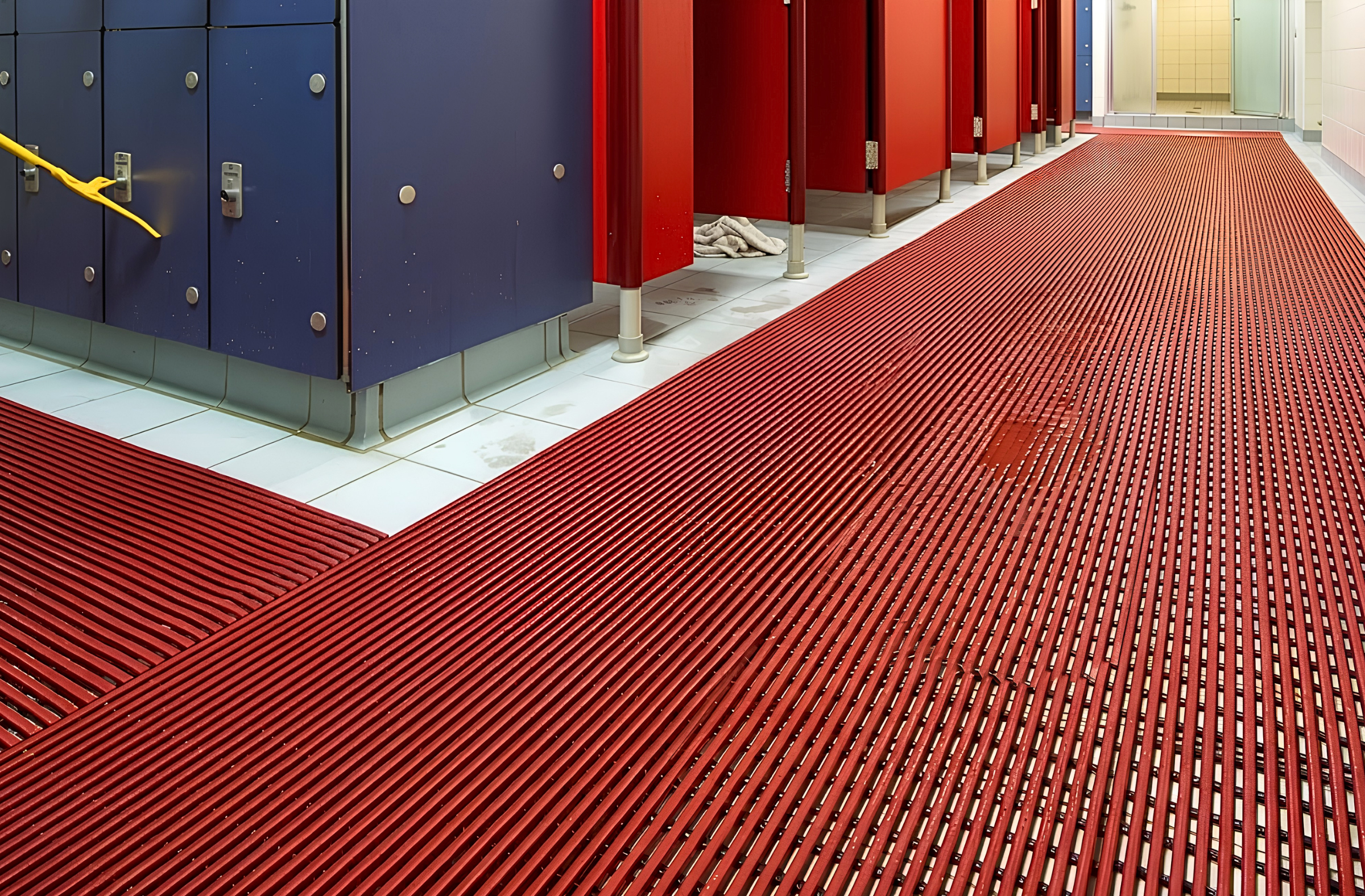
Wet processing areas require mats with drainage holes that allow liquids to pass through the surface, helping keep the standing area safer and drier. Laboratories, chemical processing facilities and some food production environments may require chemical-resistant materials capable of withstanding cleaning agents and industrial chemicals.
Heavy-duty workstations, particularly those involving wheeled equipment, pallet trucks or high foot traffic, benefit from thicker and more durable anti-fatigue mats designed for industrial use.
Cleaning and maintenance
Keeping mats clean and well-maintained helps preserve their grip, cushioning and overall performance.
Most rubber anti-fatigue mats can be cleaned using a mild detergent and water, while foam-based mats should be cleaned according to the manufacturer’s guidance. Industrial environments may require more frequent cleaning to remove oil, dust, grease or chemical residues that could affect grip and hygiene.
Mats should be inspected regularly for signs of wear, cracking, compression or damage. A heavily worn mat may lose its cushioning properties and should be replaced before it becomes a safety hazard.
A simple ergonomic improvement
For workplaces where employees spend long periods standing, the right anti-fatigue mat can provide a simple way to create a more comfortable and supportive working environment. As a trusted supplier of industrial flooring and workplace safety products, Coruba offers a comprehensive range of anti-fatigue mats designed for manufacturing, warehousing, commercial and specialist environments across the UK.
For reliable products and service excellence, contact the rubber product specialists on 01702 560194 if you require any assistance.