In aerospace engineering, every component must perform reliably under demanding conditions where reliability is paramount. Whether specifying seals for fuel systems, selecting gaskets for access panels, or sourcing rubber sheeting for ground support equipment, engineers must carefully weigh the advantages and limitations of each material.
The debate surrounding Nitrile vs Neoprene remains particularly relevant within the aviation industry. Both synthetic rubbers have earned established positions in aerospace applications, yet they excel in different environments.
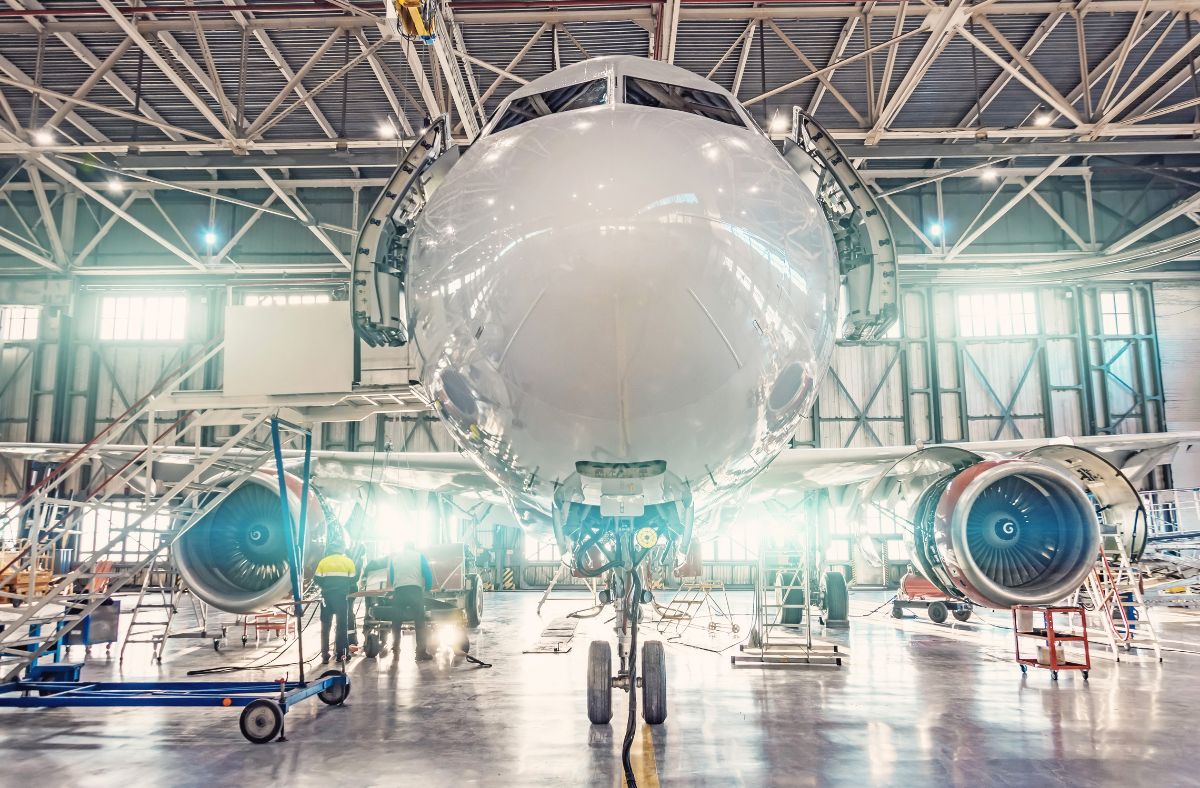
© aapsky / Shutterstock
Nitrile offers exceptional resistance to petroleum-based substances, while Neoprene provides top-level protection against weathering, ozone and atmospheric degradation, proving its worth in exposed applications both on the tarmac and in the air.
Understanding how each material behaves under operational stresses enables informed decisions that support safety, performance and long-term reliability.
Understanding Nitrile rubber
Nitrile rubber, also known as Nitrile butadiene rubber or NBR, is a synthetic copolymer produced from acrylonitrile and butadiene. Defining characteristic include resistance to petroleum-based oils, fuels and many chemical solvents.
As one of the most widely used elastomers across industries where hydrocarbon exposure is unavoidable; in aerospace applications, this capability becomes particularly valuable due to the prevalence of aviation fuels, lubricants and hydraulic fluids.
Nitrile maintains strong mechanical properties alongside its chemical resistance, demonstrating good abrasion resistance and durability, and performing reliably within enclosed systems where direct exposure to fuels and oils occurs on a continuous basis.
Nitrile aerospace applications
Within aircraft systems, Nitrile is commonly found in components that operate behind the scenes, but are critical to safe performance.
Fuel lines frequently rely on Nitrile components because of their ability to withstand prolonged contact with aviation fuels without swelling or degradation. Fuel tank bladders also benefit from the material’s hydrocarbon resistance, helping maintain long-term containment integrity.
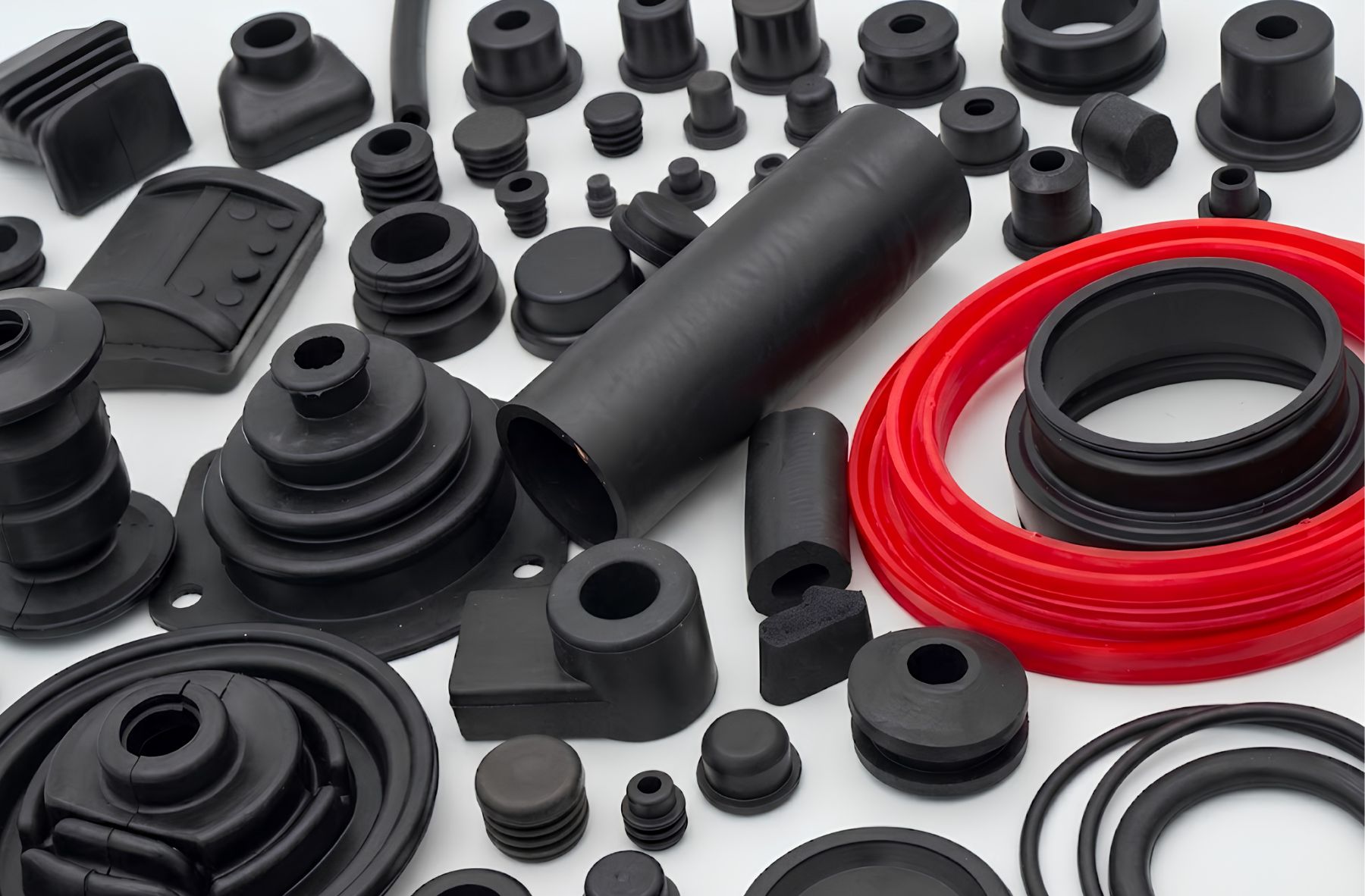
O-rings, seals and various forms of Nitrile rubber gaskets are routinely specified for systems exposed to hydraulic fluids, oils and fuel mixtures. This reduces the likelihood of leaks and contributes to predictable maintenance schedules.
Understanding Neoprene rubber
Neoprene, known chemically as chloroprene rubber or CR, was first developed during the early 20th century and quickly gained recognition for its balanced performance profile. Its greatest strengths lie in its resistance to environmental ageing. It withstands prolonged exposure to ozone, ultraviolet radiation and changing weather conditions remarkably well. It also offers good mechanical properties and inherent flame resistance.
Its ability to maintain performance under atmospheric stress explains why Neoprene remains a trusted material throughout the aviation sector.
Neoprene aerospace applications
Aircraft exteriors and ground support environments expose materials to continuous environmental attack. Tarmac equipment must withstand sunlight, moisture and fluctuating temperatures, while aircraft seals encounter varying atmospheric conditions. In these circumstances, Neoprene often becomes the preferred choice.
It’s also a common choice for window seals and door gaskets because of its resistance to weather-induced cracking and degradation. Vibration mounts benefit as a result of its balanced flexibility and durability, helping absorb mechanical stresses while resisting environmental wear. Various forms of Neoprene rubber gaskets are specified for exposed aviation components where ozone and ultraviolet resistance take precedence over direct fuel exposure.
Fuel and chemical resistance
When comparing Nitrile vs Neoprene, fuel resistance is perhaps the clearest differentiator. Nitrile is unquestionably the superior material for direct and sustained contact with jet fuels, mineral oils and petroleum-derived substances. It retains its physical properties more effectively under hydrocarbon exposure, making it indispensable within fuel handling systems.
Neoprene offers moderate resistance to certain oils and chemicals, but prolonged exposure to aggressive fuels will accelerate degradation. Swelling and loss of performance become increasingly likely under continuous hydrocarbon contact. For engineers specifying components within fuel systems, Nitrile is therefore often the logical choice.
Environmental and weather resistance
When atmospheric exposure becomes the dominant consideration, Neoprene excels in resisting ozone attack, ultraviolet radiation and weather-induced deterioration. Components can maintain their integrity for prolonged periods, despite harsh environmental conditions.
Nitrile, while highly capable within enclosed systems, is more susceptible to ozone-related cracking when exposed over extended durations. Applications involving frequent outdoor exposure generally favour Neoprene because of its superior ageing characteristics.
Temperature performance and durability
Temperature fluctuations are unavoidable in aerospace operations. Components may experience moderate engine-adjacent heat during one phase of operation and extremely low temperatures at altitude during another.
Nitrile typically performs effectively within moderate to high-temperature environments where fuel and oil resistance remain the priority. Its operational range allows dependable service inside protected systems containing lubricants and hydraulic fluids.
Neoprene maintains flexibility at lower temperatures and adapts well to changing atmospheric conditions encountered during flight cycles. Although its upper temperature limit is slightly lower than Nitrile’s, its balanced temperature performance contributes to its popularity in exposed applications.
Understanding the thermal profile of the intended application remains critical when selecting between these two materials.
Flame retardancy and safety considerations
Neoprene possesses inherent self-extinguishing characteristics that distinguish it from standard Nitrile compounds. This property has contributed to its widespread use in safety-critical seals and environmental protection applications where flame retardancy is a requirement.
While specialised Nitrile formulations can address specific requirements, the standard material generally lacks the same degree of inherent flame resistance. For applications where reducing flame propagation risk forms part of the design criteria, Neoprene often presents compelling advantages.
Making the right choice
The discussion is less about identifying a universally superior material and more about matching material strengths to operational realities, but in aerospace engineering informed material selection continues to be one of the most important decisions professionals can make.