Summer presents a unique challenge for UK warehouses, distribution centres, packing hubs and manufacturing facilities. While much attention is given to ventilation, hydration and temperature monitoring, the floor is equally important.
In large industrial buildings, concrete floors can absorb and retain significant amounts of heat throughout the day, contributing to worker discomfort, fatigue and consequently reduced productivity.
Maintaining employee wellbeing in summer is a key part of operational efficiency, with rubber matting playing a valuable role. While anti-fatigue matting is widely recognised for reducing the strain of prolonged standing, its benefits are obvious during hot weather. It supports comfort, circulation, safety and performance, helping companies to create a better working environment.
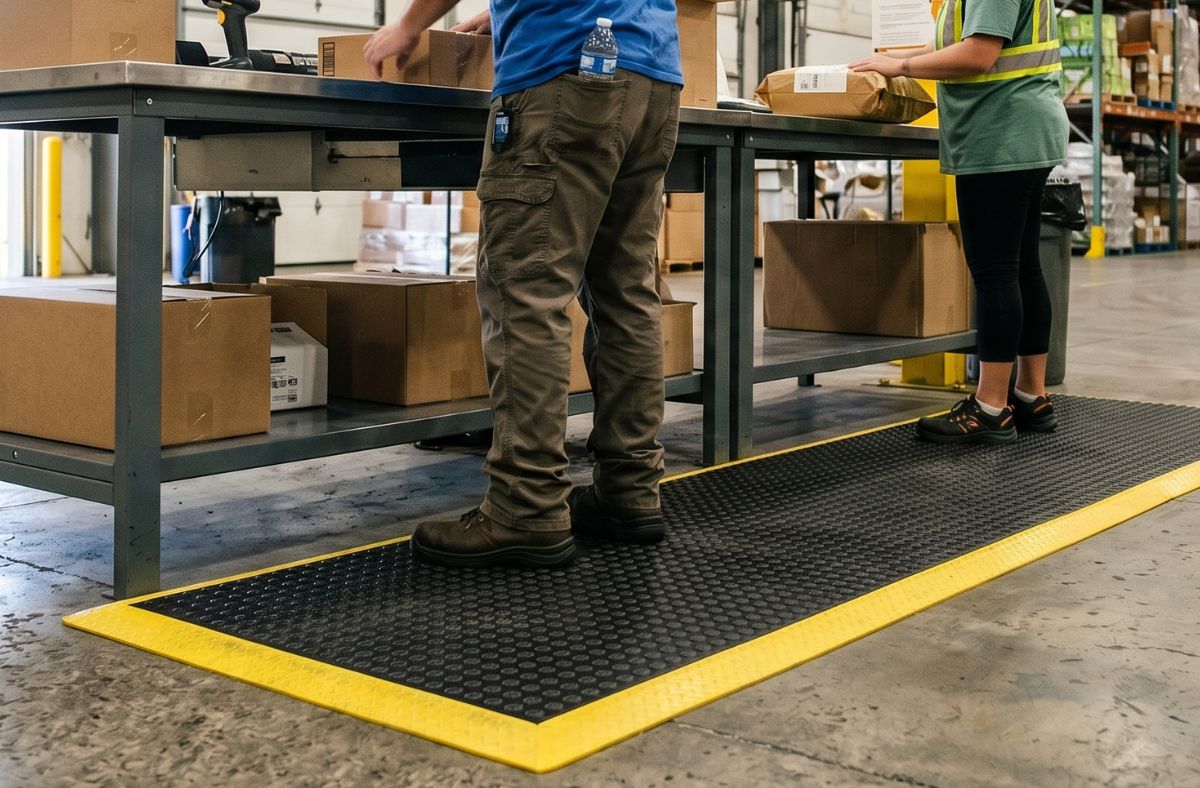
The critical role of anti-fatigue mats
Standing for long shifts is one of the most common physical demands within warehouse operations. Employees working at packing stations, assembly lines, quality control areas and despatch zones often spend hours standing on hard concrete surfaces. Over time, this can place significant stress on the feet, ankles, knees, hips and lower back.
As a recognised ergonomic solution, anti-fatigue matting is designed to reduce the adverse effects; rather than providing a rigid surface, it offers a degree of cushioning that encourages subtle muscle activity and movement, helping to improve circulation, reduce pressure on joints and minimise fatigue.
Under the Health and Safety at Work Act 1974, employers have a duty to protect the health and welfare of their workforce. The Health and Safety Executive oversees risk assessments and appropriate control measures to reduce the likelihood of musculoskeletal disorders and discomfort.
Quality warehouse mats help reduce physical strain while creating safer and more comfortable workstations, especially in summer months, when industrial facilities often become significantly warmer.
Warehouses with large roof spaces and constant vehicle movements can trap heat throughout the day. Even facilities with ventilation systems may struggle to maintain consistent temperatures. In these conditions, concrete floors can actively contribute to heat-related discomfort and fatigue.
Thermal barrier against concrete heat
Concrete is effective at absorbing and retaining heat, so warehouse floors gradually accumulate thermal energy and continue radiating warmth even after external temperatures fall.
Rubber matting acts as an insulating barrier between workers and the heated concrete, blocking direct thermal transfer through footwear and creating a protective layer. Employees standing at workstations are less likely to experience ongoing discomfort.
Managing foot swelling and blood flow
Hot weather naturally causes blood vessels to dilate. During an eight to 12-hour shift, many workers experience swelling in their feet and lower legs when standing, causing discomfort, reduced mobility and fatigue.
Anti-fatigue matting encourages subtle micro-movements in the feet and lower limbs. This helps blood to circulate more effectively back to the heart, minimising swelling.
Top drainage and airflow dynamics
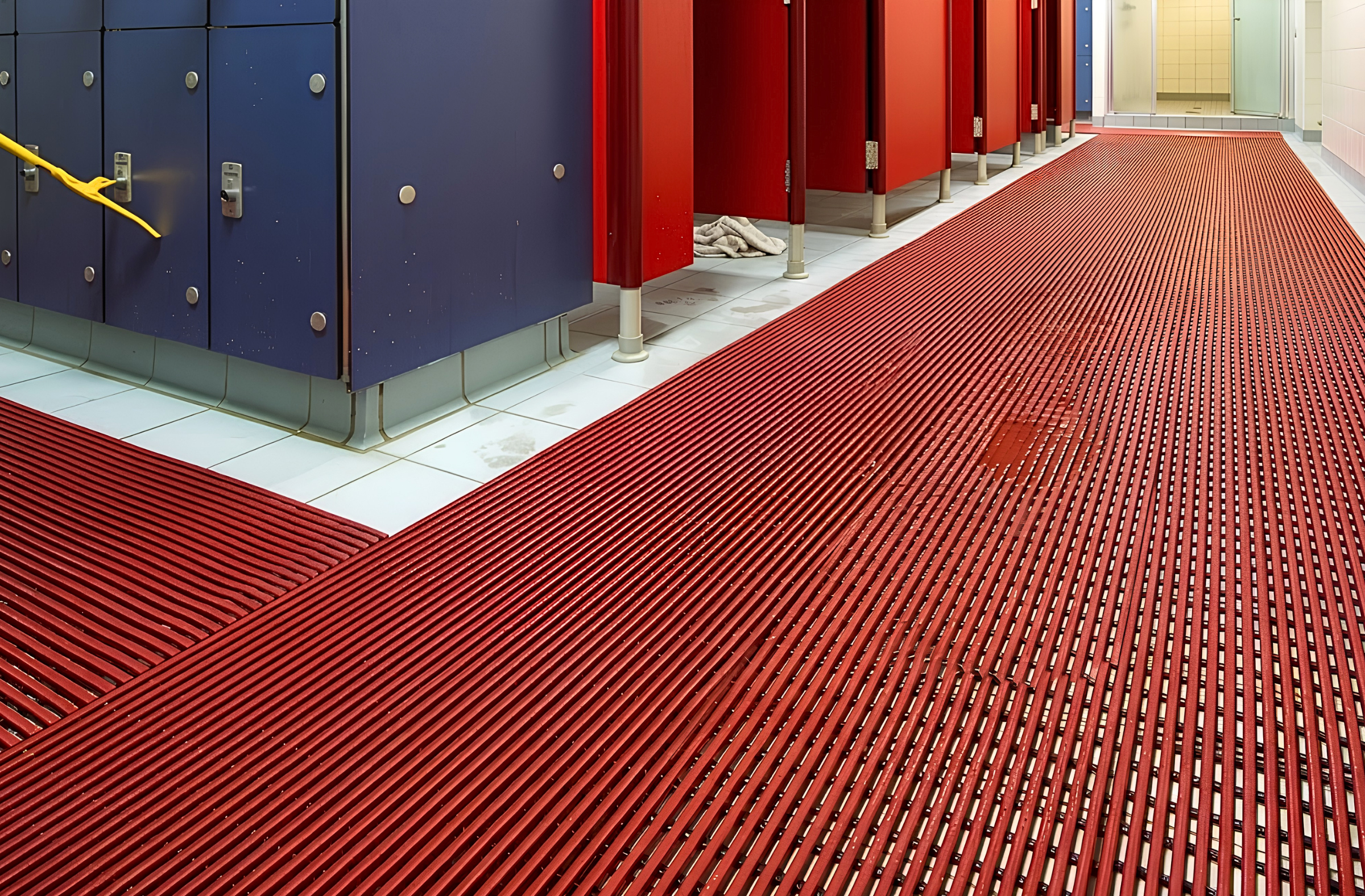
Summer conditions can increase workplace humidity levels, as employees tend to perspire more, consume extra water and create additional moisture around workstations. Open-grid, slotted and hollow-ring matting designs promote airflow beneath the feet, while allowing moisture to drain away quickly.
By helping to reduce the build-up of heat and moisture around the standing area and prevent water, sweat and minor spills from accumulating on the surface, this maintains a drier standing area improves traction and contributes to a more comfortable and safer environment.
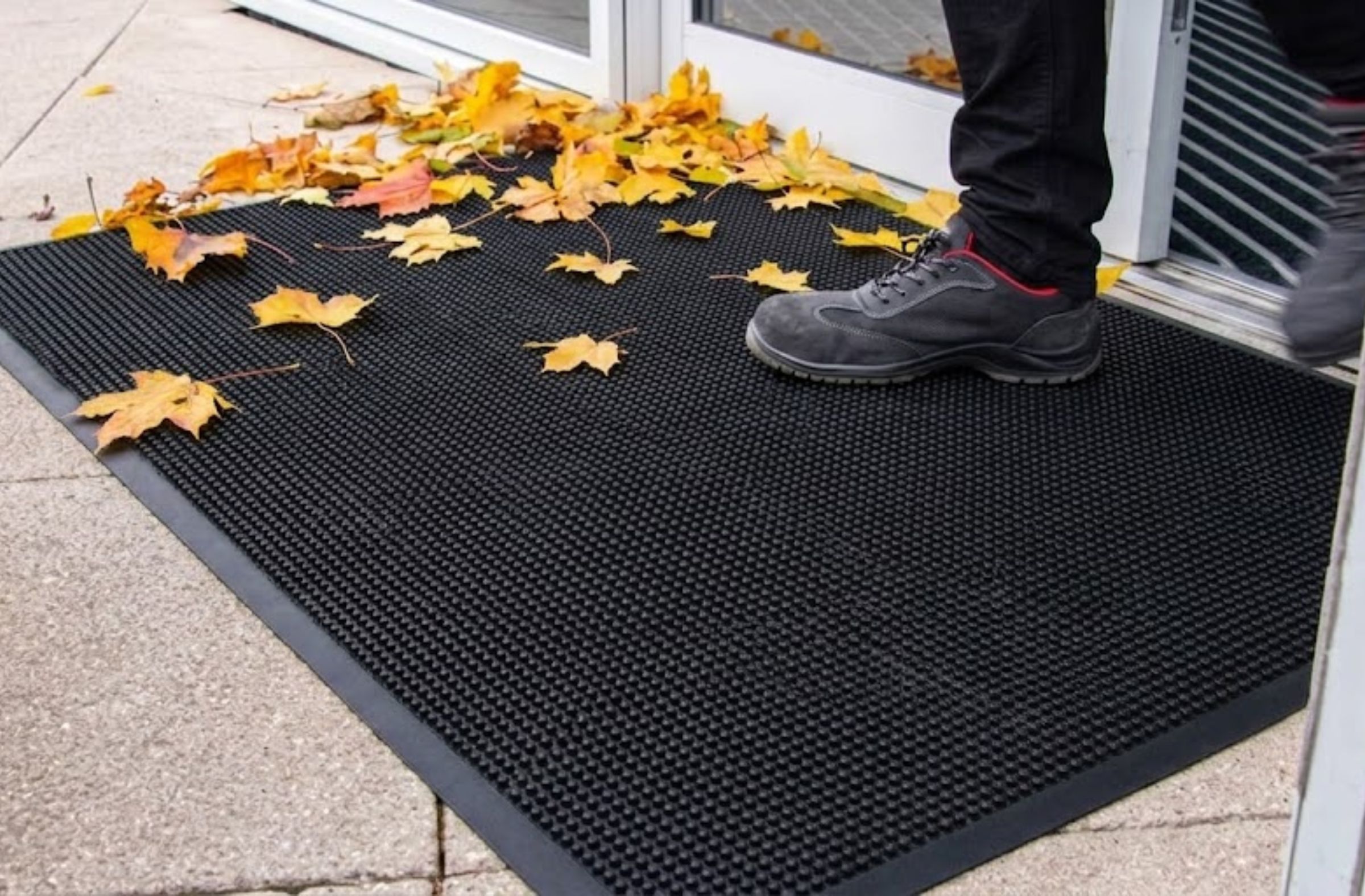
BubbleTop anti-fatigue workstation matting is a practical and cost-effective solution, manufactured from high-quality rubber. Featuring a specially moulded bubble-pattern surface with excellent slip resistance, it provides a cushioned underfoot feel to help reduce fatigue. Designed with safety in mind, it includes integral bevelled edges on all sides to help minimise trip hazards.
MaxiMat all rubber anti-fatigue matting is a hardwearing solution designed for demanding industrial environments. Made from heavy-duty rubber, it provides excellent underfoot comfort for employees to reduce fatigue. Its slip-resistant surface helps improve footing, while the open design offers excellent drainage. It is also reversible, helping to extend its lifespan. Easy-to-clean construction makes regular maintenance straightforward for warehouses, production areas and other industrial settings.
Productivity and safety impact
In many industrial settings, worker performance and safety are directly linked to fatigue levels. As temperatures rise, even small improvements in comfort can offer operational benefits.
Most managers are familiar with the productivity dip that often occurs during hot afternoons. Physical heat stress places additional demands on the body, requiring greater energy expenditure simply to maintain normal functions. As fatigue increases, concentration declines and employees may become slower when picking orders, processing goods, or performing repetitive tasks.
Proper floor support helps reduce one source of physical strain. When staff experience less discomfort in their feet, legs and lower back, they are often better able to maintain focus and performance. While matting is not a substitute for effective heat management strategies, it can form part of a broader approach to maintaining productivity during the summer.
Summer maintenance matters
To maximise the effectiveness of rubber matting, maintenance should never be overlooked. Higher temperatures and increased humidity can create conditions where bacteria and odours develop more quickly. Moisture trapped within or beneath matting may also contribute to hygiene concerns if not properly managed.
Cleaning schedules should be reviewed and, where necessary, increased during hot weather. Regular washing and rinsing help remove dirt, sweat residue and contaminants. Mats should be dried thoroughly after cleaning, as moisture trapped beneath can undermine hygiene and performance.
Routine inspections should also be carried out to identify signs of wear, damage, or movement that could affect safety.
Combined with its ability to reduce joint strain and standing fatigue, rubber matting remains one of the most effective ergonomic solutions available for industrial workplaces.