In the automotive world, material selection often comes down to performance under pressure, particularly for sealing systems, engine components and long-term durability.
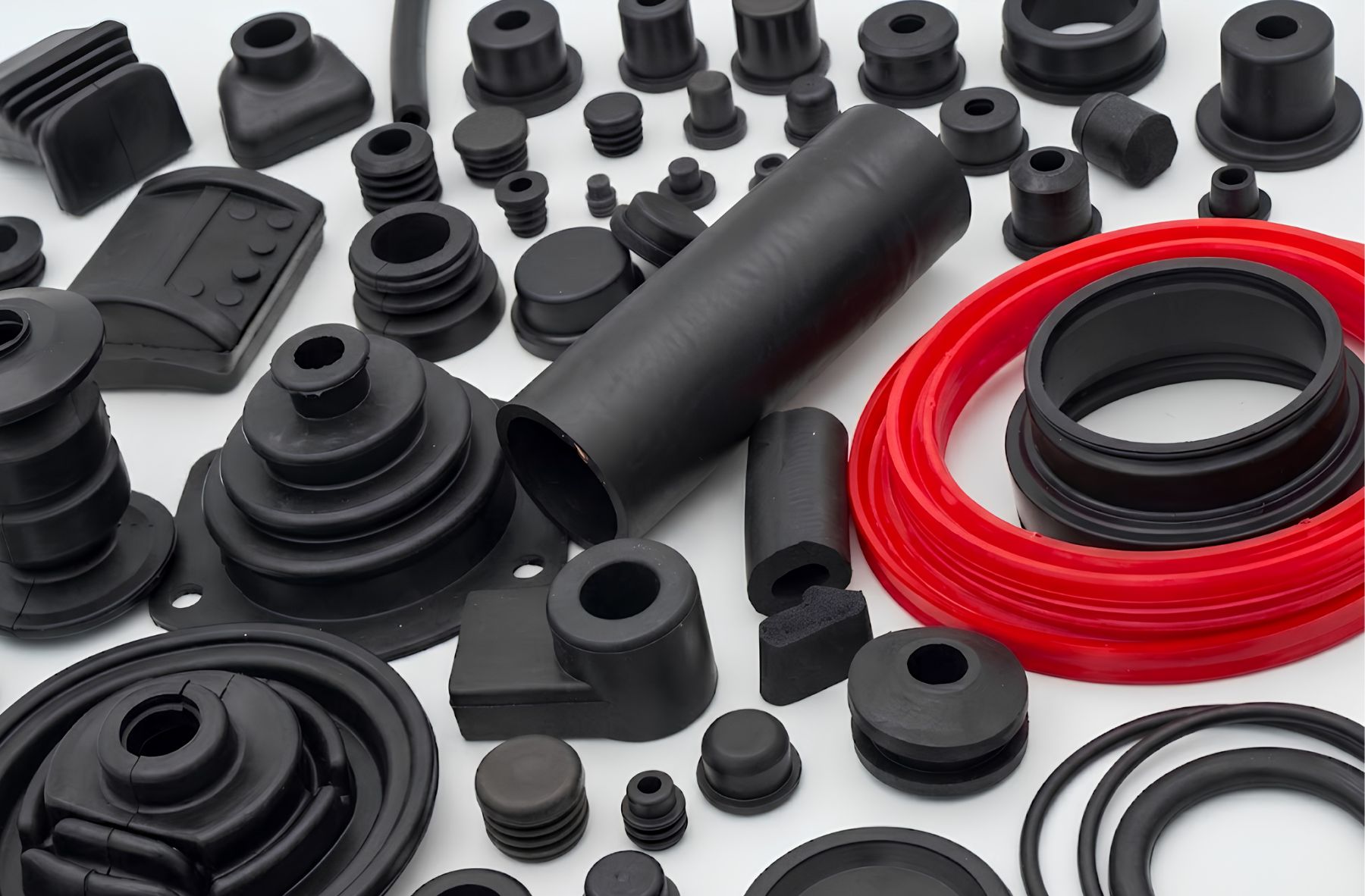
Rubber parts may not always be visible, but they’re essential to how vehicles perform and endure. Rubber has many uses, from weatherstripping to keep water out of the cabin to seals that withstand the heat of an engine bay.
Understanding how EPDM and silicone behave clarifies where each material truly excels in the automotive industry. The right elastomer can make a measurable difference in reliability and maintenance.
© dongdaqian / Shutterstock
EPDM, short for Ethylene Propylene Diene Monomer, is a synthetic rubber known for its durability in outdoor conditions. It has a saturated polymer backbone, which gives it excellent resistance to environmental factors such as UV radiation and ozone.
Silicone rubber, chemically known as polydimethylsiloxane, is quite different. Derived from silica, typically sourced from quartz sand, it’s an inorganic polymer. Its structure gives it remarkable thermal stability and flexibility across a wide temperature range.
Despite their differences, the two materials share several similarities. Both offer strong weathering resistance, act as effective electrical insulators and remain flexible at extremely low temperatures. They are also commonly used in seals, hoses and gaskets, while both can be engineered to achieve smooth surface finishes and flame-retardant properties. However, these similarities only go so far and their differences are what define their automotive roles.
EPDM automotive applications
This material is often the first choice for external sealing systems due to its exceptional resistance to weathering, ozone and ultraviolet radiation. One of EPDM’s most significant advantages is its water resistance. Often regarded as one of the most water-resistant elastomers available, it’s extensively used in weatherstripping, door seals and window seals. In practical terms, this means EPDM rubber strips are commonly found lining vehicle doors and boots, helping to prevent water ingress while also reducing noise and vibration.
Beyond sealing, EPDM is valued for its durability under mechanical stress. It offers good abrasion resistance and can withstand repeated compression without losing its shape, thanks to its relatively low compression set. This makes it suitable for gaskets and components that must maintain a consistent seal over time.
Chemically, it performs well when exposed to polar substances such as water, dilute acids and alkaline solutions. It also handles steam effectively and is reliable in both cold and moderately high temperatures, typically up to around 150°C. According to materials data from organisations such as the European Rubber Journal and supplier technical sheets, EPDM commonly exhibits tensile strengths around 14 MPa, reinforcing its mechanical robustness.
However, EPDM does have limitations. It isn’t compatible with oils, greases, or hydrocarbon fuels, which restricts its use in engine environments. Additionally, while durable, it generally has a shorter service life than silicone when exposed to extreme conditions.
Silicone automotive applications
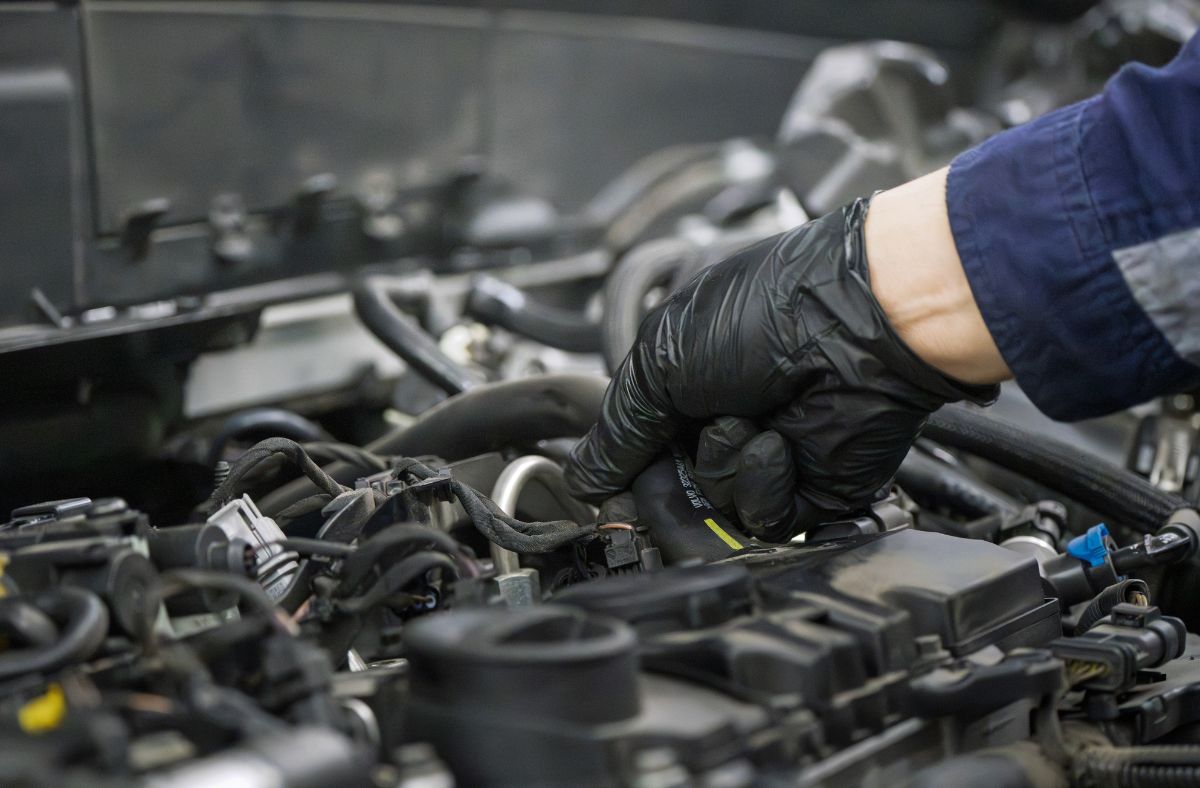
In high performance and high temperature environments, silicone often thrives, particularly in the engine bay. One of its defining characteristics is its ability to withstand extreme temperatures.
Standard silicone rubber can operate continuously at temperatures up to approximately 230 degrees Celsius, significantly higher than EPDM’s upper limit. This makes silicone rubber strips and seals ideal for use around engines, exhaust systems, and turbocharged components.
Silicone also maintains flexibility in both high and low temperatures, which is critical in automotive systems that experience rapid thermal cycling. Whether a vehicle is starting on a cold winter morning or running at full operating temperature, silicone components remain stable and reliable.
Another key advantage is its compatibility with automotive fluids. Silicone performs well when exposed to oils and brake fluids, areas where EPDM would quickly degrade. It also exhibits an excellent compression set, often outperforming EPDM, meaning it retains its shape and sealing ability over longer periods.
That said, silicone is not without drawbacks. Its abrasion resistance is generally lower than EPDM, making it less suitable for applications involving mechanical wear. It also performs poorly against certain chemicals, particularly strong acids and alkalis, and can degrade in high-pressure steam environments above 121°C.
Performance comparison
When comparing EPDM vs Silicone in automotive settings, performance differences become clear when evaluated across several key factors.
Temperature resistance is often the deciding factor. EPDM performs reliably in temperatures ranging from minus 50 to around 150°C. Silicone, on the other hand, extends this range up to around 230°C, making it indispensable for high-heat applications. This difference alone often dictates material selection in engine-related components.
EPDM excels in environments involving water, steam and substances such as acids and alkalis. Silicone, by contrast, is better suited to environments involving oils, brake fluids and high temperature liquids. This distinction is critical in automotive design, where exposure conditions vary significantly between exterior and engine components.
Durability and longevity depend heavily on the operating environment. EPDM offers excellent resistance to UV exposure, ozone and general weathering. Silicone also performs well in terms of weathering, though its resistance to water swelling can be weaker unless specifically modified. In high-temperature environments, silicone tends to outlast EPDM due to its superior thermal stability.
From a mechanical perspective, EPDM provides better abrasion resistance and higher tensile strength, making it more suitable for applications involving physical wear. Silicone’s strength lies in its flexibility and resilience, rather than its ability to withstand abrasion.
Cost remains a practical consideration. EPDM is generally more affordable and widely available, making it the preferred choice for large-scale applications such as weather seals and insulation. Silicone’s higher cost is justified in specialised applications where extreme temperatures and fluid compatibility are critical.
Industry data supports these distinctions. For example, silicone’s continuous operating temperature can exceed EPDM’s by more than 80°C, while EPDM’s tensile strength can be nearly three times higher. These measurable differences highlight why both materials continue to coexist, rather than compete directly.
The debate around EPDM vs silicone is less about which material is better, and more about which is better suited to a specific task. In the automotive sector, both materials play essential roles, often within the same vehicle.
Ultimately, understanding the strengths and limitations of each material allows for better decision-making in design and maintenance. Rather than choosing a single winner, the real advantage comes from using each material where it offers optimum performance.