Rubber tyre recycling has transformed over the past two decades, from a fragmented waste challenge into a highly regulated and innovative sector.
The journey of a tyre doesn’t end when its tread wears thin. Instead, it enters a complex system of recovery, processing and repurposing that reflects broader environmental priorities and industrial progress.
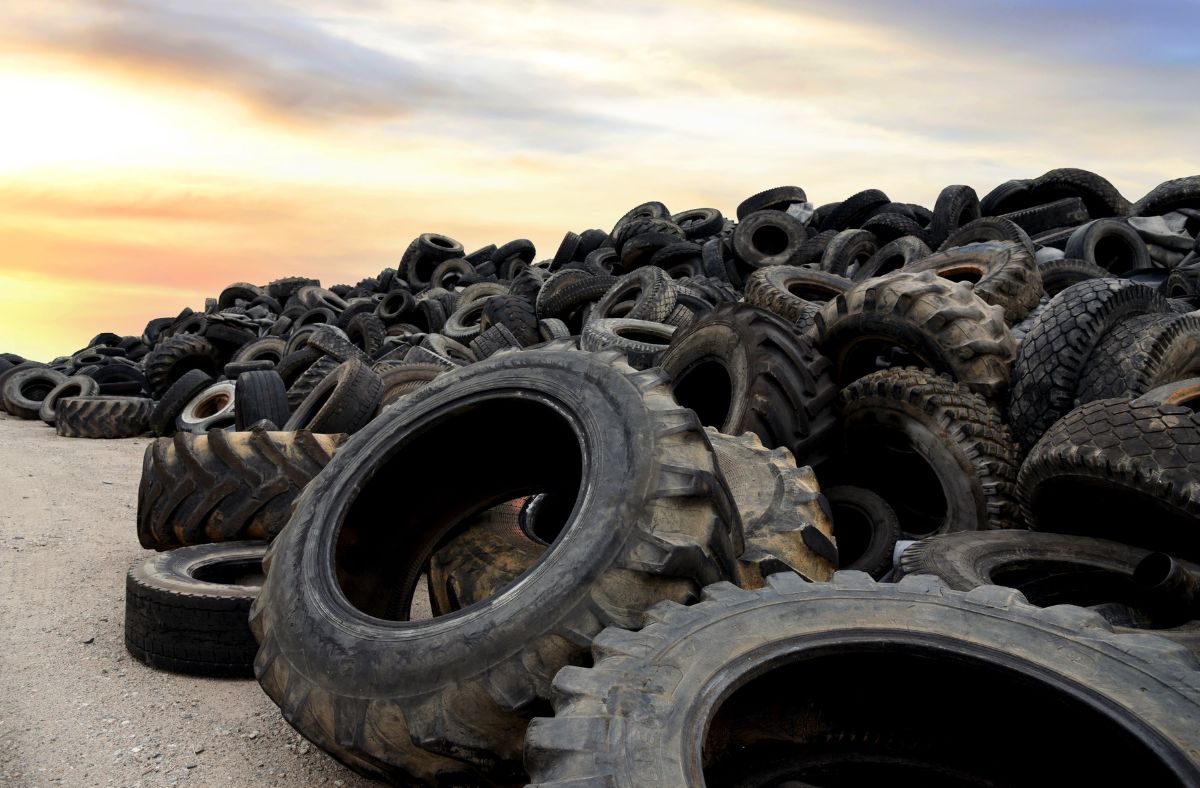
Each year, the UK generates around 50 million end-of-life tyres, equating to around 480,000 tonnes of material. Thanks to strict landfill bans introduced in 2002 and extended in 2006, nearly 100% are now recovered or recycled in some form. This places the UK among global leaders in tyre waste management. However, while recovery rates are high, the methods of recycling and the ultimate use of these materials remain critical areas of focus.
© Maksim Safaniuk / Shutterstock
Understanding the environmental importance
Tyres are engineered for durability, which makes them invaluable on the road, but problematic as waste. They don’t biodegrade easily and can pose serious environmental risks if improperly handled. Stockpiled tyres can become fire hazards, releasing toxic smoke and pollutants that damage air quality and ecosystems. Additionally, chemicals such as zinc and sulphur compounds can leach into soil and groundwater over time.
Globally, the scale of the issue is immense, with an estimated one billion tyres discarded annually. The high volume of waste highlights the importance of efficient recycling systems. In the UK, the current infrastructure, supported by legislation and industry cooperation, ensures they are collected, processed and redirected into new applications, rather than being left to accumulate in landfills or illegal dumps.
Advancements in recycling technology
One of the most promising developments in rubber tyre recycling is the rise of pyrolysis, a cutting-edge process that involves heating tyres in the absence of oxygen to break them down into their core components. It produces valuable materials including recovered carbon black, pyrolysis oil and steel.
Recovered carbon black can be reused in the production of new tyres and other goods, while pyrolysis oil is an alternative fuel source. The steel extracted during the process can be recycled within the metal industry. This approach aligns closely with the principles of eco-friendly rubber, reducing reliance on virgin materials and lowering the environmental footprint of tyre production.
The growing investment in pyrolysis facilities within the UK signals a shift towards more advanced and sustainable recycling methods. As the technology matures, it’s expected to play a central role in the domestic processing of waste.
Rubber in road construction
Another notable application of recycled tyres is in building roads using rubberised asphalt. This innovative material incorporates rubber into traditional asphalt mixes, delivering performance and environmental benefits. Known for its enhanced durability, it can extend the lifespan of road surfaces and reduce maintenance costs. It also provides improved noise reduction, which is a valuable feature in urban and residential areas.
From an environmental perspective, using recycled tyres in new roads helps divert waste from less sustainable disposal methods and reduces the demand for new raw materials, demonstrating how recycled tyres can contribute directly to infrastructure improvements, creating a tangible link between waste management and everyday driving experiences.
Extending tyre life through retreading
Retreading is another key component of the tyre recycling ecosystem, particularly within the commercial vehicle sector. The process involves applying a new tread to a used tyre casing, effectively extending its lifespan. In the UK, around half of truck and bus tyres are retreaded, highlighting the widespread adoption of this practice.
Retreading offers environmental benefits by reducing the demand for raw materials and lowering energy consumption associated with the manufacturing process. It also provides economic advantages, as retreaded tyres are typically more cost-effective. It’s a practical example of how sustainability can be integrated into routine operations without compromising performance or safety.
The role of bespoke rubber products
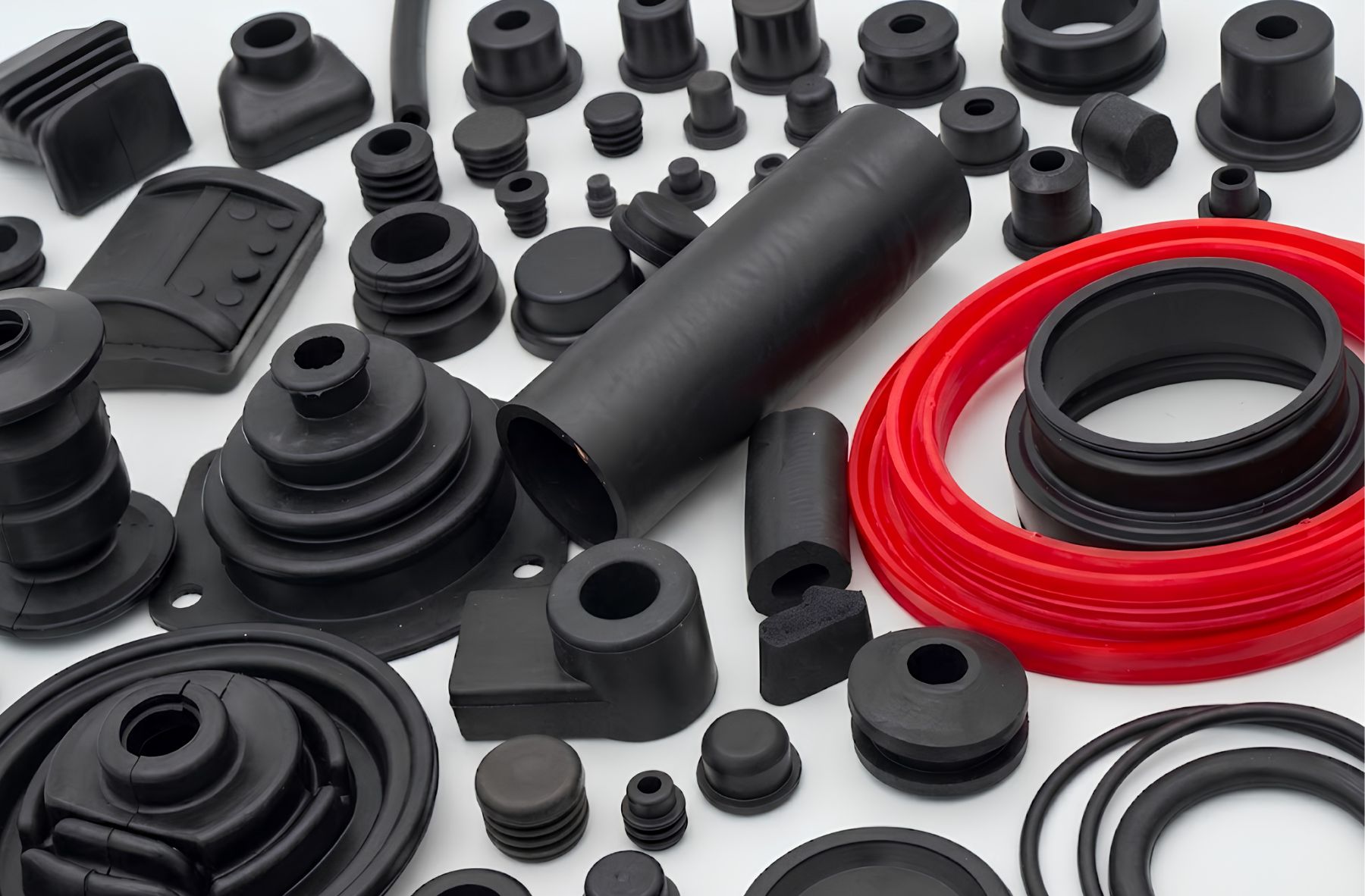
As recycling technologies advance, there’s growing potential to move beyond basic applications. Bespoke rubber products are an emerging area of interest, offering tailored solutions for specific industrial and commercial needs. Products can range from specialist components used in automotive engineering to custom-designed materials for construction and manufacturing.
Focusing on quality and performance can help elevate recycled materials to valuable assets within the supply chain.
Ongoing challenges
Despite significant progress, several challenges continue to shape the tyre recycling landscape. One of the most pressing issues is the export of end-of-life tyres. Currently, around 50% are exported from the UK to countries such as India and Pakistan.
While export can be a legitimate part of the recycling chain, concerns have been raised about the processing conditions abroad. In some cases, tyres are burned for fuel in unregulated environments, leading to air pollution and health risks. This leads to questions about accountability and the true environmental impact of exported waste.
Another issue is the prevalence of downcycling, where recycled materials are used in lower-value applications such as rubber mulch. While this still diverts waste from landfill, it represents a missed opportunity to create higher value products or new tyres. Advancing technologies and investment in domestic processing could help address this issue by enabling more sophisticated reuse of materials.
Without stronger regulatory enforcement and more sustainable practices, there’s a risk that the UK could fall behind other European nations in environmental performance, highlighting the need for continued vigilance and improvement.
What does the future hold?
Looking ahead, the trajectory is one of cautious optimism. The combination of high recovery rates, technological innovation and growing environmental awareness provides a strong foundation for future progress.
With an increasing emphasis on developing domestic processing capacity, reducing reliance on exports and ensuring tyres are recycled under controlled and environmentally responsible conditions; stronger regulatory enforcement will be essential to ensure compliance across the entire supply chain, from collection to final processing.
The continued development of eco-friendly rubber solutions and the expansion of markets for bespoke products will further enhance the value of recycled materials.