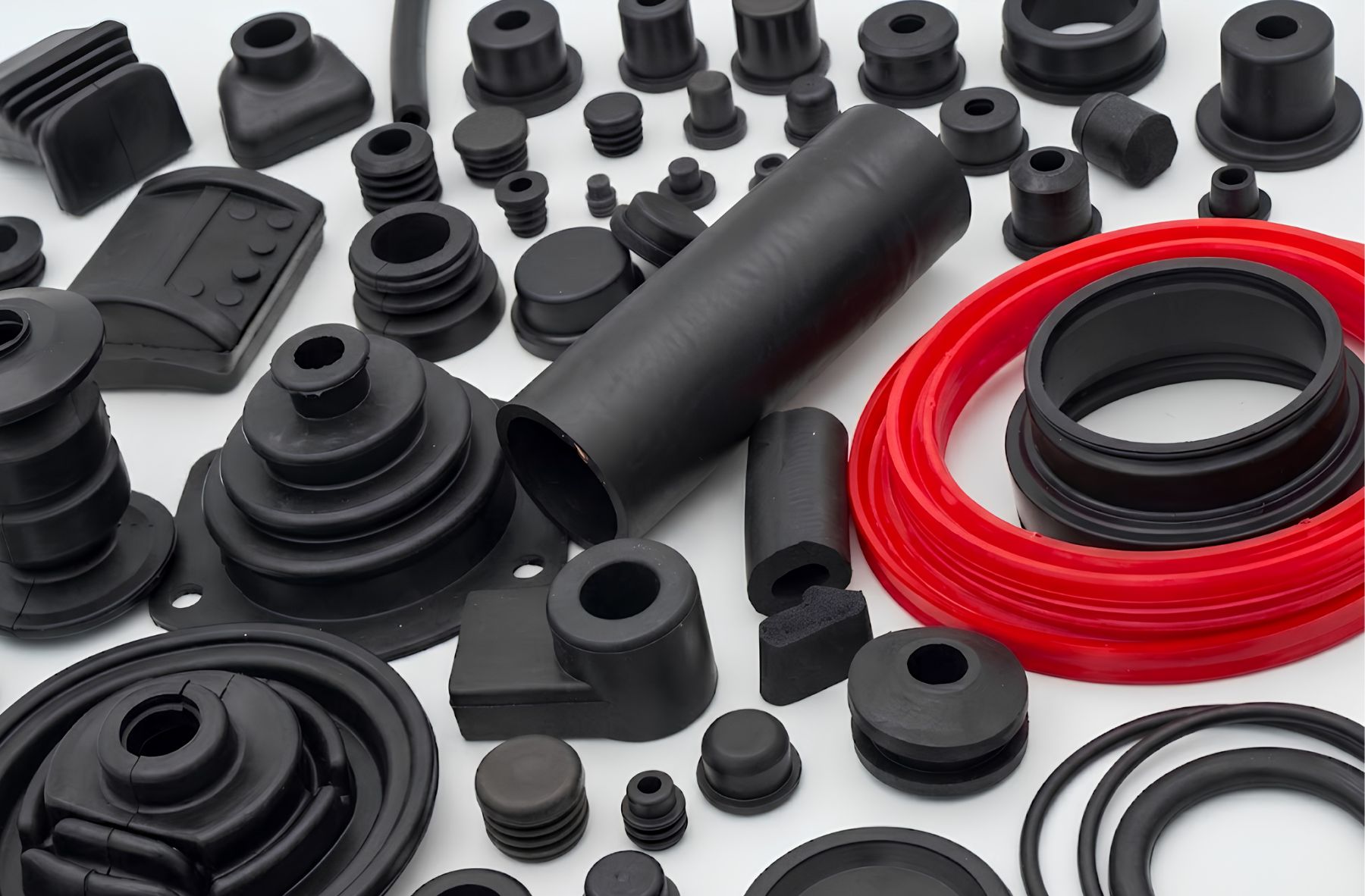

As simple a concept as they might seem, gaskets can cause major consequences if they fail – such as accidents, non-compliance penalties, injury and even death. Make sure you keep an eye out for the three common causes of gasket failure:
Reason 1: Improper Installation
One wrong move in the installation process and this can lead to gasket failure. Here are some of the most common errors:
Under-Compression of a Gasket
When placed in the lowest compression, the internal pressure will force the gasket out of the flange assembly leaving an irregular oblong shape.
Over-Compression of a Gasket
The use of excessive bolting loads and repetitive tightening can over-compress the gaskets – causing them to crush and split.
Use of Sealant
To compensate for damaged or irregular flanged surfaces, some might opt to use sealants to attach the gaskets. However, this can damage non-acid resisting gaskets, causing them to shift within the flange assembly. This can render them ineffective, which can be risky for the machine.
To prevent gasket failure caused by improper installation, you may use high acid and temperature resistant Butyl, EPDM and Neoprene rubber gaskets.
Reason 2: Wrong Gasket Type
Picking the wrong gasket for its intended application may cause leaking. This is a simple guide to choosing the most appropriate alternative:
- Full-face rubber gaskets are for flat flanges
- Compressed ring gaskets are for raised face flanges
- The gasket number corresponds to the thickness in an uncompressed state
Reason 3: Insufficient Gasket Load
Take into account that nearly 70% of gasket failures or insufficient gasket loads are typically due to poor flange design or bolt rotated flanges, miss application and even improper installation.
For top-quality products that guarantee gasket efficiency, please call Coruba on 01702 560194.