The way we drive in the UK is changing at great pace, with electric vehicles becoming a visible part of everyday traffic in recent years. Battery EVs account for around 17% of new car registrations in Europe, with more than one million fully electric cars now on our roads, according to the Society of Motor Manufacturers and Traders. This level of EV adoption represents an increase from the 13.6% market share recorded in 2024.
The shift affects design, materials, supply chains and production economics. It also raises important questions about what the transition means for essential components.
© I Wei Huang / Shutterstock
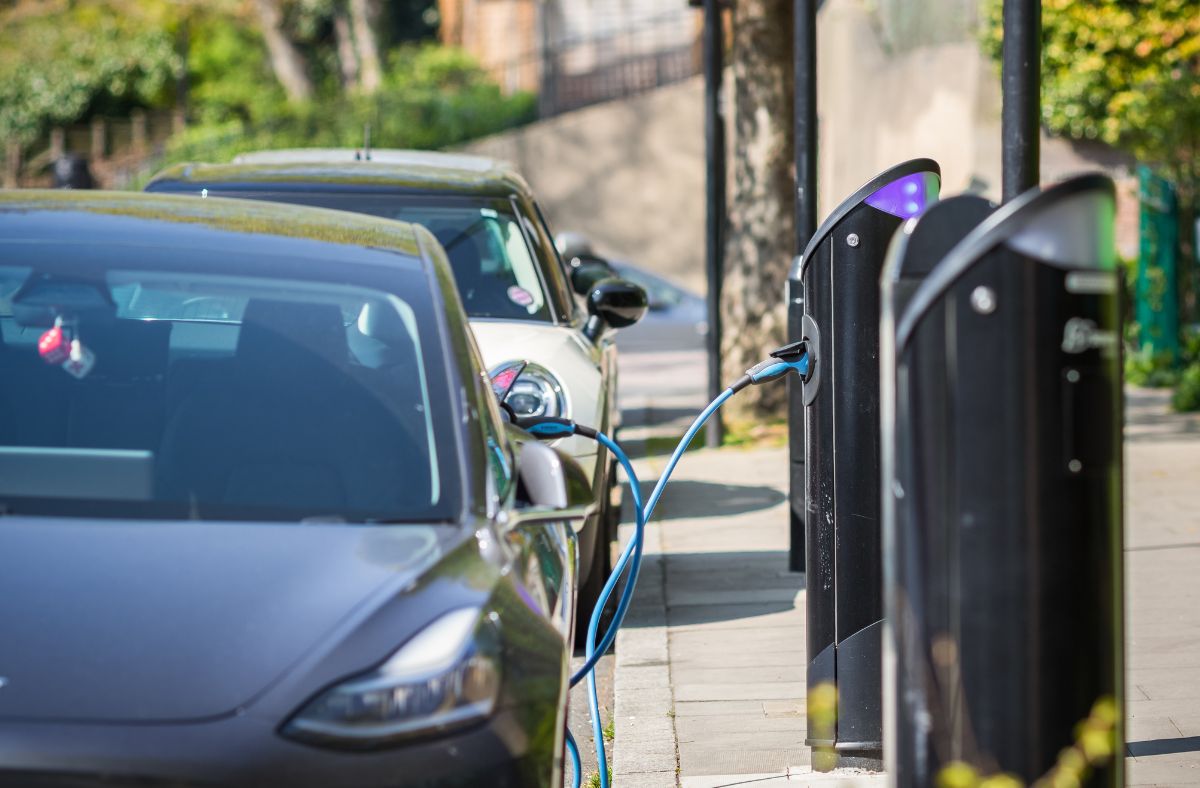
The rise of EV adoption in the UK
Driven by a mix of regulation, consumer demand and manufacturer investment (government incentives, company car tax benefits and the expanding public charging infrastructure have all played a part), nearly every major manufacturer now offers a fully electric model, while several brands have committed to phasing out internal combustion engines entirely over the next decade.
Even though more EVs are being sold each year, most cars currently on UK roads are still petrol or diesel. While the shift to electric has begun, it could take several more years before EVs make up the majority of vehicles. Upfront purchase prices are still typically higher than comparable petrol models, although running costs per mile can be significantly lower. The Institute for Fiscal Studies suggests that energy costs for electric vehicles can be around 60% lower than petrol equivalents when charged at home. This has influenced fleet buyers and high-mileage drivers in particular.
The UK government has set a target to end the sale of new petrol and diesel cars by 2030, with some hybrids permitted until 2035. This policy sits within the broader objective of achieving net-zero greenhouse gas emissions by 2050.
Are electric vehicles bad for the environment?
The answer depends on which part of the lifecycle is being examined. From an exhaust perspective, EVs produce zero emissions. In urban environments, this translates into lower nitrogen oxides and particulate emissions compared with diesel and petrol vehicles. Over the full lifecycle, however, the picture is more complex.
The mining and processing of lithium, cobalt and nickel for batteries contributes to the carbon footprint of manufacturing. Research by the International Energy Agency indicates that EVs typically have higher manufacturing emissions than internal combustion engine vehicles, primarily due to battery production.
However, over the lifetime of the vehicle, EVs generally produce lower total greenhouse gas emissions, particularly in countries like the UK, where the electricity grid has a growing share of renewables. As grid decarbonisation continues, the operational emissions of EVs fall further.
How long do EV batteries last?
Current manufacturer warranties often cover eight years or around 100,000 miles. However, data suggests most modern EV batteries retain a high percentage of their original capacity well beyond that period, with degradation rates often cited at around 3% per year under typical use.
Recycling remains an area of development. The UK and EU are introducing stricter regulations on battery recovery and reuse, with increasing emphasis on recovering valuable materials. The electric vehicle supply chain is evolving to include not just mining and manufacturing, but also second-life applications and recycling infrastructure.
There have also been high-profile incidents of EVs catching fire. While this is relatively rare, lithium-ion battery fires can be complex to extinguish. This has implications for emergency response training and regulatory standards.
Supply chain under pressure
The EV supply chain spans mining operations in South America and Africa, battery cell production in Asia and Europe, and final vehicle assembly in the UK and elsewhere. Recent geopolitical tensions and raw material shortages have highlighted vulnerabilities.
Semiconductor shortages have affected global production, while competition for battery materials has intensified as multiple countries pursue electrification strategies simultaneously. For UK manufacturers and suppliers, traceability and resilience are increasingly important. Regulations around responsible sourcing, carbon reporting and waste management are tightening, causing knock-on effects throughout the component supply network.
Rubber’s continuing role in the EV era
One misconception is that the shift to electric means a reduced need for traditional automotive materials. While EVs eliminate internal combustion engines and related components, they don’t eliminate the need for rubber. In some areas, demand may increase.
EVs are typically 20% to 30% heavier than comparable petrol or diesel vehicles due to their battery packs. They also deliver instant torque, placing higher loads on tyres. Research reported by Yale Environment 360 indicates that EV tyre wear can be up to 30% higher than for petrol vehicles, depending on driving style and vehicle weight.
This has several implications. Tyres for EVs are around 10% wider and designed to handle greater loads. They must balance durability with low rolling resistance to preserve battery range. Premium tyre manufacturers are investing heavily in EV-specific compounds to manage wear, noise and efficiency.
Automotive rubber seals and high-performance elastomers
Beyond tyres, rubber components remain integral to EV design. Automotive rubber seals are essential for thermal management, battery enclosure integrity and cabin isolation. Electric vehicles require enhanced sealing around battery packs to protect against moisture ingress and thermal fluctuations.
Materials such as silicone, EPDM and fluorelastomers are increasingly specified for their resistance to heat, ozone and chemical exposure. Silicone, in particular, is valued for its ability to maintain performance across wide temperature ranges, making it suitable for battery and high-voltage applications.
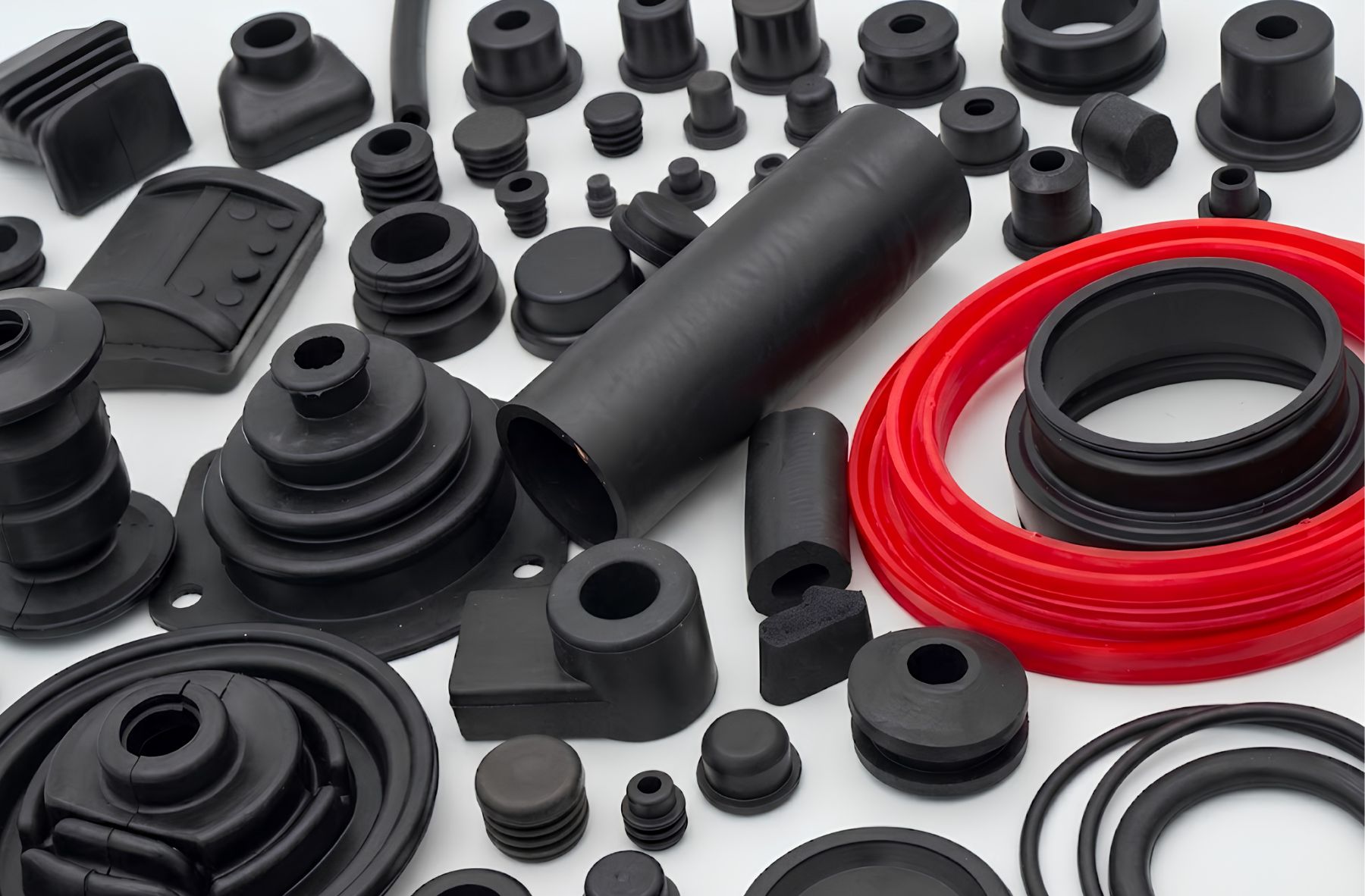
Rubber products for automotive use extend to gaskets, bushings, vibration dampers and cable protection systems. EVs are quieter than petrol and diesel vehicles, which places greater emphasis on managing road and wind noise, with rubber components playing a critical role.
Companies are focusing on compound quality and supply chain traceability to meet evolving standards. Documentation and material performance data are increasingly central to procurement decisions.
Growth opportunities and sustainability challenges
Yale Environment 360 has suggested that as EV numbers grow, scrap tyre volumes could rise significantly, with hundreds of thousands of additional tonnes of rubber entering waste streams annually in large markets. Expanding recycling capacity and improved material recovery rates will therefore be essential.
There’s also concern about deforestation linked to natural rubber plantations, particularly in Southeast Asia. As demand rises, sustainable sourcing becomes more urgent. Certification schemes and supply chain transparency are likely to become standard expectations as a result.
For those working in and around the automotive sector, the next decade might involve rethinking supply chains and performance standards across the board.