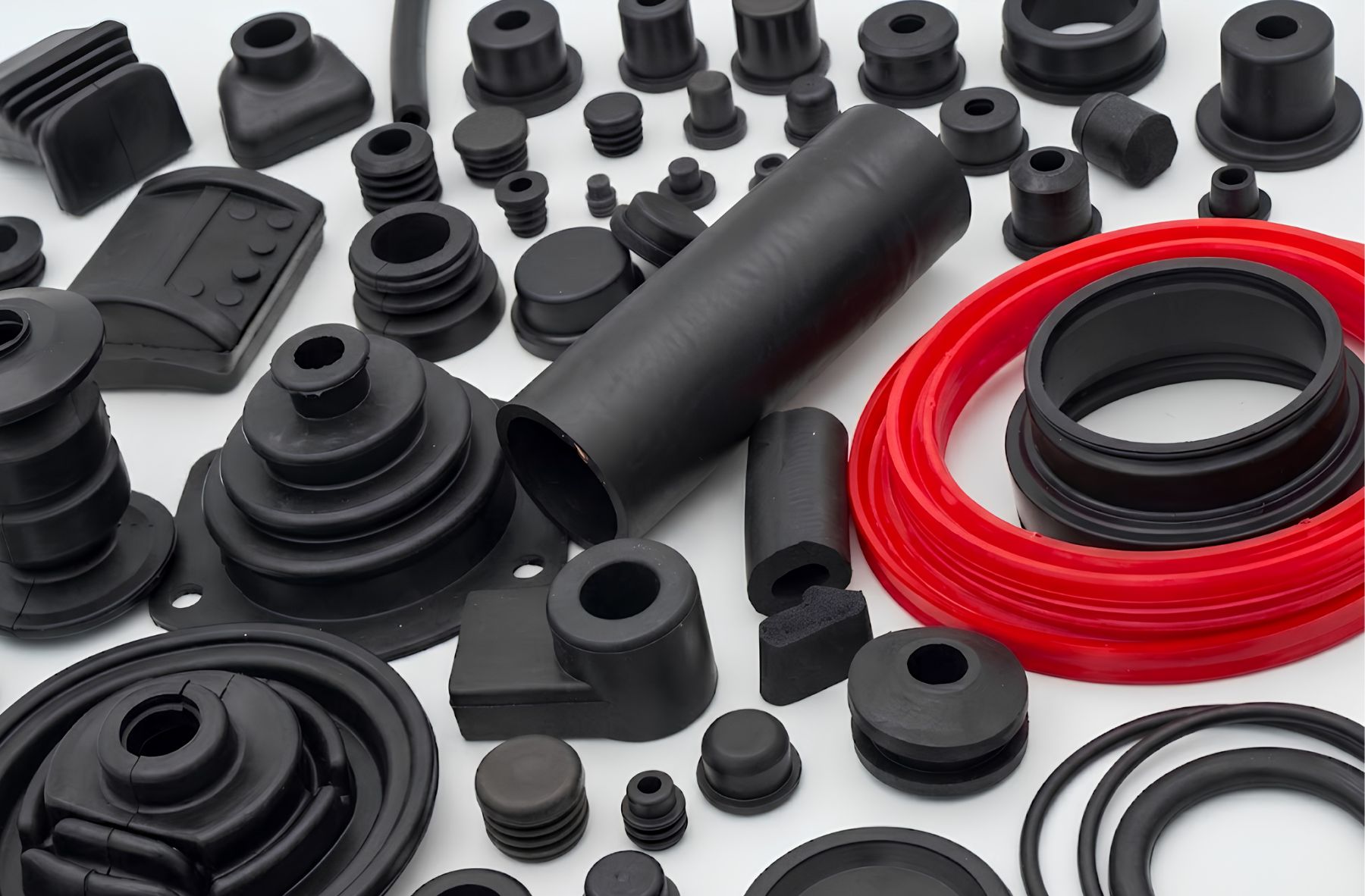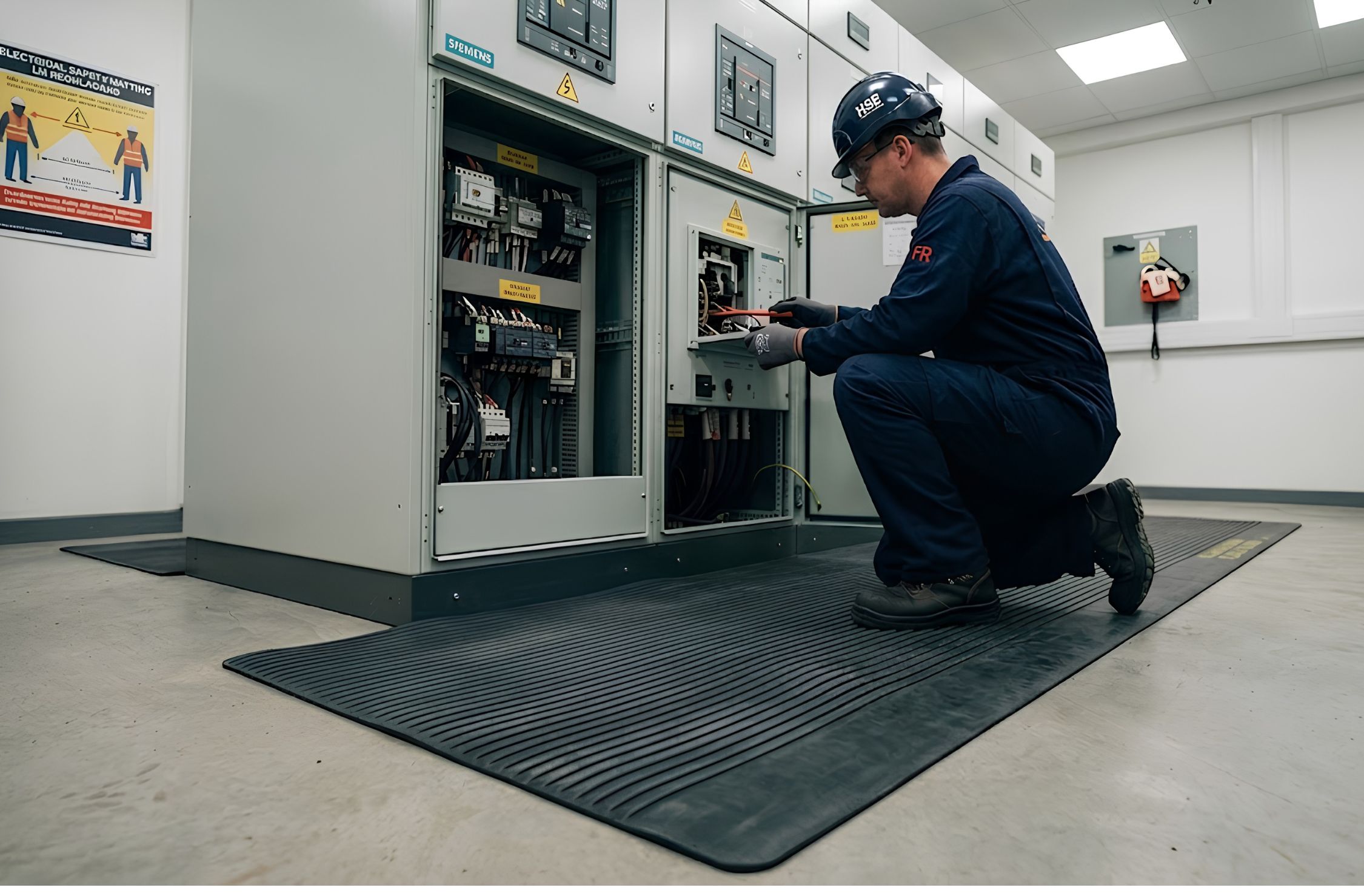
Rubber gaskets are essential components in many mechanical and industrial systems, providing effective sealing solutions.
Designed to fill the space between two surfaces, a rubber gasket prevents leaks, contains fluids or gases, and protects systems from environmental contamination. This small yet vital component is fundamental to the performance and safety of equipment in automotive engines, aerospace hydraulics, water processing systems and more.
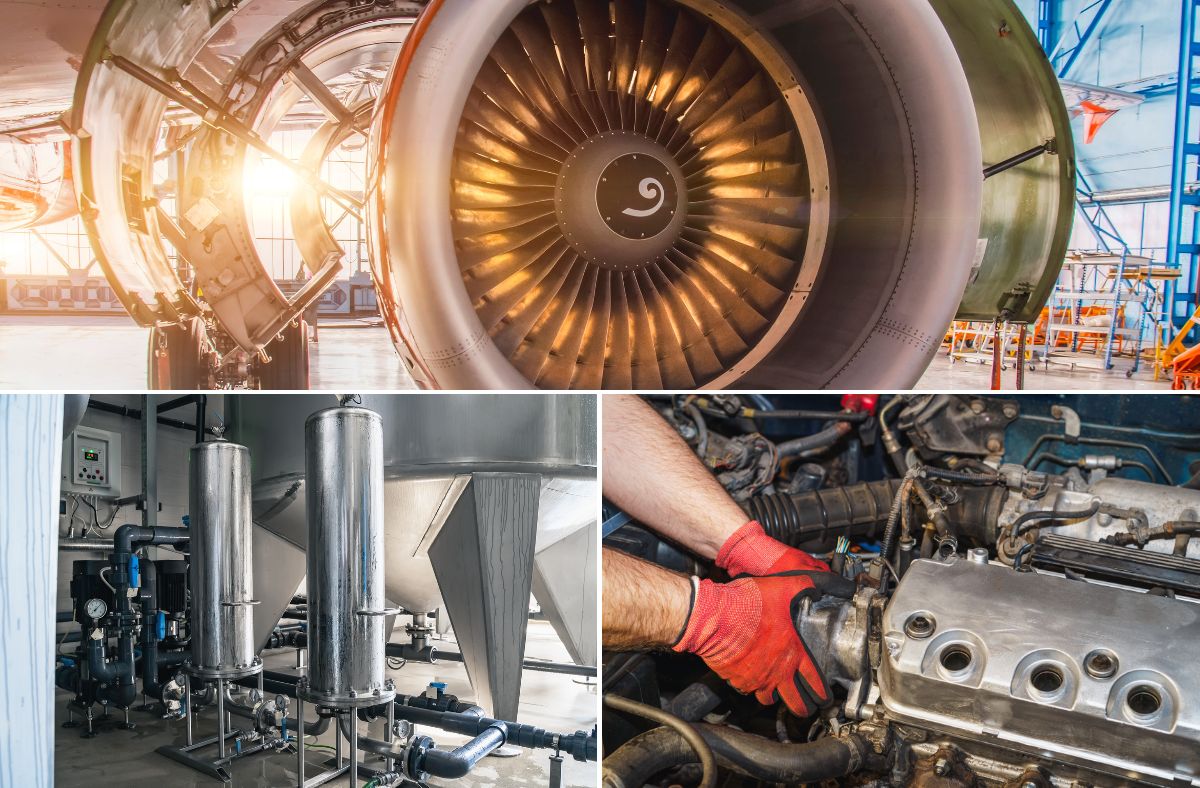
© DedMityay / Shutterstock | © aapsky / Shutterstock | © Skatty / Shutterstock
The choice of gasket type and material are key determinants of performance, durability and cost-effectiveness in any application. Selecting the right rubber gasket materials ensures the seal performs reliably under specific conditions including temperature extremes, chemical exposure and mechanical stress.
What makes rubber gasket materials so important?
Rubber gaskets serve more than just a simple sealing function; they account for surface irregularities, absorb vibrations and help maintain system integrity over time. In industries where fluids and gases must be precisely controlled, even a minor leak can result in significant safety hazards, costly downtime, or regulatory non-compliance.
This is particularly true in aerospace systems, where leak prevention is critical, or in water processing environments, where seals must meet stringent health and safety standards. Professional rubber sealing solutions outperform DIY alternatives every time because they’re engineered for specific performance criteria, including pressure and temperature ranges. Common gasket types can be broken down by material and industry relevance.
How Gaskets Play a Key Role in Reducing Carbon Emissions
Gaskets help save the planet by preventing dangerous leaks, reducing industrial emissions, improving energy efficiency in machines and buildings, and enabling the use of sustainable, non-toxic materials. These small, often overlooked components are essential for environmental safety in industrial, automotive and residential applications, contributing to sustainability by extending the lifespan of equipment and infrastructure, and reducing the need for frequent repairs and replacements that consume raw materials and energy. By maintaining proper sealing, they help systems operate at optimal efficiency, lowering fuel consumption and greenhouse gas emissions.
Nitrile rubber gaskets
Nitrile rubber is one of the most widely used materials for gaskets, offering excellent resistance to oils, fuels, grease and many petroleum-based fluids. This makes it a staple in automotive applications such as engine seals, fuel systems and hydraulic lines. Nitrile compounds can maintain sealing integrity in temperatures typically ranging from around −40°C to 135°C, which covers the operating range for many automotive and industrial applications.
In the automotive sector, nitrile gaskets prevent leaks in oil pans, valve cover seals and fuel components, contributing to reduced emissions and improved reliability. In aerospace, nitrile is often chosen for secondary sealing where resistance to hydraulic fluids and moderate temperatures is needed. It remains a cost-effective choice for many routine sealing tasks across industries.
EPDM rubber gaskets
Ethylene Propylene Diene Monomer rubber is prized for its resistance to water, steam, UV light, ozone and weathering. These characteristics make it especially suitable for applications involving water processing, outdoor environments and certain sealing tasks in HVAC systems. Operating temperatures typically ranges from about −40°C to 120°C and it offers excellent longevity in conditions where moisture and aging are key concerns.
In automotive industries, EPDM is commonly employed for door seals, window trim, and weatherstripping – areas where exposure to the elements is constant. In water processing, its resilience against steam and water makes it an excellent choice for sealing pump housings, flanges and fixtures that must meet stringent potable water safety standards. For aerospace use, EPDM finds niche applications where water resistance and environmental durability are required.
Silicone rubber gaskets
Silicone stands out for its broad operating temperature range, typically from -60°C up to 230°C, along with high flexibility and stable performance in both extreme heat and cold. These properties make silicone gaskets ideal for aerospace components, high-temperature automotive applications and some water processing systems where temperature swings are significant.
Non-toxic and resistant to ozone and UV light, silicone is a preferred material in food processing and hygienic environments, such as sealing equipment used in potable water systems or water treatment facilities. In aerospace, it is often used in environmental control systems and thermal insulation seals, where maintaining flexibility at extreme altitudes and temperatures is essential.
Neoprene rubber gaskets
Neoprene offers a balanced profile of weather, ozone and moderate chemical resistance, making it suitable for general purpose seals. With a temperature tolerance that generally ranges from about -20°C to 110°C, it is frequently used in applications where durability under environmental stress is needed without high expectations for oil or fuel resistance.
In automotive contexts, neoprene may be found in HVAC seals or exterior trim gaskets. Its good resistance to salt and fresh water also makes it applicable in certain water processing equipment, marine hardware and outdoor sealing applications. However, it’s less common in aerospace, where higher performance materials like silicone or fluorocarbon elastomers are often required.
When choosing the correct gasket for an application, several crucial factors should guide your decision:
Temperature and pressure tolerance
Different gasket materials have distinct limits for temperature and pressure. High temperature automotive engine components or aerospace systems may need silicone or fluorocarbon elastomers, while water processing equipment may operate well with EPDM. The operating environment’s pressure profile is equally important; selecting a material that can withstand peak system pressures without failure ensures long term performance.
Chemical and environmental resistance
Gaskets frequently come into contact with chemicals, oils, fuels, water and other substances. Materials like nitrile excel in oil and fuel resistance, while EPDM shines in water and steam environments. Aerospace sealing solutions might demand low outgassing, high UV resistance, or compliance with industry specifications that limit volatile compounds. It’s not uncommon for materials to be cross-referenced against detailed chemical compatibility charts.
Regulatory and industry standards
Each industry has specific standards. Water processing often requires NSF or ANSI approval for potable water contact. The aerospace industry demands traceability and materials certified for flight systems. Automotive seals must meet emissions and safety directives. Compliance with these standards is mandatory for safety and legal operation.
Durability and longevity
Longevity in the face of repeated thermal cycling, vibration and mechanical stress is vital. EPDM’s weather resistance contributes to long service life outdoors, while silicone’s stability under thermal extremes helps maintain seal integrity. Regular maintenance and quality manufacturing processes further extend gasket life.
Cost vs performance
While premium materials can offer superior performance, they often come at a higher cost. Balancing budget considerations with performance requirements ensures gasket selection supports both reliability and financial efficiency. Often, bespoke rubber gaskets tailored to specific performance criteria provide the best long-term value.
Bespoke rubber gaskets and seals
Coruba offers a wide selection of materials and works closely with customers to ensure the most suitable rubber type is chosen for each application. We provide bespoke rubber sealing solutions to satisfy individual needs. Detailed information is available on our rubber compounds list and chemical compatibility/resistance chart.
The choice of gasket materials is a strategic decision impacting performance, safety and costs, so understanding the properties of nitrile, EPDM, silicone and neoprene helps engineers and procurement professionals choose the best rubber sealing solutions for their systems.