The conversation around automotive sustainability often focuses on batteries, renewable energy and zero emission vehicles, but quietly working behind the scenes is rubber, a material that has been part of car manufacturing for decades.
In all its forms, it’s proving to be invaluable in the race towards net-zero emissions. From tyres and vibration control to every rubber seal, various components are helping automakers design vehicles that are cleaner, lighter and more efficient.
© Hryshchyshen Serhii / Shutterstock
Manufacturers are under intense pressure to reduce emissions across the entire vehicle lifecycle, not just at the exhaust pipe. Rubber supports the automotive industry’s sustainability goals, with innovations in technology shaping the future.
Sustainability means lowering energy consumption during manufacturing, improving efficiency on the road and reducing waste at end of life. Rubber plays a crucial role in all three areas and is essential to vehicle performance, as modern cars rely on advanced compounds to seal, cushion, protect and insulate components.
How rubber improves energy efficiency
While energy efficiency tends to focus on motors and batteries, it’s also about how much energy is lost through friction, vibration, heat and air leakage. Rubber helps manage all of these factors, providing seals around doors, windows, battery housings and powertrain components to prevent air leaks and moisture ingress.
Better sealing means improved aerodynamics and thermal management, directly reducing the energy required to heat or cool the interior. In electric vehicles, where every watt counts, effective sealing can noticeably extend the driving range.
Rubber is also widely used for vibration dampening. Engine mounts, suspension bushings and isolators absorb vibrations that would otherwise translate into energy loss and wear. By reducing friction and unnecessary movement, rubber helps systems to operate efficiently and quietly.
Key components in electric vehicles
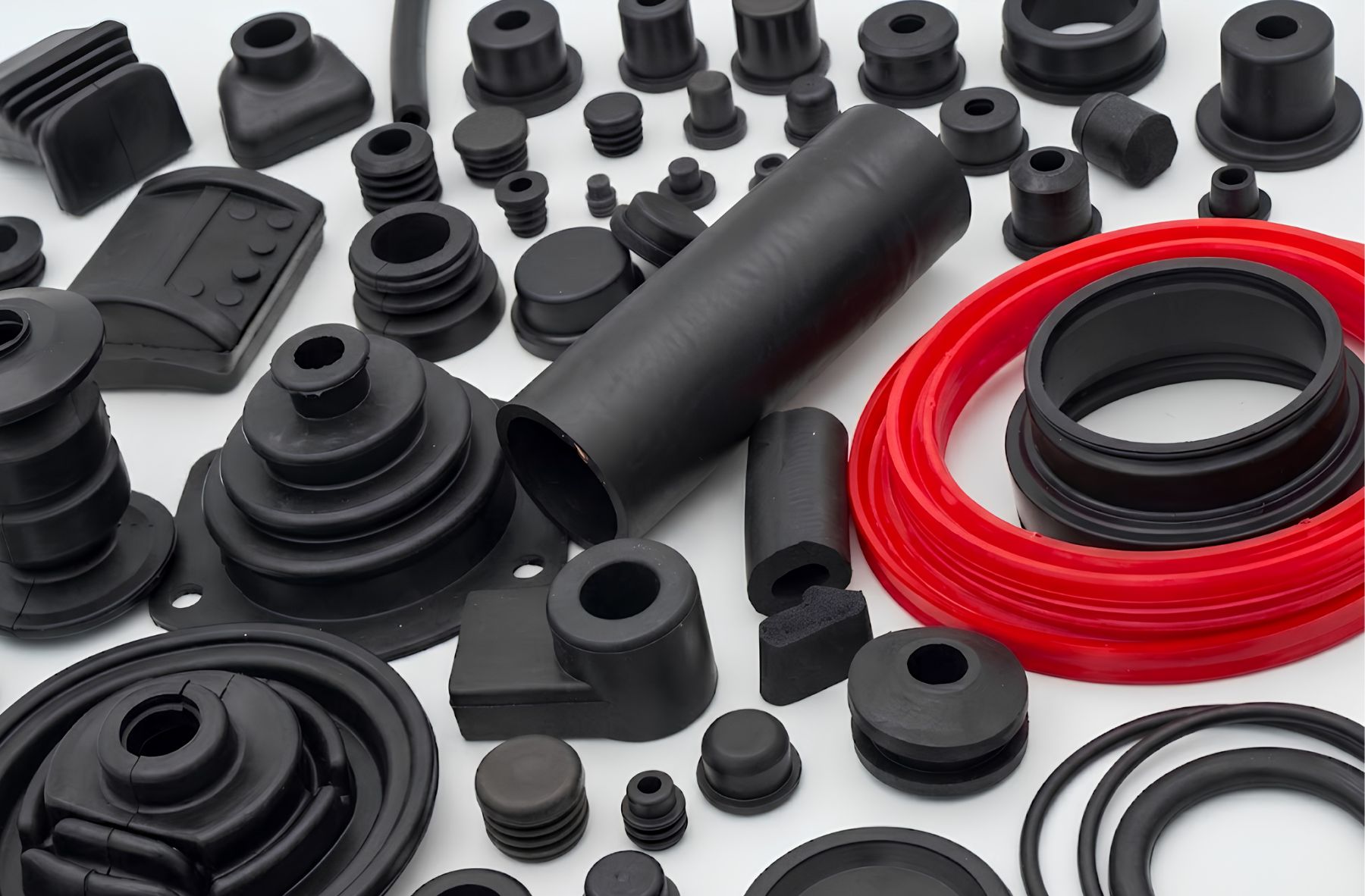
Electric vehicles need advanced rubber solutions to support sustainability goals and protect sensitive systems. High-voltage battery packs depend on specialised rubber gasket seal designs to keep out water, dust and contaminants. These seals also help to manage temperature fluctuations, which is essential for battery performance and longevity. Cooling systems in EVs use rubber hoses and seals to circulate fluids safely and efficiently, ensuring optimum operating temperatures.
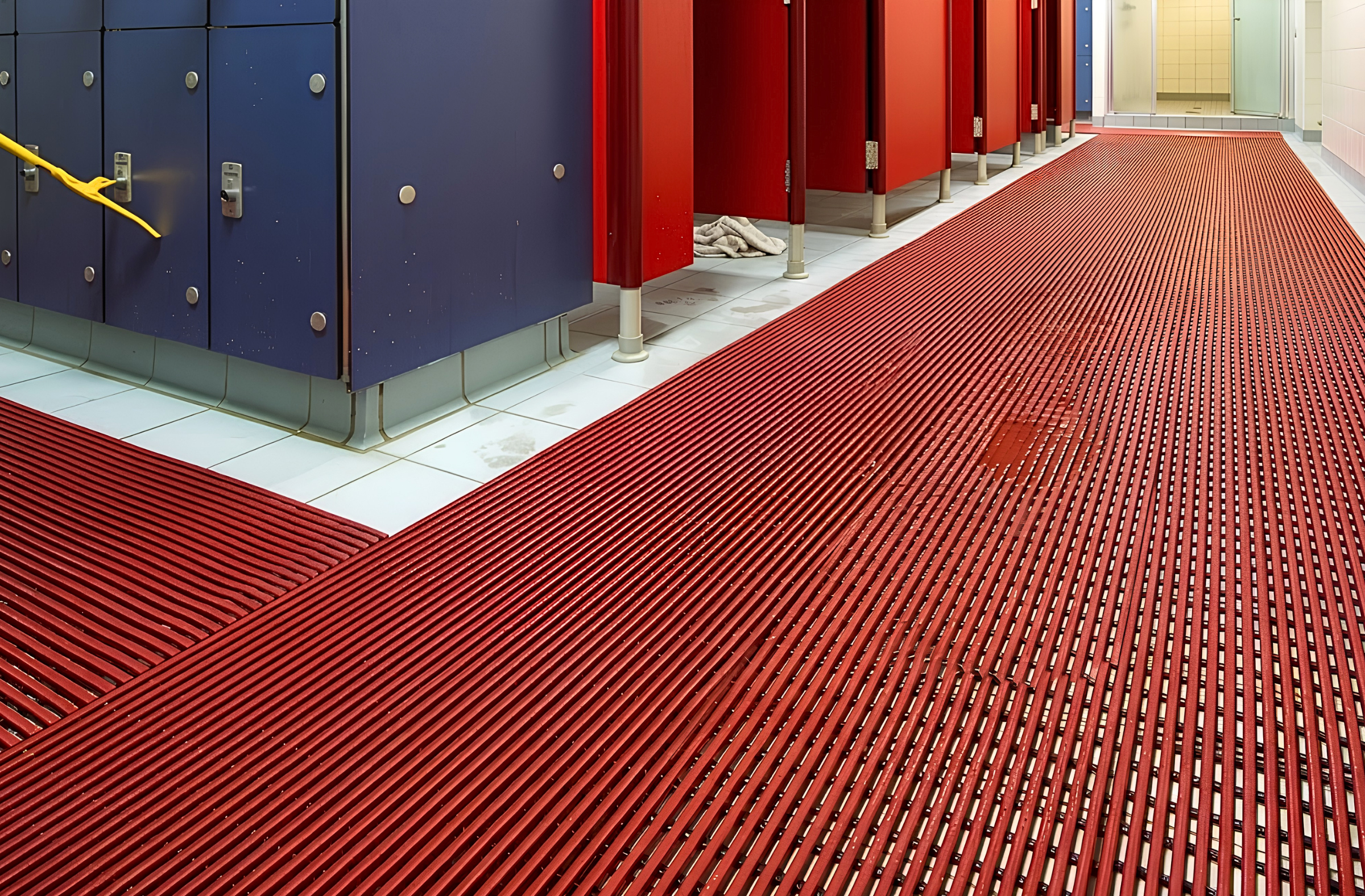
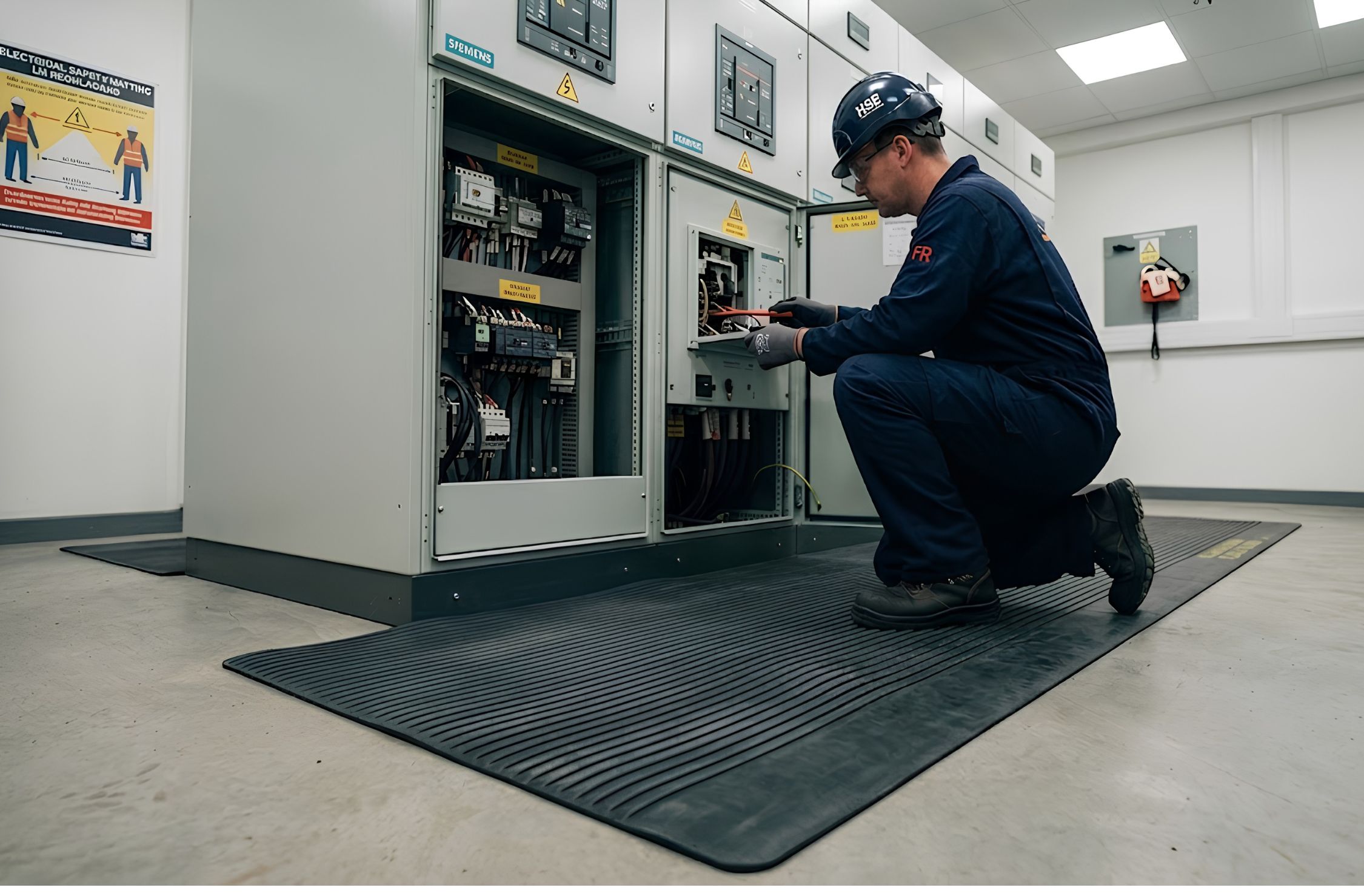
Noise reduction is another area where rubber shines. Electric drivetrains are quieter than combustion engines, making road noise and vibration more noticeable. Rubber mounts, seals and matting help create the smooth, refined driving experience we expect, while avoiding the need for heavier soundproofing materials.
Rubber’s role in lightweighting
A major strategy for reducing emissions, lightweighting is based on the premise that the lighter the vehicle, the less energy it needs to move. Rubber contributes by replacing heavier materials, without sacrificing performance.
Advanced rubber compounds can offer reliability, strength and flexibility at a lower weight than many metal alternatives. For example, rubber seals and gaskets can replace complex metal assemblies, simplifying designs and reducing overall mass. Rubber extrusions used in door seals and boot profiles provide excellent durability with minimal weight, contributing to improved efficiency over the vehicle’s lifetime.
In EVs, every kilogram saved allows manufacturers to either extend driving distance or reduce battery size, both of which lower the vehicle’s overall environmental footprint.
Is rubber ecofriendly?
One of the most important sustainability questions is the environmental impact of rubber. The answer depends on how it’s sourced, used and recycled. By reusing rubber from end-of-life tyres and industrial waste, manufacturers reduce reliance on virgin materials and cut down on landfill. Recycled rubber can be incorporated into non-critical components, mats, underbody protection and insulation materials.
This supports circular economy principles and helps automakers reduce the carbon footprint associated with raw material extraction and processing. While not every component can currently be made from recycled material, ongoing innovation is opening up the possibilities.
Rubber seals and gaskets in emissions reduction
It may seem surprising, but a single rubber seal can have a measurable positive impact on emissions. Seals and gaskets prevent leaks, protect systems and ensure the vehicle operates as efficiently as possible.
A well-designed rubber seal prevents air and fluid leaks that could otherwise lead to inefficiencies, increased energy consumption, or even system failure. In combustion vehicles, gaskets ensure optimal engine performance and emissions control. In EVs, sealing is vital for battery protection, thermal management and long-term reliability.
Coruba has built a reputation for producing bespoke rubber gaskets and seals that meet precise specifications. Established in 1981, we manufacture high-quality rubber components using methods like punching and die-cutting, supporting a wide range of industrial and automotive applications. Specialist rubber manufacturers contribute quietly, but significantly, to the automotive sector’s sustainability efforts.
How rubber tyres aid efficiency
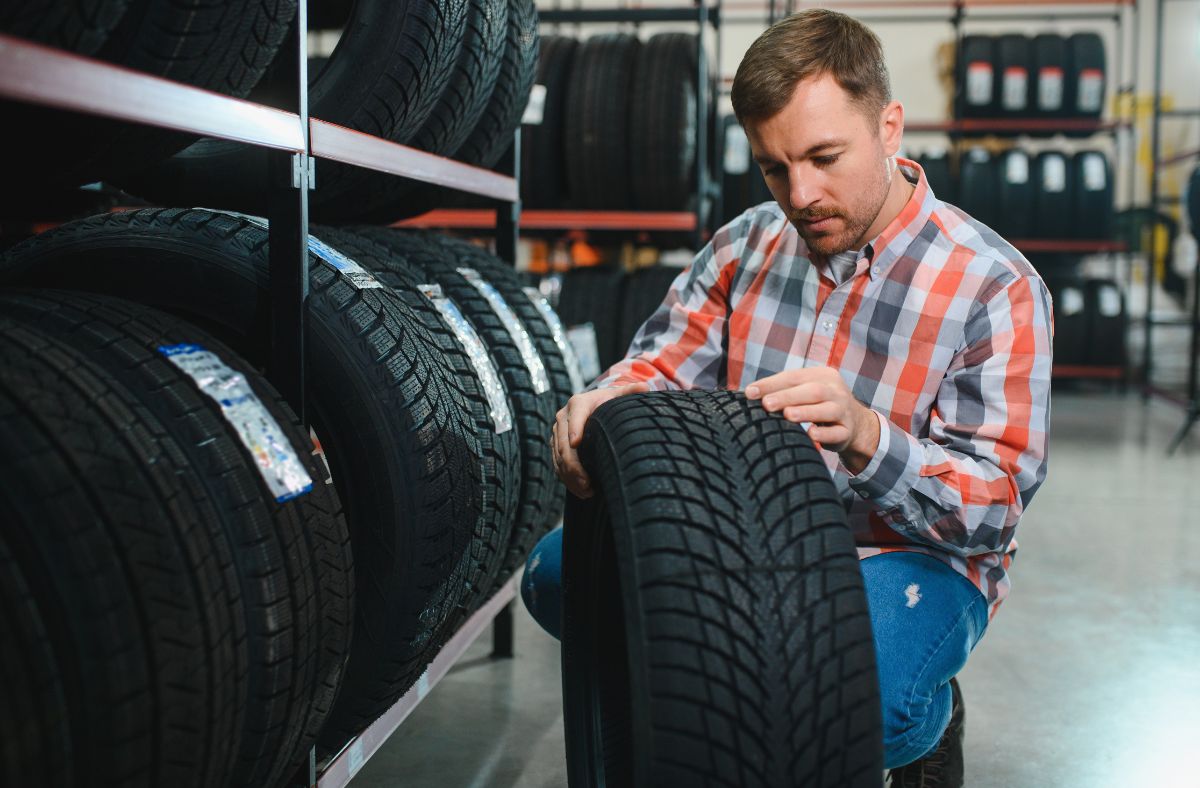
Tyres are the most visible rubber component on any vehicle, and their impact on sustainability is well documented. Rolling resistance, grip and durability all depend on the rubber’s formulation.
Modern tyre compounds are designed to reduce rolling resistance, which lowers energy consumption and improves fuel efficiency or EV range. Advances in synthetic and bio-based rubber have improved heat resistance and lifespan.
Tyre recycling initiatives have also improved dramatically: old tyres are increasingly repurposed into new products, reducing waste and supporting sustainability targets.
Innovations supporting net-zero
Biodegradable rubber compounds and bio-based elastomers are being developed to reduce dependence on fossil fuels. Advances in recycling are making it feasible to reclaim higher-quality materials suitable for more demanding applications.
Smart rubber materials are another exciting area of research. They can respond to changes in temperature or pressure, potentially leading to self-healing seals, or components that adapt to driving conditions. Such innovations could further improve safety, while reducing material waste.
How is the industry responding to challenges?
Despite its benefits, natural rubber sourcing raises concerns about land use and biodiversity, while synthetic rubber relies on petrochemicals. Improving recyclability remains a technical challenge, particularly for complex, multi-material components.
The industry is responding through better supply chain traceability, improved material science and collaboration between manufacturers and specialist suppliers. In the UK automotive sector, Coruba emphasises the importance of material selection, quality control and traceability.
From improving energy efficiency and enabling lightweight designs to supporting recycled materials and protecting critical systems, rubber is embedded in every step of the journey towards net-zero.