Rubber matting probably isn’t the first thing that springs to mind when someone mentions retail safety, but in reality, it’s one of the unsung heroes of the working world. Whether it’s keeping employees comfortable during a long shift, or preventing someone from slipping on a rainy day, rubber mats have been quietly doing their job in the background for more than a century.

© Bespaliy / Shutterstock
A brief history of rubber mats
To appreciate how far we’ve come, it helps to look back. Humans have been using mats of one kind or another for thousands of years. We’re talking prehistoric mats made from bark, the straw and rush woven mats in Mesopotamia in 6000 BC and the classic tatami mats of 12th century feudal Japan.
The real game changer for commercial spaces came in the early 20th century. With the Industrial Revolution and innovations like vulcanised rubber, thanks to US entrepreneur Charles Goodyear, workspaces finally had materials that were durable, flexible and easy to clean.
One of the first commercial rubber matting breakthroughs was the 1903 patent for a studded rubber mat. It doesn’t sound glamorous, but it made a huge difference. Suddenly, shop floors, factories and busy entryways had a way to deal with dirt, wet weather and foot traffic without wrecking the floors, or anyone’s back.
Retail mats: a gradual evolution
Rubber matting didn’t storm into retail like a Black Friday crowd. Its adoption was slow, but steady. In the 1920s and 1930s, department stores began using entrance mats to control dirt and moisture. By the mid-20th century, you could find non-slip matting and basic cushioned floor coverings behind counters and in stockrooms. The thinking was simple: stop people from slipping and make it less uncomfortable to stand for ten hours straight and you’ll have a happier and more productive workforce.
Why standing hurts – and how mats help
The real revolution came when scientists started asking, “What actually happens to the body when you stand all day?” This is where anti-fatigue matting started to shine. The pain in your feet, knees, back and shoulders that comes from standing for hours on end can be excruciating, as anyone who’s ever worked in retail will know.
The problem is that our bodies aren’t designed to stand on hard floors for prolonged periods. Pressure builds up in the legs and feet, blood flow slows down, muscles feel fatigued and before you know it, you have sore and swollen feet, lower back pain and a stiff neck-and-shoulders combination.
Anti-fatigue mats provide a cushioned surface that encourages subtle micro-movements in the legs and feet. It sounds minor, but these tiny shifts improve circulation, reduce muscle strain and promote better posture. It’s basically a workout for your calves that you don’t even notice. This is a win, because retail workers are already on their feet all day and nobody needs to do extra squats.
Science backs it up
Multiple studies have shown that workers using anti-fatigue matting report less discomfort, improved concentration and even better productivity.
The key benefits include reduced foot pressure and muscle strain; improved blood circulation; a lower risk of long-term musculoskeletal disorders; and a significant reduction in fatigue. This means fewer aches and pains and more smiles on the shop floor.
Don’t underestimate the psychological benefits. When employees feel comfortable, they’re not only more productive, but they’re also more likely to stay in the job, take fewer sick days and generally feel better.
Health and safety in retail
In the UK, the Workplace (Health, Safety and Welfare) Regulations 1992 require that floors be “fit for purpose”. This means they need to be safe, suitable for their intended use and in good condition. Using anti-fatigue mats is seen as a smart way to meet your duty of care as an employer.
For health and safety managers in retail, this is about looking after staff, reducing injuries and creating a workplace that proactively supports the people in it. When prolonged standing is unavoidable – which it often is on the shop floor – rubber matting and anti-fatigue solutions are a practical and low-cost way to meet both legal and ethical standards.
Non-slip matting: not just for rainy days
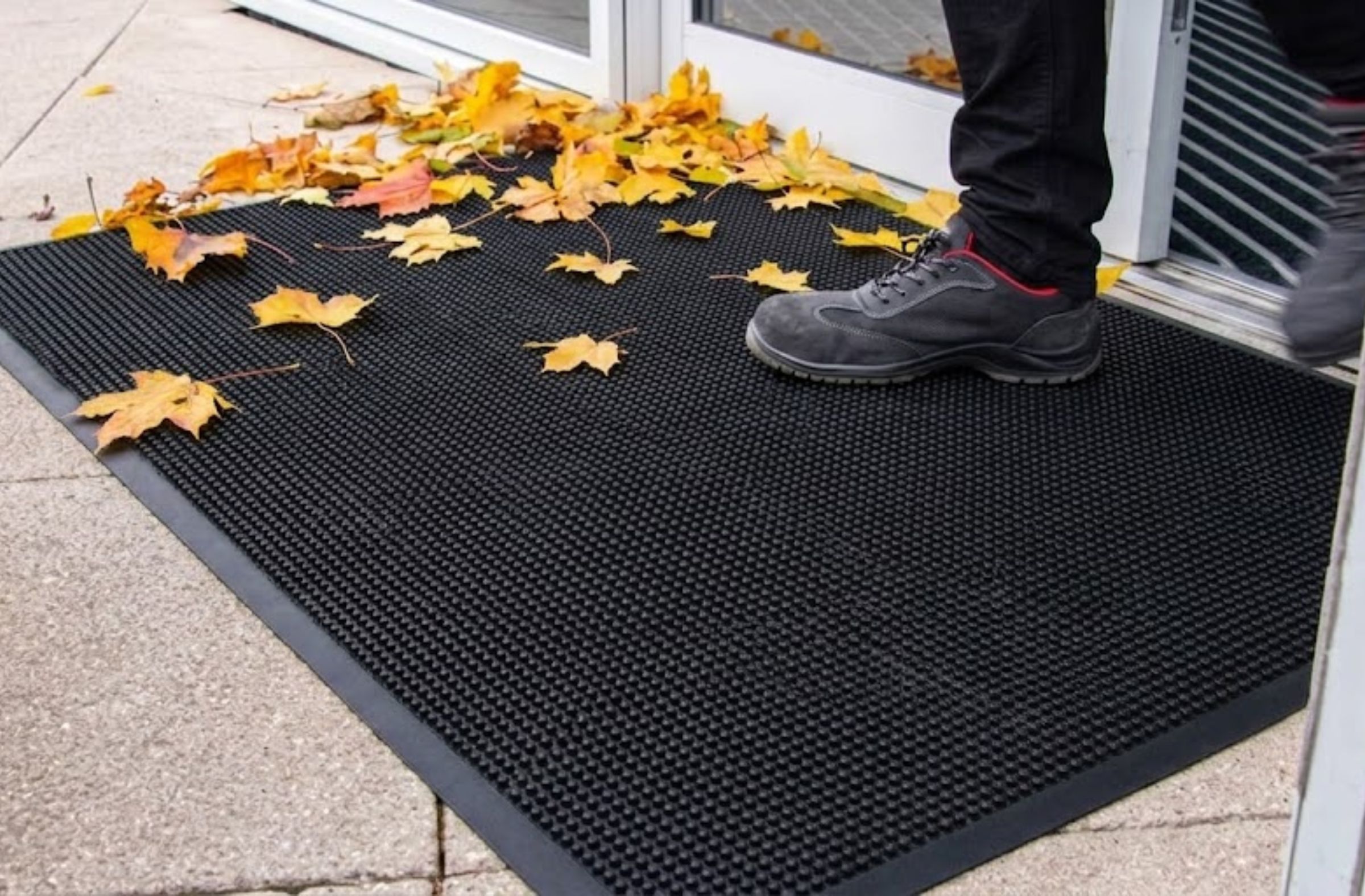
Let’s not forget the other major retail flooring hazard: slips and trips. It doesn’t take much: a bit of water by the entrance, or a wet leaf stuck to someone’s shoe and suddenly, someone’s down on the floor.
Non-slip matting is one of the simplest and most cost-effective ways to reduce those risks, whatever the weather. Modern mats are built for performance. Take Coruba’s non-slip matting, for example. Our Pyramid Plate matting is made from 100% recycled materials, features a multidirectional tread and retains its grip even when wet. It’s ideal for high-traffic retail areas, walkways and entrances.
Rubber matting: practical, comfortable and green
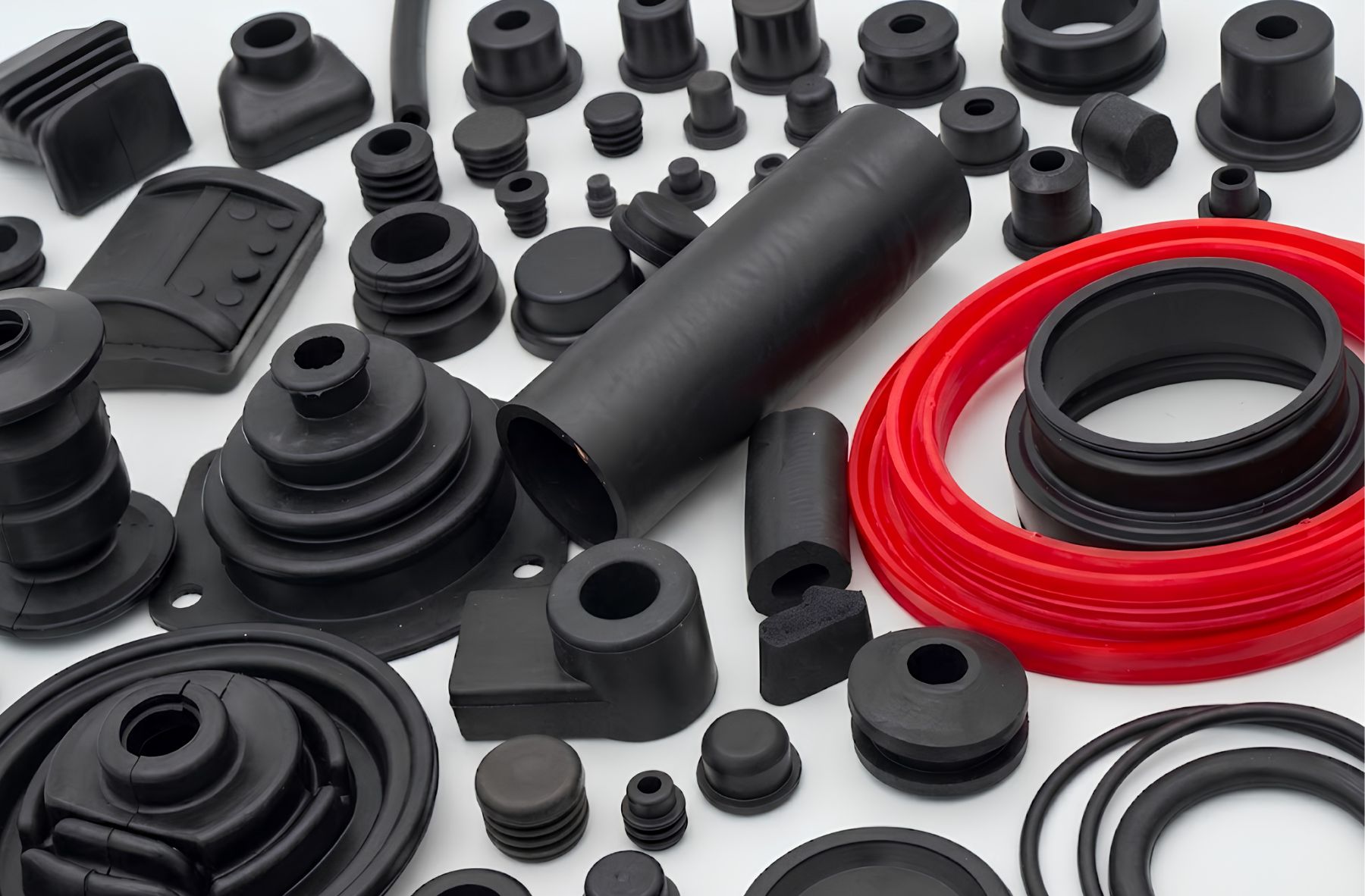
One of the best parts about modern rubber matting is that it’s increasingly eco-friendly. Many mats are made from recycled rubber, helping businesses to meet their sustainability goals without compromising on safety or performance.
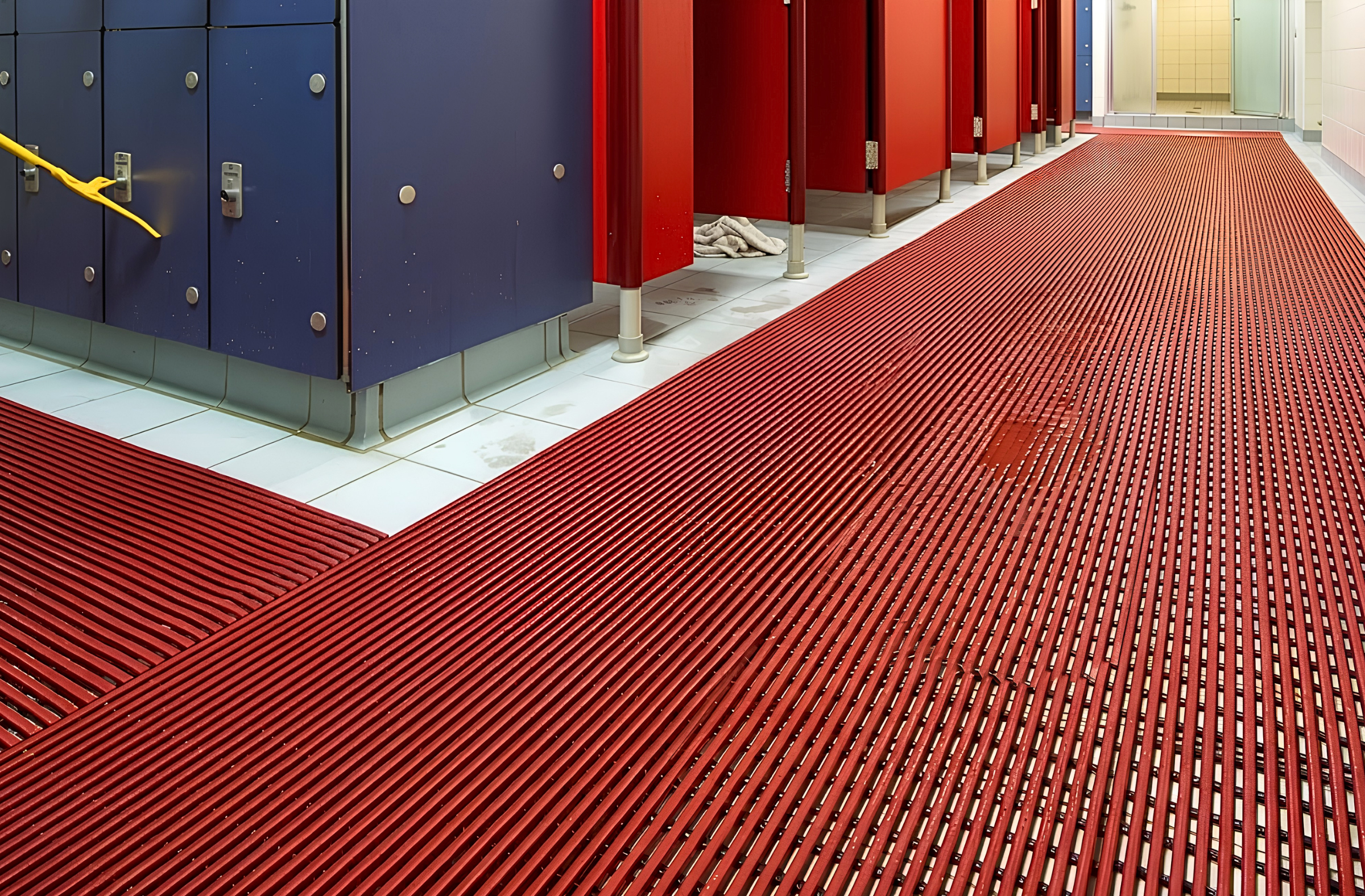
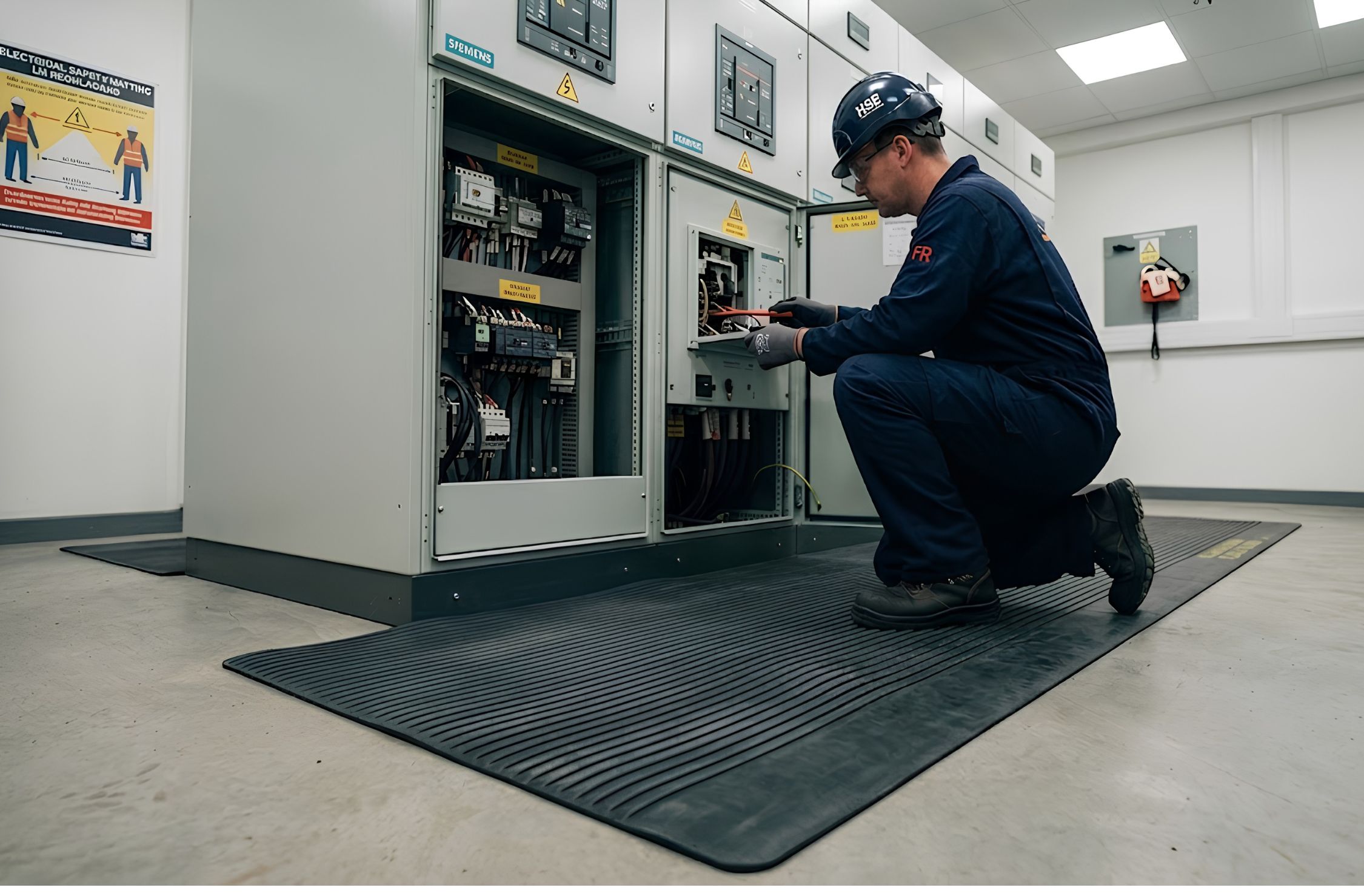
Today’s matting comes in all shapes and sizes, from entrance mats that trap dirt and moisture to anti-fatigue options for counters and workstations. Rugged non-slip runners are ideal for back-of-house areas; whatever the job, there’s a design that will make it safer and more comfortable.
In retail, when staff spend hours standing, and customers walk across hard floors all day, one little slip can be costly, not only in terms of potential injuries, but also in compensation cases and a loss of your professional reputation.
It’s been a long road from the humble straw mats of ancient Mesopotamia to the durable, eco-friendly flooring of modern times, but one thing’s for sure: rubber matting has earned its place on the retail stage!