Farming in 2025 is looking very different from years gone by, largely as a result of climate change. Across the UK, drought risks have reached levels not seen in decades.
By mid-May, England and Wales had received just 225mm of rainfall, which is about 29% less than the average for this time of year. This year had officially the driest start to the year since 1997, with the impact being felt on farms up and down the country.

The soil is parched in many regions, especially across central and south-east England, where moisture levels are nearing the minimum level possible. Nearly three-quarters of monitored river sites in the UK are reporting reduced flows, including some that have hit record lows. Reservoirs have also taken a hit, leading to official drought declarations and hosepipe bans in areas including Yorkshire, which has experienced its driest spring in 132 years.
With the ground so dry and temperatures running high, farmers have been forced to irrigate much earlier than usual, just to keep stressed crops alive. It’s a tough and worrying start to the season – and one that highlights just how urgently UK agriculture needs to adapt to our changing climate.
Effects of drought on farm productivity and costs
Farmers in the UK are well aware of the strain that drought places on both yield and income. A recent study by the European Consortium of Innovative Universities found that over the past five years, 78% of farmers had experienced the impact of drought. A massive 84% of them have seen reduced crop yields, 87% have experienced decreased productivity and more than three‑quarters say the result has been a significant loss of income.
Nationwide, UK farmers saw a £1.19 billion drop in income from arable crops between 2023 and 2024 due to extreme weather conditions, according to official figures from the Department for Environment, Food and Rural Affairs. Wheat revenues were down by £796 million, barley by £190 million and oilseed rape by £149 million. With 2025 forecast to possibly become one of the worst harvests on record, the financial and food security risks are stark.
Practical steps to conserve water on the farm
Efficient irrigation techniques such as drip systems or soil moisture sensors can ensure less water is lost to evaporation or runoff. Preventing leaks across water storage, pipes and distribution equipment is simple, but highly impactful. Careful soil management through cover cropping, mulching and maintaining organic matter can increase the soil’s ability to retain moisture and buffer plants during dry spells.
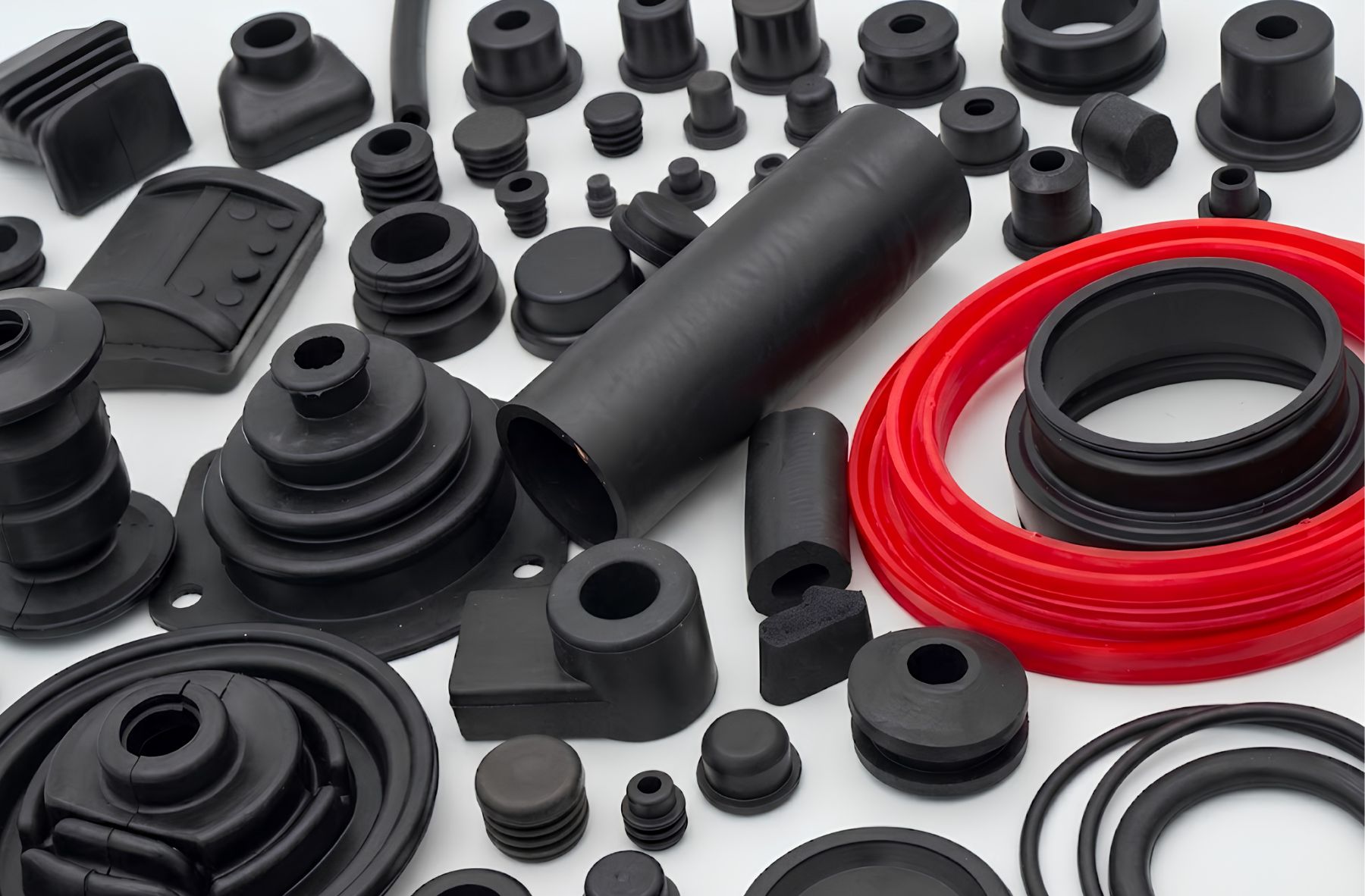
Beyond these broad strategies, everyday farm products, such as rubber mats and seals, can make a real difference. Long lasting seals can prevent leaks, durable liners will protect water troughs and mats can reduce soil compaction, helping to conserve water and reduce waste over time. These simple products reduce wear, avoid costly replacements and keep systems functioning efficiently.
High quality rubber products such as Coruba’s animal mats, seals and liners offer practical and durable solutions that can help farmers build resilience against economic instability. Cow matting can reduce the disturbance of soil underneath enclosures, protect surfaces and reduce cleaning needs. This means using less water to wash down livestock living areas, fewer replacement products, reduced waste and an improved carbon footprint for your farm buildings.
It also supports animal health by reducing stress and injury, creating safer surfaces and enhancing livestock mobility, while maintaining cleaner, easier‑to‑manage spaces. A purpose-made rubber cow mat can also channel liquids and waste away, simplifying ongoing maintenance at the same time as conserving water used for cleaning.
Robust rubber seals can ensure stored rainwater and irrigation supplies don’t slip away. Long lasting liners or trays help farmers repurpose water efficiently and avoid seepage into the ground. Over time, choosing high-quality rubber components reduces replacement frequency and waste.
Reducing carbon emissions
Cutting carbon emissions isn’t just about climate targets: it’s also about strengthening drought resilience. Climate‑smart farming tactics like improving soil health, regenerating pastures and planting trees all store carbon while enhancing water retention in soils. Reduced tillage, biodiverse cover cropping and integrating agroforestry systems will slow water evaporation, enhance resilience and mitigate heat stress, helping to safeguard yields during drought conditions. These practices align sustainability goals with practical water savings and improved long‑term soil fertility.
Studies show that more than 80% of UK farmers are increasingly concerned about climate change damaging their livelihoods. Farmers speak of rapid weather swings from floods of “Biblical proportions” to crushing droughts over the past few years undermining their confidence in long-term viability.
Kent farmer Anthony Curwen has described being fearful for farmers’ futures amid unpredictable weather patterns, with recent extreme droughts and heatwaves having made things “increasingly difficult”. The ongoing weather patterns of floods, followed by droughts, across the past five years has had a devastating impact on both productivity and financial returns.
The agricultural sector in the UK employs around 462,000 to 477,000 people, according to the government. In the first quarter of 2025, there were an estimated 96,900 farmers working in the UK, down from 103,800 in the previous quarter, according to data from Statista.
Building long‑term resilience
Sustainable farming UK-wide must be adopted through a multi‑pronged approach, according to organisations such as the National Farmers’ Union and the Nature‑Friendly Farming Network. A core recommendation from the NFU is to focus on improving farm productivity while reducing emissions. This means producing more with fewer inputs by optimising fertiliser, feed and energy use; improving livestock health; preventing soil compaction; and using precision technologies. Many farmers use integrated systems that recycle nutrients, like feeding non-sale crops to livestock and returning manure to fields, which cuts cost and improves soil organic matter.
Water conservation strategies including efficient irrigation, soil management and leak prevention can lay the groundwork. Farmers are being encouraged to develop ponds, reservoirs, buffer strips and flood control features on their land. Funding frameworks like the Sustainable Farming Incentive and Environmental Land Management schemes may offer support for such initiatives if sustained.
Soil health and structure also sit at the heart of climate resilience. The Nature‑Friendly Farming Network and wildlife charity the RSPB champion a range of nature based practices such as cover cropping, mulching, agroforestry, preserving hedgerows and rewetting soils to improve water storage and biodiversity. They believe farms that adopt these methods can significantly buffer extreme weather impacts and maintain productivity.
Chances of UK drought 2025
Met Office data for summer shows rainfall deficits continue: England had received just 37% of the seasonal average by mid-July, with southern regions having as little as 29% of the usual rainfall.
Yield forecasts suggest 2025 could be among the worst harvest years on record. Farming relies heavily on the weather, but it’s increasingly shaped by long-term climate shifts. As drought becomes a more frequent challenge, building resilience is essential for the future of UK agriculture.