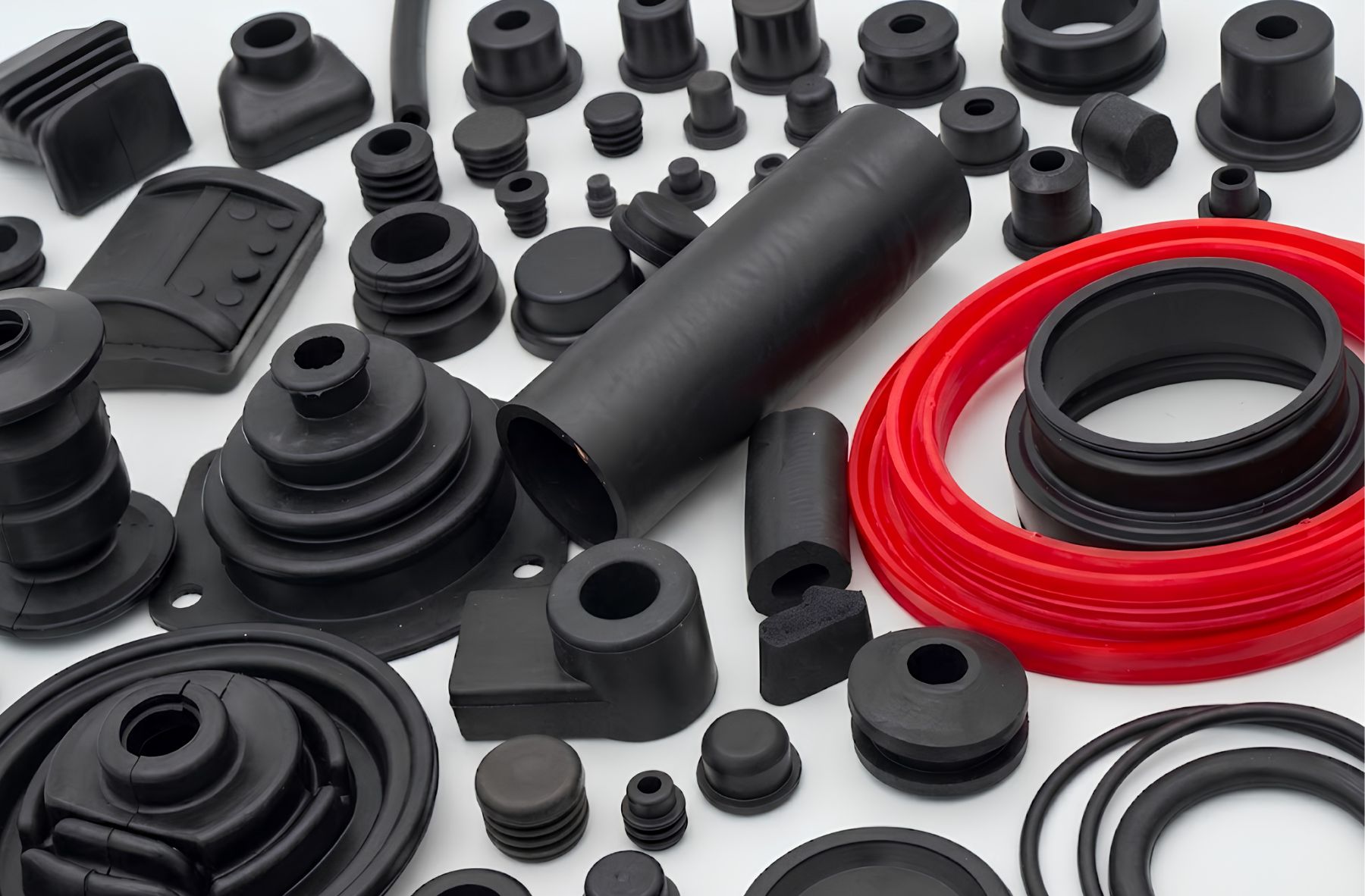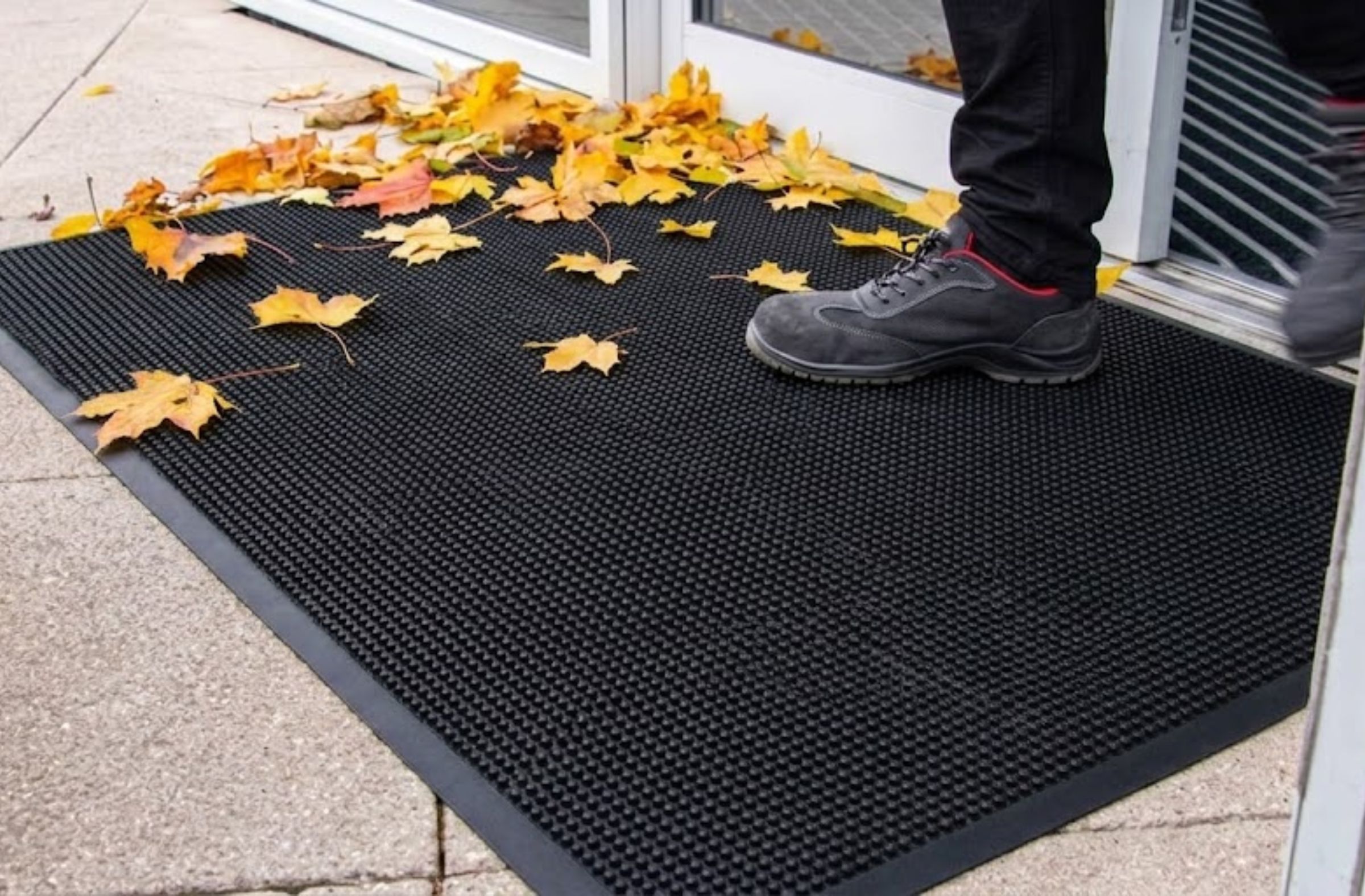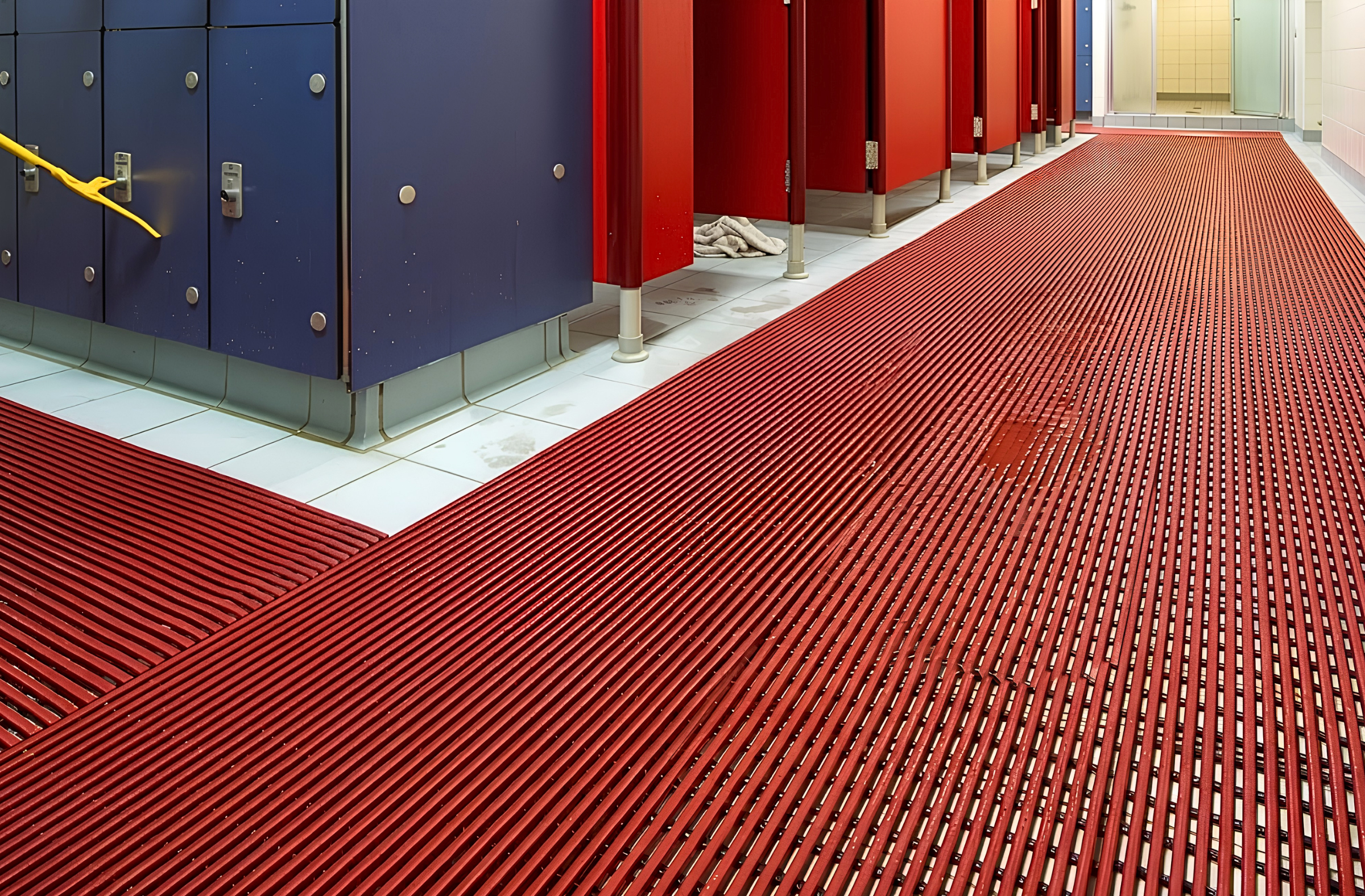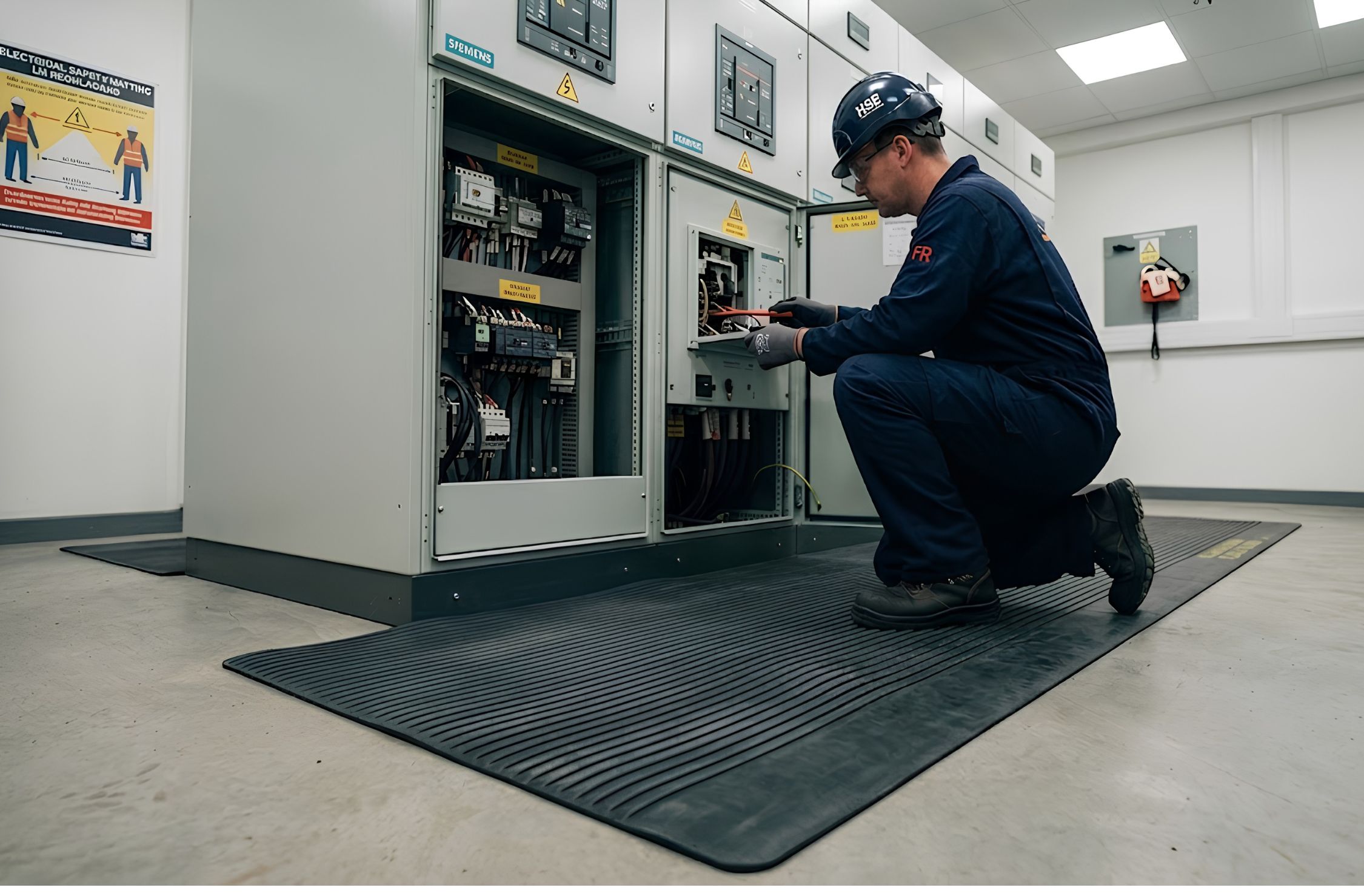
In industrial and commercial contexts, rubber resistance describes a material’s capacity to endure environmental and operational stresses without degradation. This broad concept includes resistance to chemicals, abrasion, extreme temperatures, weathering and ozone exposure. In every application, rubber parts must maintain structural integrity, elasticity, tensile strength and sealing performance under the relevant conditions. This durability reduces maintenance, prevents failure and results in safer, longer‑lasting products, even in the most demanding environments.

© pamir / Shutterstock
In automotive settings, for example, components such as seals, gaskets, hoses and linings must cope with fuel, oils, road debris and fluctuating temperatures. Selecting rubber materials that are compatible with these conditions is essential in maintaining vehicle safety, reliability and longevity.
Choosing Coruba’s rubber sheeting means you’re assured of the highest quality materials, no matter which your application.
What is chemical resistance in rubber?
Chemical resistance is crucial in environments with exposure to oils, fuels, acids, solvents and hydraulic fluids. If the wrong rubber is used, it may swell, crack, harden, or fail outright, compromising performance and safety. There are many different types of chemical resistant sheeting, each with its own properties, depending on the sector.
Nitrile rubber, also known as NBR, is widely regarded for its excellent resistance to petroleum based oils, fuels, grease and certain solvents. It retains dimensional stability and seals efficiently, even under temperature fluctuations, making it a mainstay of automotive fuel and oil systems.
Viton, a fluoroelastomer, offers a strong performance in aggressive chemical environments, remaining stable in contact with acids, alkalis, oils, fuels, hydrocarbon solvents and high temperatures.
Neoprene delivers balanced chemical and mechanical resilience, although in certain environments, such as oxidising acids and chlorinated solvents, it may degrade faster than some of its counterparts.
EPDM stands out in settings dominated by acids, alkalis, steam and ozone.
Silicone and butyl rubbers perform well under temperature extremes and with polar chemicals.
Chemical resistance charts confirm nitrile’s superior performance in automotive environments, especially when compared with natural rubber or PVC, demonstrating excellence in resisting gasoline, hydraulic fluid and brake fluid.
Importance of abrasion resistance
Rubber can deteriorate under friction and mechanical stress, so specific types are frequently used for their wear durability. Abrasion resistance is a vital characteristic for applications such as flooring, conveyor parts, scraper blades and other dynamic components. Repeated friction without sufficient abrasion resistance leads to the material thinning, the surface cracking and potential structural failure under load.
For optimum high-abrasion sheeting, natural rubber and SBR excel. Valued for its toughness, wear resistance and affordability, SBR performs similarly to natural rubber, but offers superior ageing stability. Nitrile also offers good abrasion resistance alongside oil resistance, making it suitable for components like seals and gaskets that encounter both chemical and mechanical stress.
Coruba supplies high abrasion-grade sheeting in 60° Shore hardness, produced from virgin rubber and fully REACH, RoHS, PAH and CE compliant. Economy SBR skirting alternatives and FDA-approved white natural rubber sheeting are also available for food industry applications.
Temperature resistant rubber
Temperature negatively impacts rubber performance, with exposure to extreme cold or heat potentially causing it to harden, crack, lose elasticity, or even melt. In aerospace and automotive applications, maintaining elasticity and structural integrity under temperature variations is vital for safety purposes.
Various types of high temperature rubber sheeting such as EPDM, silicone, Viton, HNBR and fluorosilicone are among the few materials capable of performing consistently across wide temperature ranges. As well as having high tensile strength, tear resistance and weather stability in shore grades of 45° to 65°, many of our rubber sheets are rated for use at temperatures ranging from -60°C to +300°C and can resist oils, fuels, solvents, salts and acids. Optional features include food-grade approvals, EP fabric reinforcement and polyurethane coatings, supplied in full rolls or custom shapes.
Additional offerings include Viton and non-asbestos-fibre solutions designed for high heat and chemical exposure conditions.
UV and weather resistant rubber
Continual exposure to UV and harsh weather conditions can degrade rubber more quickly, so various materials are used to make weather and ozone-resistant sheeting. Outdoor rubber components must resist degradation from oxygen, ozone, UV radiation, moisture and temperature, which can prove damaging for the wrong types, leading to surface cracking and a loss of mechanical integrity.
EPDM is widely recognised for its unmatched weather, ozone and UV resistance, making it an ideal material for outdoor uses such as automotive seals, roofing membranes and exterior gaskets.
Neoprene also offers reliable environmental resistance, along with flame retardancy. Viton and silicone resist UV and ozone, but their higher cost makes them less common, other than for premium applications.
Choosing the right rubber
Coruba’s comprehensive range of rubber sheeting is designed to meet the needs of various applications, ensuring all rubber components will have maximum longevity, even when exposed to chemicals, heat, abrasive wear and environmental conditions. Understanding chemical compatibility, rubber material properties and resistance is crucial to performance, safety and durability.
For expert guidance, or customised material selections, consult our specialist team, or browse our comprehensive online catalogue.