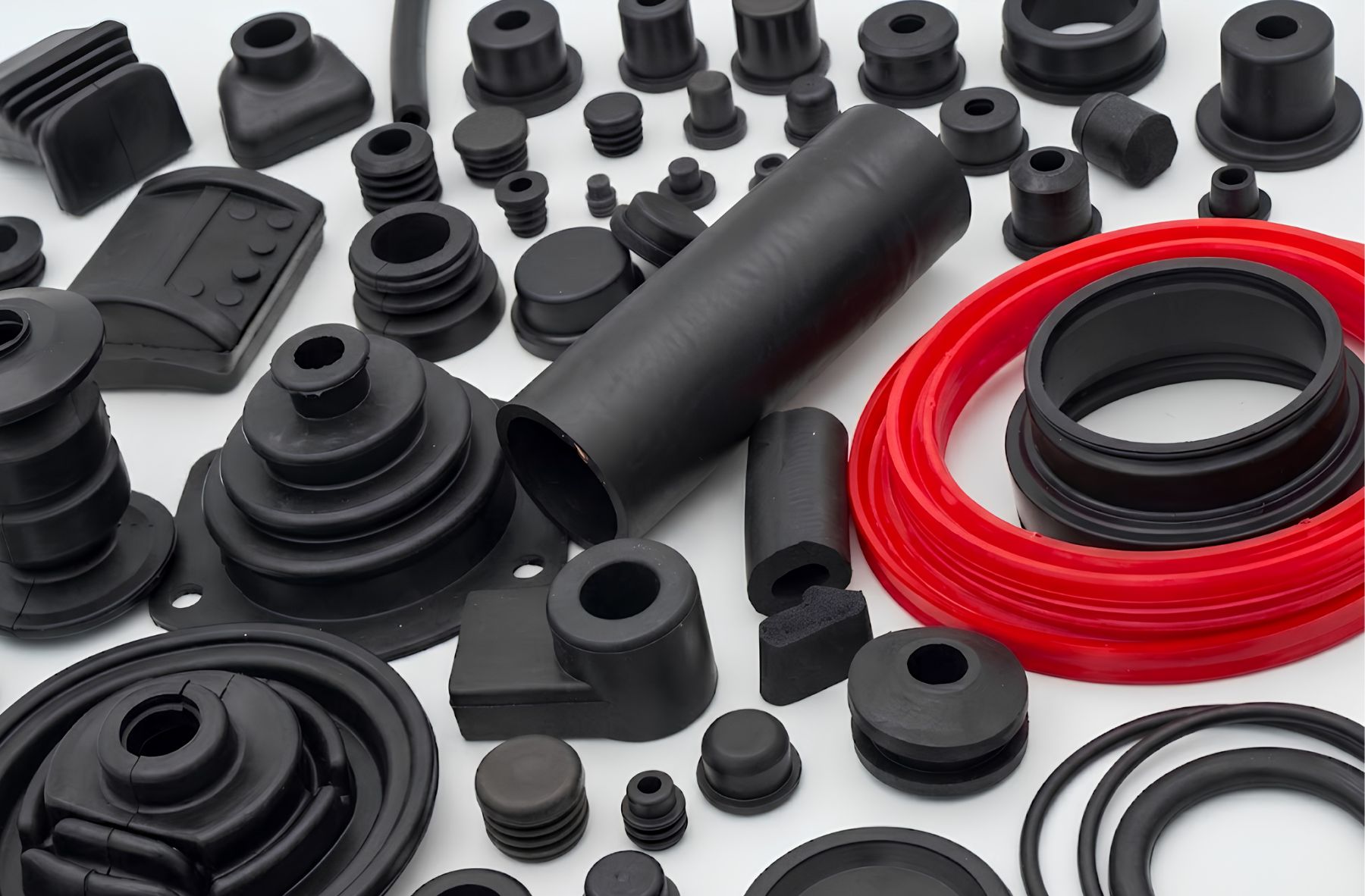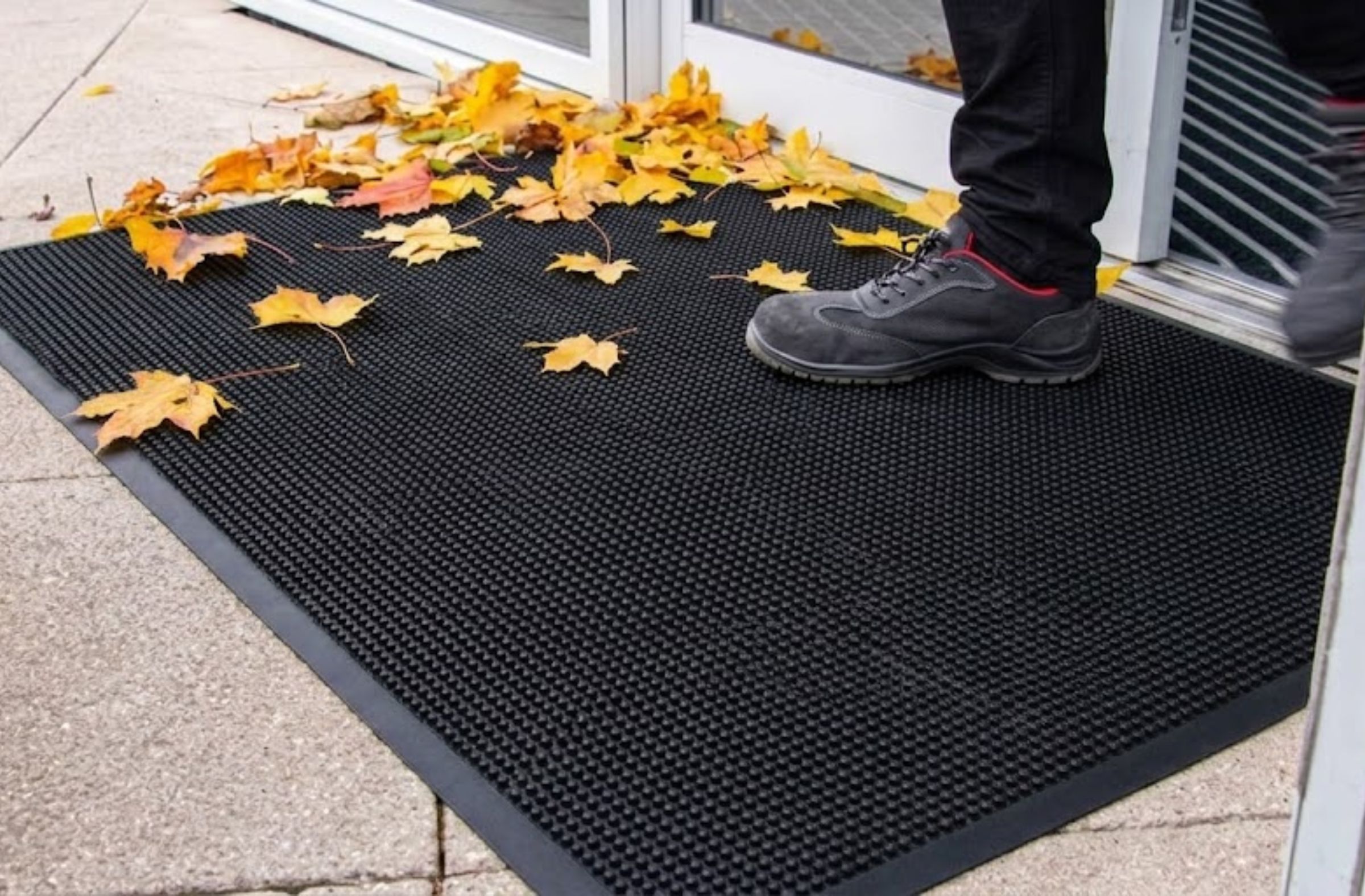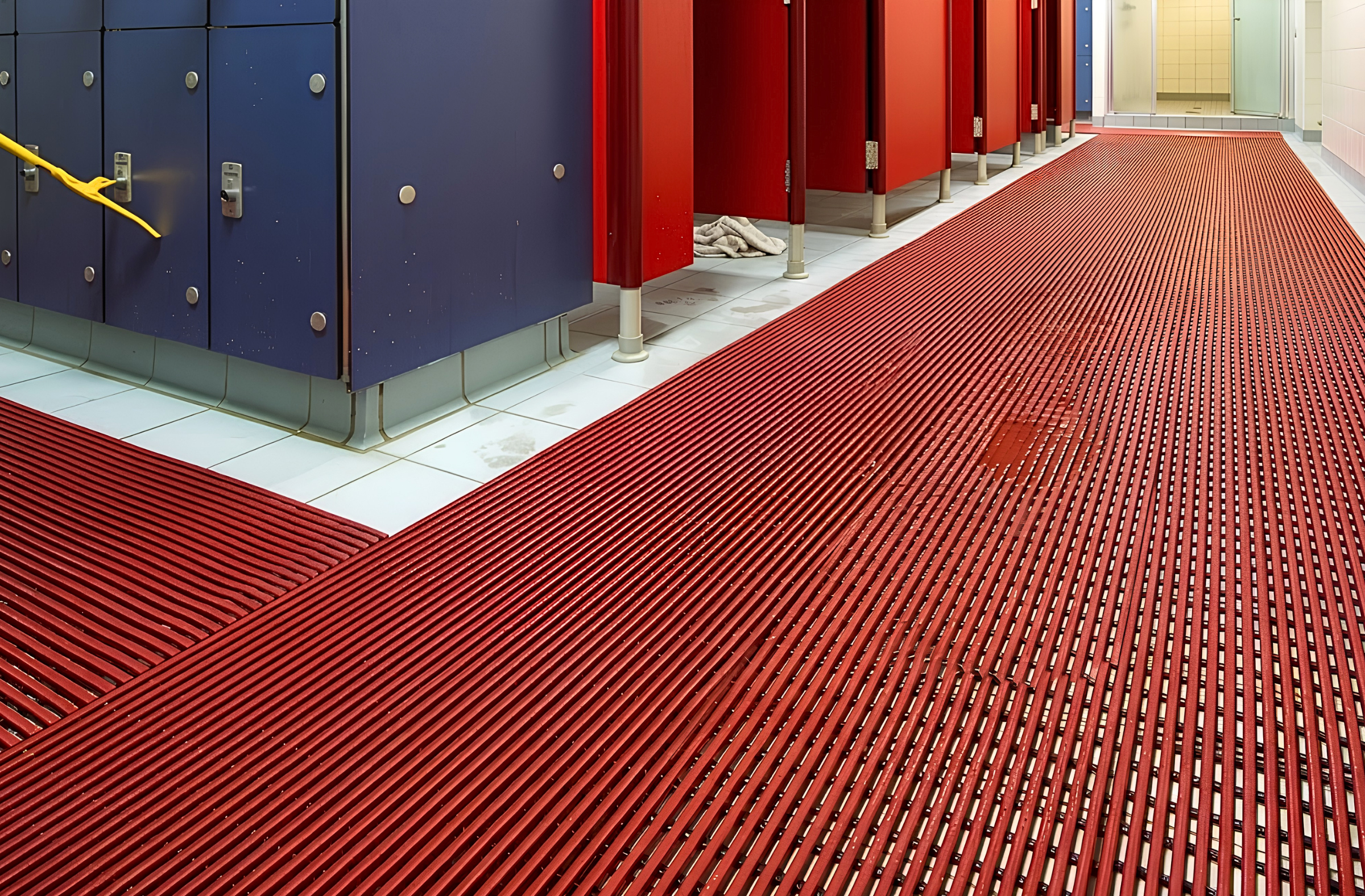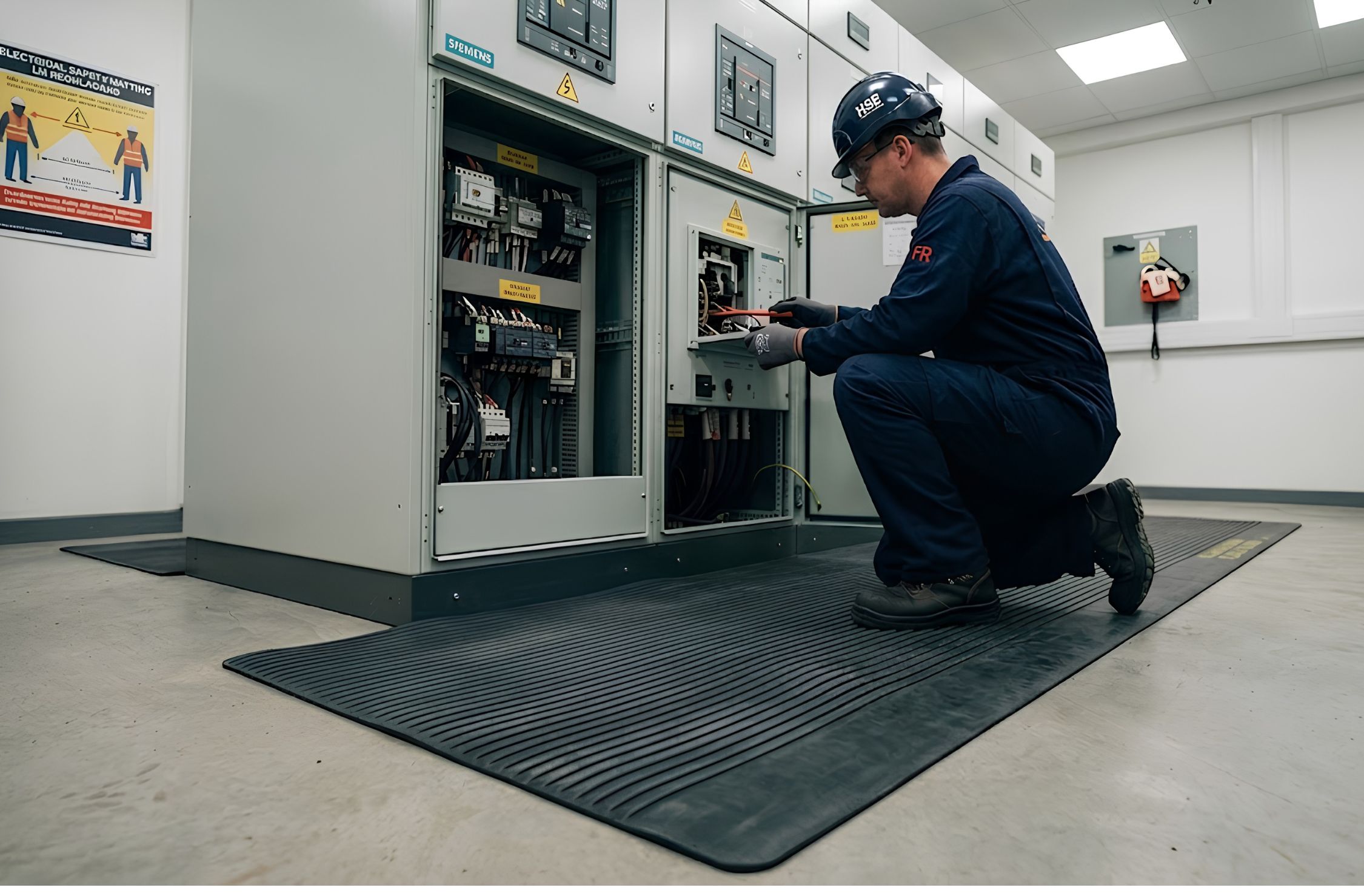
Both EPDM and Neoprene have a well-deserved reputation for being all-purpose and durable rubber materials that can be used for many applications. These flexible synthetic rubbers can be used safely in multiple industrial and consumer settings, such as making a tight protective seal, or silencing engine vibrations. While they have some similar properties, they each have unique qualities that can influence the end user’s choice.

EPDM vs Neoprene
Ethylene Propylene Diene Monomer, known as EPDM rubber, is the go-to material for external automotive sealing and fluid handling parts. Commonly used in car boot and bonnet seals, door weatherstrips, and windscreen and window seals, it is also suitable for radiator and heater hoses. With excellent weather resistance and atmospheric ageing properties, it is suitable for a wide range of outdoor applications, including roofing.
Our cutting-edge MOD 1E machine can create bespoke EPDM rubber strips in a variety of grades, between 50°-70° shore hardness. They can be made into hardwearing EPDM rubber seals, tubing and belts, as well as components for a variety of other applications where superb tear and abrasion-resistance is required.
Made from a combination of hydrogen, carbon and chlorine polymers, Neoprene rubber is an elastomer that is chemical-resistant and a good thermal insulator. Offering very high heat resistance, it is ideal for use in high heat environments, with specific grades being capable of fire prevention. It can be used to create mass produced seals, gaskets and cut parts. With a shore hardness of up to 80⁰, our neoprene rubber is available in various grades and can be cut to customers’ desired widths and lengths, up to a maximum of 10 metres long. The cutting-edge technology of our MOD 1E machine enables us to guarantee accurate cuts to meet design specifications.
Automotive industry
EPDM is the industry standard for many applications in the automotive industry. Coruba’s rubber extrusions are manufactured from high-quality EPDM, including car boot profiles and door seals, as its resistance to temperature changes and the weather ensures excellent durability.
Our Coru210 Hypalon rubber sheeting can withstand temperatures of up to 180°C and will remain resistant to oils and chemicals, making it a popular choice in the automotive sector.
Coruba’s Coru152 sheeting, an abrasion-resistant EPDM, is used in applications including snow plough rubbers and scraper blades. It can also be bought with a heavy-duty fabric backing.
Certified to British Standard BS1154, Coru231 is often requested for the high-demand environments of the military and government organisations.
Our popular Coru1456 is 100% high-grade black EPDM rubber 60° shore for applications where ozone and weather-resistance are needed.
Despite being more costly, Neoprene still preferred in the automotive industry for some specific uses, in areas that require oil resistance, such as engine gaskets, timing belts, vibration mounts, and shock absorber seals.
Performance in harsh environments
EPDM and Neoprene offer different strengths in various harsh environments and each has its particular advantages.
With excellent ozone and UV resistance, EPDM is ideal for many outdoor applications. Neoprene has superior oil and chemical resistance, making it the preferred choice for rubber gaskets and industrial seals – both Neoprene and EPDM have superb general weather resistance, but EPDM is the more cost-effective choice, offering superior performance in high-temperature applications.
When under dynamic stress, EPDM assures greater flexibility. Highly resistant to cracking and deformation, it is suitable for applications where flexibility is crucial.
Neoprene demonstrates greater abrasion and tear resistance, making it more durable under mechanical stress, including in environments with chemical exposure.
Usually, Neoprene is more expensive due to its specialised properties and more complex manufacturing processes: EPDM’s lower price is attributed to its wider availability and simpler production process.
If you require further information on any of Coruba’s high-quality rubber products, please don’t hesitate to contact us for a no-obligation chat.