Cold winter weather poses its own risks for warehouse workers, who are more likely to fall victim to icy walkways and wet floors when the temperature drops.
The increased potential for slips and falls leads to a spike in workplace accidents among UK warehouse and manual workers during the winter months, when an average 3,000 employees are admitted to hospital with injuries as a result.

© shisu_ka / Shutterstock
Workplace watchdog the Health and Safety Executive cites the British climate as being directly responsible for the increase, with the number of accidents doubling in cold weather. Taking basic safety precautions, such as installing anti-slip rubber matting in areas where rain, ice and snow are a problem can help reduce casualty numbers.
Main causes of winter accident spikes
Warehouse workers are particularly at risk due to the number of high-traffic areas and entryways where water can accumulate, adding to the risk of slips, trips and falls, which account for 33% of all reported workplace injuries in Britain. The HSE believes the figure may be even higher, as accidents where the injuries aren’t serious often go unreported.
Safety tips warehouse
The HSE has issued winter safety tips for employees and managers in the warehouse sector to improve cold weather safety, with the key being installing non-slip matting in all areas where staff are at risk.
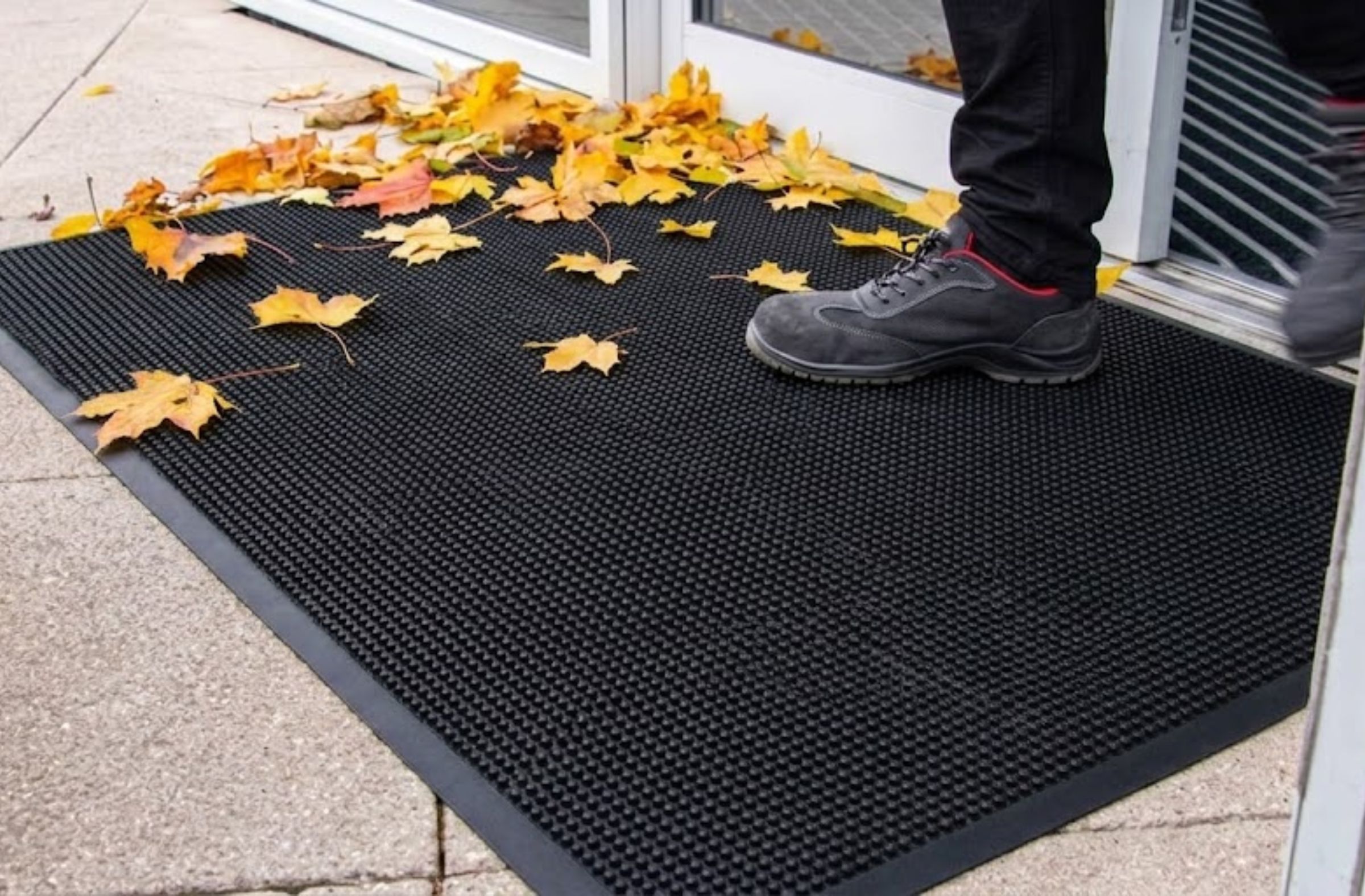
Building entrances have been identified as particularly hazardous areas, as a large number of people are entering and leaving, bringing rain water, sleet and ice in on their feet. Employers are advised to grit the car park and area outside the doors and loading bays, with rock salt bought in bulk being the cheapest option.
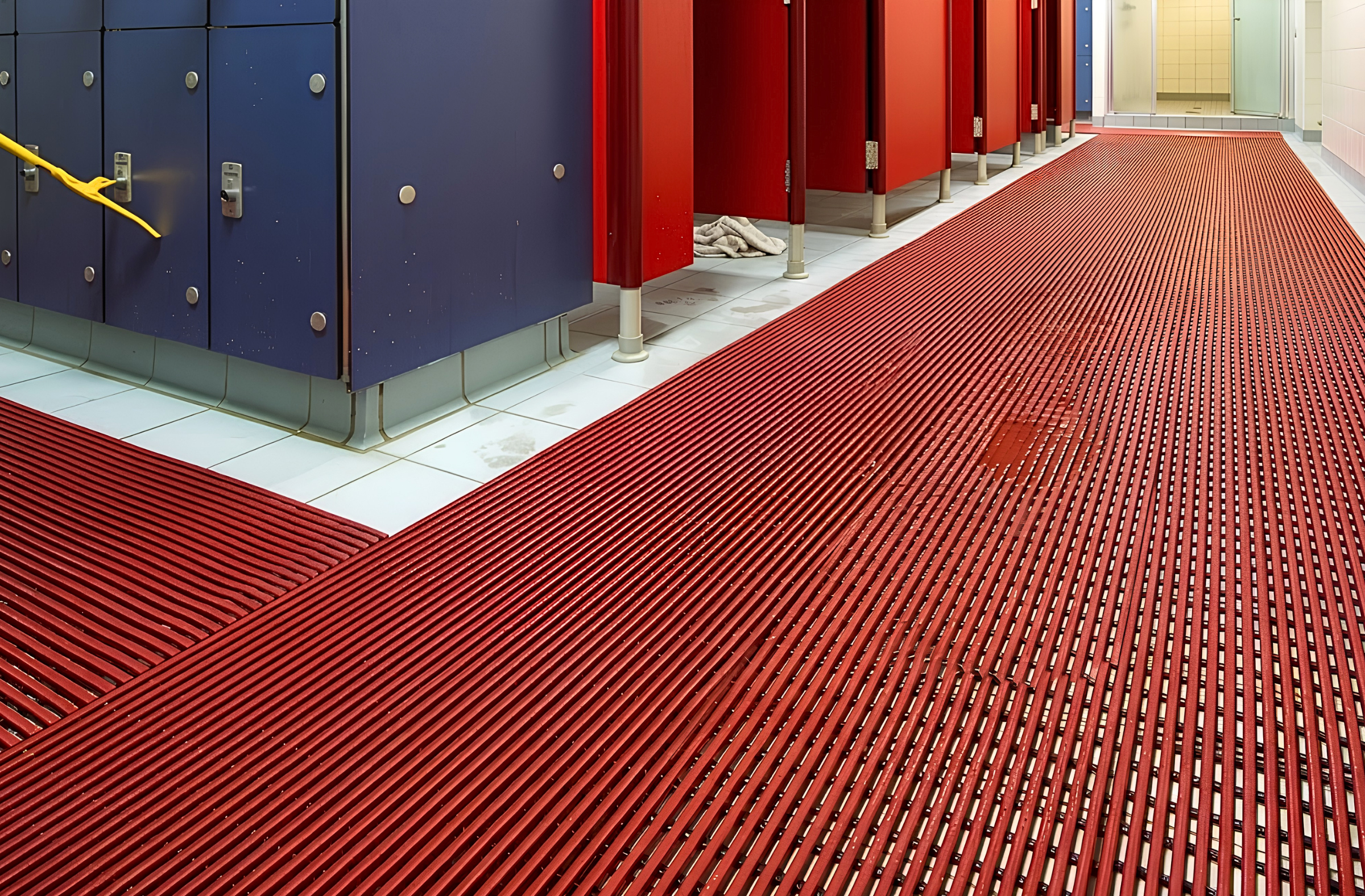
In addition, installing large rubber safety mats in the entrance area, and walkway matting on busy routes, both inside and out, are recommended to reduce the risks. The advantages of anti-slip rubber mats include their innovative design, with textured surfaces to increase grip, even on wet or icy floors. This minimises the risk of accidents and ensures safer movement throughout the whole warehouse.
Ice, frost and snow
While rain water is a problem in its own right, ice, frost and snow bring fresh challenges. The HSE says warehouse managers should assess the situation thoroughly and ensure a system is put in place to manage the dangers.
Identify outdoor areas used frequently by employees and pedestrians that are likely to be most affected by sleet and ice, such as all building entrances, car parks, pedestrian walkways, sloping ground, shortcuts and areas constantly in the shade – meaning they are often left frozen or wet.
Prevention is the key, as being proactive rather than reactive can help minimise the number of accidents. Keep an eye on the weather forecast and as well as using grit or salt to keep ice at bay, also add anti-slip walkway matting and erect warning signs advising of slippery surfaces. It can be beneficial to install handrails along walkways where a slippery floor poses problems.
Where should interior anti-slip mats be installed?
Maintaining safety in a warehouse environment means being aware of all potential hazards and taking preventative measures. A forecast of bad weather can make both outdoor and indoor areas hazardous, with a hard floor inside creating as many risks as a concrete pavement.
Loading docks exposed to the elements, all entrances and walkways should be provided with anti-slip rubber mats, with warehouse managers taking into account enhanced safety features such as thickness, durability, water-resistance and traction.
Mats not only provide safety, but they also help insulate against cold floors and are easier to clean than other flooring options, offering long-term cost savings due to their durability. Having thick rubber matting on the floor can provide insulation for employees who are standing and walking on cold flooring for long periods, helping to keep them more comfortable.
Financial benefits of anti-slip matting
The long-term cost benefits of investing in high-quality mats can lead to fewer slip-related injuries, which in turn reduces medical expenses, compensation claims if negligence is a factor and downtime.
Statistics show that accidents as a result of slips, trips and falls cost UK employers a staggering £500 million per year, largely in terms of employee sick leave and reduced productivity. A company can also lose its good reputation should frequent or serious employee accidents occur.
An average of almost one million working days per year are lost to slip, trip and fall injuries across Britain, with warehouse workers being more at risk than some other industries. Research has revealed more than a quarter of all warehouse staff have fallen at work at some point, with the two most common causes being an unsafe floor surface, or objects left in walkways.
It may seem obvious, but as well as installing rubber safety matting, simple good housekeeping, such as mopping up any puddles, or sweeping out sleet from doorways and loading bays, is also essential as part of your overall safety strategy.