With the eventing season in full swing, it’s a busy time of year for horse owners. Between now and October, more than 150 equine competitions, organised by British Eventing, will be held across the UK.

© luliia Khabibullina / Shutterstock
The sport’s governing body in Britain has around 12,000 members of all ages and abilities, who will be competing at levels ranging from introductory to the highest international standard.
During the off-season winter period, various competitions have taken place to introduce new riders to eventing and enable existing entrants to prepare for the season ahead.
Growth of eventing
Labelled the equestrian equivalent of the triathlon due to its three different disciplines showjumping, dressage and cross country: British eventing continues to grow in popularity since the first known competitions were held in Britain in the 19th century.
It first became an Olympic sport in 1912 at the Stockholm Games in Sweden, when it was open only to amateur riders in the military. Competitors demonstrated skills that were necessary for their military career, with the jumping showcasing the horses’ stamina and speed and the dressage echoing the parade ground.
In 1949, the first Badminton Horse Trials were organised by the 10th Duke of Beaufort, Henry Somerset, in the grounds of his Gloucestershire home, Badminton House. This post-war championship turned eventing into the popular national sport that we know today.
Despite being an Olympic sport since 1912, the first female member of an eventing team was Helena du Pont of the United States at the 1964 Tokyo Olympics.
The sport had a famous royal competitor in the 20th century when HRH Princess Anne became a respected eventer. Now aged 73, the hard-working royal started competing aged 11. She won the eventing gold medal at the European Championships in 1971. She was also the first royal to win a place in the Olympic equestrian team at the Montreal Olympic Games in 1976.
Today, the British Eventing organisation collaborates with the Pony Club to encourage young riders to participate in the sport. Members can take part in eventing aided by the relevant health and safety guidance offered by a national governing body.
Caring for horse welfare
Keeping the stable clean to care for your horse’s welfare is vital all year round, but during the eventing season, a healthy horse will enjoy an improved performance when competing.
A clean and hygienic horse stable is something every rider aims to achieve, because if just one animal falls sick, it can quickly spread to the others.
Anyone who has rented stables will understand the importance of cleaning and disinfecting the stables, paddock, tack room and yard. Good hygiene is essential because if the stables are dirty, they can become a breeding ground for bacteria, viruses and parasites.
The most important task is the daily removal of dirty bedding and horse droppings, as they can harbour germs. If you don’t clean the stable often enough, the environment will become damp, developing a pungent aroma, which can affect the horse’s respiratory tract, causing a cough. Removing the wet bedding with a pitchfork and wheelbarrow isn’t the most pleasant task, but it’s a vital one.
Horse owners can transform their stables to keep them clean and comfortable by considering different types of bedding materials. Traditional stables lined with shavings or straw have several drawbacks, as both materials can vary in quality and may contain mould spores and dust.
Straw bedding isn’t odourless, and the accumulating muck heap can be difficult to manage. High quality wood shavings are costly, as you shouldn’t use ordinary shavings from a sawmill, due to their potential contamination with splinters and dust.
The most popular for use with horses is dust-extracted shavings, but they don’t come cheap.
Benefits of rubber matting
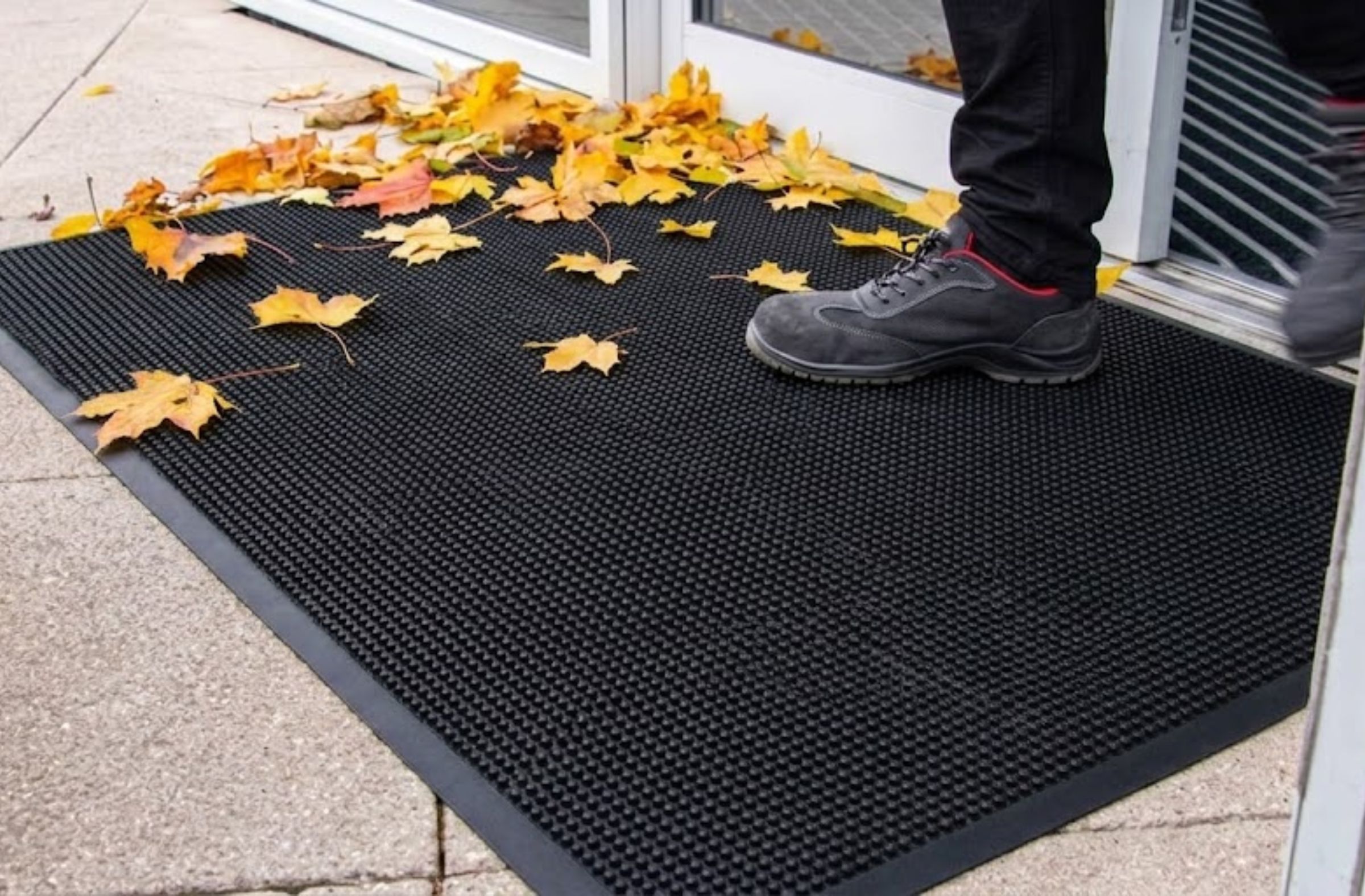
Today, many horse owners choose rubber matting for their stables to increase hygiene and comfort for their animals. Rubber reduces the stress on horses’ limbs, as it’s a shock absorbent material that completely covers a hard floor.
Providing a cushioned layer can reduce the soreness that may result from your horse standing on concrete for prolonged periods. It also saves money on bedding costs, as it reduces the need for wood shavings and straw by 80%.
Cleaning rubber stable mats is much easier than mucking out hay and sawdust, turning a laborious task into a five-minute job and while a stable floor can quickly become slippery when wet, rubber matting has anti-slip properties that can reduce accidents.
Some simple changes to your stable can benefit your horse’s wellbeing, not only for the eventing season, but all year round.