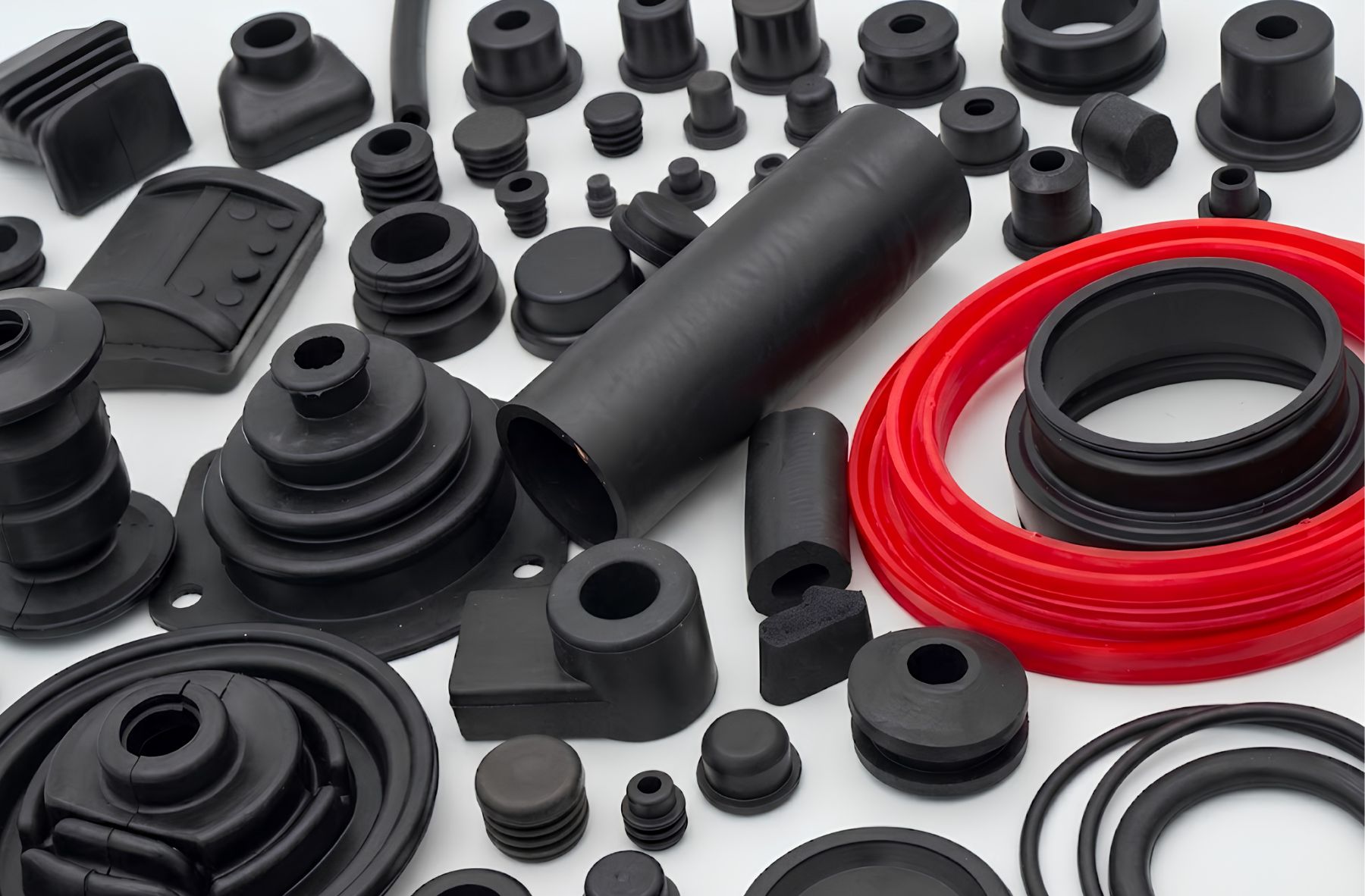
Rubber is widely used for marine applications, thanks to its resilience and versatility.
This makes marine rubber particularly suitable for what is often a harsh environment, where equipment can be exposed continually to water, UV rays, wind and extreme cold and heat.
The primary consideration when at sea is maintaining the safety of personnel in sectors such as the commercial fishing industry, passenger vessels, sea transportation, harbour services and recreational boating.
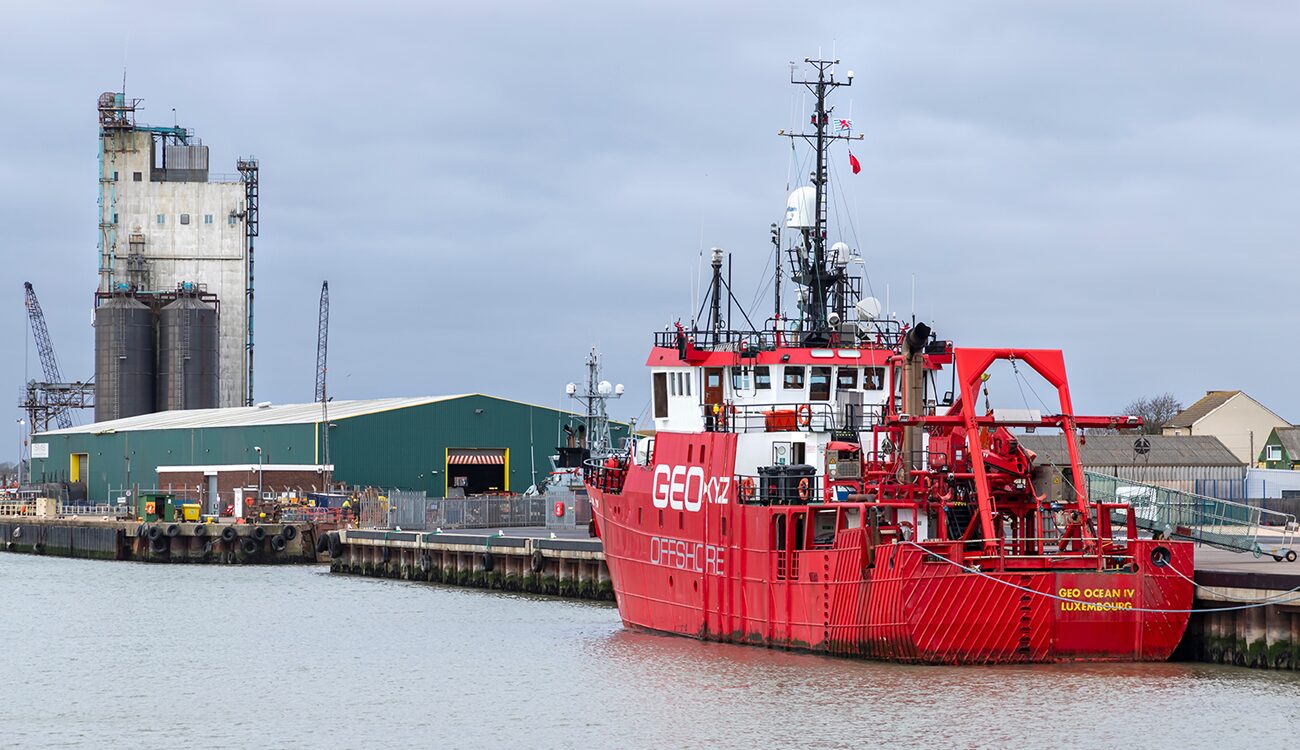
© Kev Gregory / Shutterstock.com
Why is rubber ideal for the marine sector?
Rubber has proved it is one of the most durable materials for this challenging climate. It’s crucial to choose materials that can meet the operational needs of marine applications, while ensuring the safety of employees and the public.
As well as being durable and resilient, rubber has other properties that make it ideal for marine use. It is resistant to exposure to chemicals and oil, repetitive strain and steam and will bond with metal parts.
What’s the best type of marine rubber?
The choice of marine rubber will largely depend on where it will be used. For example, will it be used on the ship’s exterior or interior? Will it be used for marine rubber mouldings, as a seal or for a fender?
The rubber’s shore hardness varies from product to product. Sometimes, a hard rubber is required, while at others, a flexible rubber will be ideal for the application.
A supplier of marine rubber products will work with customers to determine the correct choice for each application. In addition, bespoke rubber parts can be manufactured to satisfy almost every marine requirement.
What applications are rubber suited for?
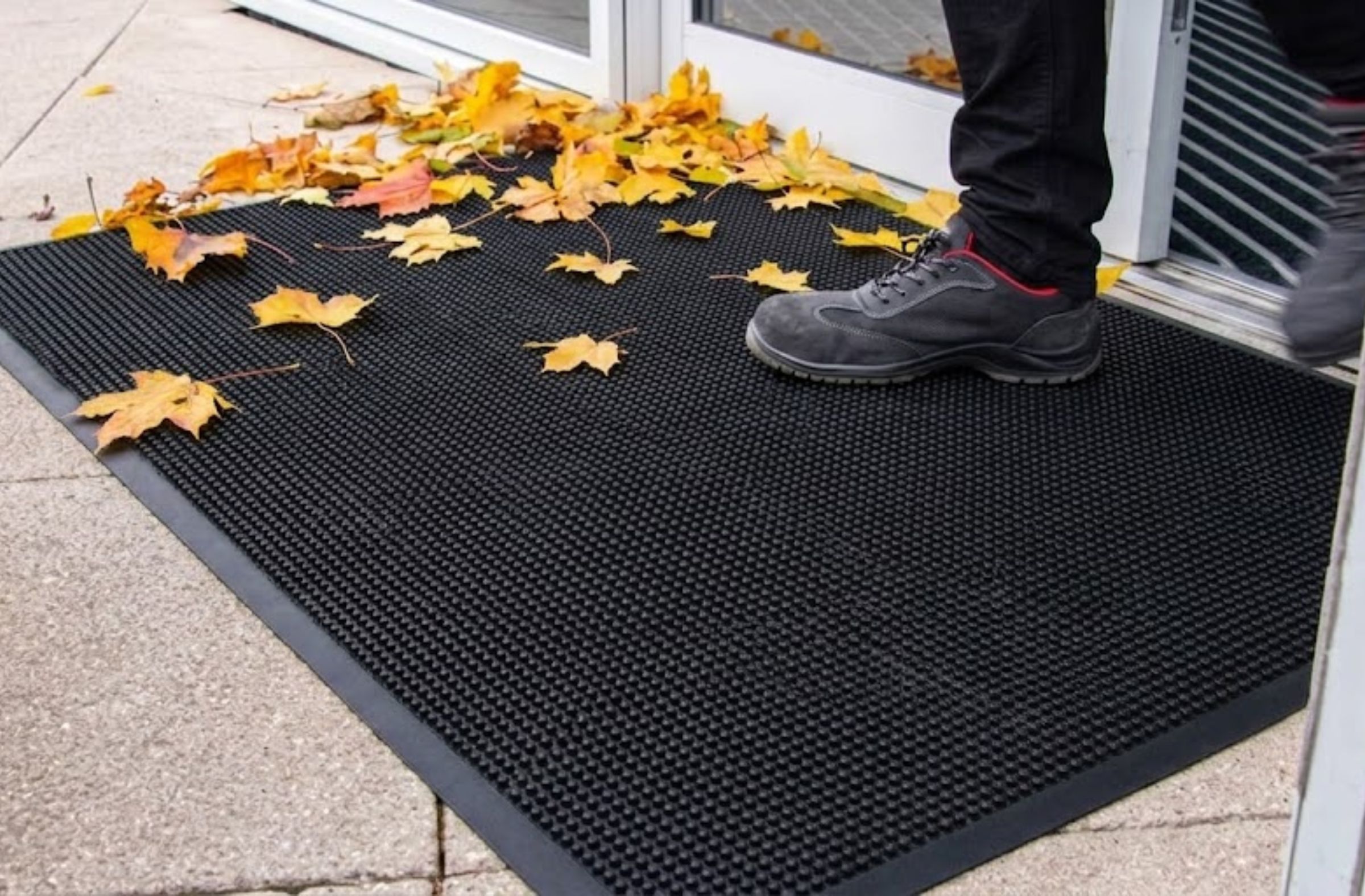
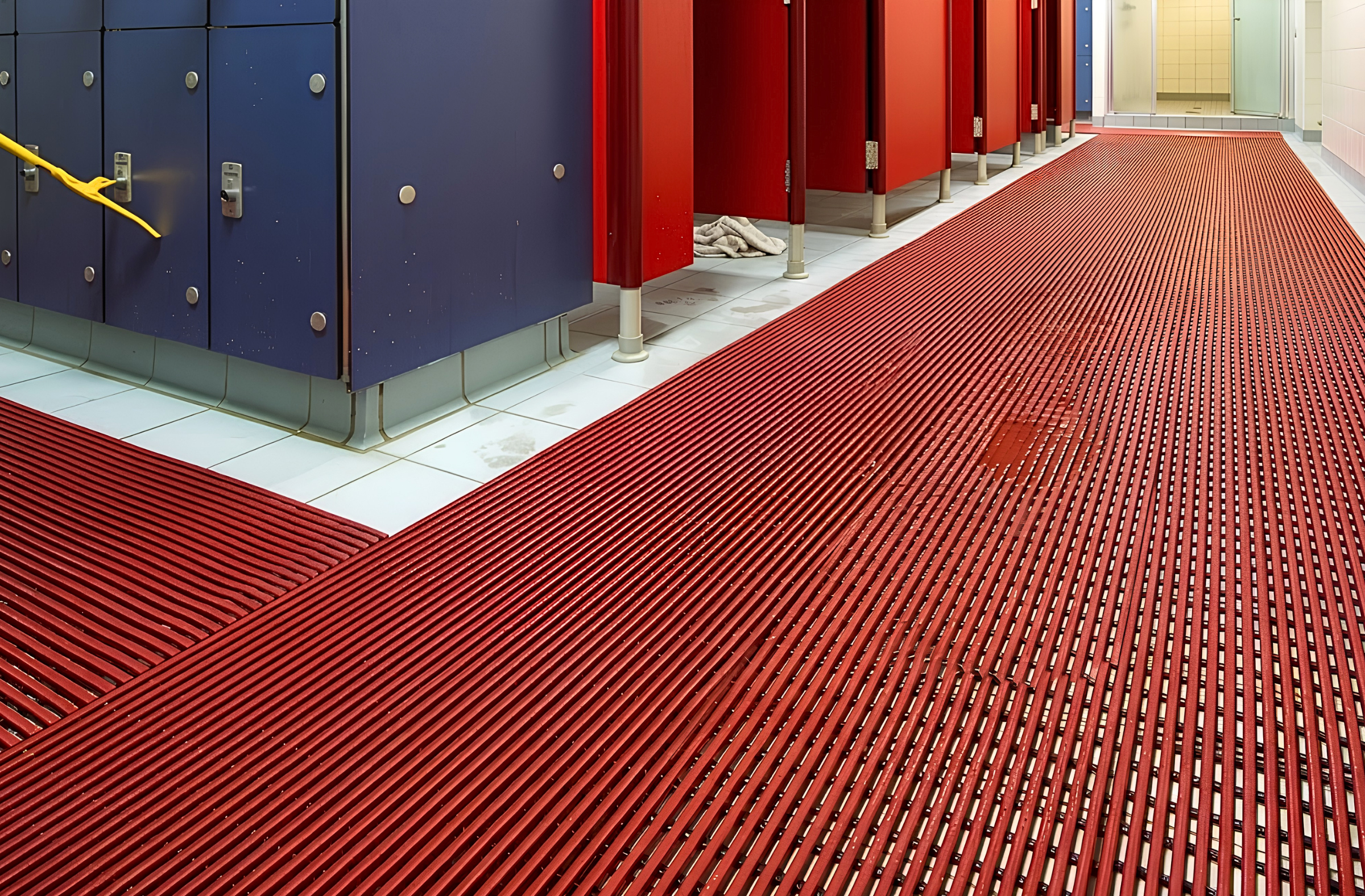
Most injuries in marine environments are caused by slips. Whether onboard a ship, yacht, fishing boat or any other kind of water-based vessel, marine rubber mats must be installed to reduce injuries.
Non-slip matting is used in many areas including walkways, steep inclined areas, quaysides and decks. It is manufactured from the highest quality non-slip rubber, with embossed patterns for increased resistance.
Hatch packing
Boat rubber is also used for hatch packing, ensuring the doors on the vessel have a watertight seal -also referred to as a gasket.
Alongside mats, this is one of the most common uses. The types of rubber used include EPDM, neoprene and natural rubber. They are ideal for hatch packing because of their anti-corrosive and fire-resistant properties.
Corner and end pieces
Rubber corner and end pieces are used when a tight seal is required. The compression level can be adjusted for every individual product, based on the application and situation.
Most types of rubber are suitable for corner and end pieces, which must withstand repetitive wear and tear.
Bumpers and fenders
Rubber bumpers and fenders on boats absorb the energy from bumps and knocks, limiting the damage to vessels and harbours by creating a protective barrier.
The best types of rubber for bumpers and fenders include neoprene, natural rubber, EPDM, styrene, butadiene and PVC. The rubber’s properties must permit compression and absorption.
Rubber extrusions
Rubber extrusions are used for many applications on ships and marinas, as they are effective for all types of sealing.
Neoprene, natural rubber, nitrile, EPDM and styrene are commonly used for extrusions, as they have excellent strength and flexibility.
Safety and resilience
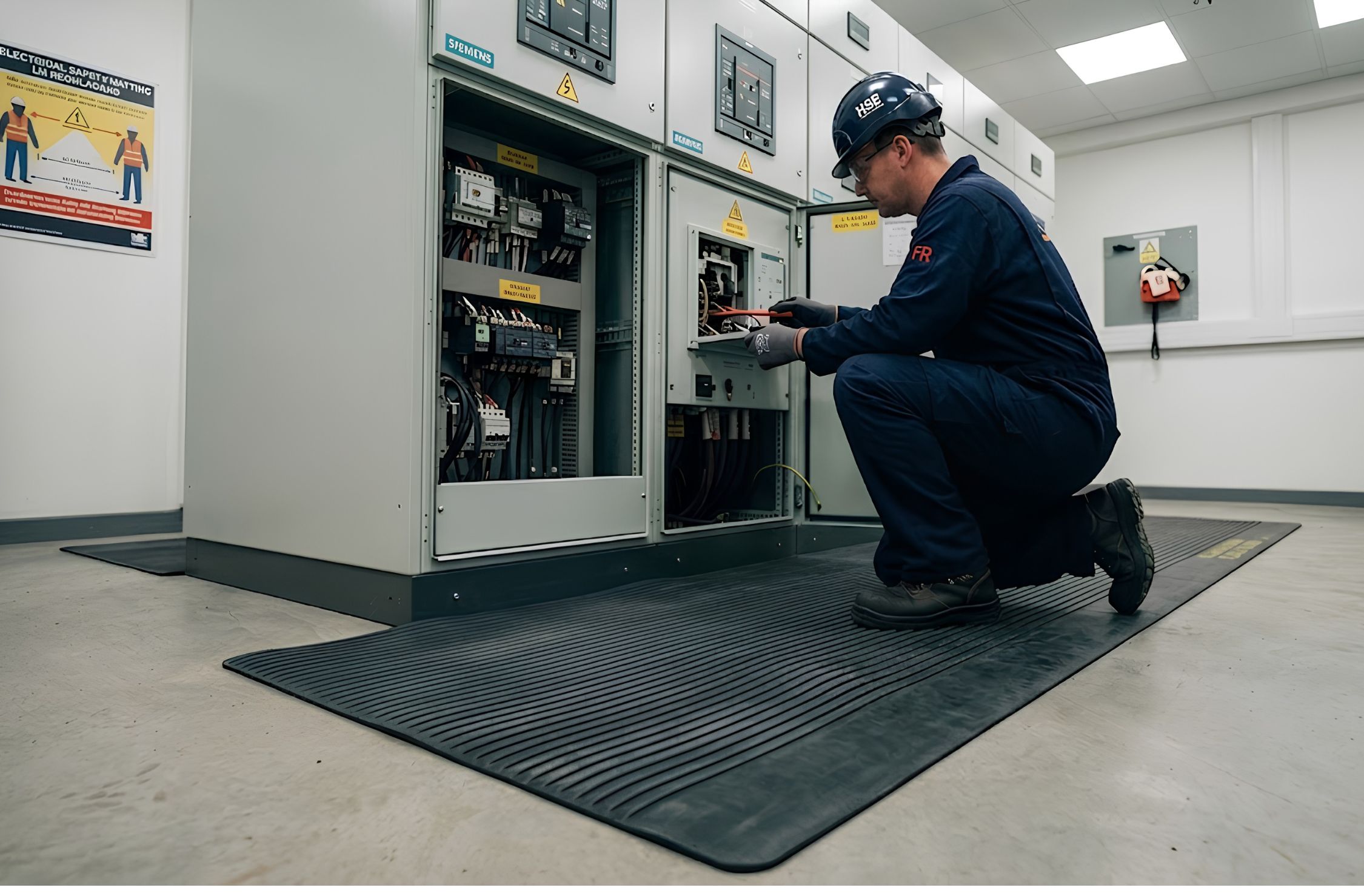
Rubber is one of the safest materials in the marine environment, helping to prevent the hazards of wear and tear and withstanding chemical and electrical damage.
All rubber products are resilient, even when exposed to salt water. When parts of the ship are continually exposed to salt and UV rays, rubber can combat damage and last for longer than most other materials in this challenging environment.