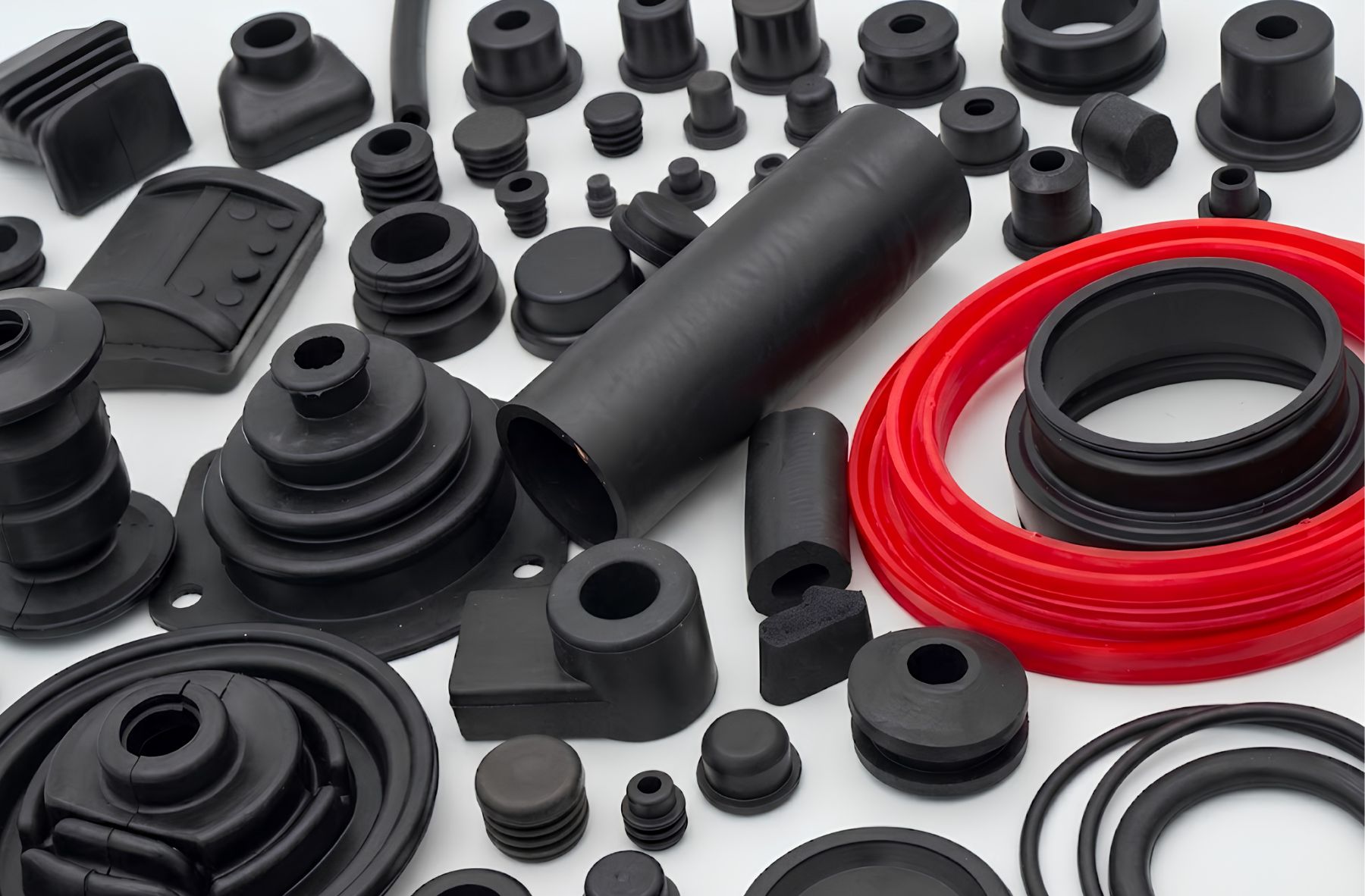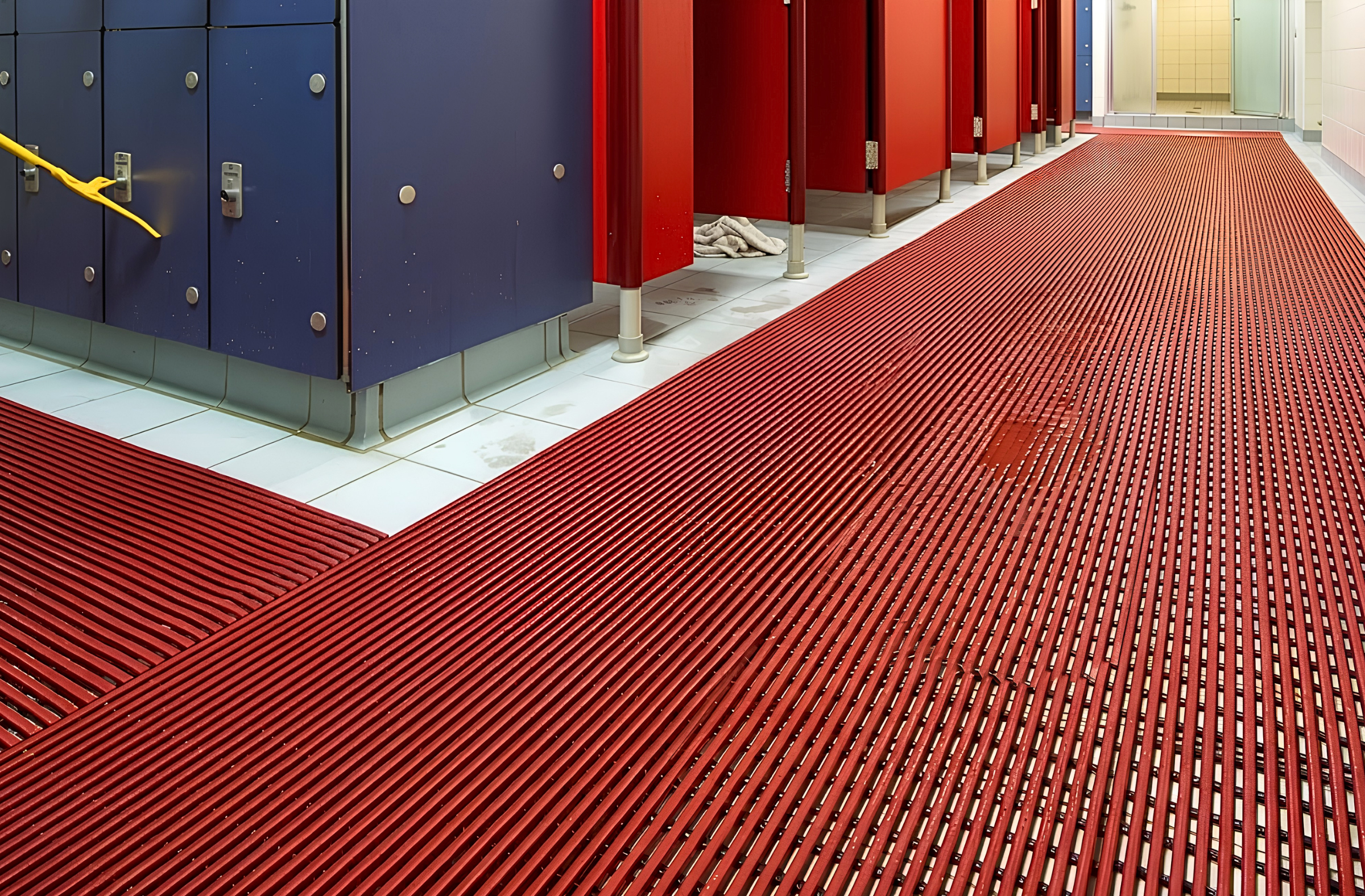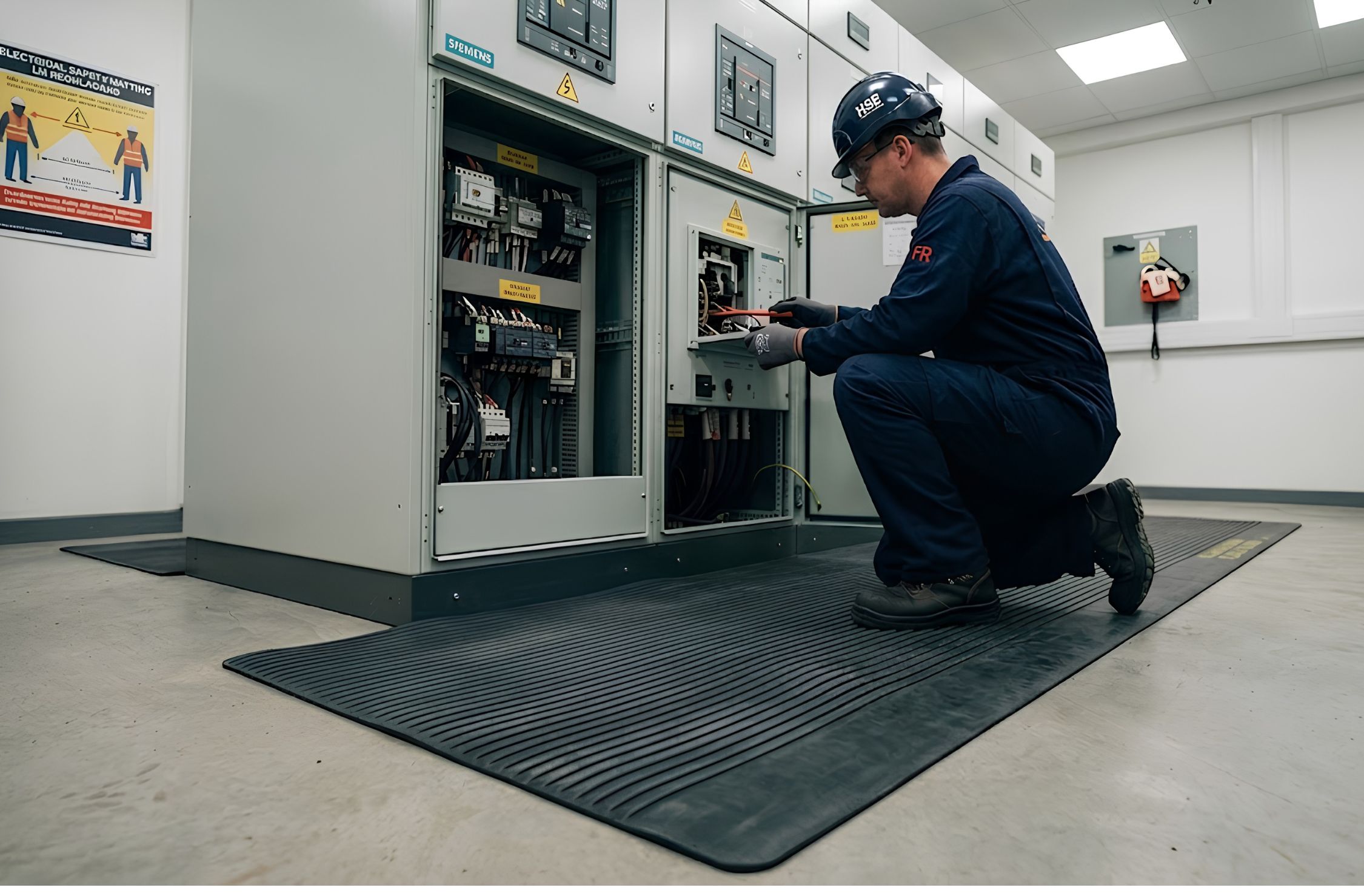
Silicone rubber plays a vital role across a wide spectrum of industries. With a unique blend of properties, it is an essential component in everything from our daily lives to cutting-edge technologies.
From medical devices to automotive applications, silicone rubber’s versatility and durability both stand out.

Silicone rubber properties
A polymer consisting of silicon, oxygen, carbon and hydrogen; silicone rubber has a set of remarkable properties that set it apart:
- Extreme temperature tolerance: exhibiting unparalleled resistance to both high and low temperatures, its flexibility remains intact in environments spanning from -60°C to 230°C (-76°F to 446°F).
- Flexibility and resilience: with impressive flexibility, it can maintain its shape and elasticity even under continuous stress – so, it is invaluable for applications requiring constant movement, such as gaskets and seals.
- Superb electrical insulation: high dielectric strength and low thermal conductivity makes it an outstanding electrical insulator. It finds applications in wiring, cables and various electronic components.
- Chemical resistance: it can resist a wide range of chemicals including oils, solvents and acids. This makes it crucial for its use in pharmaceuticals, laboratories and food processing.
- Biocompatibility: biologically inert and hypoallergenic, it is used for a variety of silicone rubber mouldings for medical devices.
Applications of Silicone Rubber
The versatility of this polymer is evident in its extensive range of applications, across many industries:
- Healthcare and medical devices: its biocompatibility and sterilisation capabilities have revolutionised the medical landscape. It is used in catheters, surgical instruments, prosthetics and even implants due to its soft and long-lasting qualities.
- Automotive industry: able to withstand extreme temperatures and resistant to automotive fluids, it is a vital component in gaskets, seals, hoses and spark plug boots. Its role extends to electrical connectors and ignition systems.
- Electronics and technology: thanks to excellent electrical insulation and thermal management properties, it is essential for the electronics sector and is utilised in keypad buttons, seals for electronic devices and protective coatings for delicate components.
- Household and kitchenware: heat resistant, it is easy maintenance and non-toxic.
- Aerospace and engineering: the aerospace industry relies on silicone rubber for gaskets, seals, vibration dampers and even as thermal protection in spacecraft.
Silicone rubber advantages
- Durability and longevity: with exceptional resistance to heat, cold, UV radiation and chemicals, it reduces the need for frequent replacements.
- Versatility: the adaptability of silicone rubber across different industries and applications simply demonstrates its remarkable versatility and reliability.
- Environmental resilience: resistance to environmental factors such as moisture, ozone and sunlight makes it an eco-friendly choice for outdoor applications.
- 4. Safety and health: the biocompatibility and hypoallergenic nature of silicone rubber make it a safe option for products that have contact with the human body, further endorsing its value to the healthcare sector.
- Ease of processing: silicone rubber’s moulding capabilities, including injection moulding, compression moulding and extrusion, enable manufacturers to create intricate designs effortlessly.