Rubber is widely used for various applications in the construction industry. As one of the most versatile materials in the world, it’s hardly surprising it has so many different uses in the building trade.
Depending on the grade; it can be resistant to weather, UV and fire. Extremely flexible, it can remain functional and viable for decades.

© Iam_Anuphone / Shutterstock.com
Its attributes make rubber an ideal material for many different construction applications, from flooring and roofing to noise absorption to name but a few.
What are the benefits of construction rubber?
A key benefit of construction rubber is its resistance to heat and cold, so it can be used all over the world in building projects, even in harsh climates.
In some countries, it will experience two extremes: intense warming during the day and then sharp cooling in the evening. Rubber doesn’t expand and contract in the same way as metal, making it an ideal choice.
Rubber’s flame-retardant qualities, combined with its low toxicity and smoke production if it does burn, offers a big advantage, as the modern construction industry has strict fire regulations regarding building materials.
Compared with metal, rubber can absorb movement, stress and vibrations, as it is significantly more absorptive. This is relevant in areas where ground movements or high winds are a problem. Rubber protects building joints and enables greater flexibility.
Rubber pads act like a bearing to help buffer the building from the horizontal motion of an earthquake, deflecting the energy of the ground’s movement. It has been used in foundations since the 1950s and the practice has grown over the years.
Also ideal for sound insulation in buildings, it is good at absorbing noise. It is more resistant to sunlight, corrosion, ozone, pollution and moisture than many other construction materials. This means less frequent repairs and maintenance, as it will resist natural deterioration as much as possible.
It is resistant to water and mould: as mould is a safety risk and public hazard in buildings, these qualities are particularly important.
Different uses for construction rubber
The rubber used in construction is invaluable for many different applications. It’s a fact that the construction industry is incredibly dangerous, so rubber is used to protect employees on building sites from possible injury.
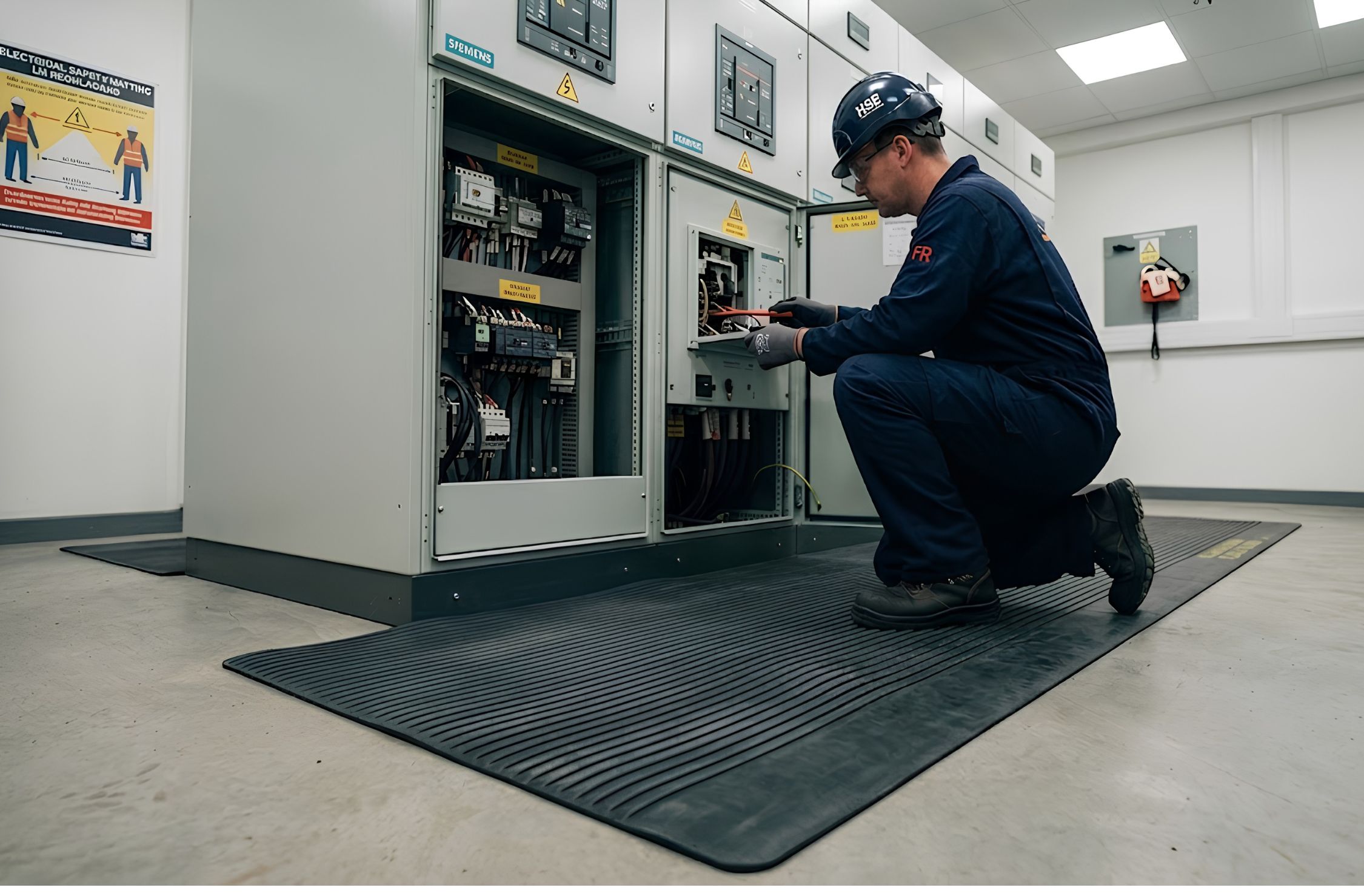
Electrical safety matting can reduce or stop electric currents, so it is a common surface for high voltage environments.
People who work long hours standing can also benefit from using anti fatigue matting; this will help to alleviate general muscular fatigue, swollen legs, varicose veins, lower back pain and other associated medical conditions.
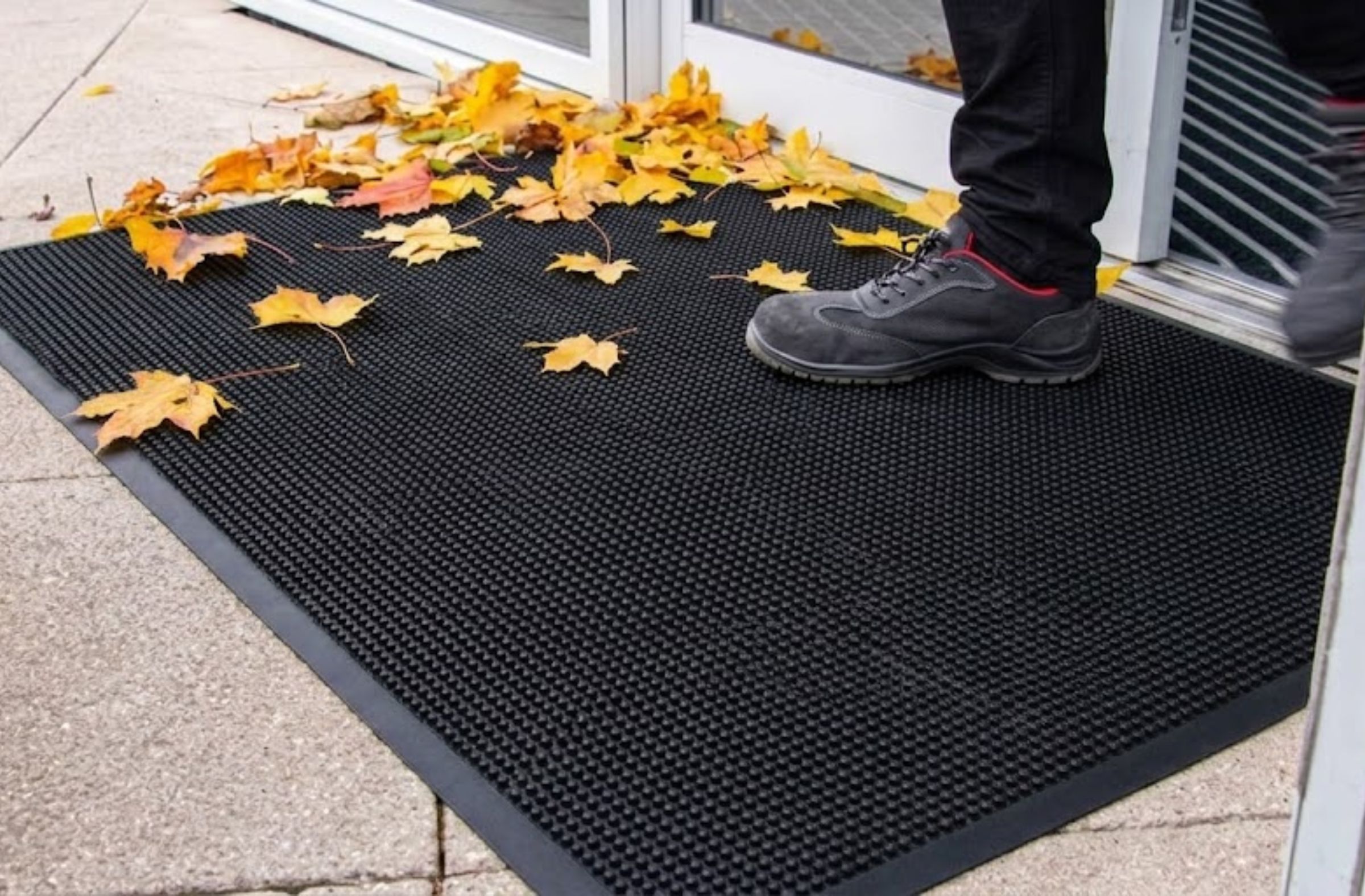
Installing rubber walkway matting, such as Coru565HV, offers exceptional durability and non-slip benefits, even in wet weather.
Minimise the risks of damage to the site by using rubber bearing pads, which can be cut to size. They can absorb brief external force, isolate and nullify vibrations and absorb force from vertical loads.
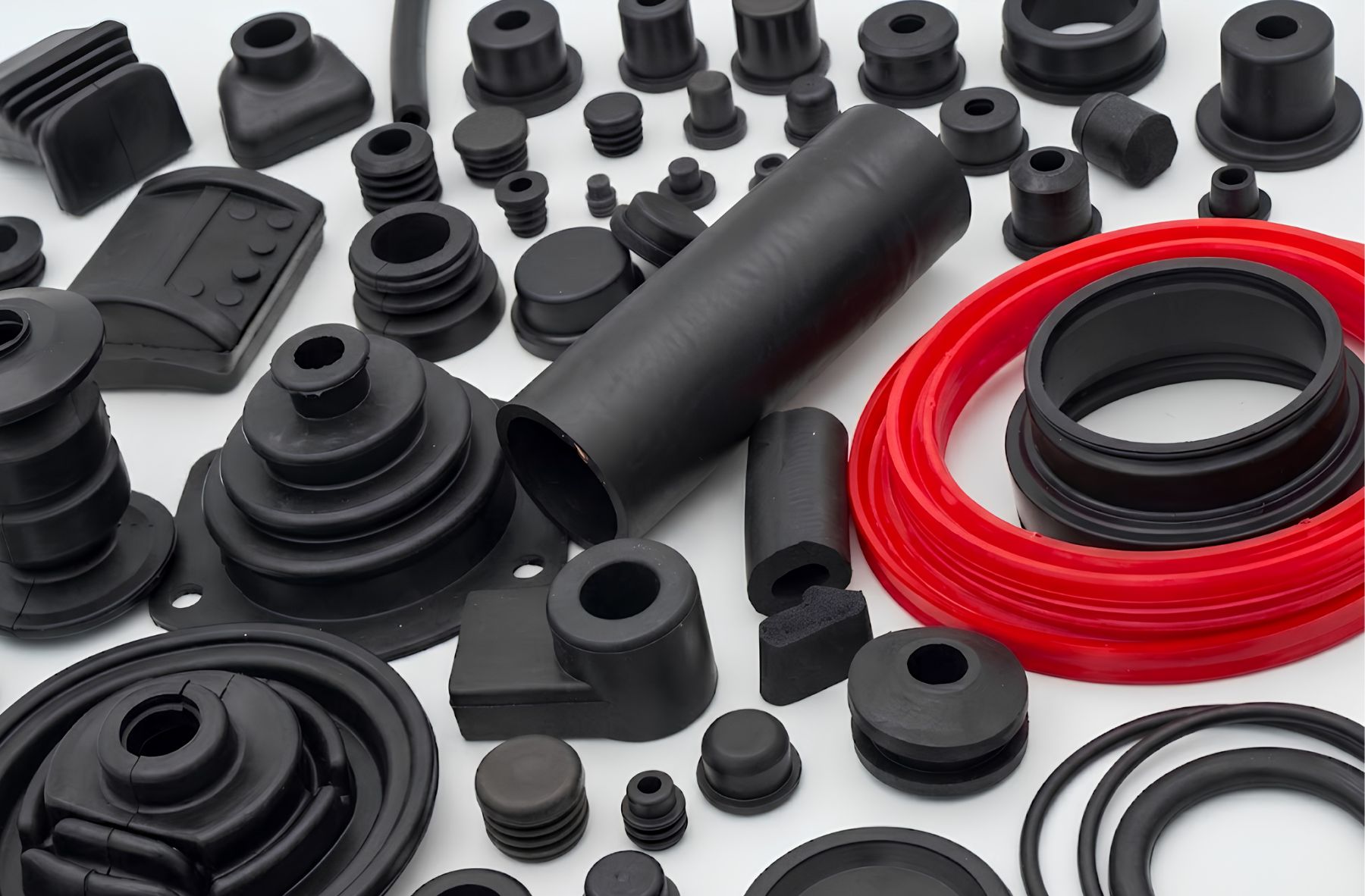
Other uses for rubber in the construction industry include joints, gaskets, seals, coatings, sealants and paints. It can be utilised for roofing, flooring, pipes, cables, membranes and belting.
These are just some of the applications for rubber in the construction industry. New uses are being developed all the time, so in the coming years, many more may be discovered.