Natural rubber and synthetic rubber are both used in different industries, and both have a clear place in manufacturing, but which is best? The answer to that question is not as simple as you may think, with both offering different great outcomes in different situations.
We’ve put together a quick guide to help you understand the difference between these two materials and when to use them for the best outcomes.

© Canva
What is natural rubber?
Natural rubber is taken from rubber tree known as the Pará tree (or Hevea Brasiliensis), which is now grown widely in South Asia but originated in Brazil. There are also other natural sources of rubber available, but it is the Hevea Brasiliensis that is most popular with rubber producers as it provides latex, which can be easily made into rubber. Natural rubber has a lot of elasticity and is used mostly in aerospace construction and for tyres in the automotive industry.
What is synthetic rubber?
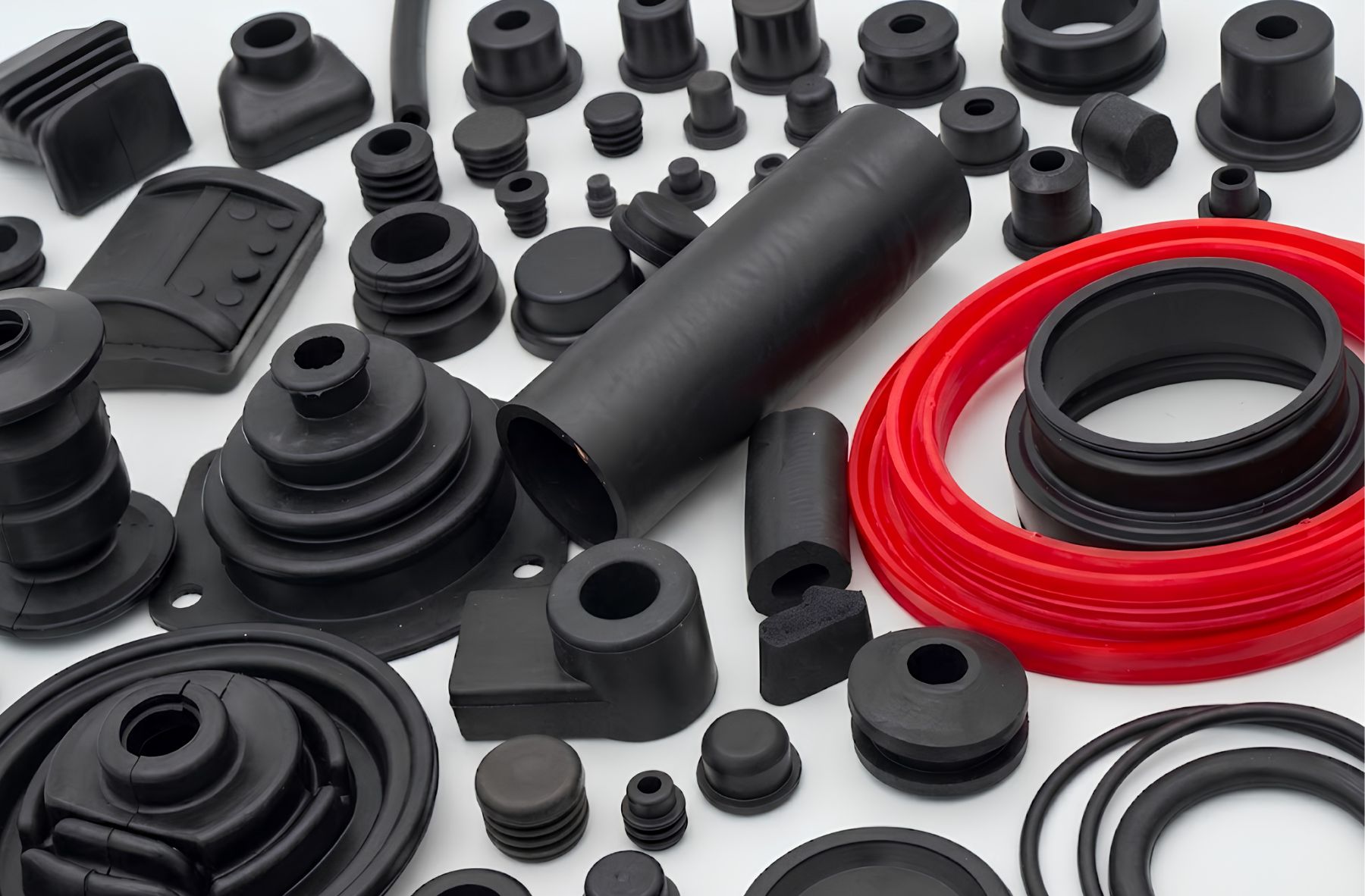
Synthetic rubber is a man-made substance that changes monomers into polymers, producing rubber that is as tough and usable as natural rubber. The process to make synthetic rubber can be approached in two different ways, both of which take monomers and put them through a polymerisation process to create the finished product. A great feature of synthetic rubber is that it can be made to the exact requirements of the buyer and is widely used for elastic bands, shoe soles, balloons and many industry products.
The benefits of natural rubber
Natural rubber has a range of benefits, including:
- Flexibility
- Heat resistance
- Durability
- Biodegradable
- More environmentally friendly than synthetic
With so many benefits, it’s clear to see why this is a popular choice for specific industries, but many choose to purchase natural rubber that has been modified with additives to make it even stronger and long-lasting.
The benefits of synthetic rubber
On the other hand, synthetic rubber also has a lot of benefits that include:
- Flexibility
- Uniformity
- Heat resistance
- Abrasion resistance
- Ageing resistance
The benefits of synthetic rubber are useful for companies that need to have dependable and consistent results with every order. Plus, as it ages so well and resists abrasion, synthetic rubber is often more reliable over time.
How to choose between natural rubber & synthetic rubber
The decision to pick between natural and synthetic rubber often lies within the industry you are working. Take a look at some of the common applications below:
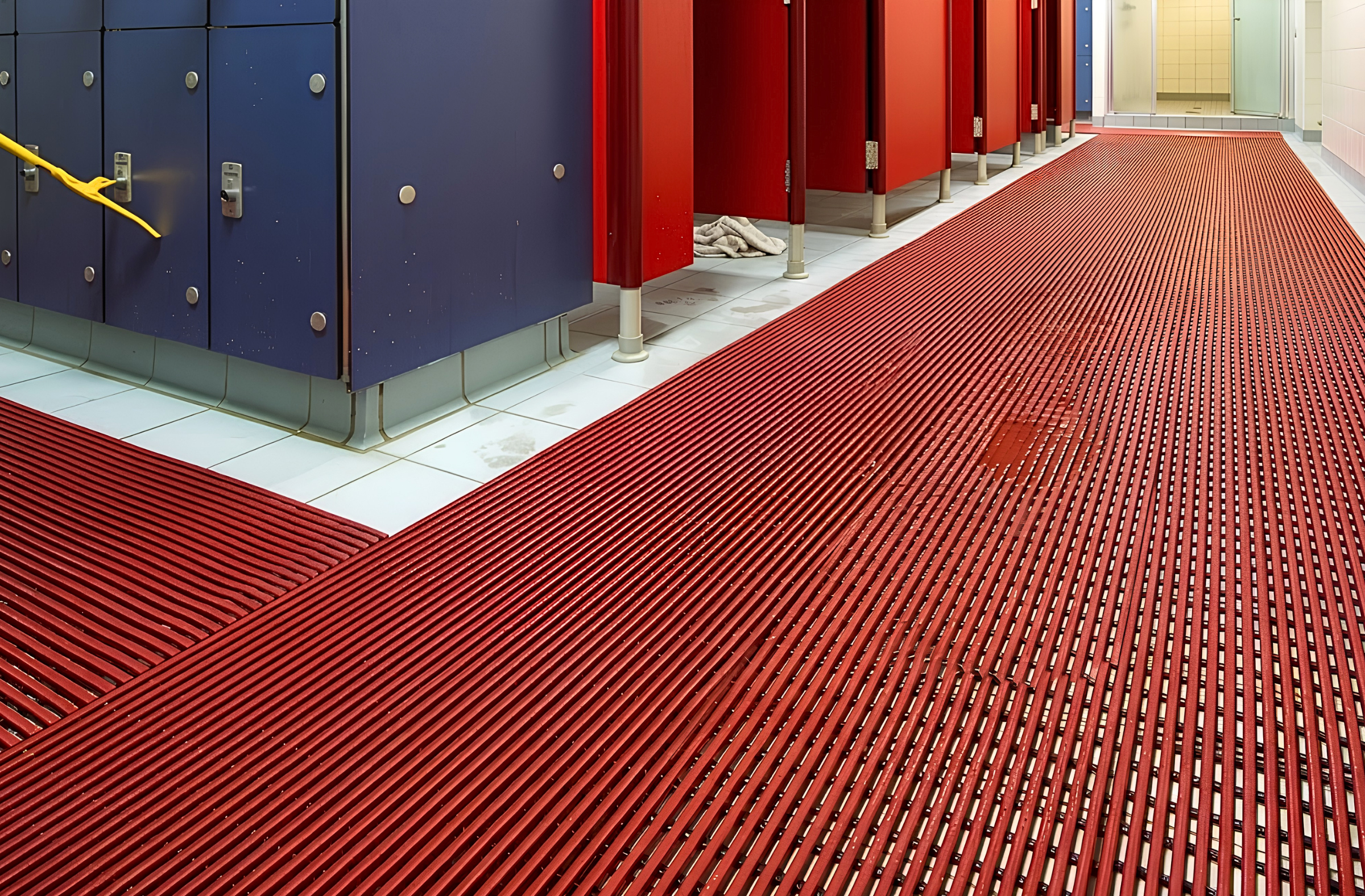
- Electrical Industry – accessing matting that can insulate and stop electric currents from passing is essential in an environment where there is a lot of voltage at play. Both types of rubber have high levels of electrical resistance, but a synthetic material is more commonly used for electrical applications due to its flame and temperature resistance.
- Pharmaceutical Industry – synthetic rubber sheeting can be made to food grade level and provides the sector with sheeting that can be used for a wide range of applications, helping to produce safe pharmaceutical products.
- Transport Industry – from neoprene to silicone and everything in between, synthetic rubber is an asset to the transport industry and can be made into a number of useful products including matting, door seals and window edging.
Coruba
We make high-quality, synthetic rubber that is designed to meet your specific needs. Each of our products is made from a number of different polymers, including natural rubber, so that we can produce the very best results every time. Take a look at our range and let us know your requirements so that we can match you with the right solution for your needs.