In the UK alone, there are 61,000 non-fatal injuries to construction workers each year. Sadly, there were 39 fatal injuries in 2020/21. This makes the construction industry the UK’s most dangerous job in terms of serious injuries and fatalities, ahead of a host of other occupations you might think are more hazardous such as mining, oil rig work, long-distance lorry driving, farming, forestry and fishing.
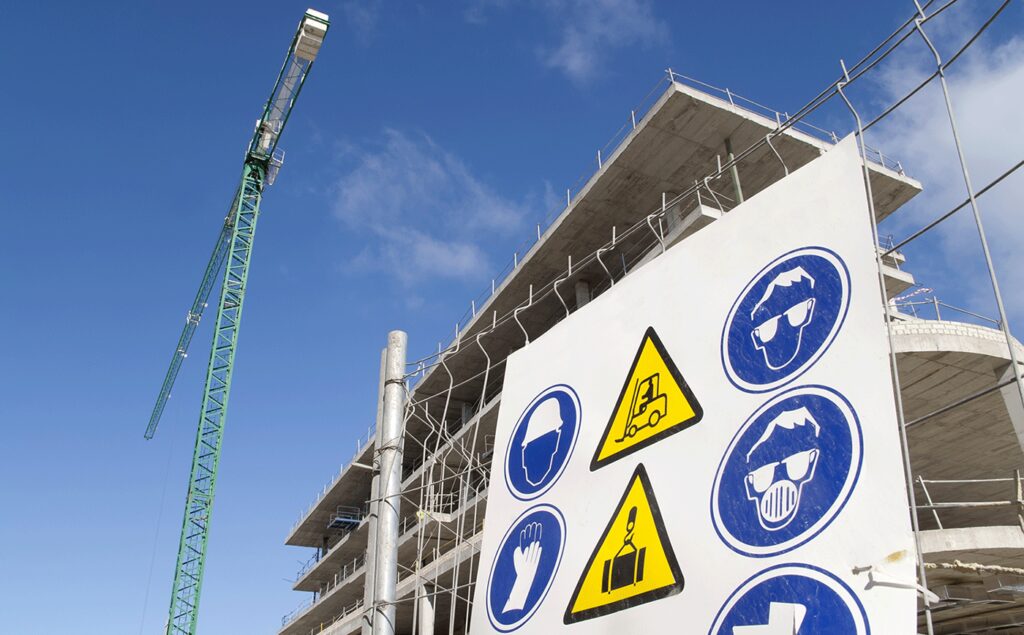
© Jarp2 / Shutterstock.com
Construction accident statistics
Statistically, the safest sites for employees are those belonging to larger companies, or to the public sector. This is because they tend to have more money to adhere rigidly to health and safety regulations and replace equipment if it’s showing signs of wear, according to health and safety organisations.
Across the board, slips, trips and falls account for around two-thirds of all construction site accidents. The Health and Safety Executive reveals around 2.9% of construction workers in the UK have suffered a work-related injury at some point. This is significantly higher than the average rate of 1.7% for workers across all industries.
Causes of accidents in construction
The Health and Safety Executive releases statistics annually detailing the causes of accidents in construction. The organisation uses the information to further improve conditions for workers, monitor whether the situation is improving and penalise employers who break the law.
In cases where employers are deemed to have been negligent, the HSE issues notices demanding that health and safety conditions are improved. In 2021/21, the HSE issued 1,260 notices to construction sites. Of these, 54% were prohibition notices and 46% were improvement notices.
The HSE launched 76 prosecution cases, with a conviction rate of 87%. Construction site bosses in the UK were fined a total of £5.3 million – an average of around £80,000 per conviction.
Slips, trips and falls
Slips, trips and falls (especially falls from height) are the main causes of accidents on building sites, making up 64% of the total mishaps between 2018 and 2021: falls from height account for 33% and slips, trips and falls on the same level account for 31%, according to the Health and Safety Executive.
Unsecured ladders, faulty scaffolding, a lack of safety railings and a lack of PPE increase the risk of a fall from height. This type of accident can result in more serious injuries to the spine, head and brain and is more likely to prove fatal.
Employers must ensure employee safety while working at height under the Work at Height Regulations 2005. They must provide the relevant training and PPE, conduct a risk assessment, make sure all equipment is in full working order and ensure all surfaces are dry, sturdy and free of obstacles.
To mitigate the risks of slips and trips at ground level, employers and employees are required to keep the floor and walkways free from obstructions, report any potential hazards to the management and keep the site free from debris.
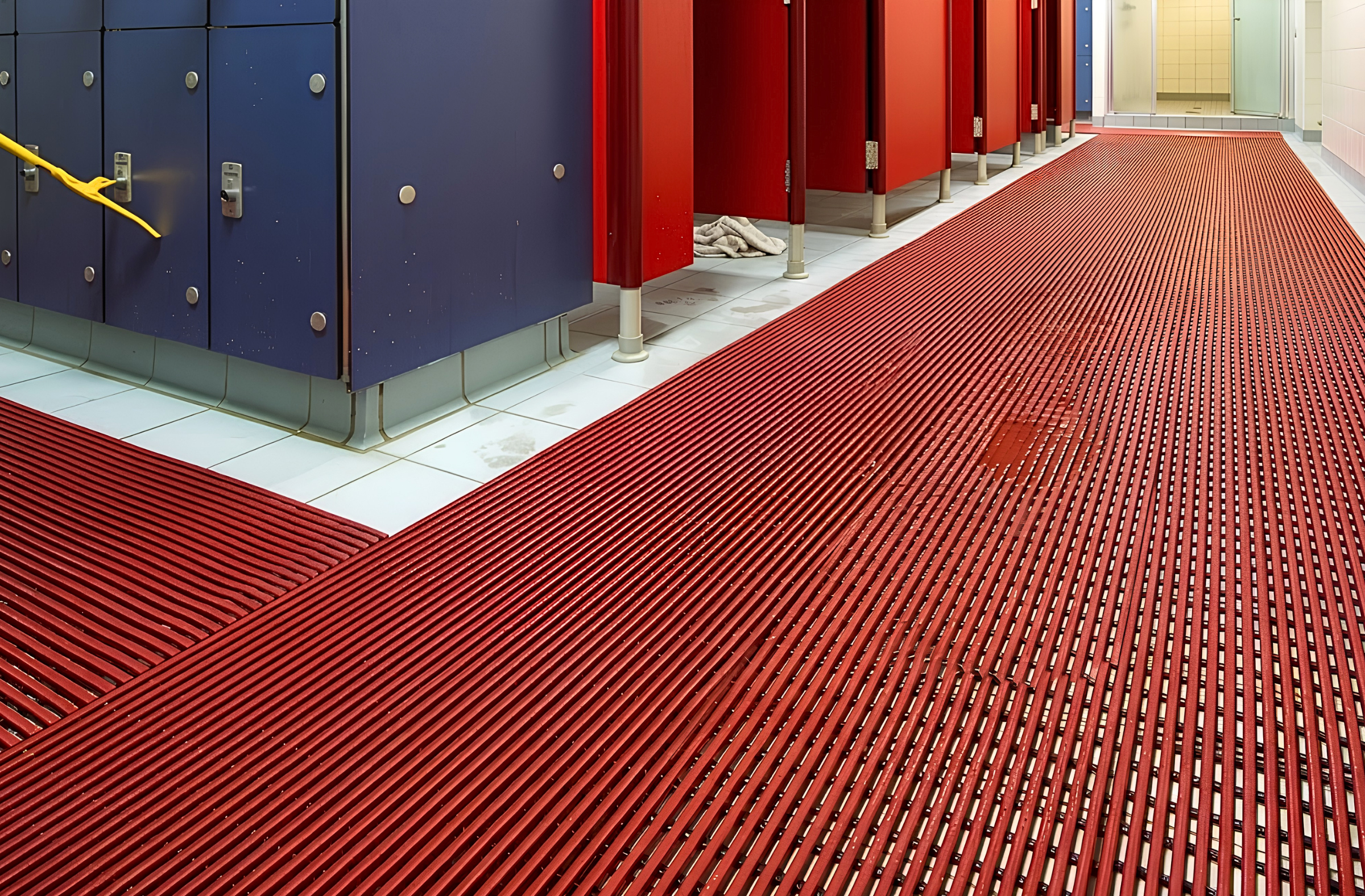
Employers can provide an anti-slip rubber walkway to minimise the risks of slipping while walking around the site.
Defective equipment
While working on a building site, employees would expect the equipment and tools to be in safe working order. However, this isn’t always the case. Unfortunately, accidents happen due to defective equipment.
Construction sites contain a lot of electrical equipment that can cause injuries, such as electric shocks, if faulty. This can cause burns, scars and nerve damage, and it also can be fatal in the most severe cases. Around 20% of construction site accidents are caused by defective equipment, including electrical faults.
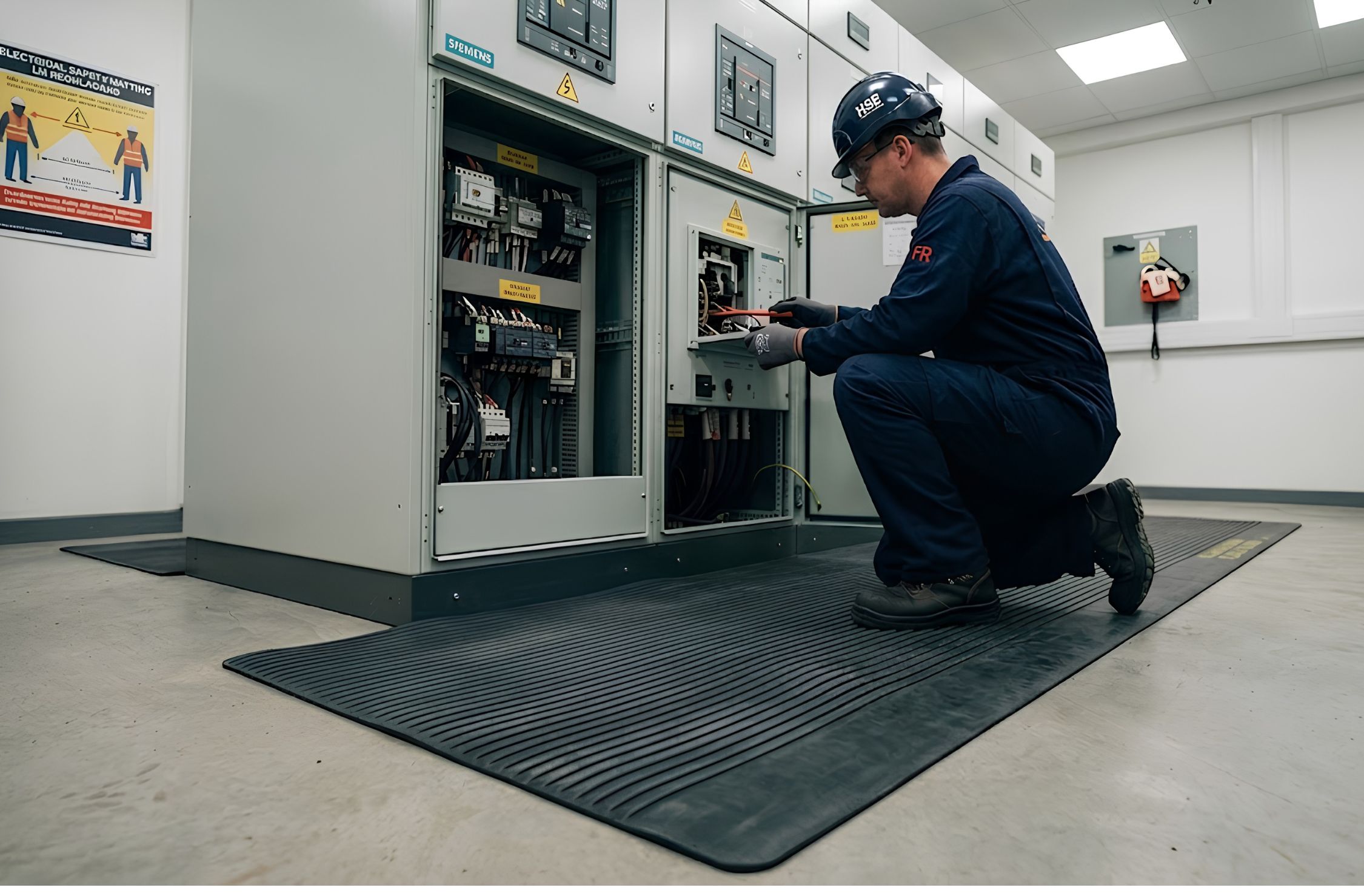
Employers can reduce the risks of staff suffering electrical injuries by ensuring only qualified professionals carry out electrical work and complete checks and maintenance on a regular basis. Employees should be given the relevant safety gear and equipment, including electrical safety matting.
In general terms for all equipment, employers should regularly maintain and inspect machinery and tools and always provide the appropriate PPE. A health and safety risk assessment should be carried out on equipment and tools and the necessary remedial action taken.
Manual handling injuries
Manual handling injuries account for 6% of construction site accidents. They occur when employees carry heavy loads by lifting, pulling or pushing them across the site. If they don’t use the correct handling techniques, this can cause injuries.
The solution is to ensure employees receive proper training when it comes to manual load handling, as specified in the Manual Handling Operations Regulations (1992). This sets out the rules that employers must follow to protect employee wellbeing.
Preventing construction accidents is vital, not only to protect employees from injuries and even fatalities but also to ensure companies aren’t hit with financial penalties at a time when they can ill afford it. A company that doesn’t protect its workforce can also ruin its reputation, which could potentially lead to a loss of trade.