Everyone in the fishing industry must be familiar with safety procedures. From beginners to experienced crew members, skippers, mates, engineers and boat owners; everyone has a role to play in ensuring safe vessel operation.
These seafaring professionals are more likely to lose their life at work than in any other occupation, including hazardous jobs such as mining and construction. Statistics show fishermen are 115 times more likely to suffer a fatal accident than workers in other sectors.
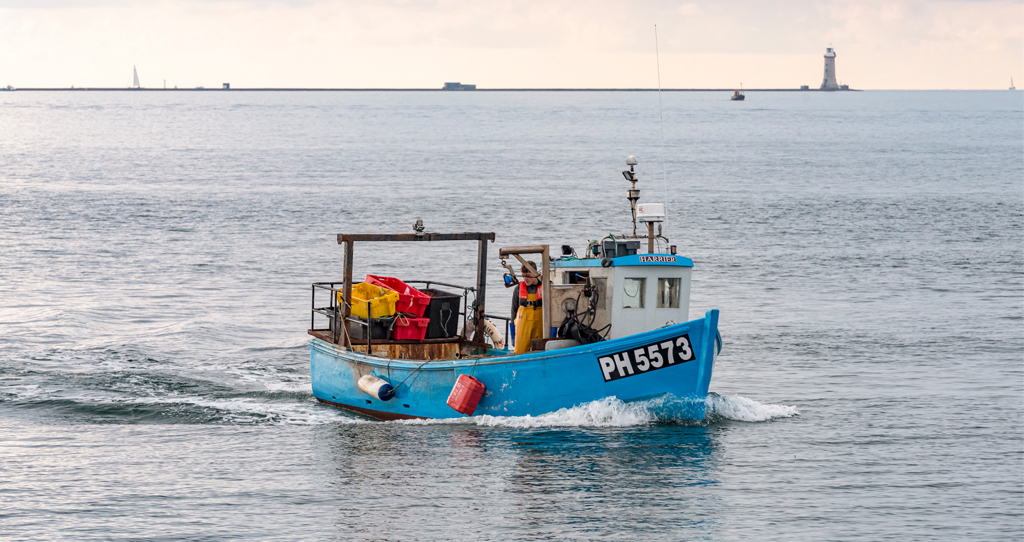
© Billy Watkins / Shutterstock.com
Even in the UK, where safety rules are very strict, the risk of accidents is far greater than in other occupations. The stringent UK guidelines are outlined in the publication, Fishermen’s Safety Guide, published by the Maritime and Coastguard Agency.
What are the common workplace injuries?
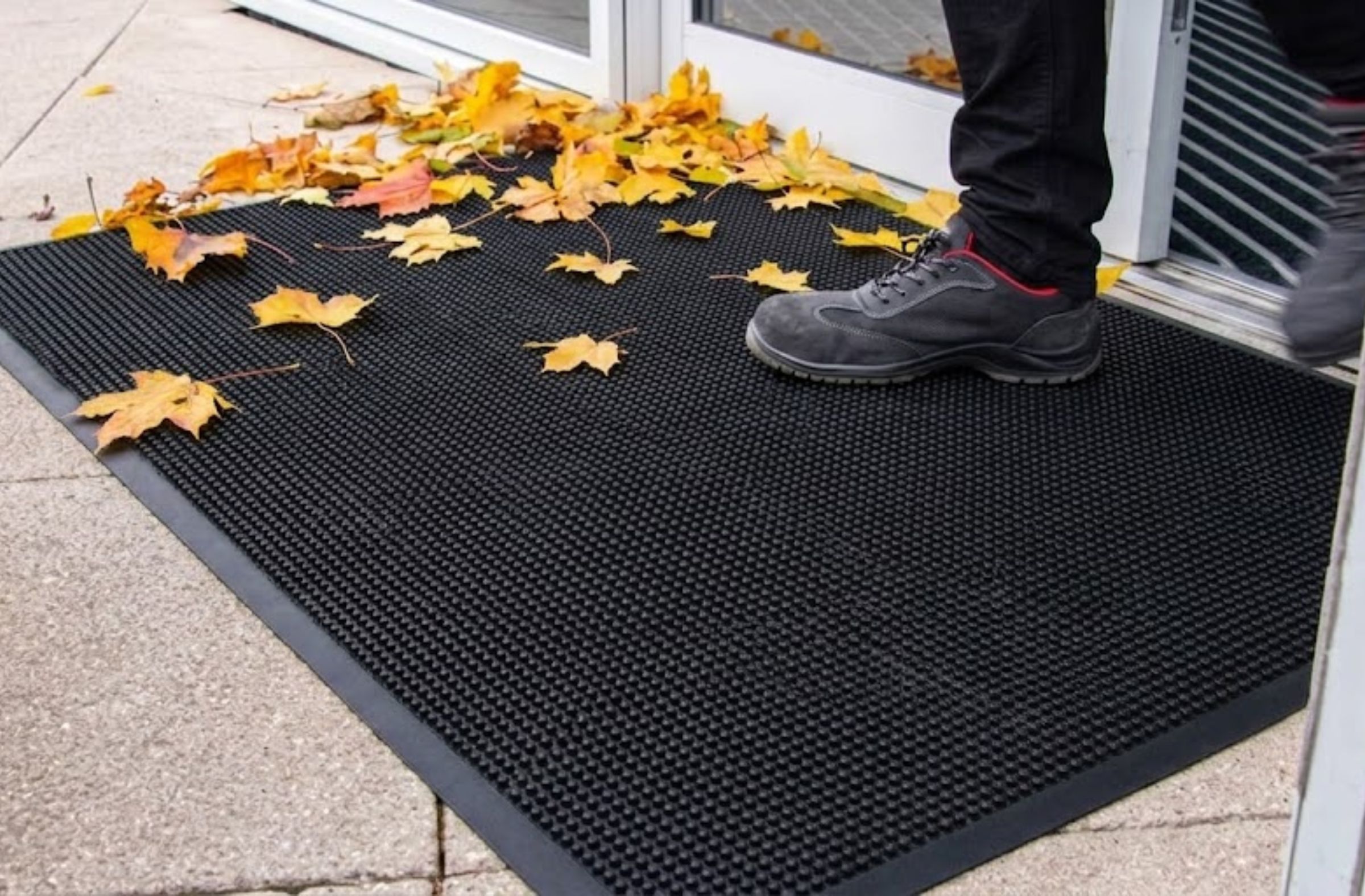
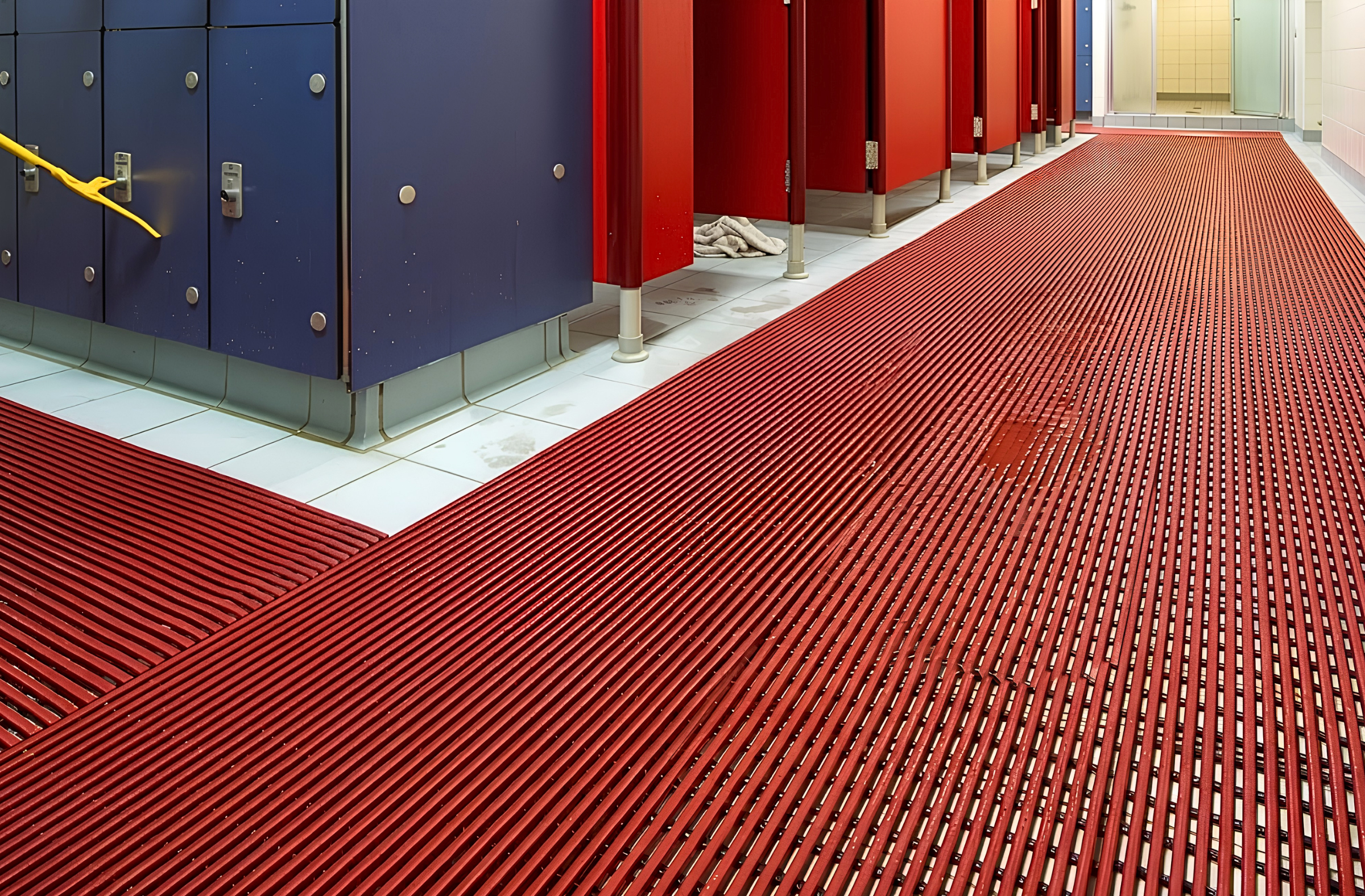
The most common workplace injuries are caused by slips due to the wet and wild conditions in marine environments. When onboard any kind of vessel, slip-resistant matting must be installed to reduce the risks.
Different types of rubber matting can be used on steep inclined areas, walkways, decks and at the quayside. Manufactured from a high-quality, non-slip rubber material, it includes embossed patterns for increased resistance.
Seaspray, water from the fishing gear and cold and heat create an extremely hazardous environment. Personal protective equipment (PPE) must be worn to prevent injuries to the whole body and in particular, the head, hands, feet and eyes.
Oilskin clothing is essential to keep dry and warm, while buoyant thermal suits are ideal to keep the wearer warm and afloat should they end up in the sea in cold, stormy weather.
Rubber boots worn by fishermen should incorporate steel toe caps. Waterproof gloves should also be worn when handling fishing gear and fish. Sturdy leather gloves are needed for wire splicing.
The workforce should wear hard hats in case they’re struck on the head by machinery; ear protectors to prevent hearing damage in continual loud noise; and goggles or visors.
Winches, warps and towing chains
Unguarded winches and warps are a prime cause of slips, trips and falls. As well as installing rubber safety matting, a simple guard, handrail or barrier can prevent crew members from falling onto a moving winch or warps.
Falling onto the rotating winch is particularly dangerous, as snagged clothing can drag the wearer in. Worn components can also cause the equipment to malfunction. All equipment used for lifting must be inspected annually by a competent person.
The towing chains and wires and the stopper chains must also be tested and properly maintained. All crew members should be made aware of the potential dangers: for example, if someone stands on a slack warp on the deck and the stopper chain slips, it may suddenly tighten up, throwing the crew member in the air and possibly overboard.
Ensuring boat’s safety
The winter months are a good time to optimise your boat’s safety ready for your next trip to sea. There are certain things you can work on while your boat is in the dry dock. Clean the bottom of the boat – a time-consuming job that’s good to do in winter downtime.
Scrape and wash the hull and sand and paint the bottom when the weather is dry and warm. If you need new electronics, this can be a good time to access the cockpit and drill the holes, replace corroded components, or run transducer cables. The priority must always be keeping the crew safe.
Long hours, shift work and the stress of the job can lead to serious fatigue. Many people working on commercial vessels experience chronic tiredness. This can put the individual worker and their co-workers at risk of injury, so all available measures must be taken to mitigate the hazards.
Emergency procedures
Emergency drills should be completed at least monthly, on all vessels. Being prepared for any emergency with the right knowledge and equipment can save lives and fishing vessels.
In the event of a crew casualty, or a mechanical issue that disables the fishing vessel, the UK’s Maritime and Coastguard Agency is responsible for preventing injuries and deaths at sea. It provides a 24-hour search and rescue service.
A mobile phone can often be enough to call for help. Although network coverage is not the best at sea, the range usually extends 18 miles from the coast. In addition, a Personal Locator Beacon uses search and rescue satellites to send a message to the Coastguard that says you’re in trouble. It works anywhere in the world.
The Automatic Identification System (AIS) Man Overboard device has a range of up to five miles in open water and enables the crew to find someone quickly should they fall overboard. Anyone with an AIS receiver on board can see the stricken crew member’s location.
Being able to call for help can literally be the difference between life and death and all available safety procedures and emergency callout devices should be in use.