The festive season is here and bars will be busier as families and friends celebrate the Christmas holiday. While no-one wants a “bah… humbug!” attitude, it’s also a fact that a busy festive bar area can have the potential for disaster.
Health and safety is important all year round, but never more so than during a busy shift. While customers are eating, drinking and making merry, managers and staff need to be on the ball when it comes to avoiding mishaps.
Seasonal staff
With more customers comes the need for extra staff – but a group of new employees, unfamiliar with the business’s working practices, have the potential for accidents. Seasonal staff have to receive exactly the same health and safety training as every other employee, so no cutting corners because you’re short of time.
Whether you’ve recruited extra bar, waiting-on, or security staff, try to use trusted people with whom you’ve worked before, or use an agency you can rely on. Common mistakes made by temporary staff include rushing around, trying to carry too many glasses or plates to save time.
This can lead to broken glass that must be cleaned up immediately. If there’s any breakage or liquid spills on the floor, erect a sign warning customers of the hazard until it’s cleaned up and the floor has dried.
A joint study by the Home Office and the Design Council revealed 40% of UK bar workers had suffered accidental injuries from broken glass. Most injuries happened when staff were washing and stacking glasses. Emphasising the importance of handling glasses safely, one-third of those injured needed treatment at A&E.
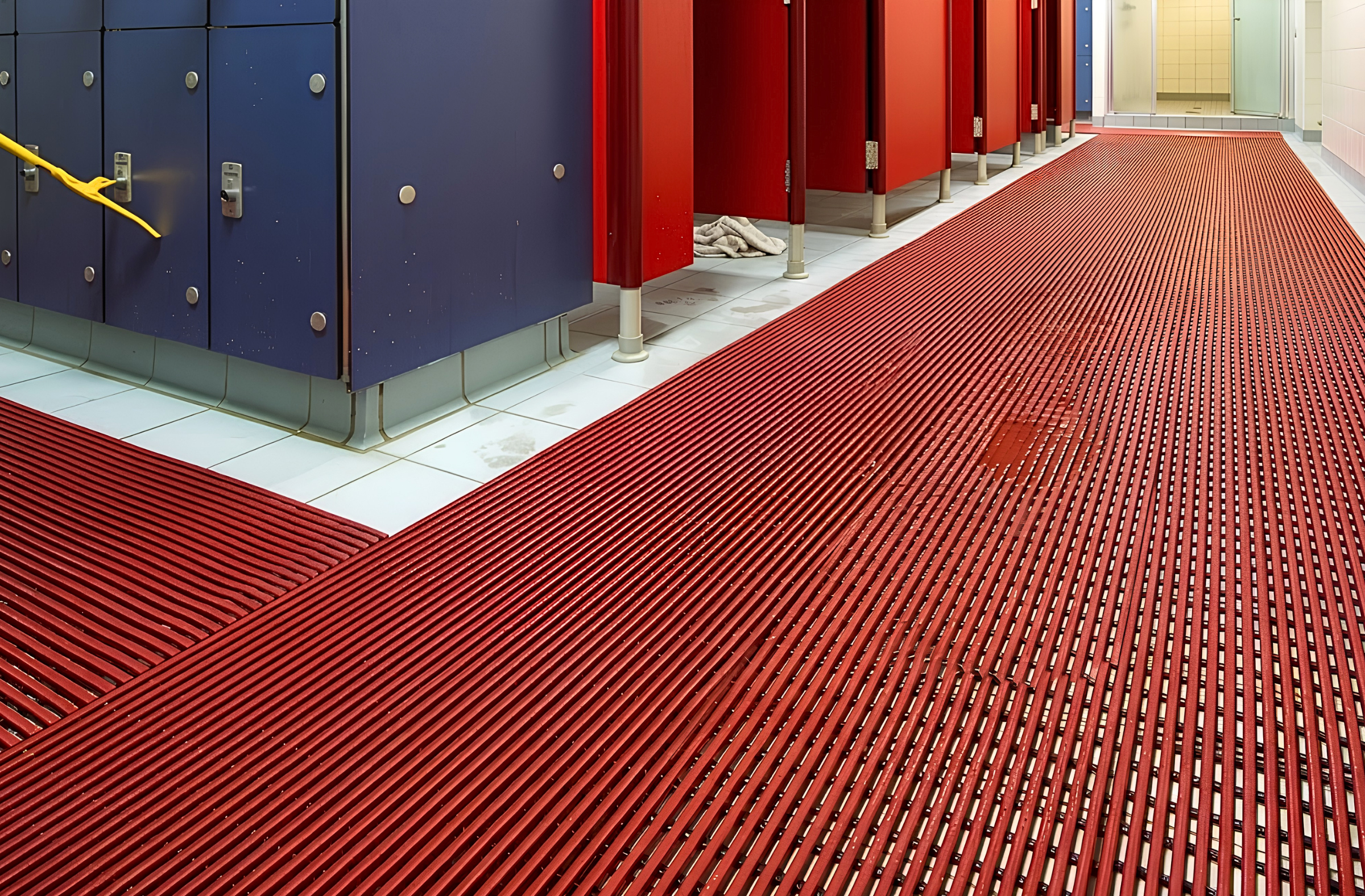
Drain glasses and cups properly, making them less slippery to carry, by standing them on PVC connectable bar drainage tiles.
Multiple orders
Multiple orders from customers who are drinking, dining, or both, puts extra pressure on the staff to keep up to speed. Combined with the workspace becoming exceptionally busy and crowded, this creates greater risks of an accident.
According to research by CGA, 37% of customers in the UK visit the pub more often during the festive period. Two-thirds of all over-18s are planning to go to a bar over Christmas and New Year. This equates to 66 million visits, with an average spend per person of £36.25.
In addition, 45% of customers say they will spend more on eating out over the festive period than they do at any other time of year.
With more customers and more staff rushing around in the bar, trips are the cause of many workplace accidents. In 2020, slips, trips and falls accounted for 29% of all workplace accidents. It seems like common sense, but anything cluttering up walking routes in the main section of the bar can put people at risk.
Before every shift, managers should look for any trip hazards such as equipment cables or cords, empty boxes or crates from restocking the bar, or any cleaning equipment left out. The Health and Safety Executive says three-quarters of trips in the workplace are caused by obstructions.
Avoid the risks of falling over loose cables by using a cable tidy or plastic cable ties to protect customers and staff from injury and the cables from damage.
Slip hazards
Spills of drinks and food on the floor are a major hazard for both staff and customers. The occupations most at risk are bar staff, waiting staff, kitchen assistants and chefs, according to the HSE. Nine out of ten slips occur when the floor is wet with liquids, or contaminated with spilt food.
Take precautions by cleaning up any spills immediately, no matter how busy it is. Always invest in non-slip, shock-absorbent, durable restaurant, bar and kitchen rubber matting. Not only does it improve sanitation and reduce risks of accidents in high traffic working environments, but it also enhances comfort for employees who spend a lot of time on their feet.
Keep customers safe too by installing non-slip rubber matting in high traffic areas. As well as reducing slipping risks, it looks aesthetically pleasing and is easy to clean compared with carpets.
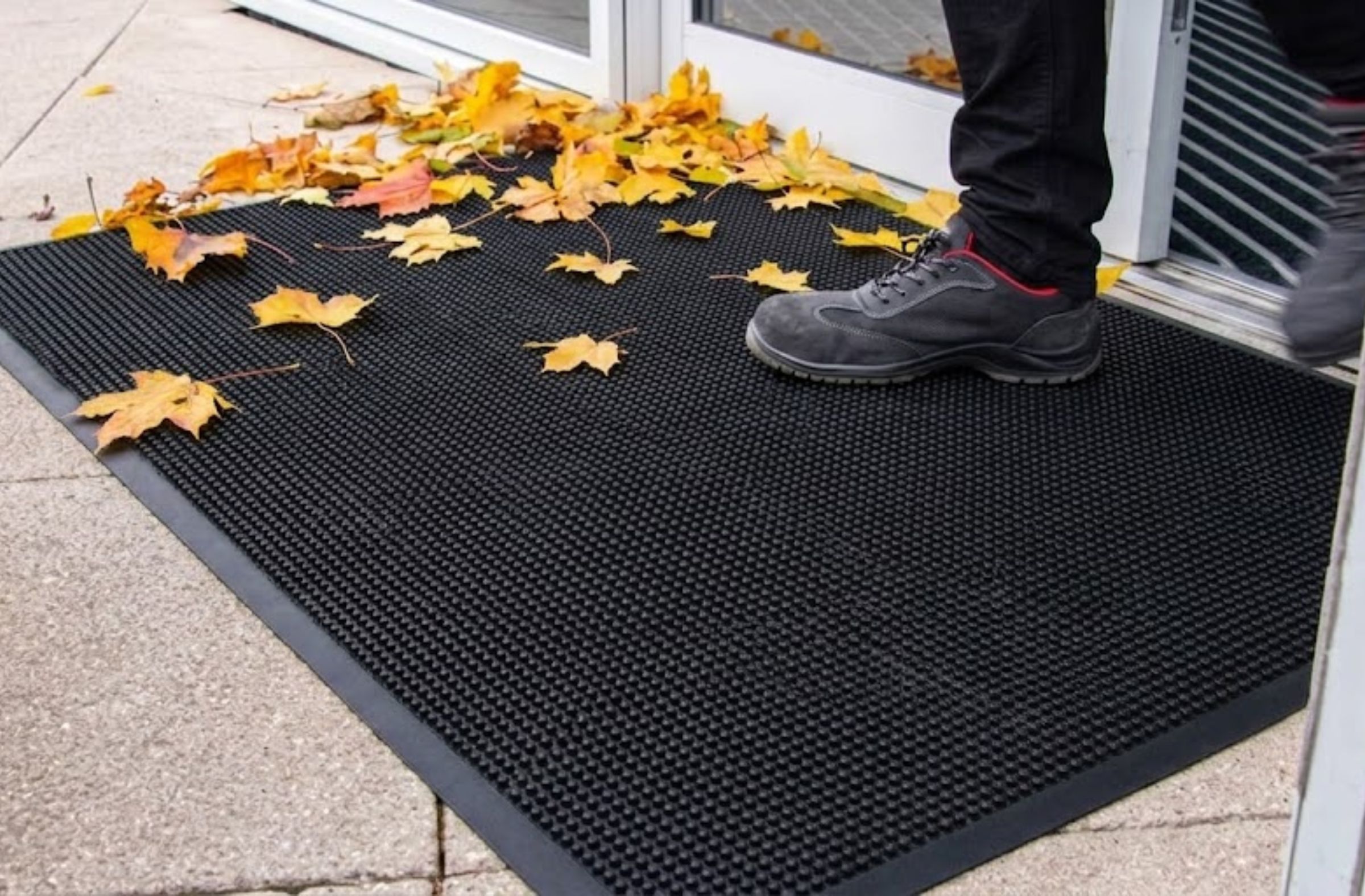
Protect customers and staff arriving at and leaving your bar in wet weather by investing in rubber entrance matting. The HSE says businesses with tiled entrances are putting people at the greatest risk of slipping when it’s raining, as they walk water into the foyer and it sits on the surface. Just over one-third of “major” injuries in the food and drinks sector are caused by slips.
The Workplace (Health, Safety and Welfare) Regulations 1992 require floors to be free from obstructions, suitable and in good condition – don’t fall foul of the law! If your foyer has a wet floor due to rain, you also need to place a warning sign in a prominent place.
Tired staff
Fatigue caused by long shifts at Christmas can make staff perform below-par and render them more prone to accidents. Feeling fatigued is cited as a factor in 13% of injury-causing workplace accidents. Co-ordination, balance and motor skills, as well as cognitive functioning, are negatively impacted by fatigue.
Working in a busy bar, serving drinks and food, is one of the worst environments to feel over-tired. Accident and injury rates are 18% higher during the evening shift compared with the day shift. During busy periods, such as the festive season, 19% of staff work 48 hours or more each week, while around 7% work 60 hours or more.
Employers must ensure staff take sufficient rest breaks, particularly on long shifts. Providing anti-fatigue matting with good non-slip properties can also help take the strain.