The UK government has announced it is phasing out the import of Russian oil due to Vladimir Putin’s invasion of Ukraine. The move is intended to increase pressure on the Russian economy by removing a major source of income. Oil makes up 44% of Russia’s total exports and provides 17% of government revenue through taxes.
The phasing out won’t happen immediately. The British government has set up a new Taskforce on Oil to discuss viable alternatives for the transition. Ministers will weigh up the options with industry leaders to devise a plan to ban oil imported from Russia by the end of 2022.

© New Africa / Shutterstock.com
Currently, Russia is the world’s third-biggest producer of oil, behind the United States and Saudi Arabia. Russia exports around five million barrels of crude oil every day and more than 50% of this goes to destinations across Europe. Oil imported from Russia accounts for 8% of the UK’s total oil demand.
Oil and the rubber industry
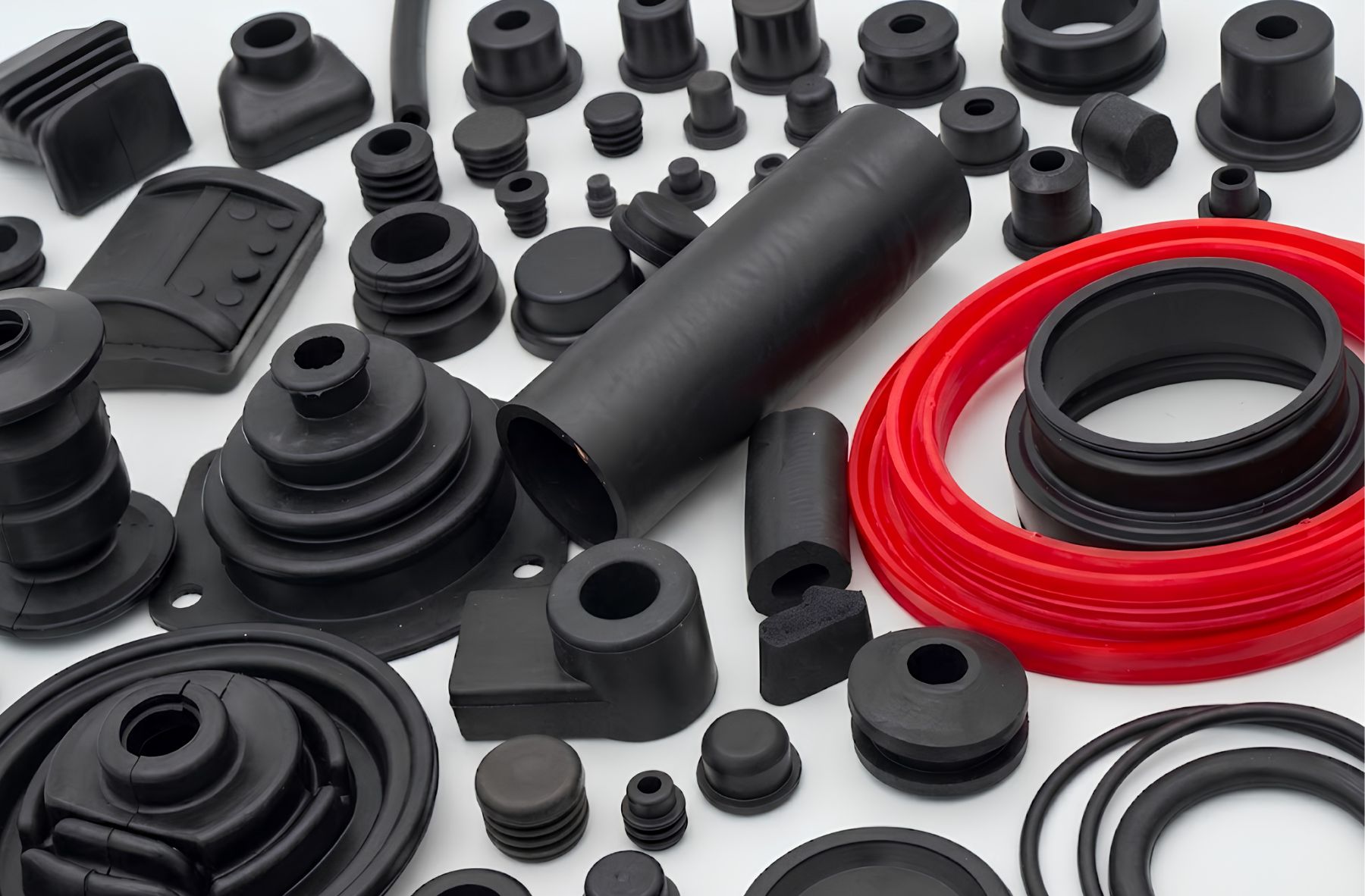
The government has reassured industry leaders there will be an “orderly transition” to other sources once Russian oil is banned later in 2022. This will be welcome news to the rubber industry, where oil is a vital material in the manufacturing process.
The rubber industry is very important in the UK, where rubber manufacturing first began in the 19th century. In the past decade, the rubber goods sector was worth an average of £2.3 billion per annum to the British economy.
Industrial sectors that require rubber include agriculture, aviation, chemicals manufacturing, the automobile industry, construction and defence. Rubber is also used in the medical industry, mining, power generation, petroleum industry, printing and textiles.
How is rubber made?
You need oil in large quantities to make rubber. As an example, according to the Rubber Manufacturers’ Association, it takes around seven gallons of oil to make one standard car tyre. Around five gallons of oil are used as the feedstock and the other two gallons are used in the actual tyre manufacturing process.
Natural and synthetic rubber both need to undergo various processes to turn them into usable products – the stages may be adapted slightly depending on the intended use. First, chemicals are combined with the rubber to make it stable and prevent it from getting brittle when cold or sticky in high temperatures.
For the compound to process properly, it needs oil in the mix. This reduces its viscosity, creates better processing properties, increases its low-temperature flexibility and decreases the overall costs.
Producing oil-extended rubber has been industrialised since the 1950s. There are several different types of oil including castor oil, palm oil, minarex oil and white oil.
They all have slightly different properties that affect the rubber’s hardness, flexibility and tensile strength properties – so they can be manufactured specifically for the end product.
Where will oil come from in future?
Once the ban on imported Russian oil takes effect, the UK is a strong producer of oil and the government is urging manufacturers to change their supply chain, looking to our “significant domestic production”.
There are already other reliable suppliers of oil such as the Netherlands, Saudi Arabia and the United States. Saudi Arabia produces 11 million barrels of oil a day and the US produces 16.5 million barrels, but closer to home, the Netherlands produces 70,000 barrels per day.
Russia’s Deputy Prime Minister Alexander Novak has attempted to stop other nations from rejecting Russian oil, warning of “catastrophic consequences for the global market”. However, Boris Johnson says the UK government is confident there’s enough time for companies to adjust and for consumers to be protected. Kwasi Kwarteng, Britain’s Business and Energy Secretary, says Russia’s “unprovoked military aggression” won’t pay and says Britain will continue to support Ukraine’s stand against tyranny.