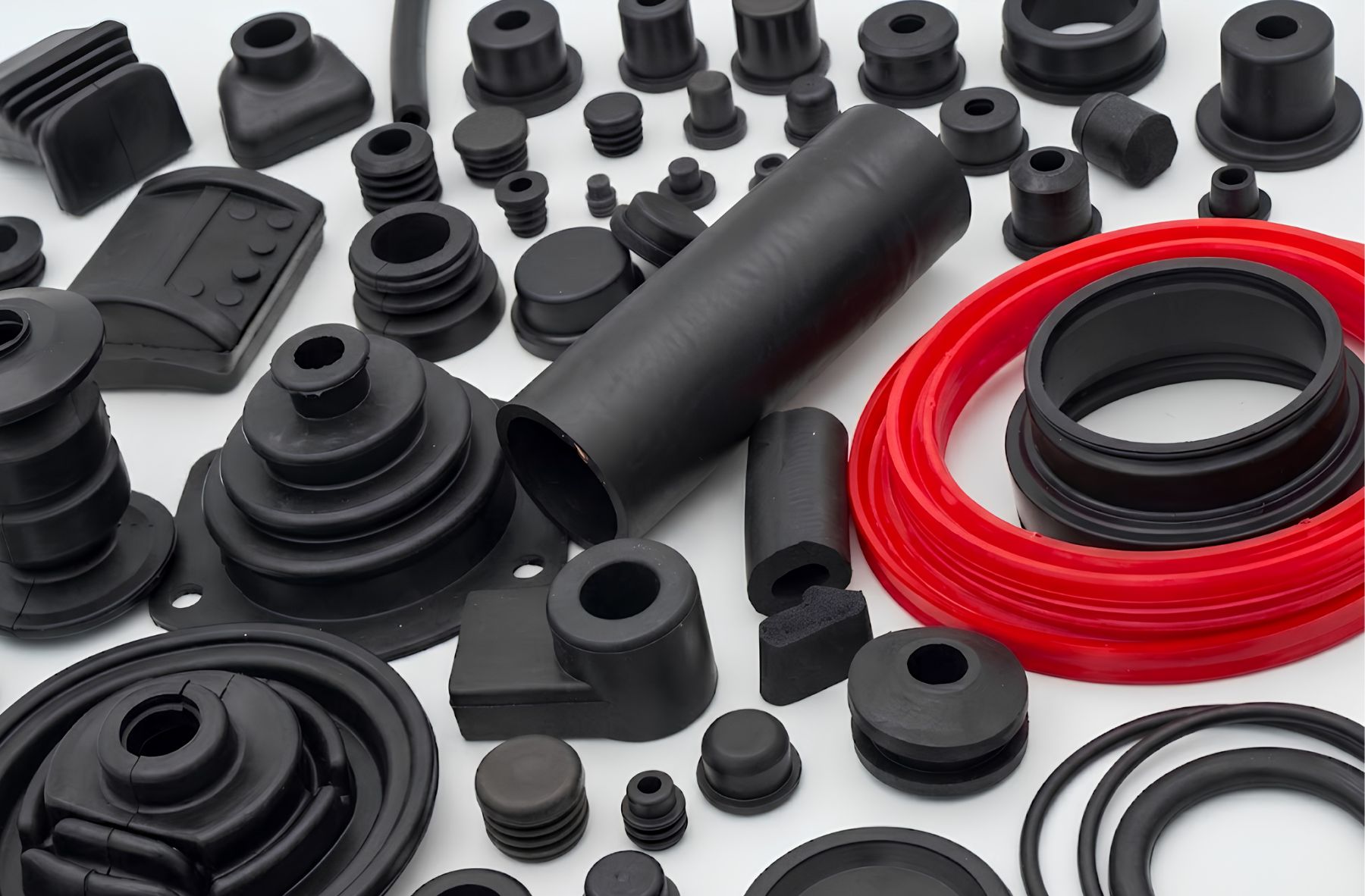
Grommets are flexible, versatile and useful moulded products that can be used in various applications, including cable wires, screws and tubes.
They are available in numerous different materials, such as metal and plastic, but rubber grommets are the preferred choice, because they provide the most benefits, including being much easier to install than the alternatives.

© QuiteSimplyStock / Shutterstock
Grommets are used in industries including construction, electronics, automotive engineering, aircraft engineering and avionics, internet data centres, telecommunications and the manufacture of medical equipment.
They are used for applications such as waterproofing, sealing gaps, covering holes with sharp edges and vibration damping.
What are the different types of grommets?
Waterproof grommets are one of the most useful and versatile types, as they can be used in a diverse range of industries. This kind of grommet is used to seal a hole that has been made previously. They provide protection for devices and gadgets from water, moisture and dust.
Cable grommets come in the shape of a tube or a ring, enabling an electrical cable to pass through. Usually made of rubber, the grommet can be inserted in holes in various materials to protect and seal the cables. They can combat friction hazards and protect the cables from chemical and mechanical damage.
Electrical grommets are commonly used in automotive electrical enclosures, although they can be used for any industry. They are suitable for indoor or outdoor use, providing electrical insulation that resists weathering.
Blind grommets are used for blanking off holes in metal panels. Rubber blind grommets tend to accommodate larger plate thicknesses. They can be manufactured in several different kinds of rubber, including Neoprene, Nitrile, EPDM and natural rubber, to suit various industrial and anti-vibration applications.
Oval grommets are commonly used to protect cables and wires that pass through sheet metal casings. They effectively prevent abrasion and damage.
Silicone grommets are exceptionally durable and long-lasting. Silicone rubber is a highly resistant elastomer – a material comprising polymer silicone and carbon, oxygen and hydrogen molecules. The structure of silicone grommets provides temperature resistance, thermal stability, durability and superb flexibility.
Grommet seals made of rubber are used to join two parts together to prevent them from coming apart and to stop anything from passing between them.
Rubber grommet installation tips
There are many different grommet sizes, so ensure you take precise measurements. Getting the right size is crucial for a successful installation.
When you’re filling a hole, always measure it before installing a rubber grommet. If there’s no opening, punch or drill according to the recommended grommet size. The hole must accommodate the grommet perfectly.
Clean the object before you fit the grommet, as dirt can create problems in the long term. When you have drilled or punched an opening in the material, always smooth the edges before you install the rubber grommet, as this makes fitting it much easier. Use a damp cloth to wipe away any grease or grime.
Are rubber grommets easy to install?
Rubber grommets are a flexible option, so they are fairly easy to install. It’s possible to manipulate the edges of the hole to insert a grommet. You can also bend the grommet if necessary to fit precisely into the opening.
Using a plastic putty knife, push the grommet fully into the hole. A silicone sealant can help with a tight fit. Apply it round the grommet before pressing it into place. Using sealant will help to secure the grommet after it dries.
You can use petroleum jelly or plain grease if you don’t have silicone sealant to hand. Liquid soap will remove the residue after installation. If necessary, let the rubber grommets sit in boiling water for a few minutes to make them more pliable.
Bespoke rubber mouldings
Coruba can provide a selection of bespoke rubber mouldings in a choice of rubber compounds for numerous applications in commercial and industrial environments.
Our bespoke rubber products and rubber parts are manufactured in our purpose-built 11,000 sq ft in-house manufacturing facility in Cambridgeshire. We can work with you to create the highest quality rubber products to meet our clients’ exact specifications.
If you require rubber mouldings such as grommets, give us a call on 01702 560194 or email us at info@coruba.co.uk for more information on how we can help.