Climate change and disease are threatening the future of the world’s rubber trees, leading scientists to ask if it’s the end of the line for natural rubber. This flexible, tough and waterproof material has hundreds of uses in the modern world, but we may have to start searching for alternatives.
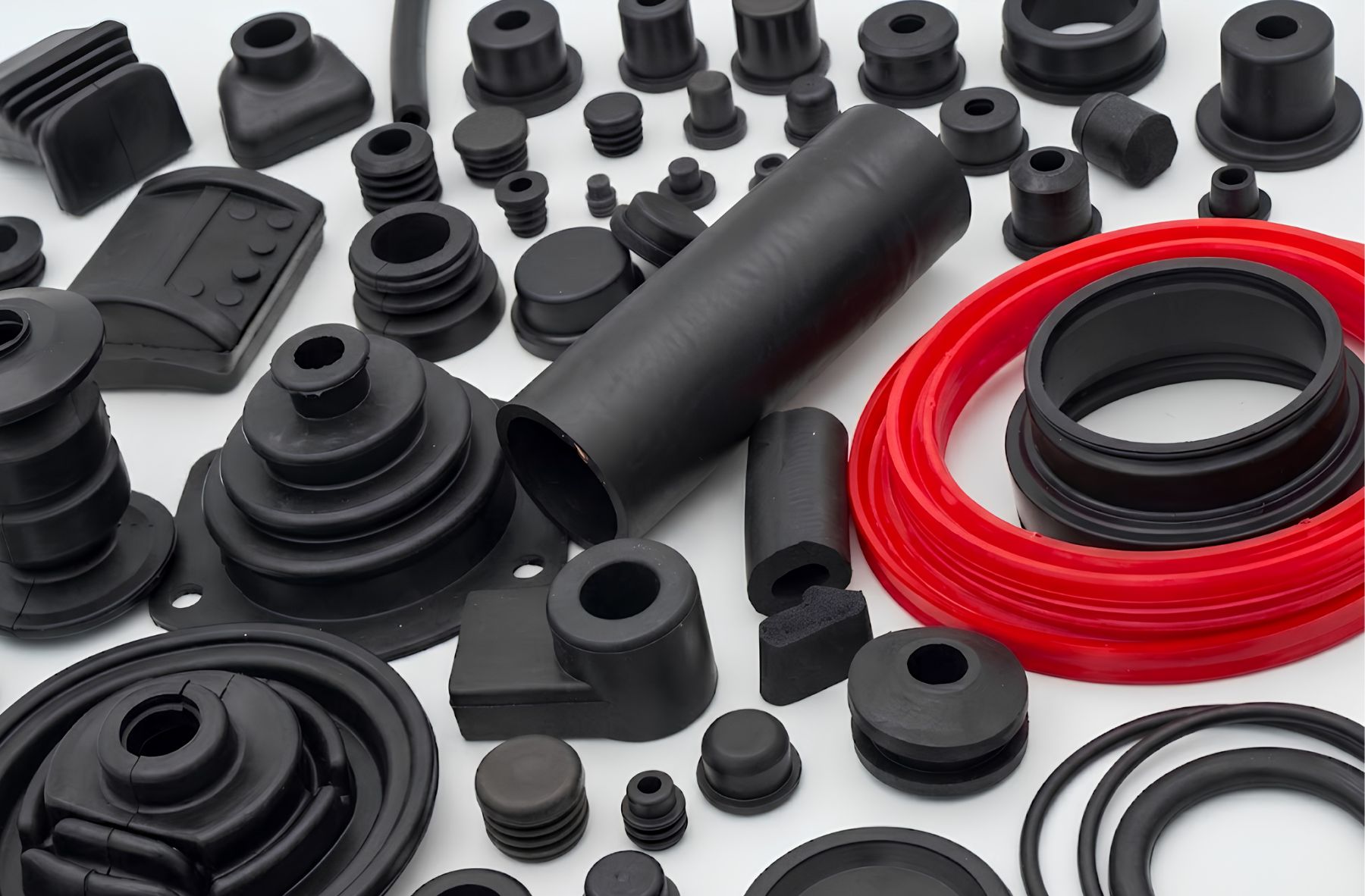
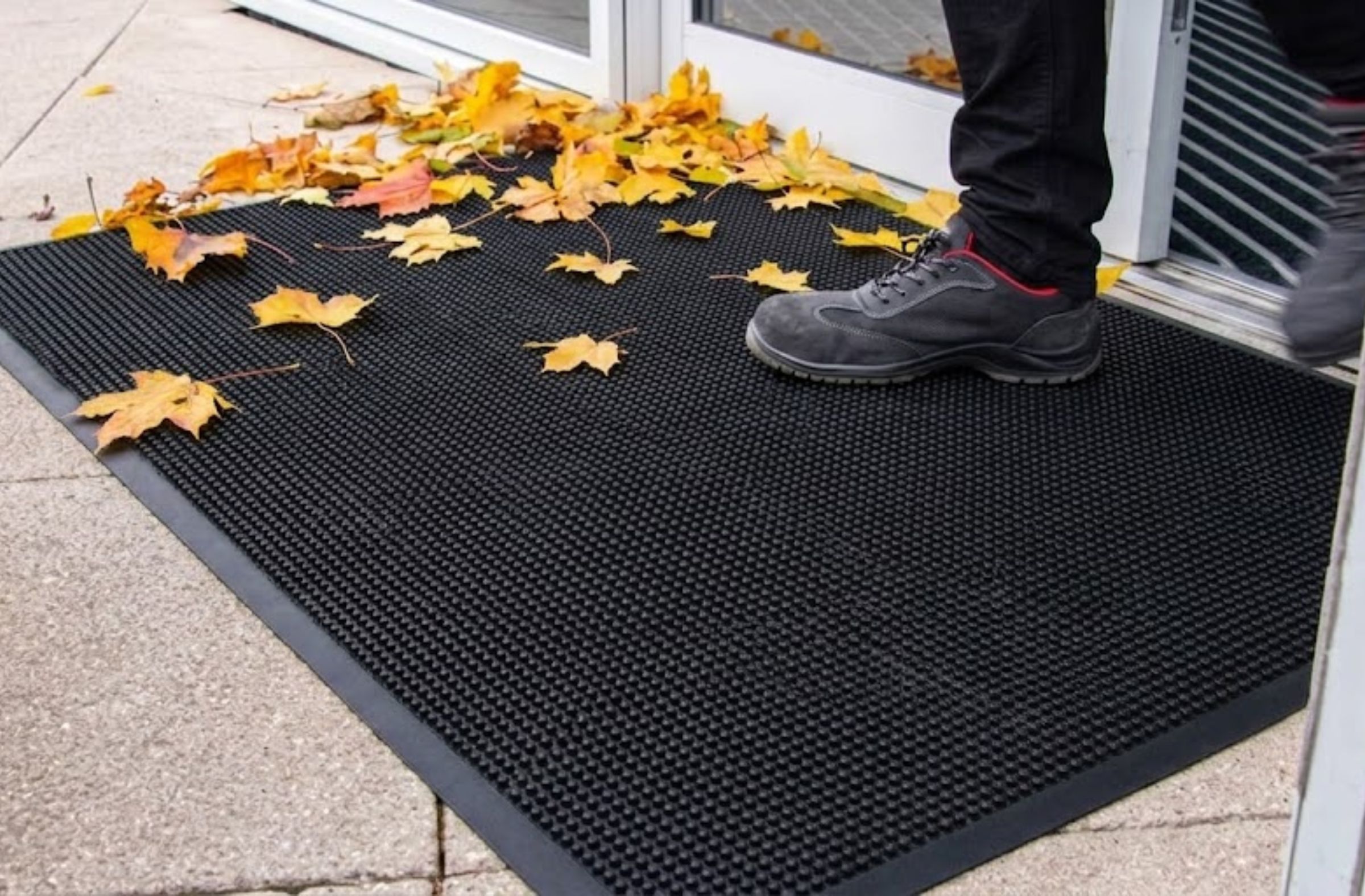
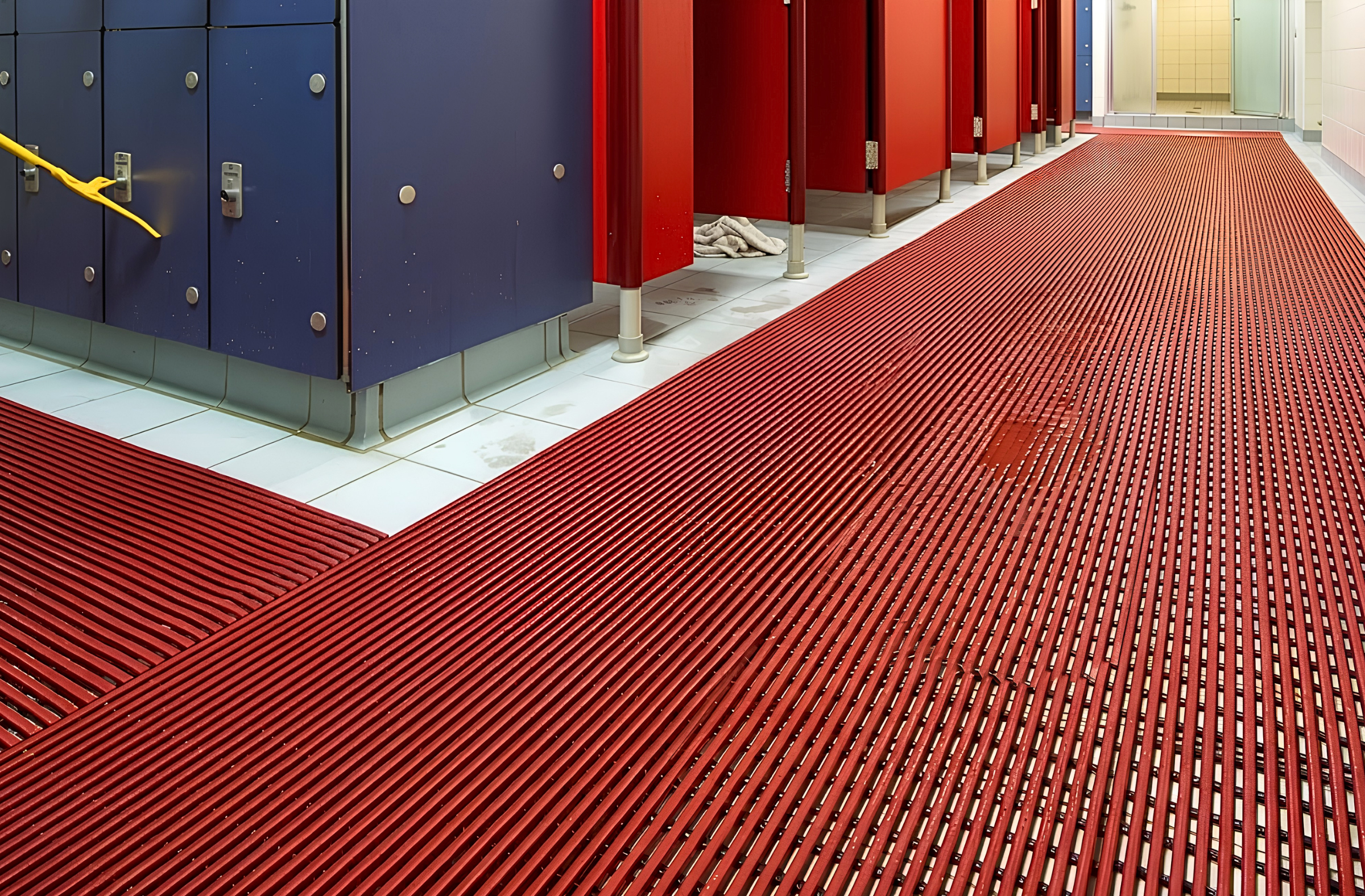
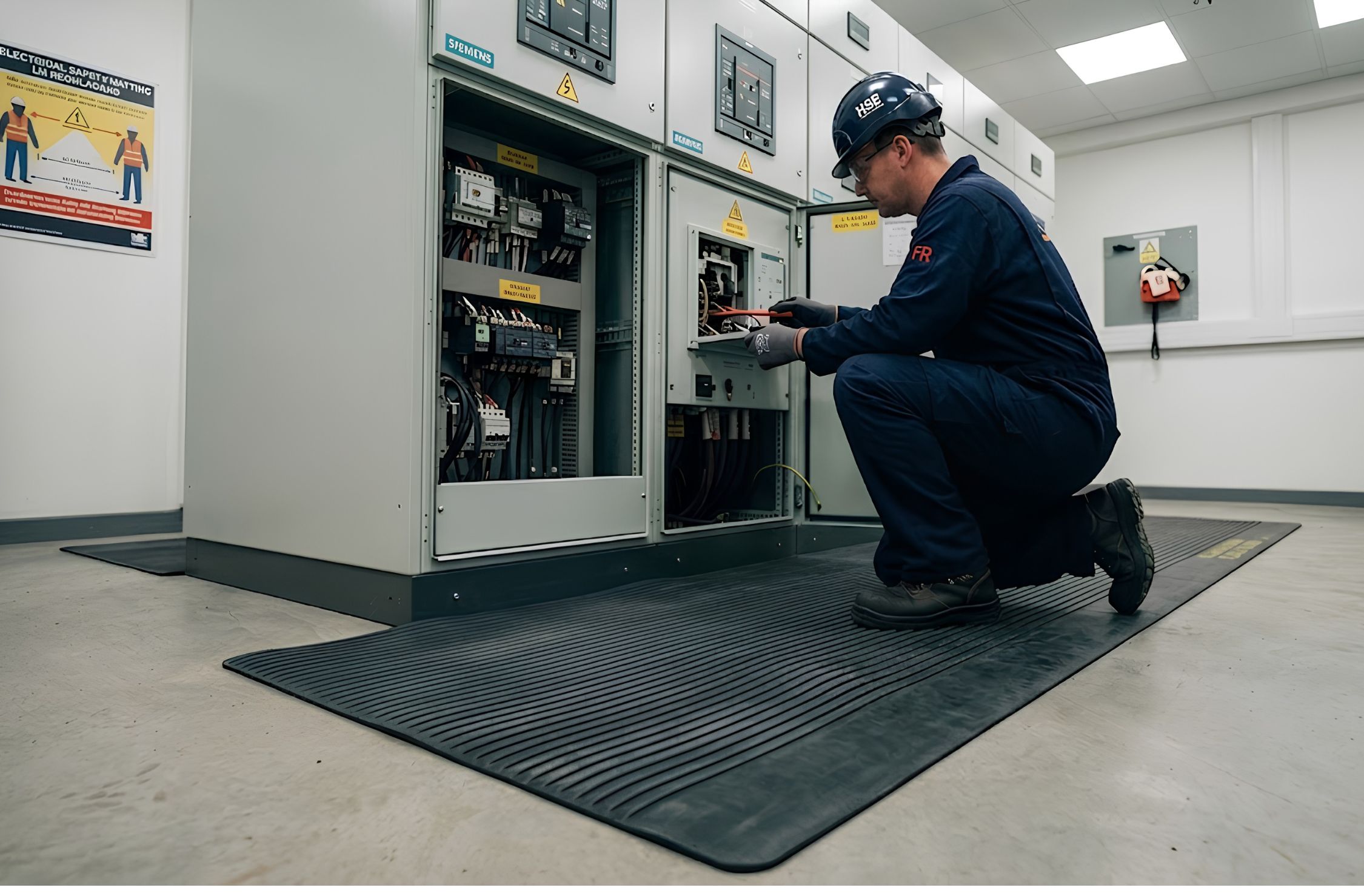
Natural rubber is used for vehicle tyres, seals for refrigerators and engines, soles for footwear, insulation for wires and electrical components, sports balls, clothing and the humble elastic band. During the Covid-19 pandemic, it made the personal protective equipment that protected doctors and nurses from infection.

© possiblePricha / Shutterstock
Rubber is so important worldwide that the EU has included it in its list of critical raw materials. However, there are indications that supplies of the natural rubber tree Hevea Brasiliensis might be running out. Climate change is increasing weather extremes such as flooding and droughts and diseases are directly killing off the trees.
Every year, around 20 million tonnes of rubber are produced worldwide, mainly by individual smallholders working on individual plots of land in tropical forests. A lot of the plantations are in Indonesia, Thailand, West Africa and Thailand.
The workers carefully strip bark from the trees to extract the rubber sap. This is shaped into natural rubber sheets that are dried in the sun. These farmers supply around 85% of the total natural rubber globally.
Why is natural rubber under threat?
The Hevea Brasiliensis, native to the Brazilian rainforests, has fallen victim to South American leaf blight. This dangerous pathogen destroyed the nation’s rubber industry in the 1930s. While strict quarantine controls have limited a resurgence of the disease to South America to date, it’s almost inevitable that it will arrive in Asia. Rubber farmers all over the world are also facing plant diseases including white root disease and various leaf blight from neighbouring palm oil plantations.
Climate change hit Thailand’s rubber production hard, with flooding and droughts in recent years having a negative impact. The floods have also caused disease-spreading microbes to enter more growing regions.
In addition, the changing market has led to rubber farmers receiving a lower price for their wares in recent years. The prices are set by the Shanghai Futures Exchange. Here, brokers speculate on the value of various commodities including rubber, gold, fuel and aluminium.
The market price of rubber is not connected to the cost of production, so the price per tonne can vary greatly, even within the space of a month. In recent years, the price has been very low. This has led rubber farmers to over-tap their trees to extract more rubber, which weakens the trees, so they become increasingly susceptible to disease.
Farmers are also reluctant to plant more new trees to replace older, declining ones, as it isn’t worth their while financially. Some have abandoned their plantations because they can no longer afford to farm them. Instead, they are cutting down the trees and selling off the timber, before converting the land to grow palm oil plants instead.
How bad is the situation?
The supply of natural rubber is now no longer keeping up with demand. It was already dropping in late 2019 when the International Tripartite Rubber Council estimated the worldwide supply would be one million tonnes short in 2020.
When the Covid-19 pandemic struck and countries went into lockdown, the demand for rubber dropped and gave the plantations a chance to recover from over-use. As soon as the lockdowns ended, the demand for rubber rocketed, as people bought huge numbers of new cars.
Demand has now overtaken supply again and there’s an acute shortage of rubber, especially in the stock held by tyre makers. This has led industry leaders to speculate whether natural rubber will ultimately be replaced by synthetic rubber, which can be produced from petrochemicals.
However, natural rubber has some properties that can’t be fully replicated by synthetic alternatives. The obvious solution is to plant more rubber trees while drawing on supplies of synthetic rubber in the interim.
Industry leaders believe when the rubber shortage starts to have a more serious impact, prices will go up, so the farmers will have a greater incentive to plant more trees to replace the old ones that are coming to the end of their life.
This has to be balanced carefully with the need to remain environmentally-friendly, without causing deforestation of large areas. It will also be some time before the new trees are ready for tapping – it can take seven years for the trees to be sufficiently mature.
When it comes to the future of the rubber sector, this appears to be a turning point, when longer-term measures are needed to prevent a future crisis, with shorter-term interim solutions put in place to help the industry survive the lean times.