Accidents caused by slips and trips in the workplace are costing UK employers more than £500 million a year. They are responsible for 40% of all workplace injuries, so the biggest individual cause, according to figures released by the Health and Safety Executive.
As well as the financial cost to employers, these accidents also cause misery and pain for the victims, in terms of loss of income and reduced quality of life. In addition, there is a broader cost to society when more people are having to use an already overstretched health service.
© Halfpoint / Shutterstock.com
Read on to find out more about the most common types of workplace accidents, their real costs to employers and society and most importantly, how we can prevent them.
What are the most common workplace accidents?
The most common workplace accidents occur when employees trip over electrical wires left out in the open in areas where people walk, such as at the side of desks, in corridors and in communal rest areas. Leaving filing cabinet drawers open also creates a trip hazard.
Letting areas of the floor fall into a state of disrepair, with cracks or holes appearing in areas of high footfall, can also cause trips. A lot of slips involve liquid spillages that haven’t been cleaned up quickly or properly. The HSE says almost all slips occur on wet floors.
Workers trying to reach items on high shelves by climbing on a chair or desk can also cause falls. These can be particularly serious, as the employee is falling from height and is more likely to sustain a broken bone.
What are the costs to employers?
The overall £500 million a year cost of workplace slips and trips to UK employers includes HSE fines for keeping the workplace in a hazardous condition. It also includes people being off sick, causing staff shortages and employees being on sick pay instead of being fit to work.
The employer has a legal duty to create a safe working environment. This is governed by the Health and Safety at Work Act 1974, which requires risk to be reduced where “reasonably practicable”. This means taking all possible precautions to minimise risks.
The Management of Health and Safety at Work Regulations 1999 require employers to carry out risk assessments and take the necessary remedial action where problems are identified. The Workplace (Health, Safety and Welfare) Regulations 1992 demand that the cleanliness and condition of workplace floors allow people to walk around safely.
Employers spend around £73 million a year on employee sick leave as a result of slips, trips and falls at work. Around three-quarters of reported accidents have required the employee to take sick leave of between one and seven days. The HSE estimates UK employees are off sick for 130,000 days a year as a result.
Accidents can cause equipment damage, production delays, the loss of employees with the expertise to carry out the work and the need to recruit and train temporary workers. The time spent investigating accidents can mean extra clerical work.
As well as fines being incurred, on a scale dependent on the severity of the accident, this can also damage a company’s reputation if a serious accident occurs.
What are the costs to the individual employee?
The cost to the individual employee is incalculable, since they may suffer a long-term loss of income in the event of a serious accident that causes life-changing injuries.
Even less serious injuries, such as sprains and torn ligaments, can cause a loss of income if they are in an active job that requires physical activities, such as walking around and handling equipment, if they’re off work in the longer term.
The pain from an injury can have a negative impact on the individual’s quality of life, especially if their injuries prevent them from doing the things they enjoyed in the past. The worry and stress in dealing with the aftermath of an accident, particularly in financial terms, can make the victim ill with anxiety.
What are the broader costs to society?
The HSE estimates workplace slips and trips cost society as a whole more than £800 million per year. This includes a cost of £133 million per year to the NHS for treating patients whose injuries could have been avoided by effective workplace safety precautions.
The cost also includes the loss of potential output to the companies whose employees have suffered an accident. It also includes the cost to the social security system of paying sick pay to people who can’t work.
Slips, trips and falls in the workplace account for 698,336 bed days in England alone in any one year, according to the Hospital Episode Statistics. This is far higher than the 82,395 bed days as a result of car accidents.
How can you prevent accidents in the workplace?
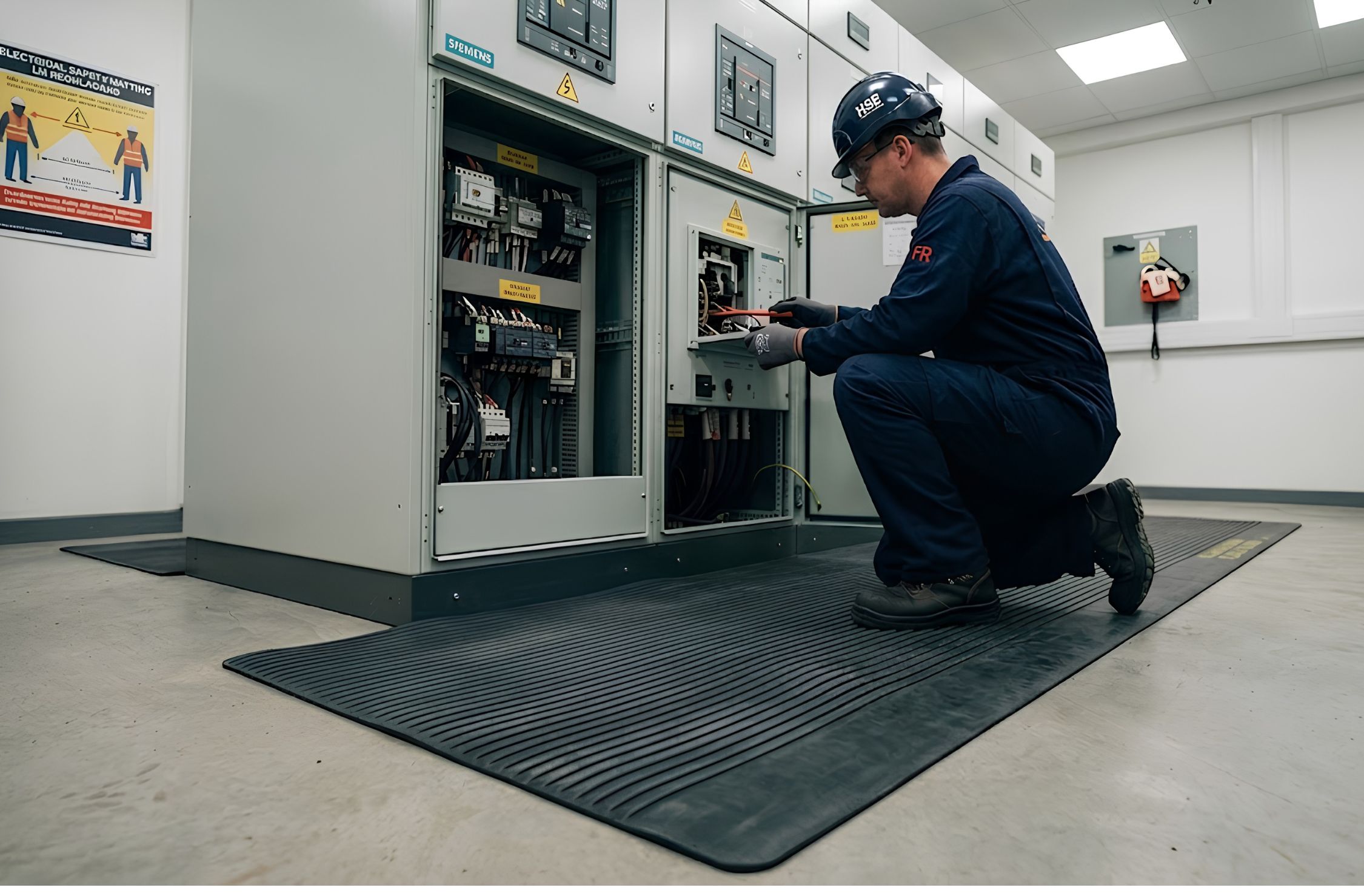
Prevent accidents in the workplace by carrying out stringent risk assessments and putting the appropriate measures in place to mitigate any risks.
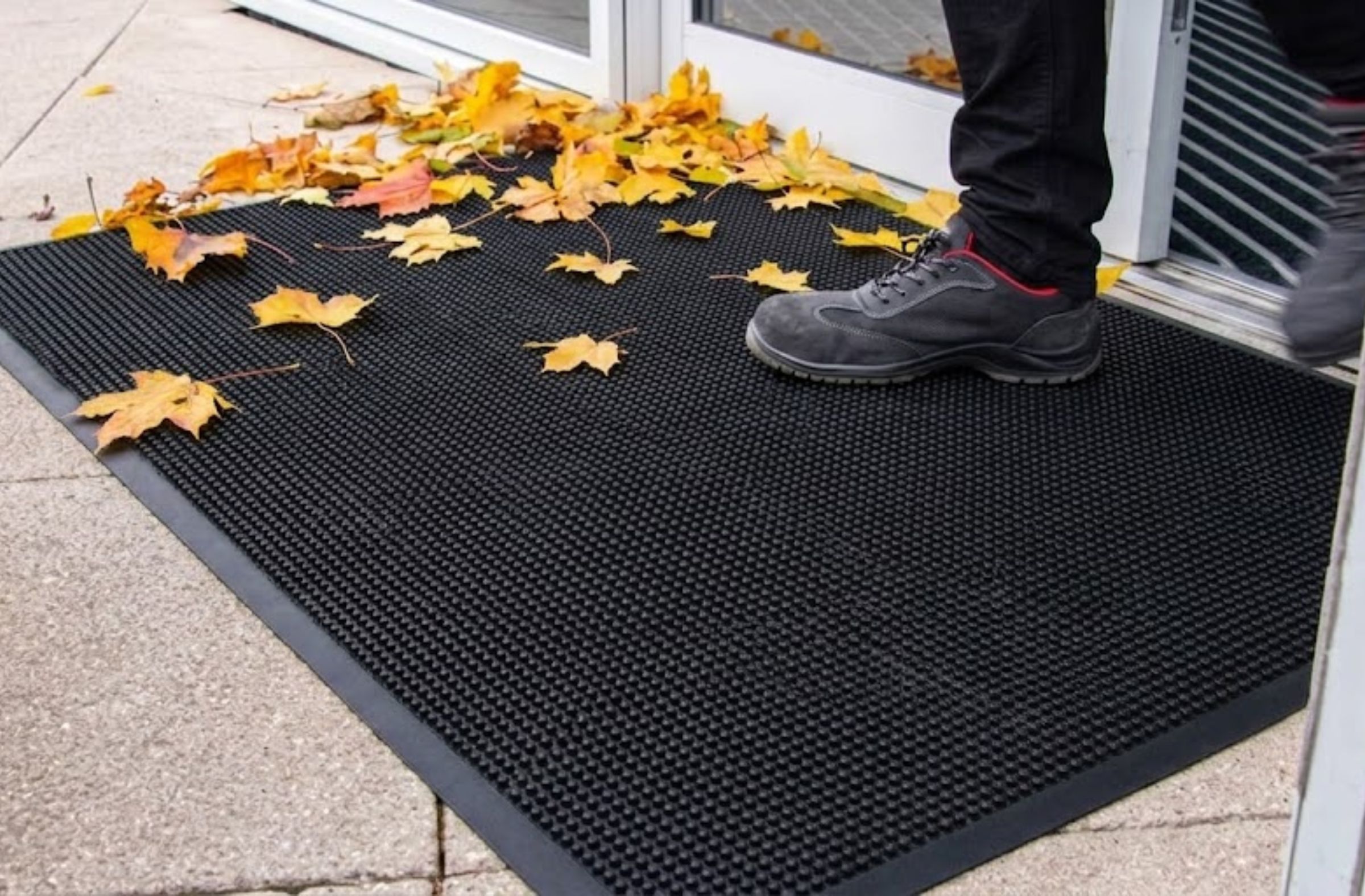
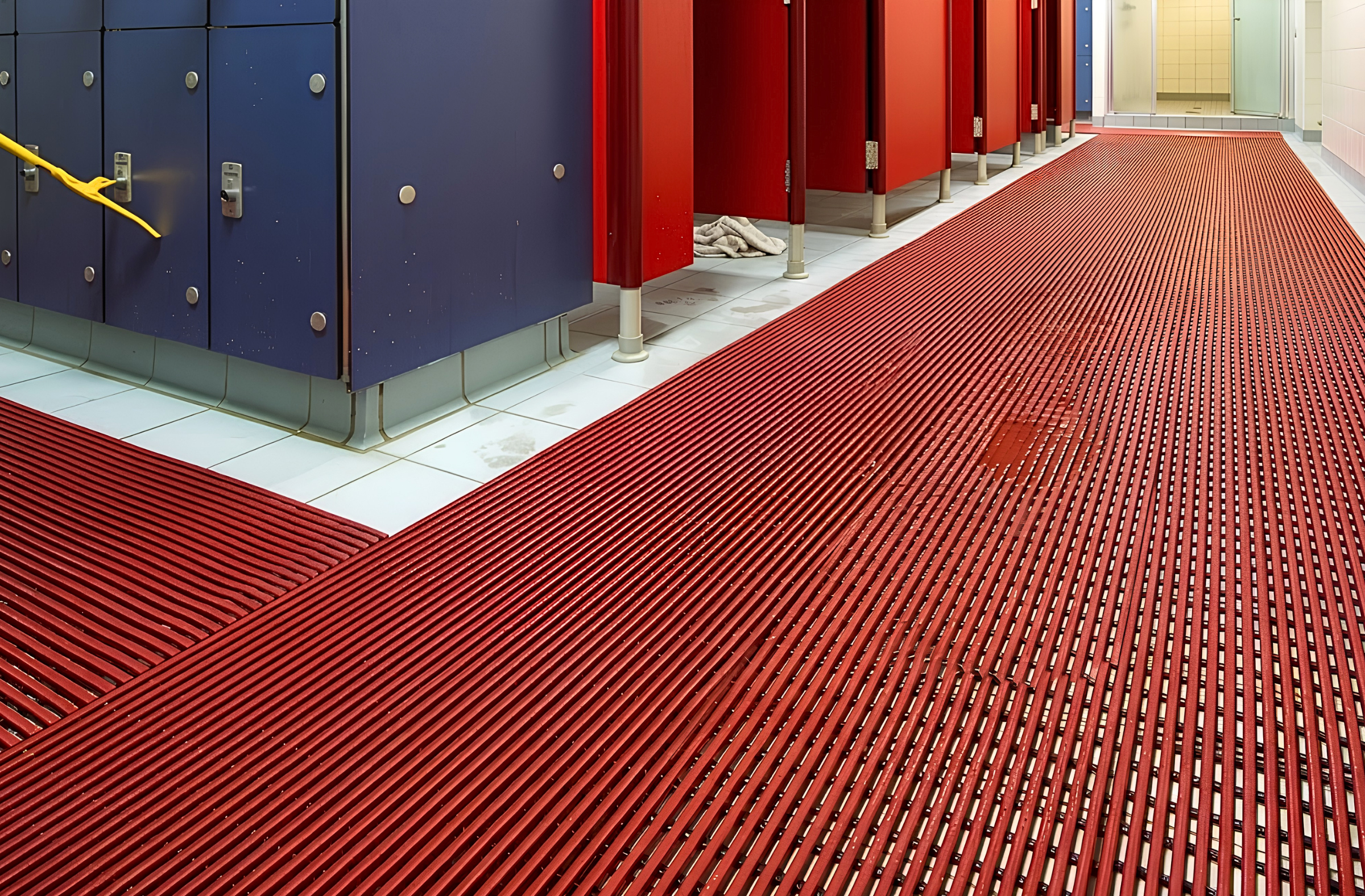
Reduce the general risks of workplace slips, trips and falls by installing rubber non-slip matting to all areas frequented by employees, particularly those where there’s heavy footfall.
Check floors regularly to ensure they remain in good condition. Keep on top of maintenance as and when needed and carry out repairs promptly. Clean up spillages immediately to avoid slips. If the floor is wet, erect the appropriate sign to alert people to the potential hazard.
Reduce the risks of workers climbing on chairs to reach high shelves by providing the appropriate equipment, such as step ladders.
Manage electrical wires and telephone cables by fastening them securely within data cable basket matting to keep them together.
Keeping the workplace safe can not only ensure employees remain injury-free and happy, but can also reduce the risks of the employer suffering financial loss, so it’s in everyone’s best interests to adhere to the safety regulations.